
Apartment Building Access Control Systems 101
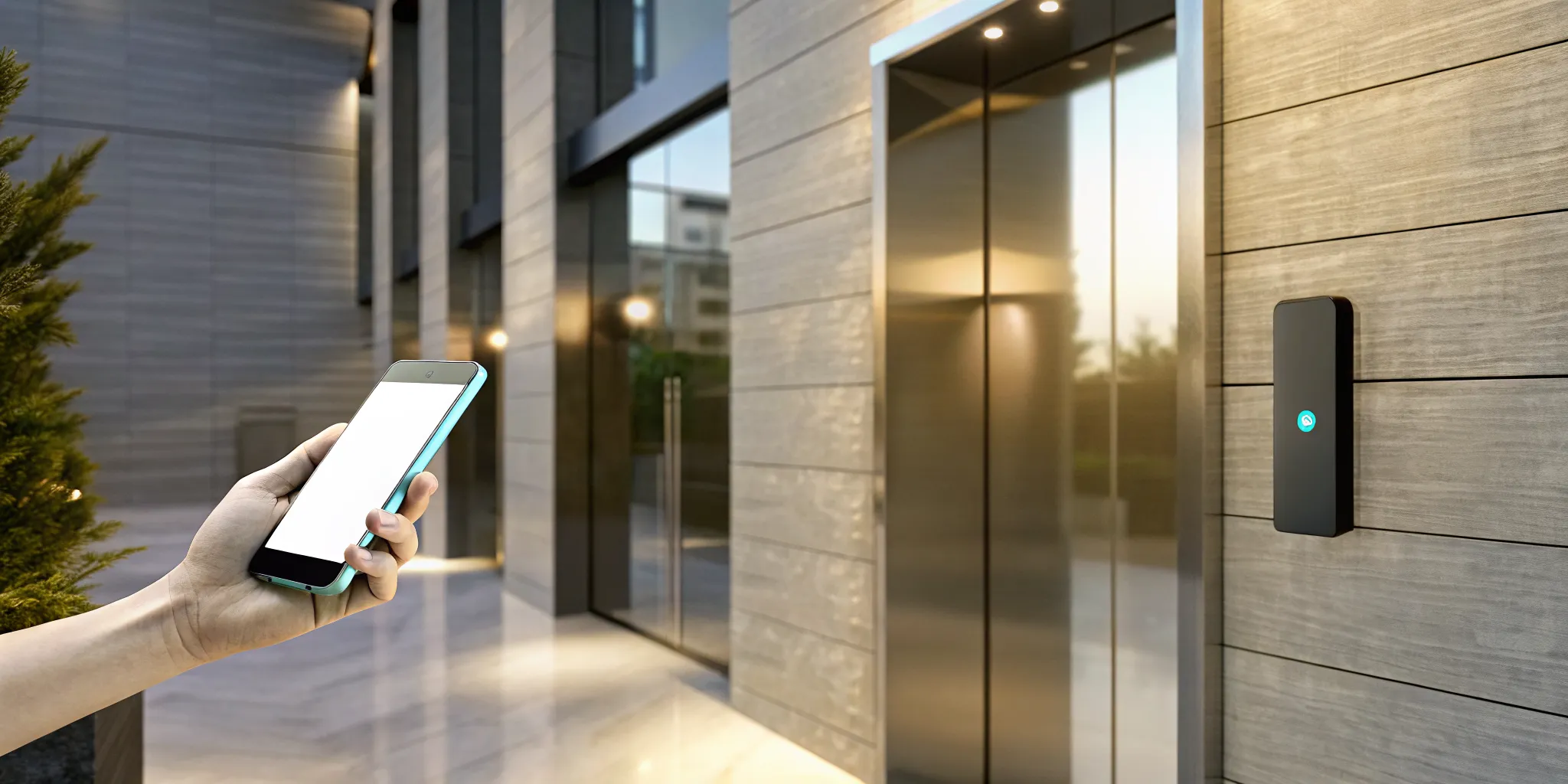
Today’s renters expect more than just four walls and a roof; they want convenience, security, and a modern living experience. Fumbling for keys in the dark or being unable to let a guest in remotely feels outdated. Upgrading to one of today’s apartment building access control systems is a powerful way to meet these expectations and make your property stand out. By allowing residents to use their smartphone as a key or easily grant temporary access to visitors, you provide a seamless experience they’ll appreciate. For property managers, this translates into higher resident satisfaction and a valuable amenity that attracts high-quality tenants. This article will explore the different types of systems and features that enhance the resident experience while making your property safer and easier to manage.
Key Takeaways
- Streamline Operations with Remote Management: An electronic system lets you grant or revoke access instantly from a central dashboard, saving you from the costs and headaches of rekeying locks. This gives you precise control while offering residents simple entry with fobs or their smartphones.
- Choose a System Based on Your Building’s Needs: The right solution is not the most expensive one; it’s the one tailored to your property’s size, number of entry points, and resident preferences. A custom fit ensures you get the features you need without overspending.
- Integrate Systems for Layered Security: Your access control becomes much more powerful when connected to your other security tools. Linking it with cameras provides visual proof for every entry, while integration with alarms creates a comprehensive safety net for your property.
What Is an Apartment Access Control System?
At its core, an apartment access control system is a smart way to manage who can enter your building, and when. Think of it as a modern gatekeeper for your entire property, from the main entrance to the fitness center and storage areas. The goal is to find that perfect balance between keeping residents safe and making access simple for everyone. Instead of relying on old-fashioned metal keys that can be easily lost or copied, these systems use electronic credentials to grant entry.
This technology gives you, the property manager, precise control over every access point. You decide who gets in, which doors they can open, and during what hours. It’s a significant step up from a simple lock and key, offering a more secure and flexible solution for multi-family buildings. A well-designed access control system not only protects your property and tenants but also streamlines your day-to-day operations, saving you time and reducing headaches.
Moving Beyond Traditional Locks and Keys
Let’s be honest, traditional keys are a hassle. When a tenant moves out and doesn’t return their key, you’re left with a security risk and the potential cost of rekeying locks. Keys get lost, stolen, or duplicated without your knowledge, leaving your building vulnerable. Modern access control systems solve these problems by replacing physical keys with more secure electronic options. Residents can use key cards, fobs, or even their own smartphones to get in. If a credential is lost or a tenant moves out, you can deactivate it instantly from a central dashboard. These systems, including advanced phone entry systems, offer a level of convenience and security that traditional locks simply can’t match.
Who Manages and Benefits?
While residents enjoy the ease of keyless entry, property managers are the ones who truly reap the operational rewards. You can oversee your entire building’s access from a single, centralized platform on your computer or mobile device. Need to grant a new resident access? It takes just a few clicks. Have a plumber scheduled for a repair? You can provide temporary access for a specific time window without ever handing over a physical key. This centralized control makes managing your property much more efficient. You can easily add or remove users, adjust permissions, and review entry logs. This setup provides peace of mind for everyone, making it a valuable asset for any of our commercial services clients managing residential properties.
Your Guide to Access Control System Types
Choosing the right access control system feels like a big decision, but it’s much simpler when you break down the options. Each type offers a different balance of security, convenience, and cost. The best fit for your apartment building depends on your property’s layout, your residents’ needs, and your management style. Think about who needs access, where they need it, and how you want to manage it all. From traditional keycards to modern smartphone apps, let’s look at the most common systems so you can find the perfect match for your property.
Key Fobs and Keycards
You’ve likely seen these everywhere. Key fobs and keycards are small, programmable tags or cards that residents tap on a reader to unlock a door. They are incredibly reliable and simple for residents to use, which makes them a popular choice for many buildings. The main drawback is that physical items can be lost or stolen. If a card falls into the wrong hands, it poses a security risk until it’s deactivated. Replacing lost fobs can also become a recurring expense and administrative task, so it’s important to have a clear policy for managing them.
Smartphone and Mobile App Access
For a truly modern approach, mobile access turns a resident’s smartphone into their key. Using technologies like Bluetooth or NFC, residents can unlock doors with a simple tap or even just by being near the reader. This system eliminates the need for physical keys, which means one less thing for tenants to lose. It also gives property managers powerful remote capabilities, like granting temporary access for guests or delivery services from anywhere. A strong access control plan often incorporates mobile solutions for ultimate convenience and oversight.
Keypad and PIN Code Entry
Keypad systems are a straightforward and often inexpensive way to manage access. Residents simply enter a unique personal identification number (PIN) to unlock the door. Installation is typically easy, and there are no physical keys to manage, lose, or replace. However, the security of a keypad system depends entirely on the secrecy of the codes. PINs can be shared with unauthorized individuals, forgotten, or even guessed if they are too simple. This makes them a good option for lower-security areas but potentially risky for main entry points without additional security measures.
Biometric Systems
Biometric systems offer the highest level of security by using unique biological traits for identification. This includes fingerprint scanners, facial recognition, or even retinal scans. Because these traits are unique to each individual, it’s nearly impossible for an unauthorized person to gain entry. This technology completely removes the need for keys, fobs, or codes. While biometrics provide unmatched security, they are also the most expensive option and can sometimes bring up privacy considerations among residents. They are most common in luxury buildings or high-security commercial properties.
Video Intercoms and Phone Entry
Video intercoms and phone entry systems add a crucial layer of visual confirmation to your building’s access control. These systems allow residents to see and speak with visitors through a unit in their apartment or an app on their smartphone before granting entry. This is perfect for managing guests and deliveries, as residents can verify who is at the door from anywhere. It not only improves security by preventing strangers from being buzzed in blindly but also adds a significant amount of convenience for both tenants and property managers.
Key Features Your System Should Have
When you start comparing access control systems, the number of features can feel overwhelming. The right system, however, isn’t just about having the most bells and whistles. It’s about having the right tools that make life easier and safer for both you and your residents. A modern system should offer a blend of security, convenience, and administrative efficiency. Let’s walk through the essential features that will make a real difference in how you manage your property and provide a secure living environment for your tenants. These are the non-negotiables you should look for in any apartment access control solution.
Remote Management and Mobile Access
Imagine being able to manage your entire building’s access from a single dashboard, whether you’re in the office or on the go. That’s the power of remote management. You can instantly issue, modify, or revoke digital credentials without the hassle of changing physical locks or tracking down old keys. This feature alone saves countless hours and headaches. For residents, mobile access means their smartphone becomes their key. They can use it to unlock doors and even grant remote entry to guests, offering a level of convenience that traditional keys simply can’t match. A well-designed access control system puts this power directly into your hands.
Seamless Guest and Visitor Access
How your building handles guests and deliveries says a lot about its quality and security. A modern system makes this process smooth and secure. Look for video intercoms that allow visitors to call residents directly. Residents can see who is at the door through a video feed on their phone and grant access with a simple tap. For planned visits or package deliveries, residents can issue temporary digital keys or codes from their app. This eliminates the need for residents to be physically present to let someone in and prevents strangers from being buzzed in without verification. These smart phone entry solutions add a layer of sophisticated convenience that tenants appreciate.
Detailed Activity Logs and Audit Trails
Knowing who is coming and going is fundamental to building security. A key feature of any good access control system is its ability to maintain detailed activity logs. Every time a credential is used to enter a door, the system creates a time-stamped record. This audit trail is invaluable for accountability and for investigating any security incidents that may occur. If a door is propped open or an unauthorized entry is attempted, you have a clear record to review. These logs help you understand traffic patterns, identify potential security risks, and provide peace of mind for everyone in the building.
Integration with Cameras and Alarms
Your access control system becomes exponentially more powerful when it works with your other security components. Integration is key. When you connect your access control with security cameras, you can visually verify every entry event. If an alert is triggered, the system can automatically pull up the relevant video footage, giving you the full context of the situation. Linking to burglar alarms means an unauthorized access attempt can trigger an immediate alarm and notification. This creates a cohesive, layered security network where each component supports the others, providing comprehensive protection for your property and residents.
Cloud-Based Management
Many of today’s best access control systems are managed through the cloud. This simply means you can control the system from any internet-connected device using a secure web portal or app. Cloud services eliminate the need for bulky, on-site servers, which reduces hardware costs and maintenance. It also makes the system incredibly scalable and flexible. For property managers, especially those overseeing multiple buildings, cloud-based management is a game-changer. It centralizes control, simplifies updates, and ensures your system is always running the latest, most secure software without requiring a technician to visit the site.
Reliable Emergency Access
In an emergency, every second counts. Your access control system must provide reliable access for first responders while keeping the building secure. Modern systems can be programmed to grant automatic access to emergency services when an alarm is triggered. At the same time, property managers can remotely unlock specific doors to facilitate an evacuation or allow entry for personnel, even when they aren’t on-site. Furthermore, many new systems can be installed using your building’s existing wiring, which makes upgrading from an older system more affordable and less disruptive, ensuring your emergency protocols are always supported by dependable technology.
Why Upgrade Your Building’s Access Control?
Moving on from traditional locks and keys is about more than just adopting new technology. It’s a strategic decision that offers real, tangible benefits for your property, your residents, and your management team. A modern access control system makes your building safer, more convenient, and better equipped for the future. It’s an investment that streamlines operations and provides the peace of mind that comes with knowing your property is truly secure.
Improve Security for Residents and Property
Traditional keys pose a significant risk; they can be lost, stolen, or copied without your knowledge, creating permanent security gaps. Upgrading to a modern access control system replaces these vulnerabilities with verifiable security. You gain the ability to see exactly who enters your property and when, creating a detailed activity log that provides peace of mind for residents and crucial data for property managers. Instead of wondering who has a copy of a key, you have a clear record of every entry. This heightened oversight not only helps resolve incidents but also acts as a powerful deterrent, making your entire property safer for everyone.
Add Convenience for Tenants and Managers
An access control upgrade simplifies life for everyone. Residents no longer have to fumble for keys and can enjoy seamless entry using a key fob, a PIN code, or even their smartphone. In a world where people use their phones for everything, offering mobile access with a phone entry system meets modern expectations for convenience. For property managers, the benefits are even greater. You can say goodbye to the time-consuming process of rekeying locks or managing physical keys. With a centralized system, you can grant or revoke access remotely, manage permissions for different areas, and handle tenant turnover with just a few clicks, streamlining your daily operations.
Prevent Unauthorized Access
One of the biggest weaknesses of physical keys is the ease of unauthorized duplication. Once a key is copied, you lose all control over who can access your building. Modern access control systems eliminate this threat entirely. If a key card or fob is lost or stolen, you can deactivate it instantly, securing the entry point immediately. These systems also create detailed audit logs that show every access attempt, successful or not. This digital trail is a strong deterrent against unauthorized entry and provides invaluable information if a security breach occurs. When integrated with security cameras, you can visually verify that the person using the credential is the one authorized to do so.
A System That Grows with Your Property
Your property isn’t static, and your security system shouldn’t be either. A key benefit of upgrading your access control is scalability. The right system is a flexible foundation that can adapt as your building’s needs change over time. Whether you’re adding a new wing, renovating a common area like a gym, or want to integrate new security features, a scalable system can grow with you. You can easily add new doors, update user permissions, or connect your access control with other solutions like burglar alarms. This future-proofs your investment, ensuring your security infrastructure remains effective and relevant for years to come.
How to Choose the Right System for Your Property
Selecting the right access control system feels like a big decision, because it is. This system will become a fundamental part of your property’s daily operations and security. The best choice isn’t always the most expensive or the one with the most features. Instead, it’s the one that fits your building, your residents, and your management style perfectly. By thinking through a few key areas, you can find a solution that provides security and convenience for years to come. Let’s walk through the essential factors to consider.
Your Building’s Size and Entry Points
First, take a look at your property’s physical layout. A small apartment building with a single front door and a back entrance has very different needs than a large, multi-building complex with a parking garage, gym, and pool. The number of doors you need to secure will directly influence the type of access control system that makes sense. For a simpler property, a standalone keypad or key fob system might be enough. For larger properties, you’ll want a networked system that allows you to manage every entry point, from individual apartment doors to common areas, from a single, centralized platform.
Resident Needs and Usability
An access control system is only effective if your residents use it correctly and consistently. Think about who lives in your building. Are they tech-savvy young professionals who would appreciate the convenience of using their smartphone as a key? Or is your community home to older residents who might prefer the simplicity of a physical keycard or fob? The goal is to make their lives easier, not more complicated. Offering a user-friendly solution like a modern phone entry system can reduce friction and improve resident satisfaction, making your property a more desirable place to live.
Compatibility with Existing Systems
Your access control system shouldn’t operate in a silo. For a truly secure environment, it needs to work hand-in-hand with your other security measures. If you already have security cameras or a burglar alarm, make sure your new access control system can integrate with them. When these systems are connected, you can create a more cohesive security strategy. For example, you could set up your system to automatically record video footage whenever a specific door is accessed or trigger an alarm during an unauthorized entry attempt. This creates layers of protection that are much stronger together than they are apart.
Future-Proofing and Scalability
Your property isn’t static, and your security system shouldn’t be either. You might plan to build a new wing, add a community workspace, or simply want to adopt new technology as it becomes available. Choose a system that is flexible and scalable enough to grow with you. A modular system allows you to add new doors or features without having to replace the entire setup, saving you significant time and money in the long run. Planning for the future from the start ensures your initial investment continues to pay off as your property evolves and resident needs change.
Long-Term Support and Maintenance
Installation is just the beginning of your relationship with an access control system. You need a plan for ongoing support and maintenance. Who will you call if a key fob stops working or the software needs an update? This is where choosing the right partner is just as important as choosing the right hardware. Many modern systems use cloud services to handle software updates automatically, which reduces the burden on your staff. Look for a provider that offers reliable, long-term support to ensure your system remains effective and secure for its entire lifespan.
Debunking Common Access Control Myths
Thinking about a new access control system can feel overwhelming, especially when there are so many misconceptions floating around. It’s easy to get stuck on what you think you know, which can stop you from making a security upgrade that would greatly benefit your property and residents. Let’s clear the air and tackle some of the most common myths about apartment access control. The truth is that modern systems are more accessible, flexible, and user-friendly than ever before. By getting the facts straight, you can make a confident and informed decision for your building.
Myth: It’s Too Complex to Install
Many property managers picture a messy, disruptive installation with endless wiring and construction. While that might have been true for older systems, today’s technology is much more streamlined. Many modern systems are managed through the cloud, which significantly simplifies the setup. These cloud-based services allow you to manage access from anywhere with an internet connection, reducing the need for extensive on-site hardware and complex wiring. A professional partner can assess your building’s existing infrastructure and design an installation plan that is efficient and minimally disruptive for you and your tenants.
Myth: It’s Only for Large Properties
It’s a common belief that sophisticated access control is reserved for massive, high-end apartment complexes. This simply isn’t true. Security is a universal need, and modern access control solutions are designed to be scalable for any size property, from a small four-unit building to a large multi-building community. The key is finding a system that fits your specific needs and budget. You don’t need to invest in a system designed for a skyscraper if you manage a dozen units. We specialize in creating customized security solutions that provide the right level of security for your unique property.
Myth: More Expensive Is Always Better
When it comes to technology, it’s easy to assume that a higher price tag guarantees better performance. With access control, that’s not always the case. The “best” system isn’t the most expensive one; it’s the one that fits your building’s needs, is easy for your residents to use, and can adapt as your property evolves. Paying for a top-of-the-line system with features you’ll never use is not a smart investment. Instead, focus on finding a flexible, reliable system that provides real value. With smart planning and available financing options, the right system is well within reach.
Myth: Installation and Training Are an Afterthought
Some people focus so much on the hardware that they forget about the human element. A state-of-the-art system is only effective if your team knows how to manage it and your residents can use it easily. Proper installation and comprehensive training are critical. Modern access control allows you to manage everything from your phone or computer, like adding new residents or granting temporary access to vendors. But these powerful features are useless without the knowledge to operate them. A great security partner won’t just install your system and disappear; they will provide thorough training and ongoing support to ensure you get the most out of your investment.
Breaking Down the Costs of Access Control
Let’s talk about the numbers. When you’re considering a new access control system, the price tag is obviously a major factor. But the total cost isn’t just about the hardware you see on the wall. It’s a combination of the initial investment, any ongoing service fees, and the long-term value the system brings to your property. Understanding the complete financial picture helps you choose a solution that fits your budget now and continues to pay off for years to come.
Think of it as an investment in your property’s security, efficiency, and appeal to residents. A modern system can reduce staff time spent on lockouts, make package deliveries smoother, and give tenants a greater sense of safety. It also adds a premium feel to your building, which can be a deciding factor for prospective renters. When you look at it that way, the right system isn’t just an expense; it’s a strategic upgrade for your building. To make the best decision, you need to break down the costs into a few key areas, from the initial hardware to the services that keep it running perfectly. This approach ensures there are no surprises down the road and that you get the most out of your investment.
Initial Investment by System Type
The upfront cost of an access control system varies widely depending on the technology you choose. A basic, traditional key-based system might have a lower initial price, but electronic systems offer far more security and convenience. For a modern access control setup using keycards, fobs, or mobile apps, the initial investment will be higher because it includes more advanced hardware, software, and professional installation.
For example, a system for a small building can range from a few thousand dollars to over $20,000, depending on how many doors you need to secure and the type of readers you select. While systems with smart technology like cloud-based management have a higher starting price, they often provide long-term savings by streamlining operations and reducing the need for manual oversight.
Subscription and Maintenance Fees
Beyond the initial purchase, it’s important to plan for ongoing costs. Many modern access control systems, especially those managed through the cloud, operate on a subscription model. These monthly or annual fees typically cover essential services like software updates, customer support, and secure data storage for your access logs. This ensures your system stays current with the latest security features and runs smoothly without any surprise expenses.
Regular maintenance is also key to protecting your investment and ensuring your system remains reliable for residents. A maintenance plan can prevent small issues from turning into big problems, giving you peace of mind. These plans often cover routine check-ups and service calls, helping you budget for upkeep and extend the life of your hardware.
Financing and Package Deals
A significant upfront investment doesn’t have to be a barrier to upgrading your building’s security. Many security providers understand that this is a major purchase, which is why they offer flexible payment solutions. With financing options, you can spread the cost of a new system over time, making it much more manageable for your property’s budget. This allows you to get the security you need now without a massive capital outlay.
You can also look for package deals that bundle hardware, software, and installation services together. These packages often come at a discounted rate and simplify the entire process, as you’re getting a complete, ready-to-go solution from a single partner. It’s a great way to get everything you need while ensuring all the components are designed to work together perfectly.
Find the Right Access Control Partner for Your Property
Choosing the right system is only half the battle; finding the right partner to install and support it is just as important for the long-term safety and convenience of your building. A great partner acts as your guide, helping you select, install, and manage a solution that truly fits your property and residents. They should offer a modern access control system that gives people multiple ways to get in, like key fobs, codes, or mobile apps, which accommodates everyone’s preferences. Just as crucial is the ability for you or your property manager to handle all permissions from a single, user-friendly platform. Adding a new resident or removing an old one should be a simple task you can do from anywhere, not a complicated chore.
Your security works best when all its parts work together. That’s why you should look for a partner who can seamlessly integrate your access control with other security features, such as video surveillance. Connecting these systems means you can visually confirm who is entering the building, which adds a powerful layer of accountability. Many of the best systems today are cloud-based, which simplifies remote management and often reduces the amount of complex wiring needed for installation. A forward-thinking partner will recommend these solutions to make your life easier.
Finally, avoid any company that pushes a one-size-fits-all product. Every building is different. A small, three-flat has very different needs than a sprawling luxury apartment complex. A trustworthy partner will take the time to assess your property’s unique layout, entry points, and resident needs to design a truly customized security plan. They’ll also discuss ongoing support and maintenance, ensuring your system remains reliable for years to come. This tailored approach is the key to a successful and stress-free security upgrade for your residential property.
Related Articles
- Access Control Chicago, Access Control Installation | InVision Systems | Security Systems Chicago IL
- Access Control Oak Park | Oak Park IL | InVision Systems
- Phone Entry in Chicago, IL | InVision Systems | Security Systems Chicago IL
- Access Control Bensenville | Bensenville IL | InVision Systems
Frequently Asked Questions
What happens to the locks if the power or internet goes out? This is a great question and a common concern. Professional access control systems are designed with backups in mind. The door readers and locks are typically connected to a battery backup that keeps them running during a power outage, so residents can still get in. For systems that rely on the internet for management, the credentials themselves (like key fobs or mobile app data) often work locally at the reader, meaning an internet disruption won’t lock everyone out.
Is it difficult for residents to get used to a new access control system? Most residents adapt very quickly and end up loving the convenience. The key to a smooth transition is clear communication. We find the best approach is to let tenants know about the upgrade well in advance, explain the benefits, and provide simple instructions. Many people already use their phone or a key card for work or other services, so the concept is familiar. A good system is intuitive, and a good installation partner will help you with the training and resources to make the switch seamless for everyone.
How secure is using a smartphone for access? Can’t it be hacked? Mobile access is surprisingly secure, often more so than a physical key. These systems use strong encryption to protect the communication between the phone and the door reader, similar to the technology used for mobile payments. The biggest security advantage is that if a resident loses their phone, you can instantly revoke its access from your management dashboard. You can’t do that with a lost metal key, which remains a security risk until you rekey the lock.
I only manage a small building. Is a full access control system overkill? Not at all. Access control systems are completely scalable and offer huge benefits for smaller properties. Think about the time you spend managing physical keys, dealing with lockouts, or worrying about unauthorized key copies. A simple, modern system can solve all those problems. You can choose a solution that covers just one or two main entrances, providing better security and easier management without the complexity or cost required for a massive complex.
What is the first step to figuring out what my property needs? The best way to start is with a professional assessment of your property. A security expert can walk the site with you, look at your entry points, and discuss your specific goals and challenges. This isn’t about a hard sell; it’s about understanding your building’s unique needs. From there, they can recommend a few tailored options that fit your property and your budget, giving you a clear path forward.