
Commercial Burglar Alarm Monitoring: A Complete Guide
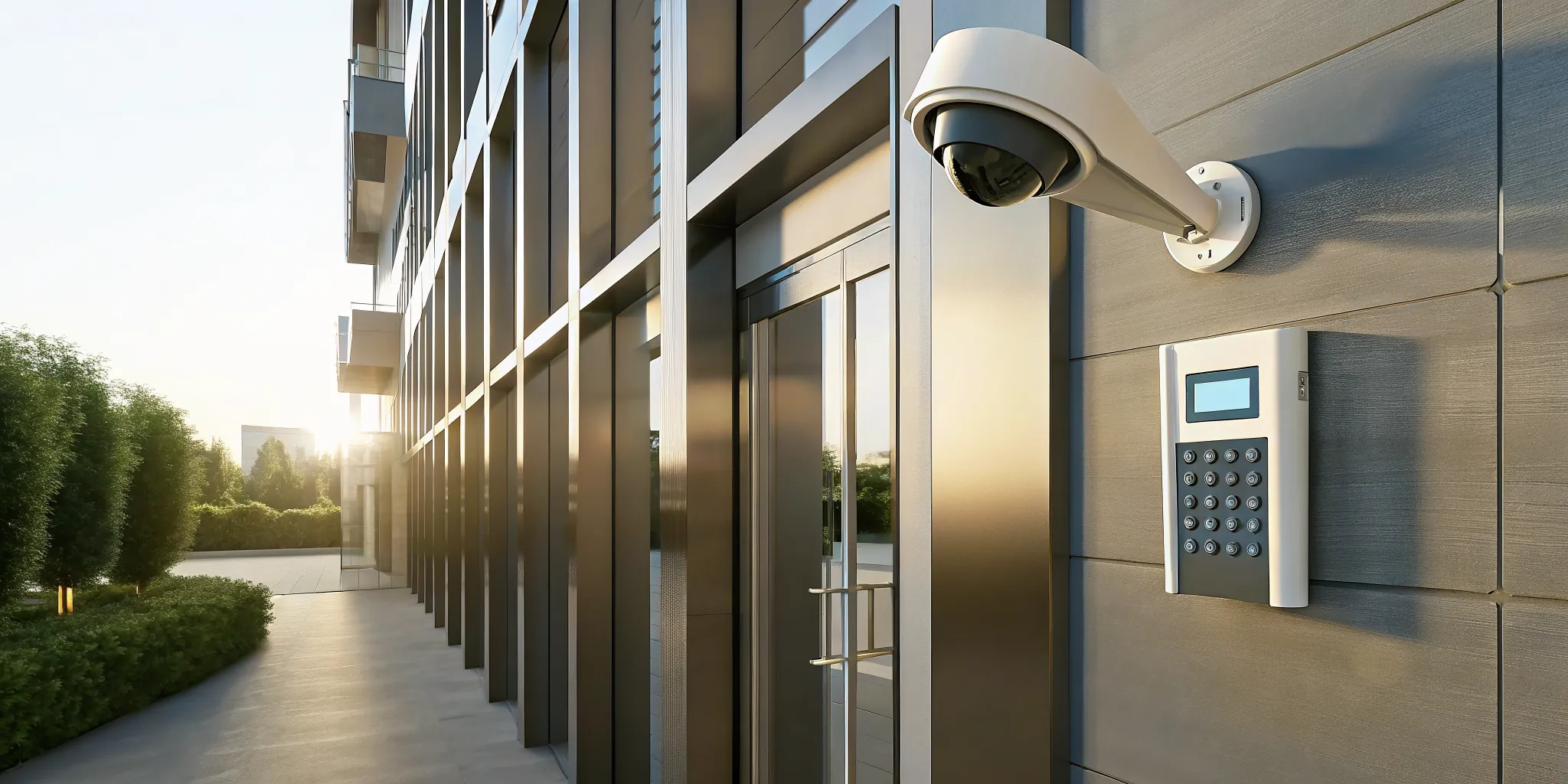
A burglar alarm only protects a business when someone can act on its signal. For a warehouse, retail location, or commercial facility, that means more than a siren and a notification on a phone. The system must communicate reliably, reach trained monitoring personnel, and support a clear response when a door, window, motion sensor, or outdoor detector identifies a threat.
Commercial burglar alarm monitoring connects your business alarm to a 24/7 central station, where trained operators receive signals, verify the event when possible, and coordinate the appropriate response. Cellular communication and video verification can reduce phone-line vulnerabilities, limit false alarms, and help prioritize police response.
The right approach depends on your building, operating hours, risk profile, and existing security equipment. In this guide, we will explain how central station monitoring works, compare communication options, and show why proactive verification matters for protecting people, property, and operations.
Schedule a free on-site security assessment with InVision Systems today. Call 773-733-0970 to discuss your commercial burglar alarm monitoring needs.
What Is Commercial Burglar Alarm Monitoring?
Commercial burglar alarm monitoring connects a business’s alarm system to a professionally staffed central station. Trained operators watch for signals 24 hours a day, every day of the year. When a door contact, motion detector, glass-break sensor, or other device identifies a possible intrusion, the system sends an alarm signal to the monitoring center.
The operator reviews the event and follows the response plan established for the property. Depending on the type of alarm and the information available, the operator may contact designated keyholders, verify the threat, and request police or fire department response. This gives a business a response process after hours, on weekends, and during periods when no employees are on site.
Monitoring is one part of a larger security strategy. The system still needs to be designed around the building, business operations, access points, and likely risks. InVision Systems creates commercial burglar alarm systems that can be coordinated with cameras, access control, and other protective technologies throughout a facility.
Traditional and video-verified monitoring
InVision offers both traditional alarm monitoring and video-verified monitoring. With traditional monitoring, the central station receives an electronic alarm signal and uses the agreed response procedure to contact the appropriate people or authorities. With video verification, associated cameras can provide visual information around the alarm event, helping operators determine whether activity appears to be a genuine threat before dispatch.
That distinction matters for businesses managing multiple entrances, large sites, warehouses, parking areas, or facilities with valuable equipment. Visual confirmation can give responders better context and help reduce unnecessary alarm activity. InVision also provides virtual guarding services, which can add proactive video observation and live intervention to monitored security systems when the situation calls for it.
InVision’s client retention rate exceeds 95%, reflecting a long-term approach built around system design, installation, support, and ongoing security needs rather than a one-size-fits-all package.
How Central Station Monitoring Works
A monitored alarm is designed to move a security event from detection to professional action without relying on someone at the property to notice it first. The process typically follows these steps:
-
1. A sensor detects a possible threat
The sequence begins when a device identifies activity outside the expected conditions. Depending on the system design, that may be a door or window contact opening. A motion detector sensing movement, or a glass-break detector recognizing the sound pattern of shattered glass. Proper placement matters. A commercial system should account for the building’s layout, operating hours, entrances, loading areas, and other conditions that could affect detection or create unnecessary alerts.
-
2. The alarm signal travels to the central station
The control panel sends the event to a staffed central monitoring station over a cellular or IP connection. This step happens automatically, so the business does not need an employee to call for help or remain at a desk watching a security app. The signal can include details such as the device or zone that activated, which helps the operator understand where the event started.
-
3. A trained operator receives and prioritizes the event
A central station operator reviews the incoming signal and assesses its priority according to the alarm type, location, account instructions, and available verification data. Central monitoring stations operate around the clock, including nights, weekends, and holidays. That continuous coverage is important for warehouses, retail locations, offices, and other properties that may be unoccupied when an intrusion occurs.
-
4. Video verification helps confirm what is happening
With a video-verified system, the alarm signal is accompanied by images or video from the relevant cameras. The operator can assess whether the event appears to be an actual intrusion instead of treating every signal as an identical blind alarm. Modern video verification helps central stations validate alarm triggers before notifying law enforcement, reducing unnecessary dispatches and improving the quality of the information available during a response. Industry reporting on video verification describes this role in reducing false alarms.
-
5. The appropriate response begins immediately
When video confirms a credible threat, the monitoring operator can request police dispatch with information that supports priority response, according to local procedures and the account’s response plan. Traditional monitoring follows a different path: the operator receives a blind alarm signal and generally calls the designated keyholder first. That delay and uncertainty are why many businesses choose video-verified commercial burglar alarm monitoring. Instead of asking an employee to interpret an alert from a distance, trained professionals can evaluate the event and begin the response process.
The result is a faster, more reliable response than self-monitoring alone. A properly designed system can detect activity, provide context, and put a trained operator in the decision chain while the event is still unfolding. For businesses in Chicago, the suburbs, Northwest Indiana, and Southeast Wisconsin, InVision Systems can design monitoring around the property’s risks, schedule, and response requirements.
Cellular vs. Landline: How Your Alarm Communicates Matters
The communication path between an alarm system and its monitoring center is a critical part of commercial security. A well-designed system must continue transmitting an alert when a business loses power, experiences a network interruption, or faces deliberate tampering. For most modern installations, cellular communication provides a more dependable primary connection than a traditional landline.
| Feature | Cellular communication | Landline communication | Cloud or IP-based communication |
|---|---|---|---|
| Connection | Uses a dedicated cellular communicator, so no business phone line is required. | Depends on an active wired telephone line at the property. | Uses an internet or cloud connection to transmit system data and support remote access. |
| Reliability | Not dependent on interior telephone wiring and is less vulnerable to a cut phone cable. | Can be interrupted if the line is cut, damaged, or disconnected. | Can provide flexible connectivity, especially when paired with automatic backup communications. |
| Data capability | Supports rapid alarm signals and can support video or image transmission when the system is designed for it. | Designed primarily for basic alarm signaling and generally transmits data more slowly. | Supports cloud access, current system data, and connected video features when properly configured. |
| Best role in a modern system | Primary communication path for many commercial alarm installations. | Legacy option that is being phased out in many environments. | Backup or complementary path that adds redundancy and remote capabilities. |
Why cellular is preferred for commercial properties
Landline communication once offered a straightforward way to send an alarm signal, but it ties system performance to infrastructure that many businesses no longer maintain. A cut or disconnected phone line can prevent an alarm from reaching the monitoring center. Cellular communication removes that dependency and can transmit signals quickly without requiring a separate phone service.
For businesses that use video verification, the communication path matters even more. Alarm signals accompanied by images give trained monitoring personnel more information to evaluate a possible threat and determine the appropriate response. This supports a proactive approach rather than leaving the operator with a blind signal.
Use redundancy instead of relying on one connection
Cloud or IP-based communication can add valuable flexibility, but it should be engineered as part of a complete plan rather than treated as the only safeguard. InVision Systems typically favors cellular as the primary path with IP or cloud-based communication as an automatic backup. Cloud-based systems can also keep information current and avoid dependence on a single on-site recording device.
The right configuration depends on the property, network environment, and security objectives. A professional assessment can determine whether the site needs cellular, IP, or a combination of communication paths for dependable commercial burglar alarm systems.
Ready to upgrade your commercial alarm communication? Contact InVision Systems at 773-733-0970 for a professional assessment of your facility’s monitoring setup.
Video Verification and False Alarm Management
Traditional alarms send a signal when a door, window, motion detector, or other device activates. Video verification adds visual evidence to that signal. The monitoring station receives images or video of the event. Allowing trained operators to assess what triggered the alarm instead of treating every activation as an identical blind signal.
Confirm the threat before dispatch
When cameras show an unauthorized person, forced entry, or another confirmed crime in progress, operators can communicate the details to responding authorities. This supports priority police response where local procedures allow it, while giving responders more useful information before they arrive. InVision Systems also uses outdoor detection to identify activity before an intruder reaches the building. Live two-way audio can let operators warn the person that the property is being monitored, often interrupting an incident before it becomes a larger loss.
That proactive approach is important because false burglar alarms consume public safety resources and can reduce the effectiveness of police response to genuine emergencies, according to the U.S. Department of Justice’s Office of Community Oriented Policing Services. The same guidance notes that most burglar alarms to which police respond are false, with user error and equipment problems among the primary causes: COPS false alarm guidance.
Reduce false alarms at the source
Video verification can make it possible to distinguish a real intrusion from an accidental activation before requesting police dispatch. Industry guidance identifies video verification as a way for monitoring centers to visually confirm alarm triggers and reduce unnecessary dispatches: video verification and false alarm reduction research.
Technology is only part of the solution. A properly designed system accounts for the property’s layout, normal activity, environmental conditions, and sensor placement. Ongoing user training matters just as much. Employees should know how to arm and disarm the system, secure doors and windows, use passcodes correctly, and cancel an accidental activation. Regular maintenance also helps prevent equipment-related alarms. InVision’s customized design and training approach can pair video verification with virtual guarding services for businesses that need active intervention, not just a notification after an event.
What to Look For in a Commercial Alarm Monitoring Provider
The right monitoring provider should do more than receive an alarm signal and make a phone call. It should understand how your facility operates, identify vulnerabilities before installation, and give your team a clear response process when an incident occurs. Use the following criteria to compare providers.
24/7 monitoring with trained operators
Confirm that a central station is staffed 24 hours a day, 7 days a week, 365 days a year. Trained operators should know how to evaluate alarm signals, follow your escalation procedures, contact designated personnel, and request emergency response when appropriate. Ask how the provider handles changing contacts, unusual events, and false-alarm prevention. A low monthly price is not useful if the response process is unclear or inconsistent.
A system designed around your facility
Be cautious of one-size-fits-all packages. A warehouse, manufacturing plant, dealership, and multi-tenant office have different entry points, operating hours, blind spots, and risks. InVision Systems designs each solution around the facility’s layout and security priorities rather than forcing every customer into the same equipment bundle. That approach can coordinate intrusion detection with cameras, doors, and other site-specific controls.
Integration beyond the alarm panel
Commercial alarm monitoring is more useful when it connects with the rest of your security system. Ask whether the provider can integrate video verification, access control systems, and virtual guarding. Cameras can provide visual context, access control can show who entered an area, and live intervention can address suspicious activity before it becomes a larger incident. The goal is a coordinated response, not several disconnected systems.
Reliable communication and local expertise
Ask how alarm signals reach the monitoring center. Cellular and IP communication reduce dependence on traditional landlines and can help maintain connectivity when phone wiring is damaged or unavailable. You should also understand where the provider operates and who will support the system after installation. InVision serves the Chicago area, Northwest Indiana, and Southeast Wisconsin, with coverage across 35 cities in three states. For businesses comparing professional commercial security systems, local knowledge can make design, service, and follow-up more practical.
Clear costs and evidence of dependable service
Request a complete explanation of installation, monitoring, service, and equipment costs. InVision offers financing options with one-day approval, which may help businesses implement a complete solution without delaying protection. The company’s 95% client retention rate is another signal to investigate when evaluating long-term service quality. Ask for a written proposal, defined response procedures, and an on-site assessment before signing.
Not sure which monitoring level fits your business? Call 773-733-0970 to speak with an InVision Systems security professional about your options.
Frequently Asked Questions
How much does commercial alarm monitoring cost?
Pricing depends on the number of protected doors, windows, zones, cameras, communication method, and response features your facility needs. A small office and a manufacturing site will not require the same design. Ask for a site-specific proposal that separates installation, equipment, monitoring, and optional video verification costs so you can compare providers accurately.
How quickly does a central station respond to a commercial alarm?
A central station receives the signal as soon as an enrolled sensor triggers. The operator reviews the available information, follows your response instructions, and contacts the appropriate keyholder or emergency services. Video verification can provide images of the event, helping operators confirm an active threat and support priority police response instead of treating every signal as an unverified alarm.
Is cellular communication better than a landline for a business alarm?
Cellular communication avoids dependence on a traditional phone line and is not vulnerable to a cut exterior phone cable. It is generally the more practical choice for new commercial installations, while an existing landline may still be evaluated as part of a layered communication plan. Your provider should assess signal strength and include backup communication where the risk profile requires it.
How does video verification reduce false alarms?
Video verification pairs an alarm signal with images or video from the relevant area. Monitoring personnel can distinguish an apparent intrusion from an authorized entry, animal, or environmental event before dispatching responders. Outdoor detection and live two-way audio can also support earlier intervention, sometimes before an intruder reaches the building.
Ready to Improve Your Commercial Alarm Monitoring?
A customized assessment can help identify the right combination of alarm communication, video verification, and monitoring for your facility. To schedule a free on-site security assessment, call 773-733-0970 and speak with the InVision Systems team about your business security needs.