
Hotel Security Camera Systems: A Complete Guide for Owners
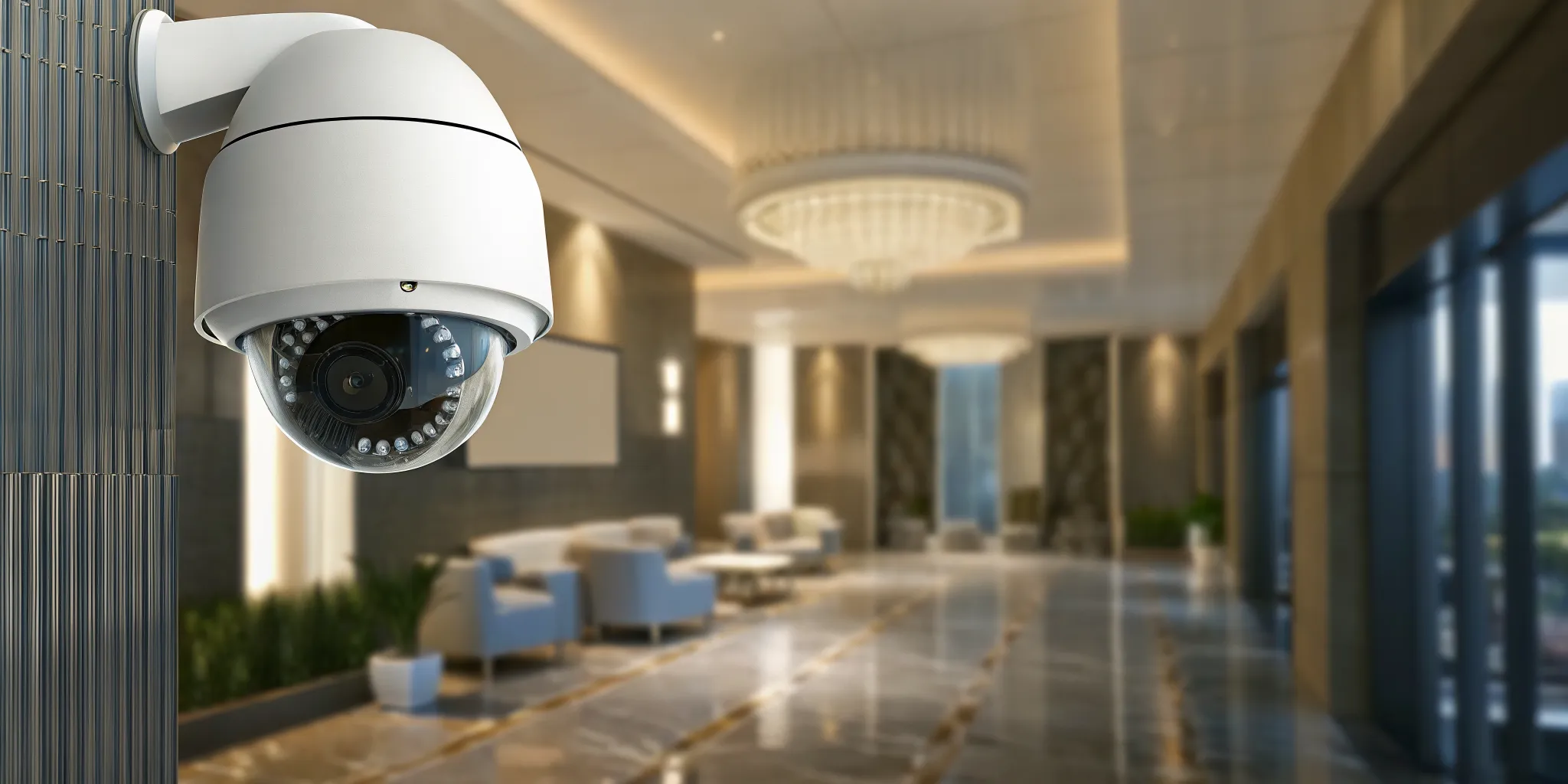
A single guest room theft can quickly destroy a hotel’s good name and drive away future bookings. Busy lobbies, dark halls, and quiet parking lots need constant watch to keep guests and staff safe.
Hotel security camera systems are the central backbone of modern hotel safety, protecting guests, staff, and property from theft and damage. These systems use sharp HD cameras to monitor busy areas like lobbies, front desks, and parking lots in real time. According to National Park Service guidelines, putting cameras at cash registers and main doors is vital to stop theft and keep people safe. By pairing these cameras with smart software and remote watch services, hotel owners can spot risks early, prove what happened, and build guest trust. This complete guide shows you how to design a custom security network that meets the unique layout, size, and safety needs of your hotel.
How do you plan a security layout that protects your hotel without ruining the guest experience? Start with your lobby and entrances. That is where every guest’s first impression meets your first line of defense.
Ready to protect your hotel? InVision Systems designs custom surveillance solutions for properties of every size. Call 773-733-0970 for a free on-site consultation.
Lobby, Entrances, and Common Areas
Lobby and reception coverage
A hotel lobby is a busy space where guests check in and meet with friends. This constant flow of people makes the lobby a main area for risk. To protect everyone, you will need hotel security camera systems. These tools monitor guest actions and protect hotel assets.
Security cameras also help lobby staff manage daily work. Reception workers can see when a long line forms at the desk or when the lobby gets too crowded. This real-time view lets managers send more staff to the desk quickly, which cuts down guest wait times and improves service.
Interior layout design plays a big role in guest comfort, so you do not want bulky security gear to ruin the room look. Because of this, installers use small dome-shaped cameras on the ceiling. A public interior safety plan suggests dome cameras that measure about 4 inches in diameter. These compact tools blend into the ceiling and do not bother your guests.
Front desk and point of sale security
The front desk is where hotel staff handle guest cash and card details. This area faces key risks from theft and disputes. Cameras must monitor registers to stop loss. Strategic camera placement helps you track every card payment and cash drop.
A clean look at the front desk also builds guest trust. To keep wires out of sight, technicians run cables through the crawl space above the ceiling. This hidden wiring keeps the lobby clean and protects cables from tampering.
- Point of sale registers to track all cash payments.
- Key card holders to see who gets room access keys.
- Safe deposit boxes to protect guest valuables.
Main entrance and exit monitoring
Entrances and exits are key zones for any security system. You must capture clear video of everyone who walks into the building. Competitor systems like Lorex use wide-angle lenses to cover these doors. For example, a 180-degree field of view lets you see the door and the sidewalk at the same time.
Entrances often face lighting challenges because of bright sun or dark night. To capture clear faces, your cameras need good wide dynamic range technology. This feature balances bright and dark spots in the video. It ensures that glare from glass doors does not blind the camera when guests enter.
Good door coverage helps you verify who comes and goes. This clean setup stops outsiders from slipping into guest rooms. It also gives you clear evidence if an incident occurs near the door. By placing cameras at high-traffic exits, you secure the first line of defense for your hotel.
Parking Lots and Exterior Perimeters
The outer parts of a hotel have clear safety risks. Dark parking lots, busy loading docks, and remote paths can attract crime. You must keep these spots safe. Setting up strong hotel security camera systems in these spaces is crucial for your guests.
Securing Guest Vehicles and Loading Docks
Your parking lot is the first space a guest sees when they arrive. It must be safe. To keep guests safe, hotels must use smart camera placement for back-of-house and outer areas. You need to watch spots like loading docks and side exits.
This strategy is shown by a security project on the National Park Service website. These spots are busy. Thieves can target cargo or unwatched luggage in these zones if no cameras are present. Clear views protect your assets and guests.
Basic retail systems from brands like Lorex often focus only on simple zone coverage for parking lots. But hotels need a more robust setup. You must watch every driveway, fence line, and loading bay to see every car. Staff can then check damage claims with solid proof.
Weatherproof Cameras and Smart License Plate Tech
Outdoor cameras must withstand harsh weather. Chicago winters bring heavy snow, strong wind, and freezing cold that can destroy standard gear. Rain and heat also ruin cheap hardware in these outer zones. You need rugged, waterproof cameras with strong metal cases to resist both storms and vandals.
Smart tools help you track cars. License plate recognition cameras read and log plates as vehicles enter the lot. Your staff gets an alert if a banned car enters, helping them stop banned people before they ever reach the lobby. This tech also settles parking lot disputes.
Lighting Integration and Remote Patrols
Cameras work best when they sync with outdoor lights. Motion sensors can trigger bright floodlights when someone enters a dark zone. This sudden flash scares off intruders and gives your cameras a clear, full-color view. Standard black-and-white night views often miss key details like clothing color.
To boost safety, hotels can use virtual guarding services to watch their outer areas after hours. This AI service spots threats along fences and in dark corners. If a threat is found, a live guard can speak through outdoor speakers to warn intruders to leave. This stops crime before it starts, keeping your property safe all night long.
Back-of-House Security: Kitchens, Storage, and Staff Areas
Guests only see the public areas of a hotel, but the busiest zones are behind closed doors. Keeping these spaces safe is a major challenge for any hotel brand. Setting up modern hotel security camera systems in back-of-house areas helps protect valuable goods and keeps staff safe. These tools give security teams full sight of zones where guests do not go.
Inventory protection in storage and retail spaces
Storage rooms, loading docks, and gift shops hold thousands of dollars in goods. Without eyes on these spots, stock can disappear with no trace. Strategic camera placement helps maintain safety and security across the site. This setup watches key back-of-house areas, including kitchens, bars, and gift shops. Placing cameras near stock shelves and cash registers stops theft from the outside and the inside. It also ensures that every shipment at the loading dock is fully tracked.
Staff safety and accountability in busy work zones
Kitchens and bars are fast-paced work zones with constant movement. Hot surfaces, sharp tools, and wet floors create risks for staff. Installing a professional business security camera system in these spots improves worker safety. If an injury or accident happens, managers can review the footage to see what went wrong. This helps the hotel team make shifts safer and stop future mishaps.
These cameras also help keep staff accountability high. When workers know that cameras cover key work areas, they are more likely to follow proper safety and service rules. This cuts cash drawer shortages at the bar and stops food waste in the kitchen. Clear standards lead to better work and fewer disputes during busy shifts.
Verifiable evidence for incident resolution
Even with the best training, issues will occur behind the scenes. Broken dishes, lost keys, and staff arguments can disrupt daily tasks. HD security cameras integrated into a hotel-wide network provide verifiable evidence of security incidents and support staff accountability. When a problem comes up, managers do not have to rely on guesswork or conflicting stories. They can look at the HD video to find the truth.
Having clear proof protects the hotel from false claims. It can show if a worker followed safety steps during a fall, or if a vendor actually brought the right amount of goods. Linking these cameras to a single network allows hotel leaders to check live feeds from any device. This proactive style turns a simple camera setup into a complete safety system.
Integrating Access Control with Surveillance
A modern hotel needs more than just video recording to keep its property safe. When you link door sensors and smart locks to your hotel security camera systems, you build a better shield for your guests. This pairing lets your team see who enters a room in real time and find security issues before they grow.
Camera verification of door entry events
When a guest or staff member taps a key card at a restricted door, the event is saved in a log. But a card tap only tells you that a card was used, not who used it. By linking video with door sensors, a nearby camera can turn toward the entrance on its own. This helps you check that the person with the card is the real owner. High-definition cameras in a hotel network give verifiable evidence of security incidents to stop card sharing and theft.
Audit trails and visitor tracking
Linking cameras with access control systems makes guest check-ins and staff shifts easier to track. The software pairs each door activity log with a video clip. If a door is left propped open or opened by force, the system alerts your team and shows the live video feed. This helps managers track staff work and guest safety in back-of-house areas like offices, kitchens, and supply rooms.
| Access Method | Key Benefit | Core Risk | Camera Integration |
|---|---|---|---|
| Key Cards and Fobs | Low cost to buy and hand out to guests. | Cards can be lost, stolen, or shared. | Cameras capture video when doors open. |
| Biometric Scans | Very high safety because prints cannot be shared. | High setup costs and privacy worries for guests. | Cameras check the scanner area for tailgating. |
| Mobile App Access | Easy for guests to use on their own phones. | Depends on phone battery and Bluetooth range. | System tracks phone ID and records entry. |
Securing restricted hotel zones
A hotel has many areas that guests should not enter, like laundry rooms and server rooms. Setting up smart locks on these doors keeps guests out and protects key assets. Connecting these locks to your cameras creates a strong barrier. If an unapproved person tries to enter a restricted area, the system logs the attempt and flags the video for review.
Virtual Guarding: AI-Powered Remote Monitoring for Hotels
Many hotels now face high costs to keep their sites safe. Standard guards can only watch one spot at a time. This is where remote monitoring helps. Known as virtual guarding services, this tool works to boost your team. It connects on-site cameras with smart software. This layered path blends real staff with camera tools to stop threats before they start.
How virtual guarding works
Virtual guarding does not need you to buy new gear. Instead, it works with your current hotel security camera systems. This setup uses smart software to find human shapes or cars in restricted zones. When the software spots a threat, it alerts off-site guards. These remote agents can use cloud-based surveillance features to see the live feed right away.
Once the agent gets an alert, they look at the live video to verify the threat. This process stops false alarms and helps get fast police help if needed. The smart tools watch your parking lots, side doors, and back exits. This means your hotel has active eyes on all key spots day and night.
Comparing virtual guards with physical guards
Choosing the right safety plan is a main goal for hotel owners. To make the best choice, you must balance cost with how much of your site you can protect. While physical guards can only be in one spot at a time, remote camera tools can watch every corner at once. Any safety plan must also balance guest privacy with needed protection, as noted by the National Park Service.
| Feature | Physical Security Guards | Virtual Guarding Services |
|---|---|---|
| Monthly Cost | High hourly rates per guard. | Up to 60% lower than physical guards. |
| Site View | Limited to one area at a time. | Full view of all cameras at once. |
| Response Time | Delayed by foot patrol speed. | Instant alerts with voice warnings. |
| System Growth | Requires hiring more staff. | Easy to add more camera feeds. |
Core benefits for hotel safety
One big benefit of virtual guarding is real-time voice intervention. Remote agents can speak through on-site speaker systems to stop intruders. If a trespasser enters a restricted zone, the agent can issue a direct voice warning. This fast action stops crimes before they occur, keeping your staff and guests safe.
Standard guard services are costly and can have gaps in coverage. In contrast, virtual guarding gives you full, constant site checks for a fraction of the cost. Because the system runs on reliable network setups, you never have to worry about missed shifts or late patrols. It is an on-time, on-budget way to secure your entire hotel property.
Privacy Compliance and Guest Trust
Hotels must protect their guests and staff, but they must also respect guest privacy. Finding the right path is key to building trust. When you set up hotel security camera systems, you must weigh guest comfort against active safety needs. High safety should not get in the way of a warm and calm stay.
Legal lines for hotel cameras
State and local laws set clear rules on where you can and cannot put cameras. Guests have a legal right to privacy in rooms and bathrooms. This means you must never place cameras in any private guest zones. Instead, keep your lenses focused only on public spaces. These spaces include lobby desks, hallways, and stairs.
When you plan the layout, you should work with experts to avoid risk. A smart business security camera system helps you meet all local codes. This ensures that you stay on the right side of the law. Keeping your system within the law prevents lawsuits and protects your hotel from big fines. Most of all, it shows guests that you value their safety and their rights.
You should also think about staff zones. Break rooms and back desks need a soft touch. While you want to stop loss, you must not make your staff feel watched at all times. Set clear rules for who can view the live video feeds to build a strong, honest workplace.
Clear signs and guest comfort
Clear signage is a major part of meeting the law. Most states require hotels to tell guests when cameras are in use. You should post clear signs at all main entry points and lobbies. A simple, polite note is enough to meet the law while keeping guests at ease.
Placing signs in clear view helps stop crime. When bad actors see that a hotel has active cameras, they are much less likely to commit a crime. At the same time, honest guests feel more at ease because they know you are taking safety steps. This turns a legal rule into a tool that builds guest trust.
By using simple signs, you respect your guests and show that you care. It is a smart way to run your business and keep everyone safe.
Case Study: The Drake Hotel, Chicago
Historic hotels in Chicago face a tough task because they must keep guests safe while guarding their classic look. Setting up modern hotel security camera systems needs special care. Standard mounting and exposed wires can ruin the design of a vintage building. A bad setup can soon turn a grand lobby into an eyesore.
Preserving Historic Architecture
The National Park Service states that changes to historic spaces should be kept small to protect old materials (NPS Guidelines). Security teams cannot just drill holes into plaster or run wires along grand walls. Instead, they must hide the wires in crawl spaces above the ceiling. This keeps the cameras out of sight while still giving a full view of the rooms.
Using modern dome cameras helps solve this problem. These small, ceiling-mounted units blend into the room. They give a clear view without drawing the eye away from historic features. This smart design choice keeps the space safe while keeping its look intact.
The Four-Step Implementation
InVision Systems used a structured path to install 17 HD cameras at The Drake Hotel in Chicago. Our commercial security experts handled every phase of the project with care. We made sure that each step of the setup matched the strict rules of the historic venue.
- On-site survey: Firm owner Raz Meliach walked the historic hotel himself to find security risks and blind spots.
- Custom layout design: The team made a plan for 17 cameras to watch the lobby, doors, back-of-house spaces, and parking zones.
- Careful setup: Techs set up the cameras on time and on budget while keeping guest noise low and saving old decor.
- Staff training and care: Techs trained the hotel staff to run the new system and offered ongoing help.
Results and Feedback
The project at The Drake Hotel shows how custom design makes hotel security camera systems work without hurting the guest stay. J. Pickett from The Drake praised the work, saying that our coordination and planning was nothing short of excellent. By choosing a custom plan, the hotel got total site safety while keeping its historic Chicago charm. Now, the staff can watch all high-traffic spots with ease.
Frequently Asked Questions
Can hotels upgrade existing analog cameras to an IP security system?
Yes, hotels can upgrade to modern IP systems without replacing all of their old cables. Using hybrid video recorders or special converters lets you run high-definition cameras over your current wiring. This hybrid approach helps hotel owners get smart video features and remote viewing while saving money on setup costs.
Is it legal to put security cameras in hotel hallways?
Yes, hotels can legally place cameras in hallways, lobbies, stairwells, and other public areas. Guests do not have a legal right to privacy in these shared spaces. However, cameras are strictly banned in private areas like guest rooms and restrooms. The National Park Service recommends balancing guest safety with building design to protect the property’s look.
How does virtual guarding help hotels reduce security costs?
Virtual guarding uses smart cameras with AI to watch your property in real time. Instead of paying for guards to walk the site, remote security pros monitor your cameras. They can use live speakers to talk to people on site and stop crime before it happens. This smart setup keeps your guests safe at a fraction of the cost of physical guards.
What are the best locations for hotel security camera systems?
Hotels should install cameras at all lobbies, guest entrances, exits, and elevators to track everyone who enters the building. It is also important to cover cash desks, parking facilities, and loading docks. For indoor areas, ceiling-mounted dome cameras work best to monitor the site without making guests feel uncomfortable.
Ready to upgrade your hotel security camera systems?
Leaving gaps in your hotel surveillance can cost you. Theft, property damage, and guest safety issues can hurt your business overnight. When you act now, you protect your staff and keep your hotel safe. Do not wait for a major incident to happen before you take action.
We design custom security camera systems for Chicago area hotels. Our team will look at your property and find the best camera spots. You will get clear views and peace of mind on a budget that works for you. Our experts make sure the install is done on time and on budget. We also offer ongoing support to keep your system running without any issues.
Ready to secure your property? Call 773-733-0970 to schedule a free on-site security consultation.