
How Do Virtual Security Guards Work? A Complete Guide for Commercial Properties
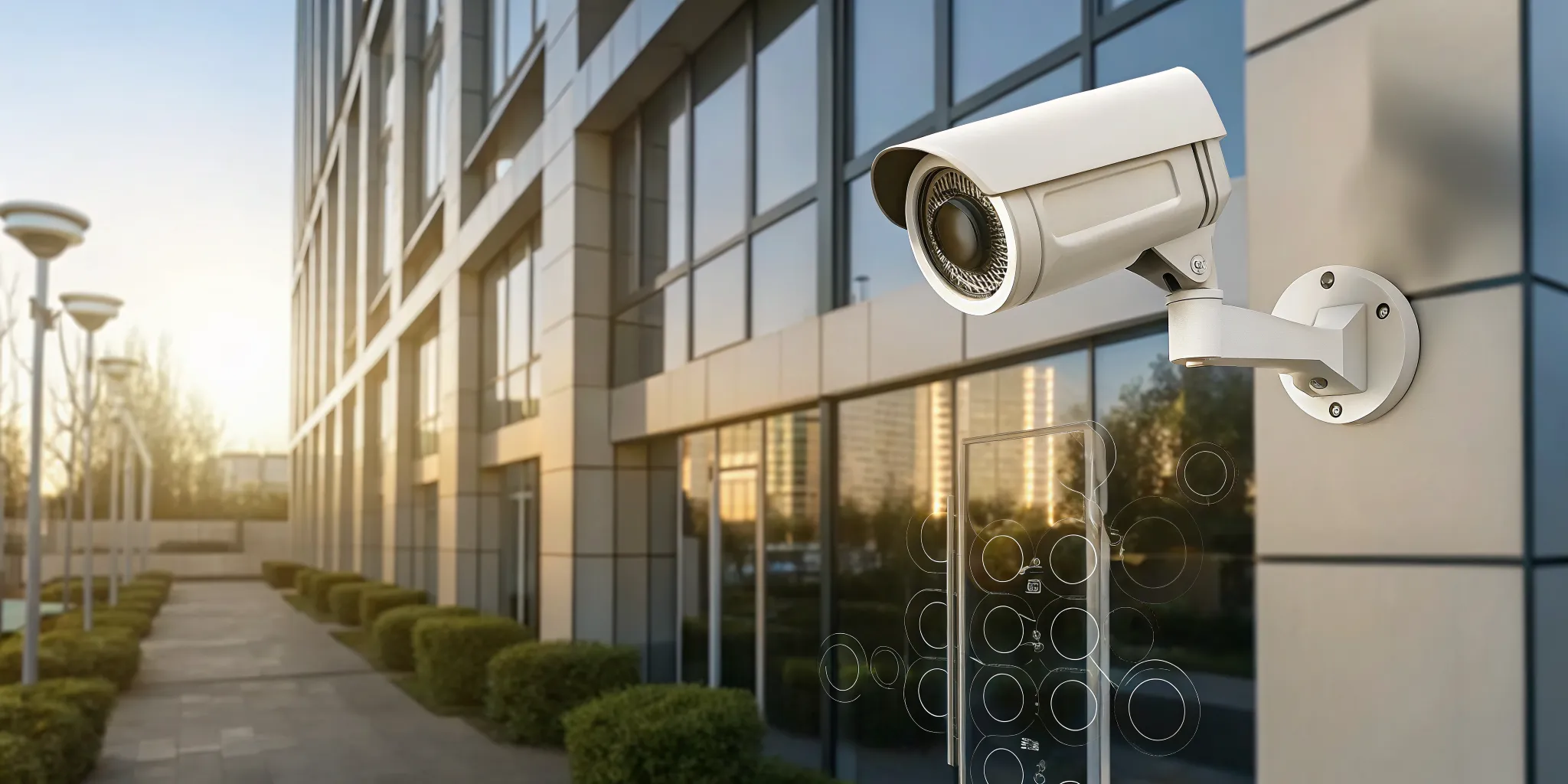
Business property theft often happens because standard security systems react too slowly to stop crimes. Virtual guarding changes this by using live video to stop intruders. This active approach keeps your business safe without the high cost of on-site staff.
How do virtual security guards work is the question at the heart of modern business protection. These systems use AI models to find problems in real-time video and alert remote experts who use audio to speak to intruders. This live talk-down audio bridges the gap between basic alarms and physical guards while tracking movement across many cameras to prevent blind spots. This system provides constant protection that is more stable and costs less than hiring a full team of on-site staff.
While the tech sounds complex, the goal is to keep your site secure. Understanding What Is a Virtual Security Guard? is the first step in learning how this solution helps your business. The path begins with seeing how these systems work.
How Do Virtual Security Guards Work: What Is a Virtual Security Guard?
A virtual security guard is a remote watching service that uses live video and AI to protect sites. Unlike a physical guard who walks a beat, these experts watch your site from a remote work center. They use high-clear cameras and smart tools to spot threats as they happen. This setup allows for 24/7 safety without the high cost of on-site staff. Many firms now use virtual security guard services in Chicago to secure their assets well.
A bridge between alarms and guards
Old alarm systems are slow to act. They only go off after a door is forced open or a glass pane is broken. By then, the crime is already in progress. Virtual guards change this by acting fast. These systems bridge the gap between old alarms and human security through real-time verbal intervention. When a system finds a threat, a remote expert can speak directly to the person on-site. This fast response often stops a crime before any damage occurs.
The main goal is to stop crimes, not just record them. Per industry experts, this path provides real-time verbal intervention that old sensors cannot offer. By using two-way audio, a remote guard can warn a trespasser that they are being watched. Most crooks will flee as soon as they know a live person is watching their every move.
Smart technology and AI alerts
New virtual guarding relies on smart vision tools. These tools watch every camera feed at once to look for signs of trouble. AI models can automatically find objects in live video and send alerts when they find an issue. This tech helps human monitors focus on real threats rather than false alarms like wind or stray pets. The Department of Homeland Security notes that these AI tools help people stay aware of events in real time.
This speed is vital for business sites. An AI system never gets tired and never blinks. It can watch many cameras for hours with the same level of care. When the tool sees a person where they should not be, it flags the event for a human guard. This mix of tech and human skill makes the system much faster than a person watching a wall of screens alone.
The role of the remote guard
While the tech is smart, the human part remains key. When an alert is sent, a trained pro reviews the live video feed. These guards act on alerts triggered by smart person detection tools on your cameras. They can quickly tell if a person is a staff member or a thief. If they see a crime, they can call the police and give live updates. This video check ensures that police treat the call as a priority.
Remote guards also handle daily tasks. They can perform virtual tours of a lot or check that all doors are locked at night. They can even escort staff to their cars via camera to make sure they are safe. This level of care gives owners peace of mind. It ensures that a pro is always looking out for their team and their site.
How Virtual Security Guards Work: A Step-by-Step Breakdown
Virtual security guarding combines smart tech with human skill. It turns your cameras into active tools that stop crime before it starts. This approach uses a clear set of steps to keep your site safe at all times.
Initial detection and AI analysis
The process starts when smart cameras detect motion on your land. Modern AI models automatically identify objects in live video to find strange activity. These tools use person detection to spot intruders while ignoring small animals or wind.
When the system finds a person, it sends a real-time alert. This speed allows for a fast response that manual checks cannot match. By using live security camera monitoring, the system ensures that every threat gets seen the moment it occurs.
Remote guard assessment and intervention
Once the AI flags an event, a live specialist takes over. These trained intervention specialists work from remote centers to review the video feed. They look at the live footage to confirm if the person is a real threat or a staff member.
If the specialist sees an intruder, they act fast. They use two-way audio to speak directly to the person on your site. This “talk-down” alert warns the intruder that they are being watched and that police are on the way. Most criminals flee once they realize a live person is watching them.
- Motion Detection: Cameras with sensors pick up movement in restricted areas after hours.
- AI Classification: The system looks at the video to confirm a human presence and filters out false alarms.
- Alert Trigger: A signal goes to a remote center for a guard to review in real time.
- Live Assessment: A remote guard views the live video feed to judge the level of the threat.
- Verbal Intervention: The guard speaks over site speakers to tell the intruder to leave the area.
- Emergency Dispatch: Guards call the police with video proof to ensure a fast and priority response.
Ongoing site protection and tours
Beyond responding to alerts, virtual guards provide constant care. They perform remote guard tours by checking cameras at set times to ensure all areas are secure. This keeps your site safe without the high cost of an on-site team.
Guards also help with daily tasks like opening and closing escorts. They watch staff enter and leave the site to make sure they are safe. This proactive care builds a full wall of safety around your business day and night.
The Technology Behind Virtual Security Guard Systems
Modern security relies on a mix of smart hardware and software to keep sites safe. To understand how do virtual security guards work, you must look at the tools they use. High-definition IP cameras, motion sensors, and two-way audio systems act as the eyes and ears for remote guards. These parts work together to create a full security net that covers every corner of a site.
Smart Cameras and AI Analytics
Advanced IP cameras capture clear video in any light. Some units offer a full view or can read license plates and faces from far away. These cameras use AI models to find objects and send real-time alerts when they see something strange. By using AI to check for specific patterns, these systems can find threats much faster than a human watching a screen could alone.
This tech lets the system tell the difference between a person, a car, and a stray animal. When the AI finds a person in a restricted area, it flags the event for a live expert. This blend of live security camera monitoring and computer vision ensures that no threat goes unseen. It stops the flood of false alarms that often haunt older systems.
Audio Systems and Cloud Platforms
Two-way audio is a key part of a proactive plan. If a guard sees a trespasser, they can speak directly to them through loud, clear speakers. This verbal warning often stops a crime before it even starts. The guard can tell the intruder they are being watched and that the police are on the way. Most people will leave as soon as they hear a human voice.
All of these tools connect through a cloud-based platform. This setup lets remote guards manage many spots at once from a central ops center. The cloud keeps the video safe and makes it easy to find and review past events. It also allows for human analysts to review the AI work to make sure every alert is real. This layered approach creates a reliable way to protect sites at any hour.
Virtual Security Guards vs. Traditional On-Site Guards: A Cost and Capability Comparison
Picking the right way to protect your Chicago firm depends on your budget and needs. Both virtual and on-site guards offer ways to keep your land safe. But they differ in cost and how they work. You must know these facts to pick the best commercial security solutions for your site. A clear match between your needs and your guard type is key for long-term safety.
Comparing Guard Types and Features
| Feature | Virtual Security Guard | Traditional On-Site Guard |
|---|---|---|
| Cost | Low (up to 90% savings) | High ($180,000+ per year) |
| Coverage | Multi-site and all angles | Single site and line of sight |
| Response Time | Instant live audio alert | Physical travel time to incident |
| Reliability | 24/7 with no breaks or fatigue | Limited by fatigue and human error |
| Scalability | Easy to add new cameras | Hard to find and train new staff |
| Deterrence | AI alerts and talk-down audio | Physical presence and rounds |
Major Cost Savings
The biggest gap between these two paths is the price tag. Human on-site guards can cost a firm over $180,000 each year for a single place. This high cost comes from paying for hourly wages and health perks. You also have to pay for insurance for a full team to cover every shift. These costs add up fast for small or mid-sized firms in the Midwest area.
Virtual guard services are much better for most building bosses who want to save money. These systems are often 50% to 75% less costly than hiring a person to stand at your gate. In some cases, firms can cut their guard costs by 90% while still getting top safety results. This lets you put your funds into other parts of your work while keeping your lot safe.
Saving money does not mean you lose out on quality. In fact, many firms find that virtual tools do a better job than a single person on foot. You can cover more ground without the high price of a large staff. This makes it a smart choice for car lots and big stores that need 24-hour eyes on their goods. It offers a way to grow your safety net without a huge jump in your monthly bill.
Reliability and Site Reach
Many people ask, how do virtual security guards work across large plots of land? Unlike a person who can only see what is right in front of them, a virtual system sees all spots at once. Special AI models help find odd sights in live video and send alerts to experts right away. This tech ensures that no corner of your lot stays in the dark or goes un-checked.
Virtual guards do not get tired and they never take lunch breaks. They can watch many spots from a remote hub with the same focus all night long. This wide reach is vital for large lots like car sales sites or big sheds in Chicago. You get an active team that stops crime before it starts. They use live audio to warn crooks to leave before they can do any harm to your site.
The tech used in these systems is built to last. It works in the cold and rain of the Midwest. A human guard might miss things due to bad weather or dark spots on the land. But HD cameras and smart sensors keep watch in all states. This means your site stays safe even when the weather is at its worst. It is a robust way to shield your assets and your team every day.
Top Benefits of Virtual Guarding for Commercial Properties
Virtual guarding offers clear wins for business owners who need to protect their sites. These systems do more than just record crime. They stop it before it happens. By using smart tools and remote teams, you get a full safety net for your site. This setup works well for many types of buildings, from car lots to large storage hubs.
Constant 24/7 Watch
On-site guards need breaks and shifts. They can get tired, distracted, or sick. A virtual security guard stays active all day and all night. This system never blinks or looks away from the feed. It can monitor many spots at once from a single hub. This makes it a great fit for industrial security camera installation projects. One center can watch your front gate, your warehouse, and your back fence all at the same time.
The systems use AI models to find strange things in live video. This tech helps human teams spot trouble fast. Because the guards are remote, they cannot be bribed or scared by intruders. They stay safe in a high-tech center while they keep your site secure. This ensures your site has a high level of safety that does not rely on one person walking a beat. It provides a constant eye on your assets without any gaps in coverage.
Real Time Voice Alerts
One of the best tools for a virtual guard is live audio. Most security systems only record what happens. They are reactive. Virtual guards take action early. When the AI finds a person after hours, a remote guard gets an alert. These guards often work in TMA 5 Diamond-rated centers to give the best service. They can look at the live video and speak directly to the person on your site. This is a key part of how these systems stop crime before it starts.
This live talk-down can end a threat in seconds. A guard might say, “You are being filmed. Leave the area now.” This is often enough to make a thief run away. It bridges the gap between a basic alarm and a physical guard. You get the power of a human voice without the high cost of an on-site team. It is a smart way to use how live security camera monitoring works to keep your business safe from harm.
Fast Police Response
False alarms are a big problem for police. They take up time and waste city funds. Virtual guards help fix this issue. They provide live video proof for every alert. When a guard calls the police, they can say they see a crime in progress. This leads to a fast response from local teams. They know the call is real because a human has checked it through the camera feed. This proof makes the call a high priority.
This fast response is vital for business sites. Every minute counts when a break-in occurs. With a virtual guard, you don’t wait for a door sensor to trip. You get eyes on the scene the moment a threat is seen. This speed can save thousands of dollars in stolen tools or broken windows. It is an early step that gives you peace of mind and better results from your local police. By cutting out false alarms, you help the police focus on real threats.
Which Industries Benefit Most from Virtual Security Guards?
Many businesses now use remote video to stop crime before it happens. This tech works best for sites with high-value items kept outdoors or in large open spaces. By using AI to spot threats, owners can protect their property without the high cost of on-site staff. Learning how do virtual security guards work in these settings helps managers choose the right tools for their needs. AI tools spot risks in high-traffic spots by checking movement patterns against normal acts. This is vital for hard sites where a human guard might miss a small detail.
InVision Systems serves many types of clients who benefit from this tech, such as:
- Car lots with large outdoor spaces
- Building sites and lumberyards
- Warehouses and trade centers
- Manufacturing plants and factories
- Retail stores and parking lots
Car Dealerships and Retail Spaces
Car lots are often targets for night theft and crime. Dealers like Martin Nissan and Webb Chevy rely on clear video to watch their stock across many acres. Virtual guards can see the whole lot at once. If someone walks onto the property after hours, the system alerts a remote guard. The guard can then speak through a speaker to tell the person to leave. This fast move often stops a crime before a window is broken or a car is stolen. In the Midwest, these systems must work in heavy snow and rain. High-end cameras ensure the guard has a clear view even in bad weather.
Building Sites and Outdoor Storage
Building sites hold tools and metals that are easy for thieves to sell. Lumberyards and outdoor storage lots face similar risks. These sites often lack walls or gates, making them easy to enter. Virtual guards fix this by creating a digital fence. When sensors catch motion, a live guard checks the feed to see if it is a real threat. This is much safer than just recording the theft for later. It gives owners peace of mind that their gear is safe even when the crew is home for the night. Since these sites change fast, the system is easy to move as the work moves.
Manufacturing and Industrial Plants
Large plants and warehouses have many doors and loading docks to watch. Companies like Woodharbor Doors and Hyson USA need a full view of their site to keep assets safe. Professional industrial security camera installation makes this possible. High-tech cameras use AI to find risks in busy areas. This helps teams manage risks in high-traffic zones and ensures only the right people are on site. Warehouses also benefit from watching loading docks to prevent loss or theft during night shifts.
Parking Lots and Rural Properties
Public parking lots and storage units are hubs for crime due to their size and low light. High-quality virtual security guard services in Chicago can watch these areas 24/7 without getting tired or losing focus. For farms and large rural sites, this tech provides a way to watch miles of land from one central point. Instead of driving the edge of the land, a manager can get a phone alert if a gate is opened. This coverage saves more money than hiring a team of human guards to watch a large farm or a multi-acre lot.
Frequently Asked Questions
Are virtual security guards cheaper than on-site guards?
Yes. Virtual guard services cost much less than on-site staff. A 24/7 human guard post can cost over $180,000 each year for one site. In contrast, virtual guarding can cut security costs by up to 90 percent. These systems use remote agents to watch many sites at once. This makes them a great choice for firms that need high quality safety without the high price of a large team on the property.
Can virtual security guards stop theft?
Yes. These systems work to stop crime before it starts. When a camera finds a threat, a remote agent can speak to the person through a speaker. This verbal talk-down often stops theft and damage on the spot. Unlike a standard alarm that only records what happened, virtual guards take action in real time. They can also call the police and share live video to help them respond fast.
Do virtual guards talk to people on the property?
Yes. Remote guards use two-way audio to talk to people at your property. If a guard sees someone in a private area, they can give a loud warning. This shows the person that they are being watched by a live human. They can also help staff or visitors with gates or doors after hours. This mix of live audio and video makes the system much more than just a camera on a wall.
How do virtual security guards handle false alarms?
These systems use smart tools to check for real threats. The tech can tell the difference between a person and a pet or a tree branch. According to the DHS, AI models can find objects in video to spot real risks. This helps reduce false alarms. If the tech finds something odd, a live guard reviews the video. This human check ensures that the police are only called for a true security breach.
Ready to schedule a free security consultation?
Leaving your business at risk with old alarms means you only find out about a crime after the damage is done. Every night you wait gives thieves a new chance to target your site and costs you money. Our Chicago team has spent over twenty years helping local businesses stay safe with custom designs. We know the unique risks of the Midwest and how to build a plan that works for your specific site. By picking live security camera monitoring services now, you gain a team that stops threats in real time. This helps you protect your assets and have peace of mind starting tonight.
Ready to schedule? Call 773-733-0970 to schedule a free security consultation.