
The Guide to Apartment Building Access Control Systems
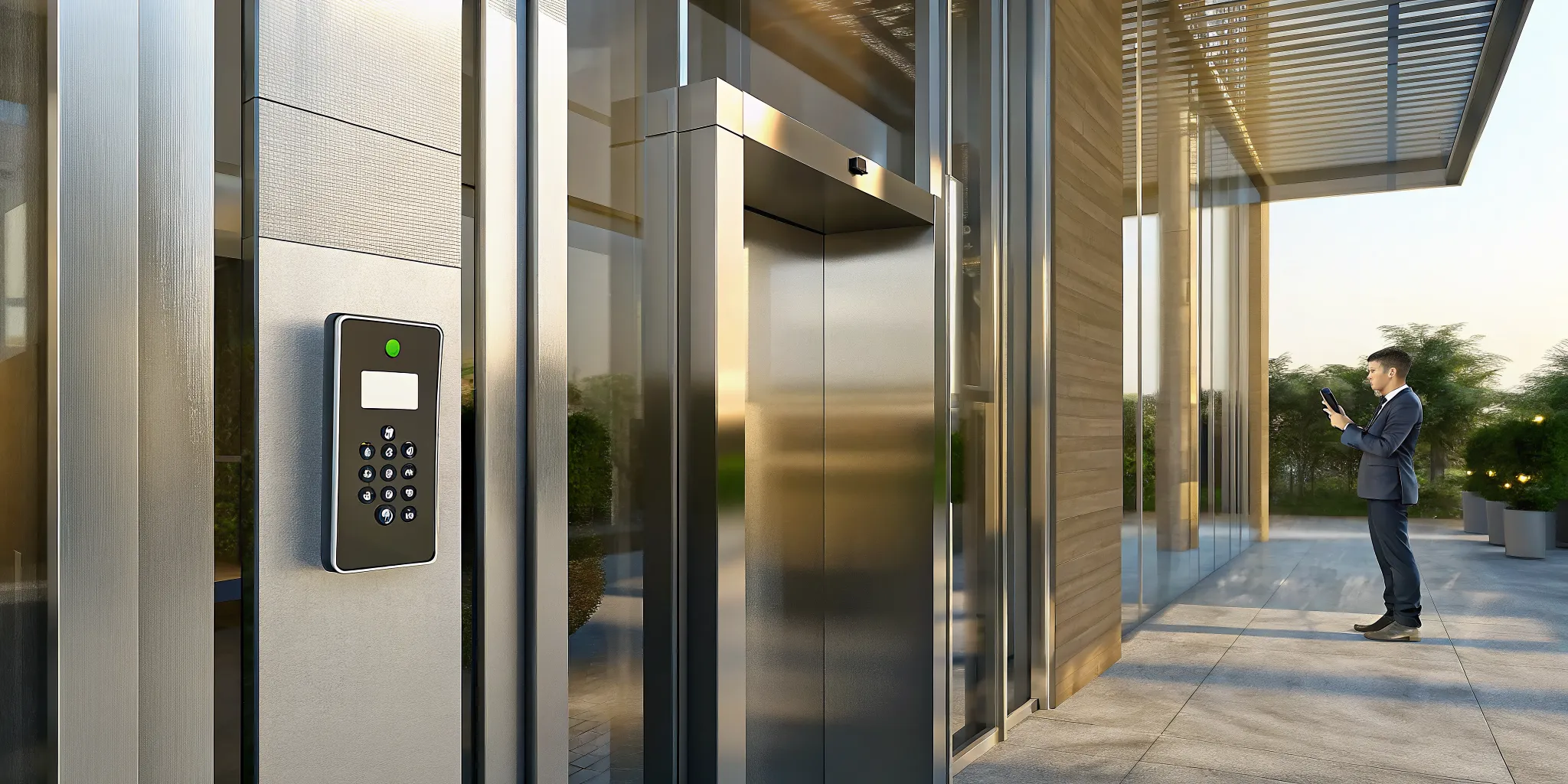
Today’s renters expect more than just four walls and a roof; they want convenience, modern amenities, and a strong sense of security. Outdated buzzers and metal keys don’t just feel old-fashioned, they can make a property feel less secure. Upgrading your building’s security is a powerful way to meet these expectations and stand out in a competitive market. Modern apartment building access control systems, which can include features like video intercoms and mobile phone entry, offer the seamless, tech-forward experience residents desire. This article will explore how the right access control solution not only enhances safety but also becomes a key selling point that attracts and retains high-quality tenants.
Key Takeaways
- Assess Your Property First: Before you start shopping for systems, walk through your building and identify every entry point you need to secure. A clear understanding of your property’s unique layout and needs is the foundation for choosing a solution that truly works.
- Prioritize Smart Management Features: A great access control system does more than just lock doors; it simplifies your job. Look for essential tools like remote management, detailed activity logs, and integration with security cameras to get a complete and convenient security overview.
- Choose a Partner, Not Just a Product: The company installing your system is as important as the technology itself. Select a reliable partner who provides custom design, professional installation, and proactive support to ensure your investment is effective and secure for the long haul.
What Types of Apartment Access Control Systems Are There?
When you think about securing your apartment building, you’re probably picturing more than just a standard lock and key. Modern access control systems offer a variety of ways to manage who comes and goes, each with its own set of benefits. Choosing the right one depends on your building’s specific needs, your residents’ preferences, and your budget. Let’s walk through the most common types so you can get a clear picture of your options.
Key Fob and Key Card Systems
You’ve definitely seen these around. Key fobs and key cards are incredibly common in apartment buildings for a reason. They are simple for residents to use; just a quick tap or swipe opens the door. This makes them a reliable and user-friendly choice for managing access to main entrances, gyms, and other common areas. The main drawback is that these physical tokens can be lost or stolen. When that happens, you not only have a potential security risk but also the administrative task and cost of deactivating the old one and issuing a replacement.
Mobile App-Based Access Control
Imagine your residents using something they already carry everywhere: their smartphone. Mobile app-based systems turn a phone into a digital key using Bluetooth or NFC technology. This is a huge convenience, as most people are less likely to lose their phone than a key fob. For property managers, these systems are a dream. You can grant or revoke access remotely, send temporary digital keys to vendors or guests, and see an activity log, all from a central dashboard. It’s a modern solution that aligns with how people live and work today, offering both convenience and stronger security.
Biometric Access Control Systems
For the highest level of security, biometric systems are the top choice. These systems use unique biological traits, like a fingerprint, facial scan, or even an iris scan, to verify a person’s identity. Because these traits can’t be lost, stolen, or shared like a key card or PIN, they offer unmatched security. This technology eliminates the need for any physical key or device. However, the advanced technology comes with a higher price tag and can sometimes bring up privacy considerations for residents. For these reasons, you’ll most often see biometric systems in luxury apartment buildings or high-security commercial properties.
Video Intercom and Phone Entry Systems
Video intercoms and phone entry systems add a crucial layer of visitor management to your building’s security. These systems allow residents to see and speak with guests at the front door before granting them access. Many modern intercoms connect directly to residents’ smartphones, so they can answer the door and let in a delivery or a friend from anywhere, whether they’re in their apartment or across town. This not only improves security by verifying visitors but also adds a significant amount of convenience that residents truly appreciate.
Keypads and PIN-Based Entry Systems
Keypad systems are a straightforward and often cost-effective way to manage access. Residents and authorized staff simply enter a unique personal identification number (PIN) to unlock a door. They are relatively easy to install and eliminate the problem of lost physical keys. The main security concern with keypads is that codes can be shared with unauthorized people, forgotten, or even guessed. It also becomes difficult to track exactly who is entering the building if a code is compromised. For this reason, they are often best used for lower-security access points or in combination with other security measures.
Key Features to Look for in an Access Control System
When you start looking at different access control systems, the options can feel overwhelming. But the truth is, the best system for your apartment building is the one that has the right features to make life easier and safer for both you and your residents. It’s not about having the most bells and whistles; it’s about choosing smart, practical tools that solve real-world problems. From managing access on the go to keeping a clear record of who comes and goes, certain features are non-negotiable for a modern, secure property. Let’s walk through the key features that will deliver the most value.
Centralized and Remote Management
One of the most significant advantages of a modern access control system is the ability to manage everything from a single, centralized platform. Imagine being able to grant or revoke access for tenants, staff, or vendors from your computer or phone, no matter where you are. This means you no longer need to be on-site to handle lockouts or onboard a new resident. Centralized, remote management saves you time, reduces administrative headaches, and gives you complete control over your building’s security in real time. It’s the kind of convenience that transforms how you manage your property.
Visitor and Vendor Management
A great access control system streamlines how residents welcome guests and receive deliveries. Look for features like a phone entry system or video intercom that allows visitors to call a resident directly from the entrance. The resident can then see who is there and grant them entry with a simple tap on their smartphone. This not only adds a layer of security but also improves the resident experience. It makes managing package deliveries much smoother, preventing missed connections and keeping packages secure until they can be retrieved. This feature shows you value both the security and convenience of your tenants.
Audit Trails and Activity Logs
Knowing who is entering your building and when is fundamental to good security. A system with detailed audit trails and activity logs provides a complete record of every access event. This log shows which credential was used, which door was opened, and the exact time it happened. If a security incident occurs, this information is invaluable for an investigation. Some systems also use unique credentials or PINs to prevent residents from sharing codes, ensuring that the activity log is an accurate reflection of who is actually using the entry points. This accountability gives you and your residents greater peace of mind.
Integration with Security Cameras and Software
Your access control system becomes even more powerful when it works with your other security tools. Integration with security cameras is especially important. When your systems are connected, you can link an access event in the log directly to the corresponding video footage. This allows you to visually verify who entered, confirming that the person using the credential was its rightful owner. This seamless connection between knowing a door was opened and seeing who opened it provides a much clearer and more complete picture of your building’s security, making it easier to resolve any issues that arise.
Scalability and Cloud-Based Flexibility
The security system you choose today should be able to grow with you tomorrow. Whether you manage a single small building or a large, multi-site portfolio, you need a system that is scalable. A flexible, cloud-based system is ideal because it can easily adapt to your needs without requiring expensive on-site hardware overhauls. Cloud services allow you to manage multiple properties from one interface and ensure your software is always up to date with the latest security features. Choosing a scalable solution means you’re making a long-term investment that will continue to serve your property well into the future.
How Do Access Control Systems Improve Apartment Security?
Moving beyond traditional locks and keys is one of the most significant upgrades you can make to your apartment building’s security. Modern access control systems do more than just secure doors; they create a smarter, more responsive, and highly manageable environment. By integrating technology into your building’s entry points, you can offer residents greater peace of mind while simplifying your own day-to-day operations. It’s about shifting from a reactive security posture to a proactive one that protects residents, property, and your investment.
Eliminate the Risks of Traditional Keys
Think about the last time a resident lost their key. The process of changing the lock is not only expensive and time-consuming but also a major security headache. Traditional metal keys can be easily copied, lost, or stolen, creating vulnerabilities you might not even be aware of. An access control system eliminates these risks entirely. By using key cards, fobs, or even a resident’s smartphone as a credential, you can grant or revoke access instantly from a central dashboard. If a key fob is lost, you can simply deactivate it, rendering it useless. This means no more costly re-keying and no more worrying about who might have a copy of a key.
Control Access Across Multiple Entry Points
Your building’s security extends far beyond the front door. You have lobbies, gyms, mailrooms, pools, and parking garages that all need to be secured. An access control system gives you granular control over every one of these spaces. You can set specific permissions for different residents, staff, and vendors, ensuring people only go where they are authorized. For example, you can program the system to restrict access to the pool after 10 p.m. or ensure only maintenance staff can enter utility closets. This level of detailed management protects your commercial property and its valuable amenities from misuse or unauthorized entry, adding another layer of safety and order.
Get Real-Time Alerts and Monitoring
A major benefit of modern access control is the ability to see what’s happening in real-time. When integrated with phone entry systems, residents can see and speak to visitors before granting them entry, even if they aren’t home. This prevents unknown individuals from simply being buzzed into the building. For property managers, the system can send instant alerts for security events like a door being propped open or multiple failed entry attempts at a sensitive location. When you pair access control with security cameras, you get a complete picture, with video records of every entry event, which is invaluable for investigating any incidents that may occur.
Streamline Property Management Tasks
An access control system can be a property manager’s best friend, automating and simplifying countless administrative tasks. Imagine being able to grant temporary access to a plumber or an electrician from your computer or phone, without ever leaving your office. You can add new residents to the system and remove departing ones in just a few clicks, ensuring a smooth and secure turnover process. The system also maintains a detailed log of all entry events, which is useful for tracking vendor hours or reviewing activity after an incident. This remote management capability frees you from the constraints of being physically on-site, saving you time, reducing operational friction, and allowing you to manage your property more efficiently.
Common Misconceptions About Access Control
When you’re looking into access control, it’s easy to get tangled up in conflicting information. These systems have come a long way, but so have the myths surrounding them. Let’s clear the air and debunk a few common misconceptions so you can make a confident, informed decision for your property.
Myth: All Systems Work the Same Way
It’s a common assumption that one access control system is just like any other, but that couldn’t be further from the truth. The reality is that modern solutions are incredibly diverse. Some systems combine a phone entry intercom with mobile-based unlocking, while others stick to traditional key cards or fobs. The best system for your building depends entirely on your specific needs, your residents’ preferences, and your property’s layout. Thinking of them as a one-size-fits-all solution is the first mistake. Instead, view them as a customizable toolset designed to solve your unique security challenges, from the front door to the fitness center.
Myth: Higher Cost Always Means Better Security
It’s easy to fall into the trap of thinking that the most expensive system must be the most secure. While high-end options like biometric scanners offer top-tier security, they aren’t always the right or necessary choice for every apartment building. These systems can be costly and sometimes bring up privacy concerns among residents. The goal isn’t to buy the most expensive technology; it’s to find the most effective solution for your specific environment and budget. A well-designed access control system that uses key fobs or mobile credentials can provide excellent security without the premium price tag of biometrics. It’s all about finding that perfect balance of function, cost, and resident comfort.
Myth: Installation Is a One-Time Event
Many people view security system installation as a one-and-done project, but that’s a short-sighted approach. Technology is constantly evolving, and your security needs may change over time. A great access control system is not a static fixture; it’s a scalable solution that can grow with your property. Modern systems can often be installed using a building’s existing wiring, which makes it easier and more affordable to upgrade from an older setup. The initial installation is just the beginning. Ongoing maintenance and support are crucial for keeping your system running smoothly and ensuring it remains effective as new security challenges and technologies emerge.
Myth: Access Control Is Only About Security
While the primary function of an access control system is to enhance security, its benefits don’t stop there. These systems are powerful management tools that can streamline daily operations for property managers. Beyond just keeping unauthorized individuals out, access control helps manage who can enter specific areas and when. This is perfect for controlling access to amenities like pools, gyms, or parking garages. It also creates a detailed audit trail, so you always know who accessed which area and at what time. This capability is invaluable for resolving disputes, monitoring vendor activity, and simplifying overall property management.
How to Choose the Right Access Control System
With so many options on the market, selecting the right access control system can feel overwhelming. The key is to find a solution that fits your building’s unique needs, budget, and long-term goals. Instead of getting distracted by flashy features, focus on the practical factors that will determine whether a system is a true asset to your property. By asking the right questions upfront, you can confidently choose a system that keeps your residents safe and simplifies your management tasks for years to come.
Assess Your Building’s Size and Entry Points
Before you even look at specific systems, take a walk around your property. A small building with a single main entrance has very different needs than a large complex with multiple buildings, a parking garage, a gym, and a pool. Make a list of every door and entry point you need to secure. This includes main lobbies, individual apartment doors, mailrooms, elevators, and service entrances. Understanding the scope of your project is the first step. A simple system might work for a few doors, but a larger property will need a more advanced access control solution to manage everything effectively.
Set a Realistic Budget
Next, it’s time to talk numbers. How much can you realistically invest in a new security system? Your budget will guide your choices, so it’s important to be clear about it from the start. Remember to consider both the initial installation costs and any ongoing expenses. These can include monthly software subscriptions, cloud storage fees, or maintenance plans. While it’s tempting to choose the least expensive option, think of your access control system as a long-term investment in your property’s value and your residents’ safety. InVision Systems also offers financing options to help make your security goals more attainable.
Prioritize Scalability and Future-Proofing
Your building isn’t static, and your security system shouldn’t be either. Choose a flexible system that can grow and change with your property. What happens if you decide to add a new amenity space or want to incorporate new technology down the road? A scalable system allows you to easily add more doors, users, or features without having to start from scratch. Opting for cloud-based services is a great way to ensure your system remains current and can adapt to future needs, giving you a solution that lasts.
Check for Integration Capabilities
The most effective security solutions don’t work in isolation. Think about how an access control system could connect with other technology in your building. Do you want it to work with your property management software to automatically grant or revoke access when residents move in or out? Integrating your system with security cameras is another powerful move, as it allows you to have a video record of every entry event. These integrations create a more cohesive and powerful security network that simplifies management and gives you greater peace of mind.
Ensure Regulatory Compliance and Data Privacy
As a property manager, you have a responsibility to protect your residents’ data. Modern access control systems collect information, so it’s crucial to choose a provider that prioritizes data privacy and security. Look for systems that use strong encryption and comply with recognized standards like SOC 2. You also need to make sure the hardware and installation meet all local building and fire codes, especially those related to emergency exits. Partnering with an expert in residential security ensures your system is not only effective but also fully compliant, protecting both your residents and your liability.
What to Look for in an Access Control Partner
Choosing the right access control system is only half the battle; the partner you select for installation and support is just as critical. A great partner acts as a long-term security advisor, ensuring your system not only works on day one but continues to meet your needs for years to come. They will guide you through the entire process, from initial design to ongoing maintenance. Finding a company that understands your property’s unique challenges and has the expertise to solve them is the key to a successful security upgrade.
Customized System Design
Every apartment building has a unique layout, resident demographic, and set of security concerns. A one-size-fits-all approach simply doesn’t work. Your ideal partner will start with a thorough assessment of your property to design a system tailored to your specific needs. They should ask questions about your entry points, visitor traffic, and management routines. Look for a provider that offers flexible and customized solutions that can grow with your building. As your property evolves, your security system should be able to adapt without requiring a complete overhaul, ensuring a smart, long-term investment.
Professional Installation and Onboarding
A seamless installation process minimizes disruption for you and your residents. An experienced partner knows how to work efficiently, often using a building’s existing wiring to make upgrades faster and more affordable. Beyond the physical setup, a great partner ensures everyone knows how to use the new system. This includes providing clear instructions and training for property managers on how to manage credentials and monitor activity. They should also offer straightforward onboarding materials for residents to ensure a smooth transition and immediate adoption, making the professional installation a positive experience for everyone involved.
Ongoing Maintenance and Support
An access control system is not a “set it and forget it” tool. Your relationship with your security partner should continue long after installation. Look for a company that offers proactive maintenance and responsive support. You need a team you can call when a key fob is lost or a technical issue arises. The best partners provide tools that allow you to manage the system remotely from a computer or phone, giving you the power to add or remove residents and grant temporary access to vendors from anywhere. This level of support keeps your building secure and your daily operations running smoothly.
A Proven Track Record
When it comes to security, experience matters. You want a partner with a demonstrated history of successful installations in properties similar to yours. Don’t hesitate to ask for case studies, read online reviews, and check their client retention rate. A company that is trusted by other property managers and has experience with multi-tenant buildings of all sizes is more likely to understand your challenges. A proven track record is your best indicator of a partner’s reliability, expertise, and commitment to quality service, giving you confidence that your property is in good hands.
What Does Professional Installation Involve?
Choosing the right access control system is a big step, but how it’s installed is just as important. Professional installation isn’t just about mounting hardware on a wall; it’s a comprehensive process that ensures your system is perfectly tailored to your building’s needs and runs smoothly for years to come. A professional partner handles everything from the initial blueprint to ongoing support, making sure every detail is covered. This multi-stage approach guarantees that your investment not only enhances security but also provides a seamless experience for both residents and property managers. Let’s walk through what you can expect from a professional installation.
Site Assessment and System Design
The process always begins with a detailed site assessment. A security expert will visit your property to get a complete picture of your building’s layout, identifying every entry point, from the front door and parking garage to amenity spaces and service entrances. This isn’t a quick walkthrough; it’s an in-depth evaluation to understand traffic flow and specific security vulnerabilities. A comprehensive site assessment allows for a custom system design that meets the unique needs of your building and its residents. This foundational step ensures your access control system is designed for maximum effectiveness from day one.
Installation, Configuration, and Resident Onboarding
Once the design is approved, the installation phase begins. Certified technicians will install all the physical hardware, like card readers, control panels, and intercoms, ensuring clean and secure placement. They will then configure the software, setting up user permissions and integrating the system with any other security features you have. As the Electronic Security Association notes, proper installation and configuration are critical for the system to function as intended. Just as important is resident onboarding. Your installer should provide clear training and materials to help residents understand and comfortably use the new system, ensuring a smooth and positive transition for everyone.
Proactive Maintenance and Support
A professional partnership doesn’t end after installation. Ongoing maintenance and support are essential for the long-term performance and reliability of your access control system. Regular check-ups can identify and fix small issues before they turn into major problems, keeping your building secure without interruption. Proactive maintenance not only extends the life of your equipment but also ensures it remains effective against evolving security threats. Having a dedicated support plan means that if any issues do arise, you have an expert team ready to provide fast and effective solutions, giving you and your residents lasting peace of mind.
Related Articles
- Access Control Chicago, Access Control Installation | InVision Systems
- Access Control Oak Park | Oak Park IL | InVision Systems
- How to Choose Business Security Systems with Cameras
Frequently Asked Questions
What’s the most practical first step if I’m considering a new system? The best first step is to have a security professional conduct a site assessment. Before you can choose the right hardware, you need a clear understanding of your property’s specific needs. A professional will walk the site with you to identify all entry points, understand how residents and visitors move through the building, and discuss your main security goals. This initial consultation creates the blueprint for a system that truly fits your building, rather than trying to make a generic solution work.
Are mobile app systems really secure? What happens if a resident loses their phone? This is a common and very valid question. Mobile access systems are designed with high levels of security, often using encryption to protect the digital key. In many ways, they are more secure than physical keys. If a resident loses their phone, you can remotely and instantly revoke its access credentials from the management dashboard. This is much faster and more secure than the process of changing locks and reissuing keys after a physical fob is lost.
How much will installation disrupt my residents? A professional installation team works to keep disruptions to a minimum. The process is carefully planned to be as efficient as possible, and experienced installers can often use your building’s existing wiring, which speeds things up considerably. A good partner will also provide clear communication and a schedule for the work, so you and your residents know exactly what to expect. The goal is a smooth transition, not a major headache.
Can I add access control to just the main entrance, or does it have to be the whole building? You can absolutely start small. One of the best things about modern access control systems is their scalability. It’s very common for properties to begin by securing the most critical entry points, like the front door and mailroom. You can then easily expand the system to include other areas like a fitness center, pool, or parking garage as your needs and budget evolve over time.
How does an access control system help with package deliveries? An access control system is a fantastic tool for managing the constant flow of package deliveries. Features like a video intercom or phone entry system allow residents to see and speak with a delivery driver and grant them temporary access to a secure lobby or package room, all from their smartphone. This prevents packages from being left in unsecured areas and reduces the risk of theft, which is a huge benefit for residents.