
A Guide to Apartment Building Access Control Systems
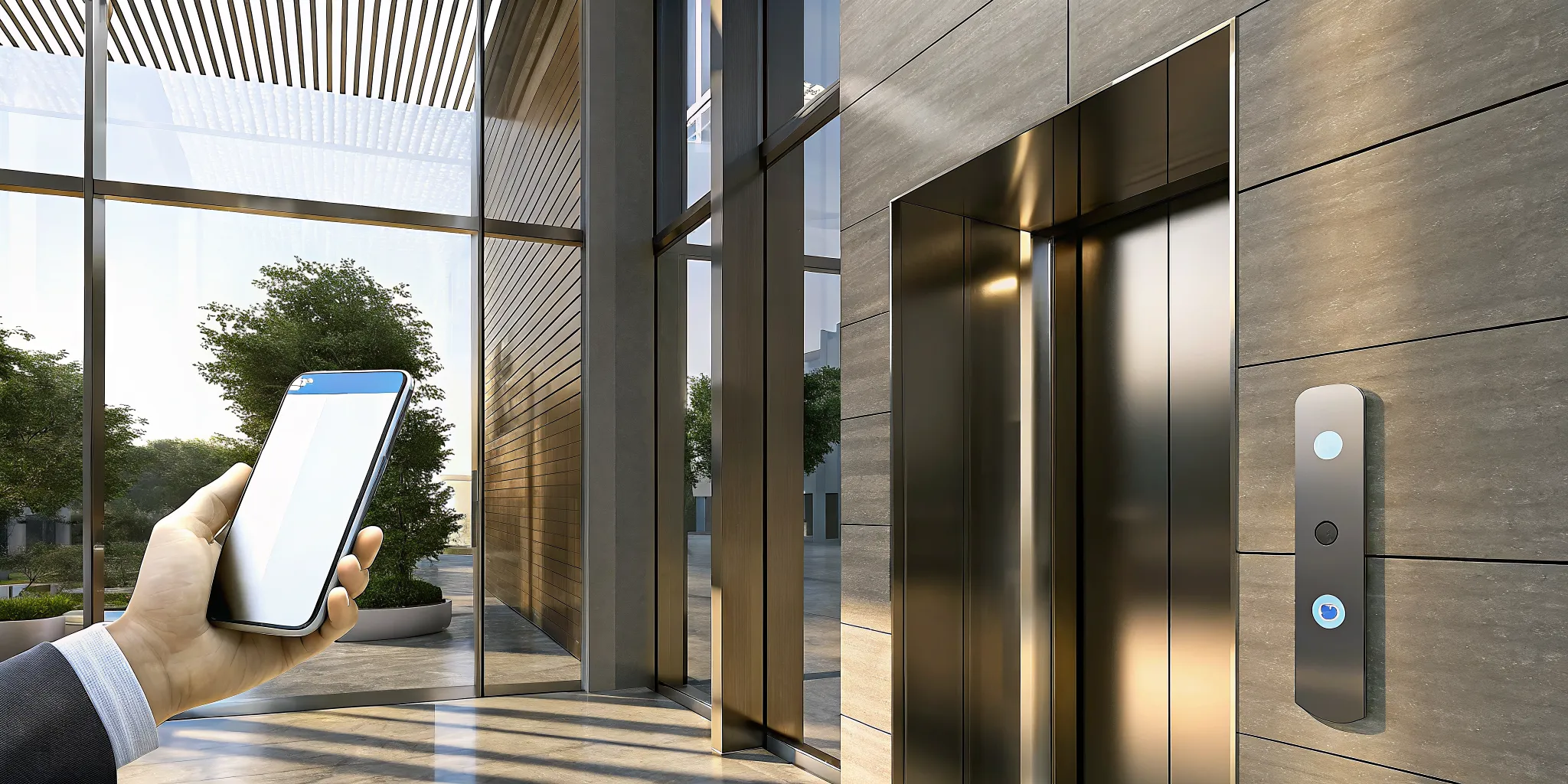
A security upgrade is more than just an operational expense; it’s a strategic investment in your property’s value. While the primary goal is safety, the right system also enhances your building’s appeal and can directly impact your bottom line. Prospective tenants are looking for modern amenities, and a secure, convenient entry system is high on their list. By implementing modern apartment building access control systems, you can justify higher rental rates and improve resident retention. This guide will show you how the right security solution not only protects your assets but also functions as a feature that attracts high-quality tenants and strengthens your property’s financial performance.
Key Takeaways
- Match the System to Your Property: There isn’t a one-size-fits-all solution, so evaluate your building’s size, your budget, and your residents’ needs first. This initial assessment will help you decide between options like mobile apps, key cards, or video entry systems without overspending on unnecessary features.
- Look for Benefits Beyond Security: A great access control system also improves daily life for everyone. It gives property managers powerful tools like remote management and entry logs, while residents gain valuable conveniences such as easy visitor access and secure package delivery solutions.
- Always Opt for Professional Installation: Installing an access control system is not a DIY job. A professional ensures your system is wired correctly, integrated with other security like cameras, and free of vulnerabilities, which protects your investment and provides access to crucial ongoing support.
What Are Your Access Control Options?
Choosing the right access control system feels like a big decision, because it is. It’s about finding the perfect balance between security, convenience for your residents, and your budget. The good news is that there are more options available than ever before, so you can find a solution that fits your building’s unique needs. Instead of just picking the newest or most expensive system, it’s helpful to understand what each type of system does well and where it might fall short.
Think of this as your guide to the main players in the access control world. We’ll walk through everything from traditional key cards to futuristic biometric scanners. As you read, think about your property’s layout, who lives there, and the day-to-day challenges you want to solve, like managing package deliveries or keeping track of who comes and goes. A clear understanding of your options is the first step toward implementing a commercial security solution that keeps your property safe and your residents happy. Let’s get started.
Key Fob and Key Card Systems
Key fob and key card systems are a familiar sight in many apartment buildings. Residents simply tap a small plastic fob or a card against a reader to unlock a door. They are generally reliable and straightforward for residents to use without much of a learning curve.
However, their biggest drawback is a human one: fobs and cards get lost. When a key card is lost or stolen, it creates an immediate security risk until it’s deactivated. Replacing them also comes with a cost, both for the physical card and the administrative time it takes to manage the system. While they are a step up from traditional keys, you’ll need a solid plan for managing and replacing them.
Mobile Access Systems
Mobile access systems turn a resident’s smartphone into their key. Using technology like Bluetooth or NFC, residents can unlock doors with an app. This is incredibly convenient since most people always have their phones with them, eliminating the need to carry a separate fob or card.
From a security standpoint, phones are less likely to be misplaced than a key fob. Plus, they are usually password or biometrically protected themselves, adding another layer of security. These systems also allow residents to grant temporary access to visitors or delivery services remotely, which is a huge perk. Modern access control solutions often feature mobile capabilities as a central component because of the flexibility and security they offer.
Intercom and Video Entry Systems
Intercoms with video capabilities let residents see and speak to visitors before buzzing them in. This is a fantastic feature for managing guest access and verifying deliveries. It gives residents peace of mind, knowing they can confirm who is at the door before granting entry.
Many modern phone entry systems connect directly to residents’ smartphones. This means they can answer a call from the front door whether they’re on their couch or on vacation, adding a layer of convenience that residents truly appreciate. It transforms a simple intercom into a powerful tool for remote property management and security.
Biometric Access Systems
Biometric systems use unique biological traits for identification, such as fingerprints, facial recognition, or iris scans. These systems offer an extremely high level of security because they verify a person, not just a credential they are holding. You can’t lose or steal a fingerprint, which eliminates the risks associated with key cards or fobs.
While the technology is impressive, it comes with a higher price tag, making it a more common feature in luxury properties. There can also be privacy concerns among residents that need to be addressed upfront. For buildings where top-tier security is the absolute priority and budget is less of a constraint, biometrics are a powerful and effective option.
Keypad and PIN-Based Systems
Keypad entry systems are one of the most basic forms of electronic access control. Residents and staff enter a numeric code to unlock a door. They are relatively inexpensive and simple to install, which makes them an attractive option for properties on a tight budget.
However, the simplicity of keypads is also their weakness. PIN codes can be easily shared with unauthorized individuals, forgotten, or even guessed. It’s also difficult to track who is entering the building when multiple people are using the same code. Without the ability to assign unique codes and monitor their use, keypad systems lack the detailed audit trails that are crucial for true security.
How Access Control Improves Security and Resident Happiness
An access control system does more than just lock and unlock doors. It creates a secure, convenient, and modern living environment that benefits everyone, from property managers to long-term residents. When you move beyond traditional keys, you gain powerful tools to manage your property effectively while giving residents the seamless experience they expect. A well-designed system is a fundamental part of a comprehensive commercial security strategy, showing that you prioritize both safety and quality of life. This investment not only protects your building but also fosters a happier, more stable community.
By improving day-to-day operations and resident satisfaction, modern access control becomes a feature that helps your property stand out. It’s the kind of upgrade that directly addresses the needs of modern renters, who value both security and technology that simplifies their lives. Instead of fumbling for keys, they can use a fob, a card, or even their smartphone to get inside. For property managers, it means less time spent on lockouts and rekeying, and more time focusing on the bigger picture. It’s a true win-win that enhances the appeal and functionality of any apartment building.
Log and Monitor Entries in Real-Time
One of the biggest security advantages of a modern access control system is the ability to see exactly who is coming and going. Unlike traditional keys, which offer no record of use, electronic systems create a detailed log of every entry attempt. This means you can see which credential was used, at which door, and at what time. This real-time monitoring provides incredible peace of mind for both you and your residents. If an incident occurs, you have a clear digital trail to review, which can be invaluable for resolving issues quickly. It also allows you to set specific permissions, ensuring people can only access areas they are authorized to enter.
Manage Access from Anywhere
Remember the days of changing locks every time a tenant moved out? Modern access control makes that process obsolete. As a property manager, you can instantly issue, modify, or revoke access credentials from a centralized, web-based dashboard. Whether a resident loses their key fob or a new one moves in, you can update their access rights in seconds without ever touching a physical lock. This remote management capability saves you an enormous amount of time and money. It gives you complete control over your building’s security from anywhere, whether you’re on-site or managing the property from another location, often through secure cloud services.
Streamline Visitor and Delivery Access
A constant source of frustration for residents is managing visitors and package deliveries. Modern phone entry systems solve this problem beautifully. Residents can grant access to guests, dog walkers, or delivery drivers directly from their smartphones, even when they aren’t home. They can see who is at the door via video and speak with them before buzzing them in. This simple feature eliminates the hassle of missed packages and the need to run downstairs to let someone in. It’s a small touch of convenience that makes a huge difference in a resident’s daily life, making them feel more connected and in control of their home.
Increase Property Value and Resident Retention
Happy residents are more likely to renew their leases, and a top-tier access control system is a powerful tool for retention. Amenities that improve security and convenience are highly sought after, and studies show residents are willing to pay more for them. Features like video intercoms and mobile access aren’t just perks; they are signals that you are invested in providing a premium living experience. By upgrading your building’s security, you make your property more attractive to prospective tenants and give current residents a compelling reason to stay. This ultimately contributes to higher occupancy rates, increased rental income, and a stronger overall property value.
Wired vs. Wireless: What’s the Difference?
When you start looking at access control systems, one of the first big decisions you’ll face is whether to go with a wired or wireless setup. Think of it like your internet connection at home: a wired Ethernet connection is plugged directly into your router for a stable link, while Wi-Fi lets you connect from anywhere in the house. Both get you online, but they work in fundamentally different ways, each with its own set of strengths for securing a property.
Choosing between wired and wireless isn’t about picking the “best” technology, because the right answer truly depends on your building’s specific needs, layout, and budget. A wired system connects every component, like card readers and door locks, with physical cables that run back to a central control panel. This creates a self-contained, private network that operates independently of your building’s internet. A wireless system, on the other hand, uses radio signals, like Wi-Fi or Bluetooth, to communicate between devices. This often connects to the internet, allowing for more flexible, cloud-based management. Understanding the core differences in how they operate is the first step to figuring out which solution will give you, your staff, and your residents the most peace of mind.
The Benefits and Drawbacks of Wired Systems
Wired access control systems are the traditional workhorses of building security, and for good reason. Their biggest advantage is reliability. Because every component is physically connected, the system isn’t dependent on Wi-Fi strength or internet service. This creates an incredibly stable and secure network that’s not vulnerable to wireless hacking or signal interference. You get direct control over the entire infrastructure since it’s all housed on-site.
However, that rock-solid stability comes with a few trade-offs. Installation is typically more involved and can be more expensive upfront, as it requires running cables through walls and ceilings to each entry point. You’ll also need a dedicated, secure space for the on-site servers and control panels. This makes wired access control an excellent choice for new construction or major renovations where wiring can be easily integrated.
The Benefits and Drawbacks of Wireless Systems
Wireless systems offer a level of flexibility and convenience that can be a game-changer for many properties, especially existing buildings where running new cables is difficult or costly. Installation is much faster and less disruptive. Since these systems often use cloud services, you can manage access for your entire property remotely from a web browser or smartphone app. This means you can grant or revoke access, check entry logs, and respond to issues from anywhere.
The main consideration for wireless systems is their reliance on a stable network connection. If your building’s internet goes down, it could affect the system’s functionality, although many systems have offline backups for this exact scenario. While modern wireless security is very strong, it’s still important to ensure your network is properly secured to protect against potential online threats.
Must-Have Features for Your Access Control System
Choosing an access control system isn’t just about picking new hardware; it’s about investing in a long-term solution for your property’s security and operational flow. The right system will feel like a natural extension of your building, making life easier for both you and your residents. As you compare options, focus on features that provide flexibility, integration, and ease of use. A system that checks all these boxes will not only secure your property but also adapt to its changing needs over time, proving its value for years to come.
Does It Scale with Your Property?
Think about where your property will be in five or ten years. Are you planning to expand, renovate, or add more amenities? Your access control system should be able to grow with you. A scalable system allows you to easily add more doors, users, and even new buildings to your network without having to start from scratch. Choosing a solution that can adapt to your future plans is a smart financial move that prevents you from being locked into a system that no longer fits your needs. This forward-thinking approach ensures your initial investment continues to pay off as your property evolves.
Can It Integrate with Your Current Security?
Your security measures are most effective when they work in harmony. A standalone access control system is a missed opportunity for creating a truly comprehensive security network. Look for a system that integrates seamlessly with your other security components, like your security cameras and alarm systems. When your access control and video surveillance are connected, you can visually verify every entry event. For instance, a door being opened can automatically trigger a nearby camera to record, giving you a clear and complete picture of who is entering your building and when. This creates a powerful, unified system for protecting your property.
Is There Cloud-Based and Remote Management?
Imagine updating a resident’s access permissions or letting a vendor in for a repair while you’re miles away from the property. With cloud-based management, that convenience is a reality. These systems allow you to manage your entire access control network from any internet-connected device, whether it’s a laptop, tablet, or smartphone. You can grant or revoke credentials, view entry logs, and respond to issues in real time without needing to be on-site. This level of remote control offers incredible flexibility for busy property managers and ensures you can always keep your building secure. InVision’s cloud services can provide the backbone for this kind of modern management.
Does It Offer Clear Audit Trails and Reports?
Knowing who went where and when is a cornerstone of good building security. A quality access control system should provide a detailed audit trail that logs every single access attempt, both successful and failed. These time-stamped reports are essential for accountability, allowing you to quickly investigate any incidents or security concerns. You can easily review entry patterns, confirm a resident’s presence, or check on vendor activity. This detailed documentation not only helps you resolve problems but also acts as a strong deterrent, discouraging unauthorized individuals from attempting to gain access in the first place.
What Are the Backup and Fail-Safe Options?
What happens to your building’s security during a power outage or if the internet goes down? A reliable access control system must have a plan for these situations. Look for systems with built-in backup and fail-safe features. This can include battery backups to keep readers and locks operational or fail-secure mechanisms that ensure doors remain locked even without power. For high-priority areas like mechanical rooms or offices with sensitive information, you’ll want to ensure the system defaults to a secure state. Planning for these potential disruptions is critical for maintaining uninterrupted security for your residents and property.
Is It Easy for Residents and Staff to Use?
The most technologically advanced system is useless if no one can figure out how to use it. The best access control solutions are intuitive for everyone, from residents and their guests to your property management staff. For residents, this could mean simple mobile access using their smartphones or easy-to-use key fobs. For your team, the management software should be straightforward, making it simple to add new users or adjust permissions. A user-friendly system reduces frustration, minimizes support calls, and leads to a better living experience, which ultimately helps with resident retention.
How to Choose the Right System for Your Building
Picking the right access control system feels like a big decision, because it is. You’re balancing the security of your property, your budget, and the daily experience of your residents. There isn’t a single “best” system, only the one that’s best for your specific building. To find that perfect fit, you need to look at a few key factors. By thinking through your building’s unique characteristics, your financial plan, and what your residents truly need, you can confidently select a system that protects your property and keeps everyone happy. Let’s walk through what you should consider.
Consider Your Building’s Size and Layout
The physical nature of your property is the first thing to evaluate. A small, single-entry building might only need a simple system, while a large, multi-unit complex requires something more advanced to manage different access points like parking garages, fitness centers, and main lobbies. Think about the number of doors you need to secure and the overall layout. Do you have multiple buildings on one property? This might influence whether a wired or wireless system is more practical. The goal is to find a solution that provides comprehensive coverage without being overly complex for your specific needs. A tailored commercial security plan will account for these unique variables from the start.
Factor in Your Budget and Total Cost
Let’s talk about money. Before you get too far, you need to ask: how much can you spend? The cost of access control systems can vary widely. Basic keypad or key card systems might run from a few hundred to a couple of thousand dollars. More advanced setups with features like biometric scanners, integrated cameras, and mobile apps can cost several thousand. It’s also important to think beyond the initial hardware. Your total investment will include installation fees and any ongoing costs for cloud storage or maintenance plans. Understanding the full financial picture helps you make a sustainable choice. Many providers offer financing options to make these essential security upgrades more manageable for your budget.
Think About Your Residents’ Needs
A great access control system works for your residents, not against them. Consider your community’s demographic. Are your residents generally tech-savvy and would they appreciate the convenience of mobile access? Or would they prefer the simplicity of a traditional key card? A system that is intuitive and easy to use will improve resident satisfaction and can even become a selling point for attracting new tenants. Beyond convenience, these systems give residents peace of mind. Knowing that entries are logged and that management can control access helps create a safer living environment. The right access control solution enhances both security and the overall resident experience.
Debunking Common Myths About Access Control
When you start looking into access control, you’ll find a lot of information, and some of it can be misleading. It’s easy to get overwhelmed by the options and the opinions floating around. Let’s clear up a few common myths so you can make a confident and informed decision for your apartment building. Understanding the reality behind these systems is the first step toward a more secure and convenient property for you and your residents.
Myth: All Systems Are Created Equal
It’s a common misconception that one access control system is just like any other. The truth is, these systems vary widely in function and complexity. Some are simple intercoms for door entry, while others are sophisticated solutions that use key fobs, mobile apps, or even biometrics to manage access. The right system for your building depends entirely on your specific needs. You’ll want to think about how many doors need to be secured and what entry methods will be most convenient for your residents. A truly effective access control solution is one that is customized to your property’s unique layout and your tenants’ lifestyle.
Myth: A Higher Price Tag Means Higher Quality
While it’s tempting to think that the most expensive option is always the best, that’s not the case with access control. The “best” system isn’t the one with the highest price but the one that fits your building’s needs and budget. An advanced system with biometric scanners and integrated cameras might be perfect for a large, high-end complex, but it could be overkill for a smaller building. It’s also important to look beyond the initial price tag and consider the total cost of ownership. This includes ongoing expenses for maintenance, software updates, and monitoring. We offer flexible financing options because we believe in finding a solution that provides long-term value, not just a high upfront cost.
Myth: Physical Keys Are a Thing of the Past
Keyless entry is definitely trending, and for good reason. Studies show that a majority of renters want the convenience of smart locks, allowing them to use a phone, keycard, or PIN to enter their homes. These systems also make it easy to grant temporary access to guests or service providers remotely. However, this doesn’t mean physical credentials are gone for good. Many of the most effective systems today are hybrids, combining modern phone entry systems with reliable key fobs or cards. This approach offers the best of both worlds, providing tech-savvy convenience while ensuring everyone, regardless of their comfort with technology, has a simple way to get in.
Myth: Installation Is a Simple DIY Project
You might be handy, but installing an access control system is a job best left to the professionals. A DIY installation can easily lead to security gaps, system malfunctions, or even damage to your property. Professional installers have the expertise to handle complex wiring, ensure the system is integrated correctly with your other security features like burglar alarms, and make sure everything is up to code. A professional will also know how to create a hybrid system that blends new technology with your existing equipment, saving you money without compromising security. Proper installation is the foundation of a reliable security system, ensuring it works correctly from day one and for years to come.
Why You Should Opt for Professional Installation
While the idea of a DIY project can be tempting, installing an apartment access control system isn’t like assembling a piece of furniture. These systems are complex networks that form the backbone of your building’s security. A single mistake during installation can create vulnerabilities, lead to system failures, and ultimately put your residents and property at risk.
Opting for a professional installation ensures the job is done right from the start. Experts not only handle the technical complexities but also provide the strategic insight needed to design a system that truly fits your property. From choosing the right hardware to ensuring every component communicates flawlessly, a professional touch makes all the difference in creating a secure and reliable environment for everyone.
The Hidden Dangers of DIY Installation
Modern access control systems are more than just electronic locks. They often combine door entry intercoms with various ways for residents to get in, like key fobs, mobile apps, or even biometrics. A DIY installation can quickly become a tangled mess of incorrect wiring, incompatible components, and improper configuration. This can lead to frequent malfunctions, leaving your building either inaccessible or wide open to security breaches.
An improperly installed system can also create false security, giving you and your residents a dangerous impression that the property is protected when it’s not. Professionals understand the nuances of placing sensors, running low-voltage wiring, and integrating the system with other security features like security cameras. Skipping this expertise can result in costly damage to your property and a system that fails when you need it most.
What to Expect from a Professional Install
When you work with a professional, the process begins with a thorough assessment of your property. An expert will evaluate your building’s size, layout, and unique entry points to recommend a solution that fits your specific needs and budget. They’ll help you choose a flexible system that can grow with your building, whether you manage a small complex or a large luxury high-rise. This ensures your investment serves you well into the future.
During the installation, trained technicians handle everything from mounting hardware to configuring the software. They ensure the system is installed correctly, meets all local codes, and is optimized for performance. You can expect a clean and efficient process with minimal disruption to your residents. After setup, they’ll walk you and your staff through how to use the system, ensuring everyone feels confident managing day-to-day access. This level of customized service is key to a successful security upgrade.
The Importance of Ongoing Support and Maintenance
An access control system is not a “set it and forget it” solution. Technology evolves, software needs updates, and hardware can experience wear and tear. One of the biggest advantages of professional installation is the access to ongoing support and maintenance. If a resident’s key fob stops working or you encounter a software glitch, you have a reliable expert to call for help. This prevents small issues from turning into major security headaches.
Many modern systems are cloud-based, which often means automatic software updates. However, you still need a plan for who will service the hardware and provide technical support. A professional partner like InVision Systems offers maintenance plans and responsive support to keep your system running smoothly. This long-term relationship provides invaluable peace of mind, knowing your property’s security is always in capable hands. You can explore financing options to make this comprehensive security more accessible.
What’s Next in Apartment Access Control?
The world of apartment security is moving far beyond traditional keys and simple fobs. As technology evolves, so do the expectations of residents for convenience and safety. The future of apartment access control is about creating a seamless, integrated, and highly secure living environment. These advancements aren’t just flashy gadgets; they are practical solutions that make life easier for property managers and provide genuine peace of mind for residents.
From using your smartphone as a key to systems that intelligently manage package deliveries, the next wave of access control is here. These technologies focus on centralizing management, strengthening security protocols, and integrating with other smart building features to create a cohesive ecosystem. As you think about upgrading your property, understanding these trends is key to making a future-proof investment. Exploring modern access control options means you can offer the security and convenience that today’s renters are looking for.
Digital Keys on Smartphones
Imagine your residents never having to worry about losing a key or a fob again. With mobile access, their smartphone becomes their key. Using Bluetooth or NFC technology, residents can unlock doors with a simple tap of their phone. This technology also allows them to grant temporary access to guests or service providers remotely, which adds a huge layer of convenience. It’s often more secure, too. People are far less likely to misplace their phones than a key fob, and phones are typically protected with their own security features like PINs or facial recognition. This shift toward digital keys is a major step forward in modernizing phone entry systems.
Integrated Smart Lockers for Packages
The explosion of online shopping has created a major logistical challenge for apartment buildings: package management. Integrated smart lockers are an elegant solution. These systems provide a secure drop-off point for couriers, who are given temporary access to leave packages. Residents receive an instant notification on their phone with a unique code to retrieve their delivery. This not only prevents package theft but also frees up building staff from having to manage deliveries. When combined with strategically placed security cameras, smart lockers create a secure and fully auditable chain of custody for every package that enters your building.
Smarter Security with AI and Biometrics
For properties looking for the highest level of security, biometric access control is the new frontier. These systems use unique biological markers, like fingerprints or facial scans, to verify a person’s identity. This eliminates the risk of stolen keys or shared access codes entirely. While the technology is powerful, it’s important to weigh the benefits against the costs and potential privacy concerns for residents. Currently, biometric systems are most often found in luxury buildings or used to secure sensitive areas like server rooms or administrative offices. They represent the peak of personalized commercial security and show what’s possible at the cutting edge.
Seamless Smart Home Integration
An access control system is most powerful when it doesn’t stand alone. The latest systems are designed to integrate seamlessly with other smart building technologies. For example, you can connect your access control with property management software to automatically revoke access when a resident moves out. More importantly, integrating access control with your video surveillance system creates a powerful security tool. This allows you to link every entry event to a video clip, giving you a clear and searchable record of who entered your property and when. Managing this data through cloud services makes it easy to review footage and manage access from anywhere.
Related Articles
- Access Control Chicago, Access Control Installation | InVision Systems | Security Systems Chicago IL
- Access Control Oak Park | Oak Park IL | InVision Systems
- Phone Entry in Chicago, IL | InVision Systems | Security Systems Chicago IL
- Access Control Bensenville | Bensenville IL | InVision Systems
Frequently Asked Questions
How do I balance my budget with getting the features I actually need? The key is to start by identifying your biggest pain points. Are you spending too much time and money on rekeying locks, or is managing package deliveries your main headache? Focus on a system that solves those core problems first. A simple, reliable system that secures your main entry points is often a smarter investment than a pricey one with features you won’t use. A professional can help you assess your property to find a solution that provides the best value, and many providers offer financing to make the upgrade more manageable.
What if some of my residents aren’t comfortable with new technology like mobile apps? This is a very common and valid concern. The great news is that you don’t have to choose just one entry method. Many of the best systems today are hybrids, meaning they support multiple types of credentials. You can offer convenient mobile access for your tech-savvy residents while also providing traditional key fobs or cards for those who prefer something simpler. This flexible approach ensures everyone feels comfortable and can access their home easily.
Can I integrate a new access control system with my existing security cameras? In many cases, yes. A good access control system should be able to work with other security components, and integrating with your existing cameras is a smart way to create a more powerful security network. When the systems are connected, an entry event (like a door opening) can trigger a nearby camera to record, giving you a clear video log of who is coming and going. A professional installer can assess your current setup to confirm compatibility and make sure everything works together smoothly.
What happens if the power or internet goes out? Will my residents be locked out? A professionally installed system is designed with these situations in mind, so your residents should not be locked out. Most systems include battery backups that keep the locks and readers operational during a power outage. For systems that rely on an internet connection, many have offline capabilities that allow credentials stored locally on the reader to continue working even if the network is down. This ensures your residents can always get in and your building remains secure.
How do I figure out which system is right for my specific building? The best first step is to get a professional assessment of your property. An expert can walk through your building, identify your unique security needs, and discuss your goals and budget. They will consider factors like your building’s layout, the number of doors you need to secure, and what would be most convenient for your residents. This consultation helps you move past the guesswork and get a clear recommendation for a system that truly fits your property.