
Apartment Entry System Guide for Property Managers
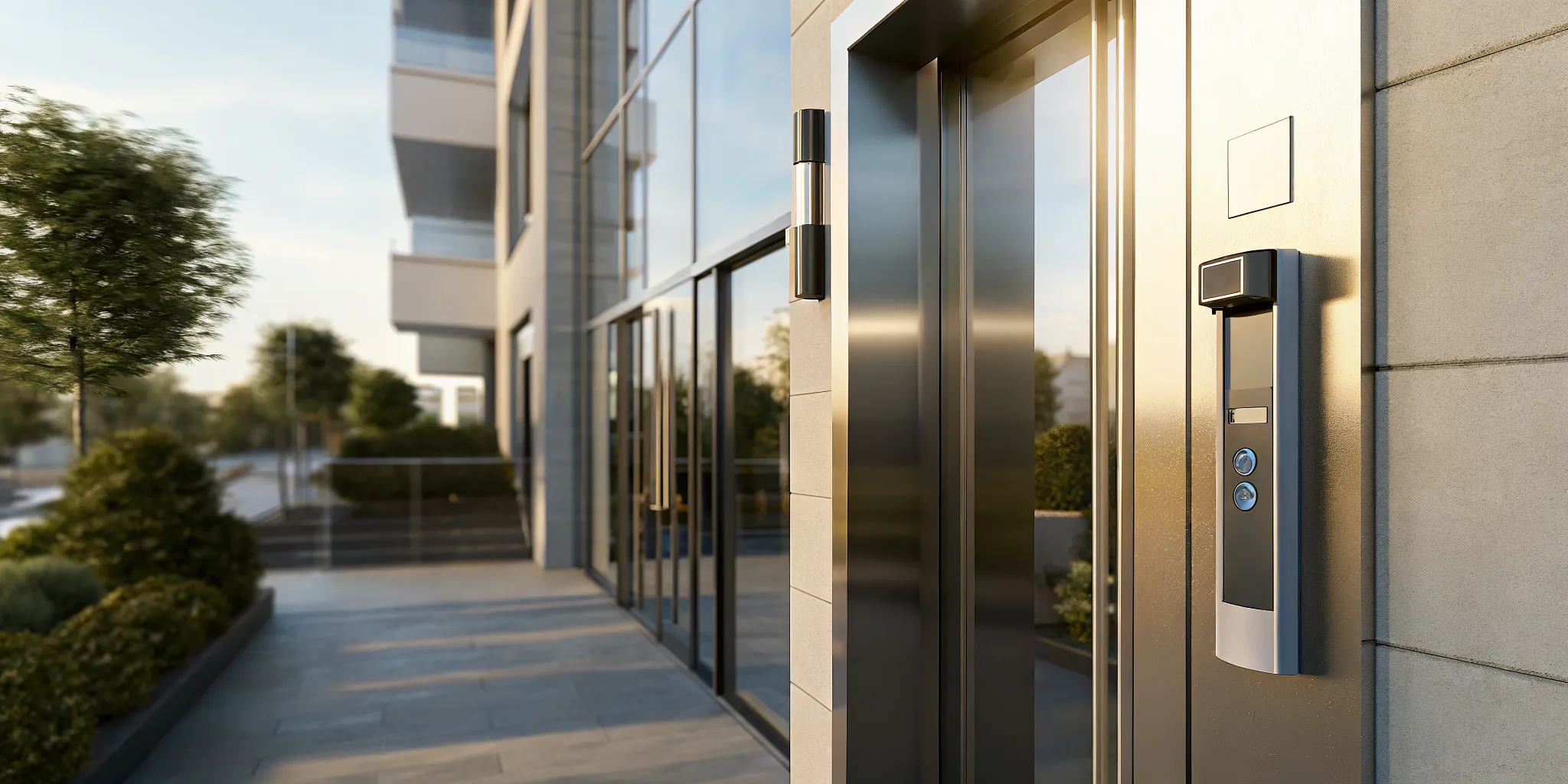
Tenant safety is the priority for anyone overseeing a large residential building in the Chicago area. Finding the right tools to manage access can prevent major security risks. Professional solutions offer the peace of mind that DIY options cannot provide.
An apartment entry system is a professional security tool that manages how tenants and guests enter a multi-unit building by controlling access at every main point. Experts state that security in residential buildings is a primary concern for property management to ensure safety and keep unauthorized people out of your building. Modern systems often integrate with intercoms to help you manage visitors, replacing old buzzers with flexible cloud tools that improve life for everyone on your property. These setups let you update tenant lists, monitor logs, reduce crime, and increase property value while making your job as a manager much easier and more efficient. Choosing a professional system ensures that your residents stay safe while providing the long-term reliability that your multi-family building needs to thrive.
Choosing the right security setup is a big task, and you need to understand how these tools work to make the best choice. To find the best fit, you first need to ask what is an apartment entry system? The path begins with
What is an apartment entry system?
An apartment entry system is a safety tool that manages who can enter a multi-unit building. It acts as a gatekeeper for the main doors or gates of a property. These tools are key safety layers that help property managers control access points in a safe way. By securing these spots, a building can better protect its people and assets. Properly secured entry points add much to the full safety of a residential site.
These systems come in many forms, but they all share the same goal. They keep the building locked to the public while allowing guests to come inside. In a city like Chicago, where safety is a top concern, an apartment entry system is a standard part of any well-run property. It provides a way for visitors to reach out to residents without having to enter the building first. This helps prevent uninvited people from wandering the halls.
Property managers often find that these systems improve the value of their sites. A modern system can make a building look more professional to new tenants. It also gives current residents peace of mind knowing that the front door is always secure. This balance of ease and safety is what makes these tools so useful for large housing blocks.
How the visitor entry process works
The main job of these systems is to handle visitor flow. When a guest arrives at the front door, they use an entry box to find a resident in the directory. They then place a call through the system. Modern apartment entry systems often use intercoms to help with visitor handling by allowing clear talk between both people. This talk can be through audio or even a live video feed.
Once the resident answers the call, they check who is at the door. If they use a telephone entry system, this call often goes to the resident’s mobile phone or landline. If the resident wants to let the guest in, they press a specific key on their phone pad. This signal tells the entry system to unlock the door or open the gate. This type of clear talk is vital for a building to work well and stay safe.
Entry systems versus resident access control
It is helpful to know the difference between an entry system and resident access control. An entry system is mainly for people who do not live in the building. This includes friends, family, and delivery drivers. It focuses on the link between the visitor and the resident to grant entry. It is a vital part of an apartment entry system installation for any large building.
In contrast, resident access control is for the people who live there. Tenants use tools like key fobs, plastic cards, or mobile apps to get through the door. While these two systems often work together, they serve different roles. The entry system manages the greeting for guests, while access control lets tenants move freely. Using both together creates a strong safety plan for the entire property.
Safety in residential buildings is a primary concern for property care to keep tenants safe. By using a full entry plan, managers can reduce the risk of people getting in without a reason. This keeps the focus on the comfort and well-being of the people who call the building home. These systems are not just about locks, but about creating a safe place for everyone inside.
Types of apartment entry systems compared
Picking the right apartment entry system is a big job for any property manager. These tools help control who enters the building to keep people safe. Security in residential buildings is a main concern for property management to make sure there is tenant safety and peace of mind. Every building has different needs based on its size and how many people live there.
High-rise buildings face unique security problems that need strong access control tools. You must think about how guests will call tenants and how staff will move through the site. A good system makes life easier for everyone. It also helps to cut the risk of crime or visitors who should not be there.
Traditional telephone and hardwired systems
Telephone entry systems are a common choice for many older buildings. These systems use a phone line or cell link to call a tenant when a guest comes to the door. The tenant can then press a button on their phone to open the gate or door. While they are easy to set up, they do not show video to see who is there. This can be a security gap if tenants let in people they do not know.
Hardwired audio and video systems provide a steady system. They need wires to run from the front door to every unit in the building. This makes the signal clear and strong. But, the cost to set up apartment entry system installation can be high. This is because of the work needed to run wires through thick walls and between floors.
Cloud-based and mobile intercom solutions
Modern modern apartment entry systems often use the cloud. These systems do not need wires in every unit. Instead, they use a fast web link to send video to an app on a tenant’s phone. This allows people to see and talk to guests from anywhere. You could be at work or on a trip and still let someone into the building.
Property managers like these systems because they are easy to update. You can add or remove users from a computer or a tablet. This saves time and money compared to old systems that need manual changes. It also helps to keep the building safe by making sure only current tenants have access. If a tenant moves out, you can turn off their access with one click.
Integrated keyless access control
Many systems now include keyless entry options for tenants. Instead of a metal key, people use a fob, a card, or a code. These tools make it easy to manage lost keys. You can just turn off a lost fob in the software rather than changing all the locks. This is a big win for busy managers who want to save on upkeep costs.
Safe entry spots help a lot with the total security of multifamily buildings. Using a mix of these tools often gives the best results. A pro can help you find the best fit for your specific property and budget. They can show you how to blend video, audio, and keyless tools into one simple plan that works for your tenants.
| System Type | Hardware Needs | Key Benefit | Primary Drawback |
|---|---|---|---|
| Telephone Entry | Central door panel | Low cost to buy | No video feed |
| Hardwired Video | Unit in each home | High reliability | High install cost |
| Cloud Intercom | Web connection | App-based access | Needs steady internet |
| Keyless Access | Fobs or keypads | Easy to manage | Fobs can be lost |
Which features matter most to property managers?
Choosing an apartment entry system needs careful thought about building size and visitor flow. Property managers must ensure that security in residential buildings stays a top goal while keeping daily work smooth. The right system acts as a shield that guards entry points without creating hurdles for residents or staff.
Assessing building size and layout
The scale of your property tells you what tech you need to manage access. Small buildings may only need a simple intercom, but high-rise sites face unique security challenges that need strong solutions. It is vital to count all doors and gates before you buy any hardware. Systems that work for a ten-unit building will often fail to meet the needs of a site with hundreds of units.
You should also look at your current wiring to see what is already there. Many old Chicago buildings have copper wires that may not support new video tools. In these cases, a cloud-based phone entry system might be the best path. This way helps you avoid the high cost of new wires for every unit while still giving you robust access control across the site.
Visitor management and resident experience
A top apartment entry system must handle a high volume of guests and delivery crews. Modern tools often link with intercoms to make visitor management easier and more secure. Residents want to see who is at the door from their phone or a wall screen. This level of control builds trust and keeps your tenants happy over the long term.
Work for your team is another big factor to weigh. You need a system that lets you add or remove users fast through a web portal or app. If it takes hours to update a resident list, your building security will suffer. Reliable tools are key to making sure the system works well for both the office staff and the people living in the building.
Reliability and future growth
When you pick your security tools, think about how they will last over the next five to ten years. A good system should be easy to scale as your needs change or your property grows. You do not want to buy gear that becomes old in just a few years. Look for brands that offer regular soft-ware updates and parts that are easy to find when you need a fix.
Finally, think about how the entry tool links with other security gear. A system that talks to your cameras and alarm panels gives you a full view of building safety. This link helps you find risks early and move fast to any issues. By picking a flexible and strong system now, you save money and time on future work.
How to plan an apartment entry system upgrade
Planning a new modern apartment entry systems project takes more than just picking out gear. Property bosses must think about how people move through the hall every day. A good plan helps you avoid high costs and keeps your tenants happy. Building safety is a top goal for teams that want to keep tenants safe from new threats.
Start with a site review
You should walk through your building to find every spot where people enter. Check the front door, the side gate, and the back hall. Look for old locks or broken frames that might need work. You also need to check the local area. In the Greater Midwest, weather can wear down gear fast. An expert review helps you find these weak spots before you buy a new system. It is best to do this in the day when you can see all the details.
Think about how your staff works right now. Do they spend too much time giving out keys? Do they need to let in drop-off drivers or guests? Knowing these small facts will guide your choice. It ensures your new apartment entry system meets the real needs of your building. This step saves you from buying parts you do not need while filling the gaps you have. You should also think about the size of your building and how many units you need to serve.
Follow a clear plan
A step-by-step path makes a big project feel easy. Use these seven steps to guide your upgrade from start to finish.
- Conduct a site survey. Walk the property to find all access points and check the state of current doors and frames.
- List your needs. Decide if you want video, voice only, or app-based entry for your tenants and guests.
- Check the wiring. See if your old wires can support new digital gear or if you need to run new lines.
- Choose access methods. Pick between key fobs, PIN codes, or phone apps based on what your tenants find easiest to use.
- Schedule the install. Work with an expert to set a time that causes the least trouble for the people living there.
- Train your team. Show your staff how to add new users, delete old fobs, and check the logs for safety.
- Create an upkeep plan. Set dates for regular checks to make sure the gear works well in all seasons.
Focus on the setup
The success of your plan often depends on how well you set it up. Choosing an apartment entry system installation team with local skill is key. They know how to work around common tasks in Chicago and nearby towns. Expert setup means fewer errors and a system that lasts longer. It also means your staff can get back to their normal work faster. A local team can also help if you need a quick fix later on. This adds a layer of trust that big firms often lack.
Once the gear is in place, do not stop there. You must test every door and every code to be sure they work. Make sure the app works on all types of phones used by your staff and tenants. A smooth launch builds trust with your tenants. It shows them that you care about their safety and their time. Full testing is the final part of a great plan that leads to long-term success.
Installation and ongoing management considerations
Planning for a new apartment entry system takes more than just picking out parts. You have to look at how people move through the building. A professional apartment entry system installation starts with a full look at all entry points. Every door and gate must link to one hub. This setup helps you track who comes in. It keeps the wrong people out.
Working with an expert helps you find the right fit for your site. They can spot issues like thick walls that block signals or old doors that need new hardware. A good plan also looks at how to grow the system later if you add more units. Thinking ahead saves you time and money. It ensures your security is strong from the first day.
Wiring and network needs
Modern tools rely on strong data links to stay active. You may need new wires or a boost to your current web speed to keep things fast. High-rise buildings often face security challenges that need strong tools. Most systems today use the cloud. This means you need a stable link that will not drop when the weather is bad.
Power is another key part of the setup. You should have a backup power source in case the lights go out. This keeps the doors locked and the intercoms live during a storm. Door locks also need the right parts to last through thousands of uses. Using heavy-duty gear reduces the need for fixes. It keeps the building safe for everyone.
- Check signal strength near all entry points.
- Set up backup batteries for core hardware.
- Use weather-proof locks for all outside gates.
Staff and resident onboarding
Once the system is in, you have to think about the people who use it. Your team needs clear steps to manage access for new and old tenants. Using modern apartment entry systems makes it easy to add or remove users in seconds. This speed is key. It stops the wrong people from getting inside the property.
Teaching residents is just as important as the tech. They need simple guides on how to use their phones or fobs to get in. If the system is too hard, people might prop doors open to save time. This is a risk. Clear training for both staff and tenants keeps the system working as it should. It builds trust and ensures everyone feels safe in their own homes.
Long-term care and support
Regular care is the only way to keep a system working for years. Security in apartment buildings is a primary concern for property management. You should schedule yearly checks to test door sensors and software speed. Small tweaks can prevent big failures. These failures might leave a door stuck open. Keeping the software up to date also protects the system from new threats.
Support from a trusted partner helps you handle issues fast. If an entry point fails, you need a team that can fix it right away. Proactive care reduces downtime and keeps your tenants happy. A well-managed system shows residents that you value their safety. It makes the property a better place to live and work for every person there.
Choosing an apartment entry system partner
Picking the right team to set up your apartment entry system is a big step. This system is the main way you keep your building safe. Property managers must find a partner who knows more than just the tech. You need a team that knows how people live and how to keep doors locked tight. Security in residential buildings is a primary concern for property managers to ensure tenant safety.
Start with a full site check
A good partner will not just give you a price over the phone. They should visit your building for a free on-site check. This visit helps them see where wires need to go and which doors need more care. Every building has its own shape and needs. High-rise buildings face unique security tasks that require robust access control. A pro team will look at your gates, front doors, and side paths to find the best spots for gear.
Ask the team if they handle the full design. You want a system that fits your exact needs. This means looking at the number of units and how people enter the building. A custom plan ensures that the tech works well for years. It also helps you stay on budget by not buying things you do not need. Look for a team that has worked on many types of buildings in the past.
Focus on custom design and local care
Local care is key for apartment systems. If a gate breaks at night, you need help fast. InVision Systems has served the Chicago area for over 23 years. Being close means we can get to your site quickly. A local partner knows the area and the exact risks your building might face. Our team works within a 50-mile area of the city to keep things running. This local focus ensures that you are never left waiting for days.
You should also check the team’s past work. Look for a high rate of client trust. This shows that people like their work for a long time. InVision Systems keeps over 95% of its clients. This trust comes from doing good work and being there when things go wrong. A long past in the field means the team has seen every kind of door and wiring problem. They will have the skills to fix issues that newer teams might miss.
Demand expert wiring and support
The gear is only as good as the wires behind it. Good wiring ensures the system does not fail when it rains or gets cold. Make sure your partner knows about structured wiring and door hardware. They should also give you full notes on how the system works. These guides help you manage the system without calling for help for every small change. Clear records make it easy to fix things if a part breaks down.
Teaching your staff is another must. Your team needs to know how to add new tenants or change codes. A good partner will sit down with you to show you how to use the gear. They will also offer help to fix bugs or update the software. This keeps your access control fresh and safe for all people in the building. Solid support means your building stays secure day and night.
Frequently Asked Questions
What are the common types of apartment entry systems?
Common systems include cloud-based intercoms, telephone entry systems, and keyless proximity readers. According to Aiphone, these systems serve as essential security layers for multifamily buildings by controlling access points. Property managers can choose between hardwired systems or wireless solutions that use mobile apps. The best choice depends on your building size and the number of units you manage. Modern systems often combine video and audio to help check visitors before letting them in.
What are the benefits of cloud-based apartment entry systems?
Cloud-based systems offer remote management and fast updates to tenant directories. This improves efficiency because you do not need to be on-site to change resident information. These systems often work with mobile apps, allowing tenants to open doors using their phones. According to Forbel, picking the right system needs careful planning for your specific goals. Cloud solutions also provide automatic backups and protect your data from hardware crashes or local natural disasters.
How do telephone entry systems for apartments function?
These systems use a tenant’s own phone line or mobile device to manage building access. When a visitor arrives, they use the entry box to call the resident. The resident then speaks with the guest and presses a specific key, like number nine, to open the door remotely. TekTone notes that reliable communication is vital for these systems to operate well. They remove the need for expensive in-unit hardware and simplify the entry process for both visitors and staff.
Are there ADA compliance requirements for apartment entry systems?
Yes, entry systems must meet specific ADA standards to ensure all residents can use them. This includes installing hardware at reachable heights and providing visual or tactile feedback. For example, systems often need call indicators and Braille labels for users with visual impairments. Ensuring your building is accessible helps protect you from legal risks and improves the experience for all tenants. You should talk with a professional installer to verify that your system meets all local and federal rules.
Ready to Upgrade Your Apartment Entry System?
Old or broken entry systems can fail at any time, which leaves your property open to risks and makes your tenants feel unsafe and worried. By acting now to fix these gaps, you can stop small issues from turning into big, costly repairs that disrupt your modern apartment entry systems. Starting this process today will help you find the best plan to keep your site safe and your tenants happy for many years to come.
Ready to request a customized apartment entry system consultation? Please visit our contact page now to request a customized apartment entry system consultation. Our team is here and ready to help you secure your property and protect your tenants today.