
How to Choose the Right Commercial Security Cameras
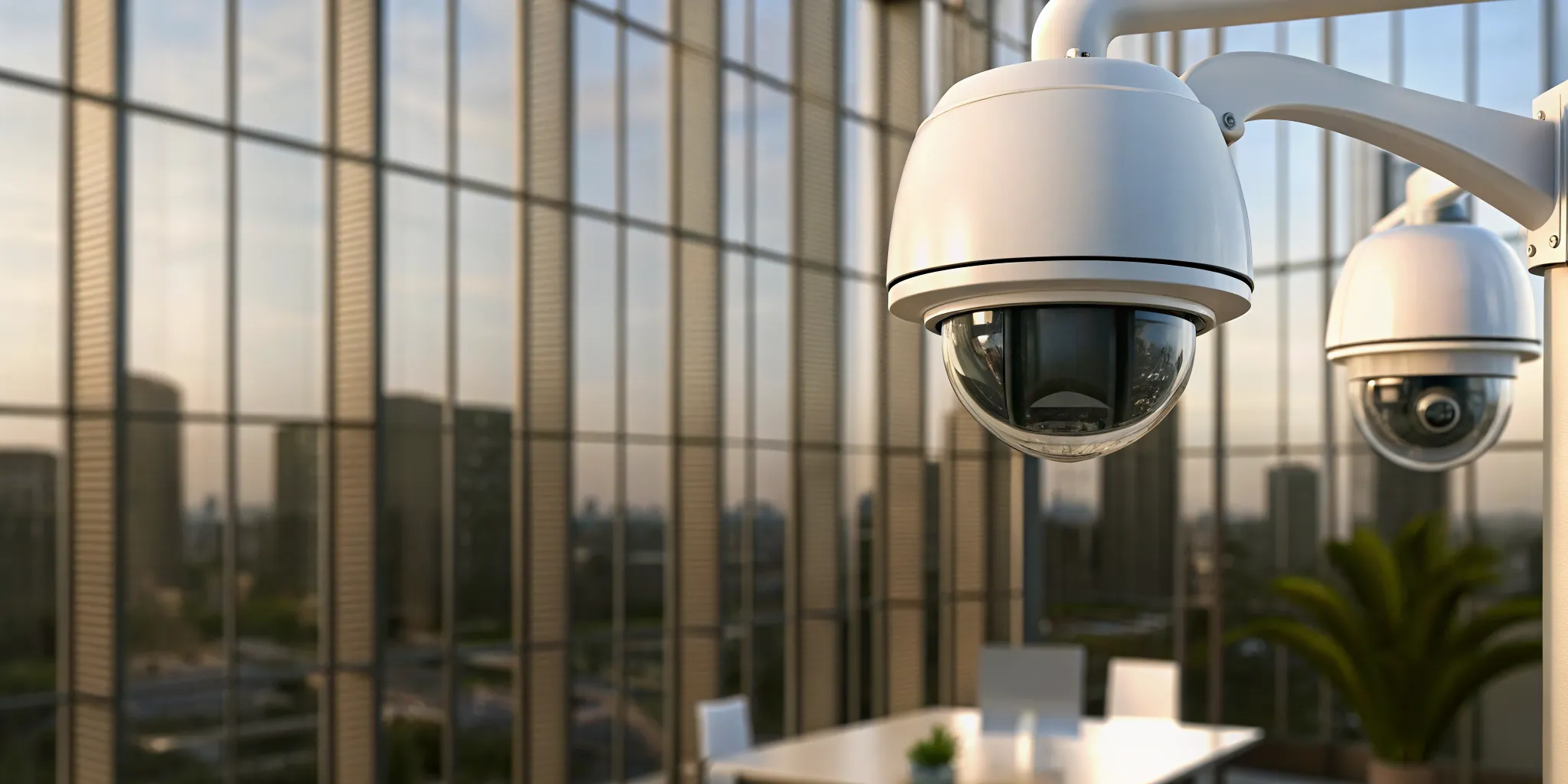
In the past, security cameras were mostly used to review footage after something bad had already happened. Today’s technology allows for a much more proactive approach. Modern commercial security cameras can do more than just record; they can analyze events in real time. With features like smart motion detection, line-crossing alerts, and virtual guarding, your system can help you prevent an incident before it escalates. This turns your surveillance from a passive recording tool into an active security measure. We’ll explain how these advanced capabilities work and how they can provide a higher level of protection for your employees, assets, and property.
Key Takeaways
- Focus on essential features for your space: Choose cameras based on your specific needs, prioritizing high-definition resolution for clear evidence, reliable night vision for after-hours protection, and durable, weatherproof housing for outdoor use.
- Think beyond standalone cameras: True security comes from an integrated system, not just individual devices. Connect your cameras with access control and alarms to create a unified network that provides more comprehensive protection.
- Partner with an expert for custom design: Avoid common mistakes like blind spots and poor image quality by working with a professional. An expert will design and install a system tailored to your property’s layout and risks, ensuring your investment is effective from day one.
What Is a Commercial Security Camera?
Let’s start with the basics. A commercial security camera is part of a video surveillance system designed specifically to protect a business. Unlike the camera you might have on your front porch, these systems are built to handle the unique demands of commercial environments, from small retail shops to large industrial warehouses. Their main job is to monitor and record activity to safeguard your property, assets, employees, and customers. This isn’t just about catching a shoplifter; it’s about creating a secure environment and providing peace of mind.
These aren’t your average cameras. They are part of a sophisticated network designed for high performance and reliability. Commercial security cameras often come with advanced features like high-definition resolution for clear footage, powerful night vision for after-hours monitoring, and smart motion detection that can alert you to specific events. Many modern systems use a secure IP network to transmit data, allowing you to view live and recorded video remotely from anywhere, giving you constant oversight of your operations.
Think of it less as a single camera and more as a complete security ecosystem. The cameras are just one piece of the puzzle. They work together with video recorders, secure storage, and management software to create a cohesive system. This integration allows you to not only capture footage but also manage it effectively, review incidents, and even connect it with other systems like access control or alarms. Building a comprehensive commercial security strategy means ensuring all these components work together seamlessly to protect what matters most to your business.
What to Look For in a Commercial Security Camera
Choosing the right security cameras for your business can feel like a huge task, but it really comes down to matching the right features to your specific needs. A camera that’s perfect for a small retail storefront might not be the best fit for a large industrial warehouse. Instead of getting overwhelmed by technical specs, let’s focus on the key features that truly make a difference in protecting your property, employees, and assets. Think of this as your checklist for finding a system that provides clear evidence, proactive alerts, and reliable performance day and night. By understanding what to look for, you can confidently invest in a solution that gives you real peace of mind.
High-Definition Resolution and Image Quality
When you need to review footage, clarity is everything. One of the most critical things to consider is the camera’s resolution, as it has a huge effect on image quality. A grainy, pixelated video won’t help you identify a person’s face or read a license plate number. That’s why high-definition (HD) resolution, typically 1080p or higher (like 4K), is the standard for modern commercial systems. This level of detail ensures that if an incident occurs, you have crisp, usable evidence to provide to law enforcement. Don’t compromise on resolution; it’s the foundation of an effective surveillance system.
Reliable Night Vision and Low-Light Capability
Your business needs protection around the clock, not just from 9 to 5. If you plan on placing cameras outside or in poorly lit areas like warehouses or parking garages, you need to make sure your camera has night vision for protection after dark. Most modern cameras use infrared (IR) technology to capture clear black-and-white images even in complete darkness. When evaluating this feature, look at the camera’s effective night vision range. A camera that can see 100 feet into the dark is far more useful for monitoring a large lot than one with a range of only 30 feet.
Weatherproof and Vandal-Resistant Durability
Outdoor security cameras have to be tough enough to handle everything from Midwest winters to summer storms. Look for cameras with a high IP (Ingress Protection) rating, like IP66 or IP67, which indicates they are sealed against dust and water. Beyond weather, it’s also smart to consider vandal resistance, especially for cameras installed in easily accessible areas. Vandal-resistant cameras have a high IK rating, meaning their housing is built to withstand impact without breaking. Investing in durable commercial security equipment ensures your system stays operational when you need it most.
Smart Analytics and Motion Detection
Modern cameras do more than just record; they can actively analyze video and alert you to specific events. Basic motion detection is a great start, as it can trigger recording and send you a notification. However, advanced smart analytics take this a step further. Features like line-crossing detection, facial recognition, and loitering alerts can turn your system into a proactive security tool. This technology helps you respond to threats in real time, which is a core component of services like virtual guarding. These smart features help you focus on what matters instead of sifting through hours of uneventful footage.
Secure Storage and Recording Options
Where and how your video footage is stored is just as important as the camera that captures it. You generally have two options: local storage on a Network Video Recorder (NVR) or cloud-based storage. An NVR keeps your data on-site, giving you physical control, while the cloud offers easy remote access and an off-site backup in case of theft or damage to your local recorder. Many businesses use a hybrid approach for the best of both worlds. Ensure your system has enough capacity to store footage for as long as your industry regulations or internal policies require, and that your cloud services are secure.
Wide Field of View for Maximum Coverage
A camera’s field of view determines how wide of an area it can capture in a single shot. Choosing cameras with a wider field of view can help you cover more ground with fewer devices, which can be a cost-effective strategy for large properties. However, it’s a balancing act. While a wide-angle lens is great for an overview, you might need a narrower field of view to capture details at a distance. The key is strategic placement to eliminate blind spots. A professional installer can help you select the right lenses and position them correctly to ensure you have comprehensive coverage without any gaps.
What Are the Different Types of Commercial Security Cameras?
When you start looking into security cameras, you’ll quickly realize there isn’t a one-size-fits-all solution. The camera that’s perfect for monitoring a small retail storefront might not be the right fit for a sprawling industrial warehouse. Choosing the right equipment is all about matching the camera’s features to the unique challenges of your space. A comprehensive security plan often involves a strategic mix of different camera types, each placed to maximize its strengths. Understanding the main categories of commercial security cameras is the first step toward building a system that truly protects your property. From discreet domes that blend into the ceiling to highly visible bullet cameras that deter intruders, each type serves a distinct purpose. Let’s walk through the most common options so you can get a clearer picture of what might work for your business.
Dome Cameras: For Discreet, 360-Degree Views
If you need to monitor an area without making your cameras the center of attention, dome cameras are an excellent choice. Their compact, dome-shaped housing makes them less obtrusive than other camera types, which is ideal for indoor environments like offices, retail stores, and hotel lobbies. Many dome cameras feature a tinted cover, which makes it difficult for people to tell which direction the lens is pointing. This ambiguity is a subtle but effective deterrent, as potential wrongdoers know they are being watched but can’t be sure from which angle. Their design also offers a wider field of view and makes them more resistant to tampering, providing reliable coverage for your key indoor spaces.
Bullet Cameras: For Visible Deterrence and Targeted Areas
Unlike the subtle dome camera, a bullet camera is designed to be seen. Its distinct, cylindrical shape makes it highly visible, sending a clear message to potential intruders that your property is under surveillance. This makes them a powerful first line of defense for your commercial property. Bullet cameras are typically mounted on walls or ceilings and aimed at a specific location, such as an entrance, a loading dock, or a parking lot. Most are built with weatherproof casings, making them durable enough to withstand rain, snow, and extreme temperatures for reliable outdoor monitoring year-round. Their presence alone can often be enough to prevent a security incident before it happens.
PTZ Cameras: To Actively Monitor Large Properties
For businesses with large areas to cover, a Pan-Tilt-Zoom (PTZ) camera offers incredible flexibility. These powerful cameras can be remotely controlled to move horizontally (pan), vertically (tilt), and zoom in on specific details with remarkable clarity. Instead of needing multiple fixed cameras to cover a large space like a warehouse, manufacturing floor, or expansive parking area, a single PTZ camera can do the job. They can be operated manually by a security professional or programmed to follow an automated “tour,” scanning a series of key points. This active monitoring capability makes them a perfect match for services like virtual guarding, where a live agent can respond to threats in real time.
IP vs. Analog: Which System Is Right for You?
Beyond the physical shape of the camera, you’ll also need to consider the technology that powers it. The two main types are analog and IP (Internet Protocol). Analog cameras are the traditional standard, sending video signals over a coaxial cable to a digital video recorder (DVR). IP cameras, on the other hand, are fully digital. They transmit video data over a network, just like a computer. This generally results in higher resolution, better image quality, and more advanced features like smart analytics. IP systems also offer greater installation flexibility (including wireless options) and allow for secure remote viewing and cloud storage, making them the modern choice for most businesses.
Specialty Cameras: For Unique Security Challenges
Sometimes, a standard camera just won’t cut it. That’s where specialty cameras come in, designed to handle specific environmental challenges. The most common type is the infrared (IR) or night vision camera, which can capture crisp, clear video even in complete darkness. This is essential for any business that needs reliable 24/7 surveillance. Other specialty options include thermal cameras that detect heat signatures, which are invaluable in industrial settings, and license plate recognition (LPR) cameras that can automatically capture plate numbers at entry and exit points. Having access to these specialized tools ensures you can build a truly customized security solution that addresses every one of your property’s vulnerabilities.
Commercial vs. Residential Cameras: What’s the Difference?
You might think a camera is just a camera, but when it comes to security, the system you need for your business is in a completely different league than one for your home. While both are designed to provide peace of mind, their construction, capabilities, and purpose are fundamentally different. Choosing the wrong type can leave you with significant security gaps, so it’s important to understand what sets them apart.
Think of it this way: a residential security system is built for the relatively predictable environment of a home, focusing on ease of use and affordability. A commercial camera, however, is engineered for resilience. These systems are made with tougher, industrial-grade materials to withstand harsh weather, dust, and potential vandalism in demanding environments like warehouses, parking lots, or retail storefronts. They are designed to perform reliably day in and day out, no matter the conditions.
The differences go far beyond the outer shell. Commercial security cameras deliver higher-resolution video, which is critical for identifying faces or license plates from a distance. They also come with advanced features like intelligent video analytics that can distinguish between a person and a vehicle, reducing false alarms. Plus, they are built to integrate seamlessly with other security components, like access control and alarms, creating a unified security network for your entire property. While a home camera might send a simple motion alert, a commercial system provides actionable intelligence.
Finally, reliability and storage set them apart. Many home cameras record short clips only when they detect motion, but commercial systems are designed for continuous, 24/7 recording. This requires significantly more secure storage and robust hardware to manage it all. They also typically include backup power sources to ensure your surveillance never goes down, even during an outage. A simple DIY camera just can’t offer that level of dependability for a business with valuable assets and employees to protect.
How to Assess Your Business’s Security Needs
Before you can choose the right cameras, you need a clear picture of what you’re trying to protect. A security system isn’t a one-size-fits-all product; it’s a custom solution built around your property’s unique vulnerabilities and your specific goals. Taking the time to walk through your space and think critically about your needs will ensure you invest in a system that actually keeps your business safe. This assessment is the foundation of an effective security strategy, helping you move from simply buying cameras to building a comprehensive plan.
Evaluate Your Property’s Size and Layout
Start by walking through your property, both inside and out. One of the most common mistakes is placing cameras where they can’t capture critical activity. Think like a potential intruder: Where are the blind spots? Which entry points are most vulnerable? Map out the key areas that need constant monitoring, like entrances, exits, cash registers, inventory storage, and parking lots. Consider the flow of people and assets throughout your day. A professional can help you create a strategic layout that provides comprehensive coverage for your commercial property, ensuring you don’t have gaps in your surveillance that could be exploited.
Account for Lighting and Environmental Challenges
Your property’s environment plays a huge role in camera performance. If you need to monitor outdoor areas, you’ll need cameras with reliable night vision for protection after dark. Weatherproof and durable housing is also essential to withstand rain, snow, and extreme temperatures. Indoors, consider how lighting changes throughout the day. Glare from windows or bright overhead lights can wash out an image, making it useless. Good-quality security cameras are a start, but if they are placed improperly, your system will have blind spots. A professional assessment identifies these challenges and ensures every camera is positioned for optimal clarity, day or night.
Plan for Integration with Access Control and Alarms
Your cameras will be much more powerful if they work as part of a unified system. Think about how video surveillance can connect with your other security measures. For example, integrating cameras with an access control system allows you to visually confirm who is using a key card to enter a restricted area. Likewise, connecting your cameras to a burglar alarm can automatically trigger recording when a door is forced open. Over time, standalone systems can become a hassle to manage, with outdated software or misaligned equipment. A fully integrated solution ensures all your security components work together seamlessly to protect your business.
Define Your Security Goals and Identify Risks
Finally, get specific about what you want your security system to accomplish. Are you trying to deter shoplifting, prevent employee theft, or monitor a manufacturing process? Do you need to protect against liability claims or secure sensitive areas? Your goals will determine the type of cameras you need and where they should be placed. For instance, cameras are most helpful when they clearly show faces at the door and hands at the cash area. By identifying your top risks, whether it’s an unmonitored back entrance or a high-value inventory room, you can build a system that directly addresses your biggest security concerns.
Choosing the Right Partner for Your Security System
Selecting the right cameras is a great start, but the partner you choose to design, install, and support your system is just as important. The right security provider acts as a long-term partner, ensuring your system not only works on day one but continues to protect your business for years to come. A great partner moves beyond just selling hardware; they provide a comprehensive security strategy tailored to your specific needs. They’ll help you build a system that is effective, reliable, and easy to manage.
When you’re vetting potential security companies, it’s about more than just comparing camera specs or prices. You’re looking for expertise, reliability, and a commitment to your business’s safety. A true security partner will take the time to understand your property, identify your unique vulnerabilities, and recommend a solution that provides real peace of mind. They won’t just hand you a box of equipment; they will be your go-to resource for any questions, adjustments, or future upgrades. This relationship is the foundation of a successful security plan, so it’s crucial to choose a company that values your trust and is dedicated to your protection. As you evaluate your options, keep an eye out for a few key qualities that separate the experts from the rest.
Look for Custom-Designed Solutions, Not Off-the-Shelf Products
Your business isn’t a carbon copy of the one next door, so your security system shouldn’t be either. Avoid partners who push pre-packaged, off-the-shelf kits. A top-tier provider will start with a thorough assessment of your property to design a system that fits your exact needs. They will help you choose the right combination of cameras, recorders, and features. This custom approach also means your system can grow with your business. As you expand, a well-designed security plan allows you to add new cameras or features without starting from scratch. This ensures your investment is scalable and continues to meet your needs well into the future.
Prioritize Professional Installation and Ongoing Support
Even the most advanced cameras are useless if they’re installed incorrectly. Professional installers ensure your cameras are placed in optimal locations to eliminate blind spots and capture clear, usable footage. They also handle the complex networking to make sure your system is reliable and secure from digital threats. A professional team makes sure recordings follow any relevant rules and that your cameras connect smoothly with other security features. Just as important is the support you receive after installation. Look for a partner who offers ongoing maintenance and responsive support, so you have an expert to call if a camera goes down or you need help pulling critical footage.
Ensure They Offer a Full Suite of Integrated Services
Your security cameras are your eyes, but they are most effective when they work as part of a larger, integrated system. A knowledgeable partner can help you connect your cameras with other security tools for more complete protection. For example, you can sync your cameras with an access control system to get video verification every time someone enters a restricted area. You can also link them to burglar alarms so that when a sensor is tripped, the cameras automatically begin recording the event. This creates a layered security strategy where each component works together, giving you a much clearer picture of what’s happening on your property at all times.
Verify Their Experience with Businesses Like Yours
A security company that specializes in residential systems may not understand the unique challenges of a large-scale industrial facility. Look for a partner with a proven track record of working with businesses like yours. An experienced provider will know the specific risks associated with your industry, from inventory theft in a warehouse to liability concerns in a public-facing office. They will also know which types of cameras and features hold up best in your specific environment. Their expertise helps you avoid common mistakes, like choosing a camera with inadequate resolution, which could leave you with blurry, unusable footage when you need it most.
Understanding the Cost of a Commercial Camera System
When you’re budgeting for a security system, it’s easy to focus only on the price tags of the cameras themselves. But the total cost involves more than just the hardware. A complete security solution includes the initial equipment, professional installation, and ongoing support to keep it running smoothly. Understanding these three key components will help you make a smart investment that truly protects your business for years to come. This approach ensures there are no surprises and that you get a system that is both effective and sustainable for your budget.
The Initial Investment: Hardware and Equipment
The first part of your budget will cover the physical equipment. For a commercial system, this can range from around $1,500 for a small setup to over $50,000 for a large, complex property. Most businesses typically invest between $5,000 and $25,000. The cameras themselves are a big part of this, with prices varying based on features. For instance, a high-resolution 4K IP camera might cost between $500 and $1,200, while a versatile PTZ camera can run from $1,200 to $3,800. We know this initial cost can be significant, which is why we offer flexible financing options to help you get the protection you need without the upfront strain on your cash flow.
The Value of Professional Installation
You can have the best cameras on the market, but if they’re not installed correctly, they won’t do you much good. Professional installation is about more than just mounting hardware; it’s about strategic design. An expert ensures your security cameras are placed to eliminate blind spots, the network is configured for reliable performance, and the entire system works together seamlessly. This expertise prevents common issues that can compromise your security down the line. Think of it as an insurance policy for your investment. Proper installation guarantees your system is effective from day one, giving you the coverage and peace of mind you’re paying for.
Factoring in Ongoing Support and Monitoring
A security system isn’t a “set it and forget it” purchase. Over time, camera lenses can get dirty, software needs updates, and hardware may require adjustments. Factoring in a plan for ongoing support is crucial for long-term reliability. This ensures your system continues to function as intended, protecting your property without any lapses. Beyond basic maintenance, you might also consider active monitoring services. For example, virtual guarding provides live, professional oversight of your property, allowing for immediate response to any suspicious activity. Planning for these ongoing services from the start helps you maintain a truly proactive security posture.
Common Mistakes to Avoid When Choosing a Camera System
Selecting a security camera system feels like it should be straightforward, but a few common missteps can leave your business with major security gaps. It’s incredibly frustrating to invest in a system only to find it doesn’t perform when you need it most. By knowing what to look out for from the start, you can make a choice that truly protects your property and gives you peace of mind.
One of the most frequent mistakes is choosing a system based on price alone. A low-resolution camera might seem like a good deal, but grainy or blurry footage is useless when you need to identify a person’s face or read a license plate. The entire point of a camera is to see what’s happening with clarity, so if you can’t make out critical details, the camera simply isn’t doing its job.
Even the best camera is ineffective if it’s pointed in the wrong direction. This is where professional design makes a huge difference. Poor placement creates blind spots and can render your footage unusable. For example, cameras mounted too high might only capture the top of someone’s head, missing their face entirely. A camera aimed toward a bright light source or a window will also produce washed-out images, obscuring important activity. A well-designed system considers angles, lighting, and key traffic areas to ensure your security cameras cover what matters most.
Finally, don’t overlook the power of integration. A standalone camera system is good, but one that works in tandem with your other security measures is far better. Think of it as creating a team of security tools that communicate with each other. Your cameras should be able to work with your access control system and alarms to create a unified, responsive security network. Choosing a system that can’t connect with other tools limits its potential and can create more management headaches for you down the road.
Get a Security System That Works for Your Business
Getting a security system that truly works for your business means looking beyond the box. It’s easy to grab a set of cameras off the shelf, but a generic solution often leads to generic, and frankly, ineffective results. The goal is to create a system that addresses your specific vulnerabilities and gives you clear, actionable information when you need it most, not just a false sense of security. A one-size-fits-all approach simply doesn’t work when every property has its own unique challenges and blind spots.
One of the most common missteps is improper camera placement. We’ve all seen security footage where the camera is mounted too high to capture a face or aimed directly into a bright window, washing out the image completely. For a system to be effective, cameras need to be strategically positioned to monitor critical areas. This means having a clear view of faces at every entrance and exit, and being able to see hands at the cash register or other transaction points. Another major pitfall is skimping on camera quality. If an incident occurs, you’ll need high-resolution footage to actually identify what happened, not a blurry, pixelated guess that won’t hold up.
Ultimately, even the best cameras are useless if they have blind spots or aren’t configured correctly for your environment. A truly effective setup requires a thoughtful plan that considers your property’s layout, lighting conditions throughout the day, and your specific security risks. Investing in a custom-designed security system ensures that every component works together seamlessly. This professional approach helps you avoid these common mistakes from the start, giving you a reliable system and genuine peace of mind.
Related Articles
Frequently Asked Questions
What’s the real difference between a commercial camera and a DIY one from a retail store? The main differences are durability, capability, and reliability. Commercial cameras are built with industrial-grade materials to handle tough environments, like a dusty warehouse or a freezing parking lot. They also offer superior image quality and advanced features like smart analytics that you won’t find in most consumer-grade products. A commercial system is designed for continuous, 24/7 operation and integrates with other security tools, creating a complete and dependable network to protect your assets.
Why is professional installation so important if the cameras seem easy to set up? Professional installation is about strategy, not just mounting hardware. An expert will design a layout that eliminates blind spots and ensures cameras are positioned to capture clear, usable footage of critical areas, like faces at entrances and hands at transaction points. They also handle the secure network configuration, which is essential for reliable remote viewing and protecting your system from digital threats. Proper installation guarantees your system works effectively from day one.
Can I add more cameras to my system later on? Absolutely, as long as you start with a scalable system. A good security partner will design your initial setup with future growth in mind. This means choosing a network video recorder (NVR) and other infrastructure that can handle additional cameras as your business expands or your security needs change. This forward-thinking approach ensures you can enhance your coverage over time without having to replace your entire system.
What’s the most common mistake people make when choosing a security system? The most common mistake is focusing only on the initial price instead of the overall value and effectiveness. This often leads to buying low-resolution cameras that produce grainy, unusable footage or failing to plan for proper placement, which creates major blind spots. A security system is an investment in clear, actionable evidence, so compromising on quality or professional design can leave your business vulnerable when you need protection the most.
How do I figure out which types of cameras my business actually needs? It starts with a simple walk-through of your property. Identify your most vulnerable areas, like entrances, cash registers, and inventory storage rooms. Think about your biggest risks and what you want to accomplish, whether it’s deterring theft or monitoring operations. This assessment will help you determine if you need visible bullet cameras for deterrence, discreet dome cameras for indoor spaces, or powerful PTZ cameras to cover a large area. A professional can help you translate these needs into a custom-designed system.