
Best Security System for Small Business: A Comparison
For years, the idea of business security was simple: a loud alarm that goes off after someone has already broken in. But that’s not good enough anymore. A reactive system just tells you a bad thing has happened; a proactive one helps stop it from happening in the first place. Modern security is about using smart technology, like AI-powered cameras that can identify a threat in real-time and live virtual guards who can intervene before a window is ever smashed. The best security system for a small business isn’t just a noisemaker. It’s an intelligent, active defense that protects your property, your team, and your peace of mind 24/7.
Key Takeaways
- Focus on the essentials for real security: An effective system is more than just an alarm; it combines 24/7 professional monitoring, intelligent video surveillance, and integrated access control to create layers of protection for your business.
- Shift from reactive alerts to proactive prevention: The best security stops incidents before they happen. Services like virtual guarding and AI-powered cameras allow for real-time intervention, which is far more effective than cleaning up after a break-in.
- Your security provider is as important as the system itself: Look for a partner, often a local expert, who offers customized solutions, professional installation, and responsive support to ensure your system works correctly when you need it most.
What Your Small Business Security System Actually Needs
When you’re running a business, security is about more than just a loud alarm. It’s about creating a safe environment for your team, protecting your inventory, and giving yourself peace of mind. But with so many options out there, it’s easy to feel overwhelmed. A truly effective security system isn’t a one-size-fits-all product; it’s a tailored solution built from a few essential components. Let’s break down the core features your business security system should have to provide real, proactive protection, not just a reaction after something has already gone wrong. These are the non-negotiables that form the foundation of a smart, modern security strategy.
24/7 Monitoring and Virtual Guarding
An unmonitored alarm is just a noisemaker. For real security, you need professional monitoring, which means someone is always watching your business and can call for help quickly in an emergency. This is the baseline. But you can take it a step further with virtual guarding. Instead of just reacting to a triggered alarm, trained security professionals can watch your camera feeds in real time. They can use two-way audio to deter a potential intruder before they even attempt a break-in and dispatch police with verified information that a crime is in progress. It’s the difference between cleaning up a mess and preventing it from ever happening.
Smart Video Surveillance with AI
Today’s security cameras are much more than simple recording devices. Smart cameras with artificial intelligence (AI) can tell the difference between a person, a vehicle, and a stray animal, which drastically cuts down on false alarms. These intelligent security cameras can be set to alert you only to specific types of activity, so you’re not getting a notification every time the wind blows a branch. This technology ensures that when you do get an alert, it’s for something that actually matters. Plus, the system records important evidence with crystal-clear quality, making it easier to identify people and events if you ever need to review the footage.
Integrated Access Control
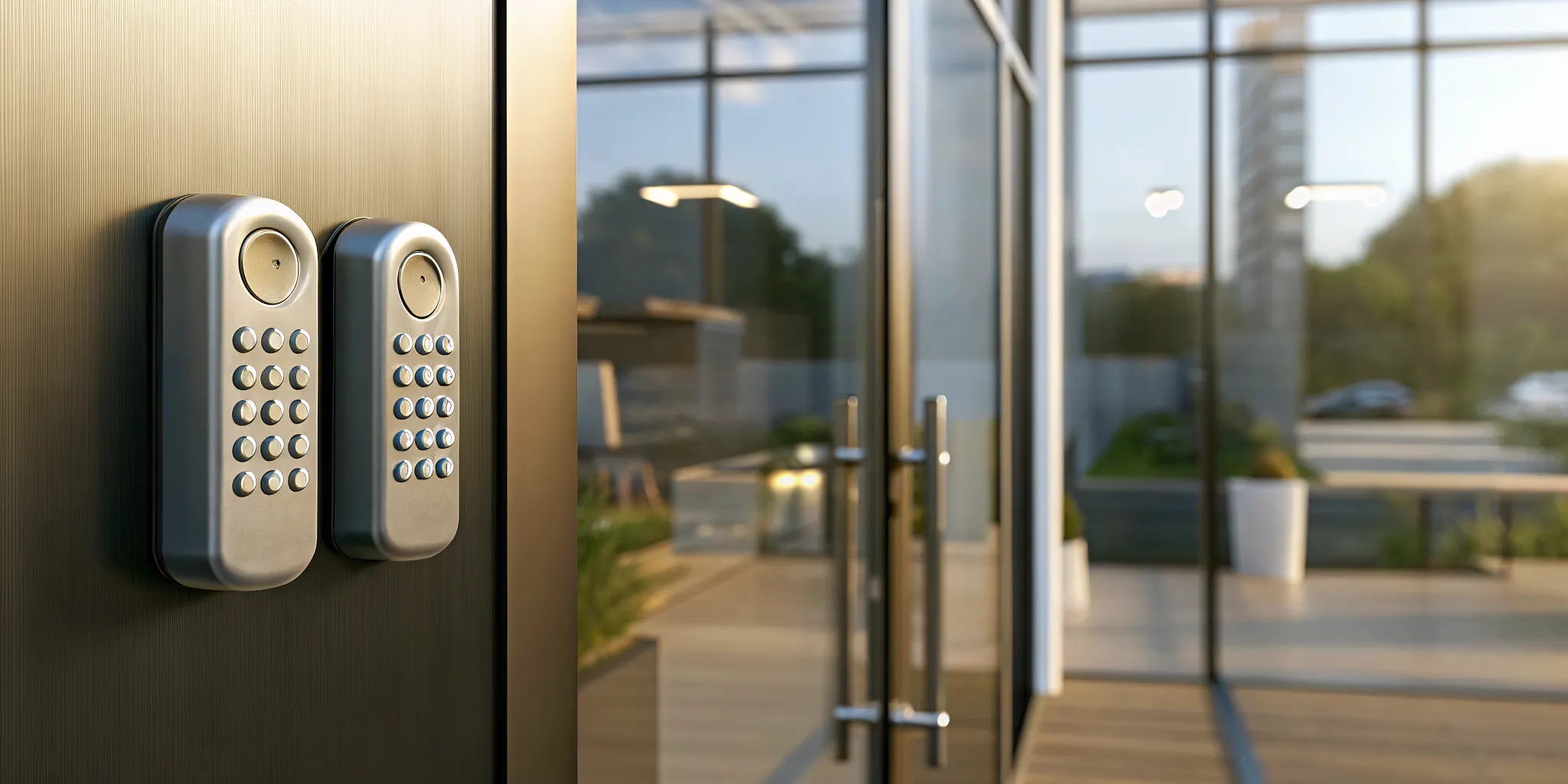
Managing keys can be a huge headache for any business owner. Who has a copy? What happens if someone leaves? An access control system solves these problems by replacing traditional keys with keypads, fobs, or card readers. This lets you manage exactly who can enter your building or specific areas within it, like a stockroom or office. You can grant or revoke access instantly, track who is coming and going, and set schedules for when certain doors should be unlocked. When integrated with your video surveillance, you have a complete picture of who is accessing your property and when, adding a powerful layer of internal security and oversight.
A System That Grows With You
Your business isn’t static, and your security system shouldn’t be either. It’s vital to choose a system that can grow with your business. As you hire more employees, expand your space, or add a new location, your security needs will change. A scalable system allows you to add more cameras, sensors, or access controls later without having to replace everything and start from scratch. Think of it as a long-term investment that adapts to your success. Your security partner should offer a range of commercial services that can be added on as your business evolves, ensuring your protection keeps pace with your growth.
Remote Access From Your Phone
As a business owner, you can’t be on-site 24/7. That’s why remote access is an absolute must-have. Most modern security systems let you watch your business from your phone using a special app. This puts complete control in the palm of your hand, no matter where you are. You can check live camera feeds, arm or disarm the system, lock or unlock doors, and receive instant alerts about unusual activity. This capability, often managed through secure cloud services, provides incredible convenience and the peace of mind that comes from knowing you can check in on your business anytime, anywhere.
Comparing Top Security Systems for Your Small Business
Once you know what you need, it’s time to see who can provide it. The security market is filled with options, from local experts who build systems from the ground up to national brands with DIY kits. Each one offers a different approach to protecting your business. The right choice depends on your budget, your comfort level with technology, and the specific risks your business faces.
To help you get a clearer picture, let’s look at how a few top contenders stack up. We’ll compare a local, customized provider like InVision Systems with some of the big national names you’ve probably heard of. This isn’t about finding a single “best” system, but about finding the one that fits your business like a glove. Think about your priorities as you read through these options: are you looking for white-glove service, smart tech integrations, or a budget-friendly, no-contract setup?
InVision Systems: Proactive, Customized Security
If a one-size-fits-all solution won’t cut it for your business, a local provider like InVision Systems is your best bet. Instead of selling you a pre-packaged kit, we design a security system around your specific property, operations, and concerns. This means you get a truly proactive setup that combines services like intelligent security cameras, virtual guarding, and integrated access control. Because we’re local to the Midwest, we offer hands-on installation and support, ensuring every component works exactly as it should. This approach is ideal for businesses that need a reliable, tailor-made system without having to become security experts themselves.
ADT: Enterprise-Grade Protection
ADT is one of the oldest and most recognized names in security, and for good reason. They specialize in comprehensive, professionally installed systems backed by 24/7 monitoring. According to Security.org, ADT is a strong choice for businesses that want enterprise-level protection, including custom solutions and even cybersecurity options. With over 150 years of experience, they offer a sense of reliability that many business owners value. Their plans require a professional installation and typically involve a contract, making them a better fit for established businesses ready to invest in a long-term security partner.
SimpliSafe: Affordable DIY Security
For new businesses, small retail shops, or anyone who wants to avoid a long-term contract, SimpliSafe is a popular choice. It’s known for its straightforward, do-it-yourself installation and flexible month-to-month plans. You can build your own system with the exact sensors you need and set it up in an afternoon. Security.org highlights SimpliSafe as the best no-contract option, offering professional monitoring without the commitment. It even has a feature where live agents can speak to intruders through an indoor camera. This makes it a great entry point for business owners who need solid, affordable protection fast.
Vivint: Smart Home Tech for Business
If you love smart technology and want a sleek, integrated system, Vivint is worth a look. They bring high-end smart home tech into the business world, offering features like AI-powered cameras with active deterrence that can identify and warn loiterers. Vivint’s systems are professionally installed and designed to work seamlessly with other smart devices, giving you a single, powerful platform to manage your property. This premium approach is reflected in its price, but for tech-savvy owners who want the latest in security automation, the investment can be well worth it.
Breaking Down the Cost of a Business Security System
When you’re thinking about a security system, the price tag is obviously a major factor. But the total cost isn’t just one number. It’s a mix of initial expenses for hardware and setup, plus recurring fees for services that keep your business protected around the clock. Understanding this breakdown helps you budget properly and find a solution that truly fits your financial picture without any surprises down the road. Let’s walk through the key costs you can expect.
Upfront Costs: Equipment & Installation
Your initial investment covers the physical hardware and the professional setup. For a small business, equipment costs can range from $1,000 to $10,000, with most systems landing somewhere around the $3,000 mark. This price depends entirely on your needs, including the number of security cameras, door sensors, and access control panels you require. Professional installation typically adds another $300 to $700 to the bill. While it might be tempting to cut corners here, having an expert handle the installation ensures every component is placed and configured for optimal performance, leaving no weak spots in your defense.
Ongoing Costs: Monitoring & Service Fees
After the initial setup, you’ll have monthly fees for monitoring and other services. Professional monitoring generally costs between $40 and $120 per month. This fee pays for the 24/7 oversight from a dedicated security team that responds to alarms and contacts emergency services when needed. Some modern systems also offer virtual guarding, where live agents can monitor your cameras and proactively intervene if they spot suspicious activity. Other ongoing costs might include cloud storage for video footage or maintenance plans, so be sure to ask what’s included in your monthly service package.
Understanding Contract Terms
This is where you need to pay close attention. Many national security providers require long-term contracts, often for 36 months or more. While this can sometimes lower your upfront equipment cost, it locks you into a lengthy commitment. If your business needs change or you’re unhappy with the service, getting out of one of these contracts can trigger steep early termination fees. Before you sign anything, read the fine print carefully. It’s also worth exploring providers that offer more flexible arrangements or clear financing options that separate the equipment cost from the service agreement, giving you more control.
Pros and Cons of Top Security Providers
Choosing a security provider is a big decision, and it helps to see how the major players stack up. Each one offers a different balance of technology, service, and cost. Understanding these trade-offs is the key to finding the right fit for your business, whether you prioritize hands-on support, DIY savings, or the latest smart features. Let’s break down what you can expect from some of the top names in the industry.
InVision Systems: The Power of Local Expertise
Working with a local provider means you get a partner, not just a product. Instead of a one-size-fits-all package, you get customized security solutions designed for your specific layout, risks, and budget. Local experts understand the unique challenges of the area and can provide a level of personalized service that national chains often can’t match. You’re not just another account number; you have a direct line to a team that knows your system inside and out. This hands-on approach typically means better equipment, a more thoughtful installation, and faster, more effective support when you need it most.
ADT: Reputation vs. Price Tag
ADT is one of the most recognized names in security, and that brand recognition comes with a reputation for reliable, enterprise-grade protection. They offer professionally installed, custom systems with advanced features like cybersecurity options and voice commands, which can be a great fit for businesses that want a comprehensive, hands-off solution. However, this level of service comes at a premium. With monitoring plans starting around $25 per month and equipment packages beginning at several hundred dollars, the initial and ongoing investment can be significant for a small business watching its bottom line.
SimpliSafe: DIY Savings vs. Feature Gaps
SimpliSafe has made a name for itself with affordable, easy-to-install DIY security systems. For a small shop or office, the ability to buy the equipment outright and set it up yourself is a major plus, keeping upfront costs low. Their monitoring plans are also competitively priced. The trade-off, however, comes in its capabilities. SimpliSafe is generally not ideal for larger businesses or those that require more robust features like 24/7 continuous video recording. While it’s a fantastic budget-friendly option for basic security, it may leave critical gaps for businesses with more complex needs or larger facilities.
Vivint: Smart Tech vs. Contract Commitments
If you’re looking for cutting-edge technology, Vivint is a strong contender. They specialize in smart security systems with advanced features like AI-powered video analytics and proactive deterrents that can actively warn away potential intruders. This high-tech approach is appealing for business owners who want the latest innovations. The main drawback is the commitment. Vivint typically requires long-term contracts, some starting at 42 months, which can be a tough pill to swallow for a small business. The monthly monitoring fees also tend to be on the higher end, often costing around $50 per month.
What Security Features Do Small Businesses Really Need?
When you’re running a business, “security system” can feel like a vague, expensive term. But it doesn’t have to be. The key is figuring out what you actually need versus what’s just a nice-to-have. Let’s break down the features that matter most, starting with the non-negotiables.
The Essentials: What Every Business Needs
Think of these as the foundation of your business’s safety net. Every small business needs a system that does more than just sound an alarm. At a minimum, you should have professional, 24/7 monitoring to ensure someone is always watching over your property and can dispatch help immediately. This is your first line of defense against theft, vandalism, and break-ins. You also need a way to control who comes and goes. An access control system, whether it uses key cards or codes, lets you manage entry to your building or specific areas, giving you peace of mind that only authorized people are getting in.
Worth the Upgrade: Advanced Security Features
Once you have the basics covered, you can add layers that make your system smarter and more proactive. Consider upgrading to smart security cameras that use AI to tell the difference between a person and a stray cat, which drastically cuts down on false alarms. These cameras can also send you intelligent alerts about specific activities. Adding motion sensors and glass break detectors provides another critical layer of protection. These devices are your system’s eyes and ears when no one is around, instantly alerting your monitoring service if someone tries to force their way in. They’re a small investment for a major increase in security.
Choosing Features for Your Specific Business
Your security needs are as unique as your business itself. A retail shop on a busy street has different vulnerabilities than a warehouse in an industrial park. For example, a store might prioritize high-definition indoor and outdoor cameras to deter shoplifting, while an office might focus on access control to secure sensitive areas and monitor after-hours activity. The best approach is to work with a security expert who can assess your specific layout, inventory, and daily operations. A customized plan ensures you’re not paying for features you don’t need and that you’re fully protected where it counts the most.
Wired vs. Wireless: Which is Right for Your Business?
One of the first big decisions you’ll make is whether to go with a wired or wireless security system. It’s a classic trade-off: the rock-solid stability of a wired connection versus the convenience and flexibility of a wireless setup. There’s no single right answer, but understanding the key differences will help you choose the best fit for your property, your operations, and your peace of mind. A wired system physically connects your cameras and sensors to a central hub and power source, while a wireless system uses Wi-Fi and often batteries to communicate. Let’s break down what that means for your business in terms of installation, reliability, and overall performance.
Installation and Flexibility
Wired systems require running cables through walls and ceilings, which means you’ll need a professional installation. While this sounds more involved, it creates a permanent and tamper-resistant setup that’s integrated right into your building. It’s a set-it-and-forget-it solution that’s ideal for business owners who own their property and want a robust, long-term system. The upfront work pays off in reliability down the line.
Wireless systems are the champions of flexibility. Because there are no cables to run, installation is much simpler and can often be a DIY project. You can place cameras and sensors almost anywhere and easily move them if you rearrange your space or move to a new location. This makes them a great option for renters or businesses that need a less permanent solution.
Reliability and Performance
When it comes to reliability, wired systems have a clear advantage. They aren’t vulnerable to Wi-Fi signal drops, network congestion, or interference from other devices. This direct connection ensures a consistent, high-quality video feed without lag, which is critical for capturing clear evidence. Since they are hardwired to your building’s power, you also don’t have to worry about changing batteries. This unwavering stability is why many businesses prefer wired systems for their core security.
The performance of a wireless system depends entirely on the strength and stability of your Wi-Fi network. A weak signal or network outage can knock your cameras offline, creating security gaps. While many modern systems have backups, they are still more susceptible to interference. For businesses that can’t afford any downtime, this is a serious consideration. A reliable connection is the foundation for effective virtual guarding and immediate alerts when you need them most.
How to Choose the Right Security Provider
Picking the right security system involves more than just comparing cameras and sensors. You’re choosing a long-term partner for your business’s safety. The provider you select determines the quality of your installation, the reliability of your equipment, and the responsiveness of support when you need it most. A great provider acts as an extension of your team, offering expertise and peace of mind. Making the right choice from the start saves you from future headaches like equipment failures, surprise fees, and service that falls short. It’s about finding a company that is as invested in your security as you are. To help you find that ideal partner, let’s break down what you should look for and the questions you need to ask.
Local vs. National: What’s the Difference?
One of the first decisions you’ll face is whether to work with a local expert or a large national chain. While big names have brand recognition, local providers often deliver a higher level of service and accountability. They’re part of your community and build their reputation on quality, not just volume. Local companies tend to use higher-grade, non-proprietary equipment, giving you more flexibility. In contrast, many national companies lock you into their ecosystem with hardware that only they can service, leaving you stuck if you’re unhappy with their support. A local provider is more likely to offer truly customized security solutions tailored to your business.
Don’t Overlook Service and Support
Your security system is only as good as its installation and the support that backs it up. Professional installation is non-negotiable. An expert ensures that cameras have no blind spots, sensors are placed correctly, and the entire system functions as a cohesive unit. This reliability is critical for protecting your assets. Beyond the initial setup, consider the long-term support. When a camera goes offline or a sensor malfunctions, you need a responsive team that can resolve the issue quickly. Consistent, reliable support is the foundation of effective security, ensuring your system is always working to protect your business, employees, and customers.
Key Questions to Ask Any Provider
Before you sign any contract, it’s important to have a clear conversation with potential providers. Getting answers to a few key questions can reveal a lot about their service and whether they’re the right fit for you. Start by asking about their monitoring services. Do they offer 24/7 active virtual guarding, where a live agent monitors your property? Also, inquire about their technicians. Are they in-house employees or third-party contractors? Finally, get a clear picture of the total cost. Ask for a full breakdown of equipment, installation, and monthly fees, and see if they offer any financing options to make the investment more manageable.
How to Save on Your Business Security System
Investing in a robust security system is one of the smartest decisions you can make for your business, but it doesn’t have to drain your budget. The initial cost of equipment and installation can seem high, but there are several practical ways to make a top-tier system more affordable. By thinking strategically, you can get the protection you need without compromising on quality. A reliable system protects your assets, employees, and customers, a return that far outweighs the initial expense. Let’s look at a few straightforward methods for managing the cost of your business security system.
Look for Special Offers
Many national security companies roll out significant discounts on systems and cameras during major sales events. While these promotions are tempting, it’s important to look beyond the initial price cut. A deal on equipment might be tied to a long, inflexible monitoring contract with escalating fees. Before committing, always read the fine print and consider the total cost of ownership, not just the upfront savings. A local provider often offers more consistent value and personalized service that better suits your long-term business needs.
Explore Financing Options
You don’t have to pay for your entire security system at once. Many providers offer financing to help businesses manage the upfront cost of equipment and installation. Spreading the expense over several months or years makes a comprehensive, high-quality system much more accessible. This approach allows you to get the protection you need immediately without a major capital outlay. At InVision Systems, we provide flexible financing options to ensure you can secure your business without financial strain, allowing you to invest in a system that truly fits your needs.
Check for Insurance Discounts
Did you know your business security system could help lower your insurance premiums? Many insurance carriers offer discounts to businesses that take proactive steps to reduce risk. A professionally installed and monitored system with features like video surveillance, fire alarms, and access control demonstrates you are serious about protecting your property. Contact your insurance agent to ask about potential discounts. The savings on your monthly premium can often help offset the cost of your security monitoring service, making it an even smarter financial decision.
Business Security Myths, Busted
When it comes to securing your business, there’s a lot of conflicting information out there. It can be tough to separate fact from fiction, especially when you’re trying to make the best decision for your company’s safety and your budget. Let’s clear up a few common misconceptions that might be holding you back from getting the protection you really need.
Myth: “It’s too expensive for my small business.”
I hear this one all the time, and it’s completely understandable. As a small business owner, every dollar counts. The good news is that a professional security system isn’t a one-size-fits-all expense. The cost depends entirely on your specific needs, from the size of your space to the type of equipment you choose. Instead of viewing it as a cost, think of it as an investment in protecting your assets, your employees, and your peace of mind. Many providers also offer flexible financing options to make the upfront investment more manageable, so you don’t have to compromise on security.
Myth: “A DIY system is just as good.”
DIY security kits have become popular, and they can seem like a great way to save money. While they might be suitable for some very small-scale situations, they often fall short for a growing business. A professional commercial security setup is designed and installed by experts who know how to identify and cover your unique vulnerabilities, from blind spots in camera coverage to unsecured entry points. With a DIY system, the responsibility for proper installation and maintenance is all on you, which can leave dangerous gaps in your protection that you might not even be aware of until it’s too late.
Myth: “I don’t need professional monitoring.”
It’s tempting to think you can monitor your own security alerts on your phone. But what happens when a notification comes through while you’re in a meeting, helping a customer, or asleep? An unread alert doesn’t do much to stop a break-in. This is where professional monitoring makes all the difference. Services like virtual guarding mean there is always a trained professional ready to respond to an alarm the second it goes off. They can verify the threat, deter criminals, and dispatch emergency services immediately, ensuring a fast and effective response every time.
Related Articles
Frequently Asked Questions
I’m renting my business space. Is a professional security system still an option for me? Absolutely. Renting doesn’t lock you out of professional-grade security. Modern wireless systems are incredibly effective and require minimal to no structural changes to your building, which is perfect for leased spaces. A professional installer can design a system that gives you robust protection with cameras, sensors, and access control without violating your lease agreement. Plus, if you ever move, you can often take the system with you.
What’s the real difference between professional monitoring and virtual guarding? Think of it as the difference between reacting to a problem and preventing one. Standard professional monitoring means a team is alerted when a sensor is tripped, and they then contact you or the authorities. Virtual guarding is a proactive service where trained security professionals can watch your live camera feeds in real time. If they see suspicious activity, they can use two-way audio to intervene directly and dispatch police with verified information that a crime is in progress.
How can I be sure I’m not paying for features I don’t need? This is a great question, and the answer lies in choosing the right partner. A reputable security provider won’t sell you a pre-packaged box of equipment. Instead, they will start with a thorough assessment of your property and operations. This consultation process helps identify your specific vulnerabilities and goals, ensuring the final system design includes only the components that make sense for your business, your layout, and your budget.
Is a wired system always better than a wireless one? Not necessarily, it really depends on your business’s needs. Wired systems are known for their rock-solid reliability since they aren’t affected by Wi-Fi issues, making them a fantastic choice for a permanent location. However, wireless systems offer incredible flexibility in terms of installation and placement. Many of the best security solutions actually use a hybrid approach, using wired connections for critical cameras and wireless sensors for others to get the best of both worlds.
Why should I choose a local provider over a big national brand? Working with a local provider is about building a partnership. Local experts tend to offer more personalized service because their reputation is built right in your community. They often use higher-quality, non-proprietary equipment, which gives you more freedom and prevents you from being locked into one company’s technology. When you need support, you’re calling a dedicated local team, not a national call center.