
A Guide to Business Security Systems with Cameras
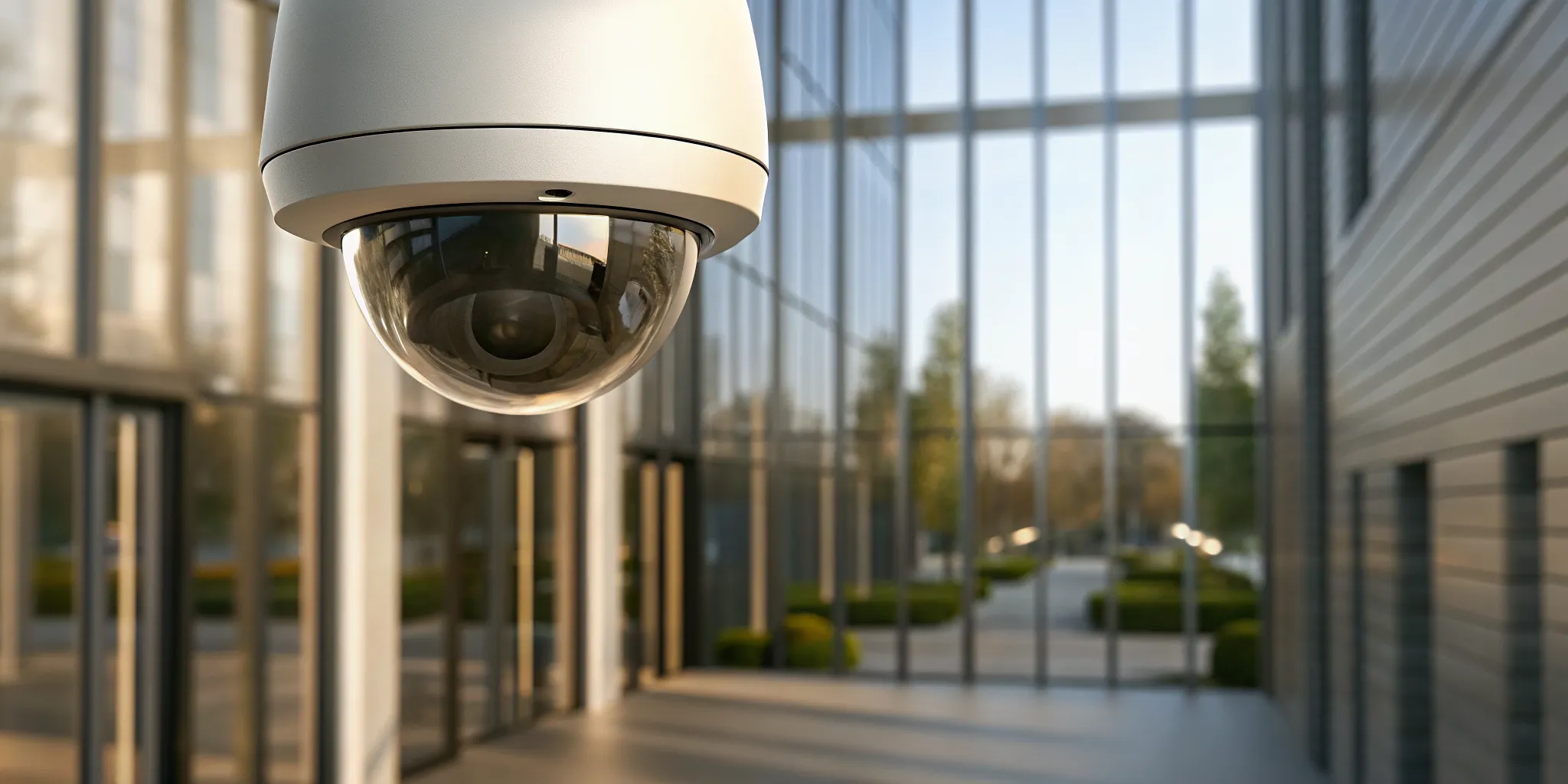
When you think about installing cameras, your mind probably goes straight to preventing theft. While that’s a huge piece of the puzzle, it’s only the beginning of the story. The right security system can become one of your most valuable operational tools. It can help you identify workflow bottlenecks, ensure safety protocols are being followed, and even provide insights into customer behavior that can improve your bottom line. Modern business security systems with cameras do more than just watch the door; they offer a clear view into your entire operation, helping you build a safer, smarter, and more efficient company from the inside out.
Key Takeaways
- Tailor your security to your specific needs: A generic, off-the-shelf kit will almost always leave you with dangerous blind spots. A professionally designed system is built around your property’s unique layout and risks, ensuring every critical area is covered.
- Prioritize features that give you control: Go beyond simple recording with tools like high-definition video for clear evidence, intelligent alerts that filter out false alarms, and remote access for on-the-go monitoring. These features turn your system into a proactive management tool.
- View your security system as an investment: A professional system delivers a real return by preventing costly theft, reducing insurance premiums, and protecting your business from fraudulent liability claims. The long-term savings and peace of mind far outweigh the initial cost.
What Is a Business Security Camera System?
At its core, a business security camera system is a network of cameras and monitoring tools designed to observe, record, and manage activities across your facilities. Think of it as your silent partner, one that works around the clock to protect your property, employees, and customers. These systems are a powerful tool for deterring theft, monitoring daily operations, and ensuring a safe environment for everyone. Whether you run a small retail shop or a large industrial warehouse, a well-designed system gives you a clear view of what’s happening, even when you can’t be there in person.
The primary goal is to provide a reliable record of events and discourage potential wrongdoing. From keeping an eye on customer interactions to monitoring staff performance, security cameras offer a layer of accountability that is essential for any business. They help protect you from both external threats, like break-ins, and internal issues, such as employee theft or fraudulent liability claims. By capturing high-quality video evidence, you have the documentation needed to resolve disputes, work with law enforcement, and make informed decisions about your business’s safety and security protocols. It’s not just about catching people in the act; it’s about creating a secure atmosphere that prevents incidents from happening in the first place.
The Core Components of a System
A truly effective security plan is much more than just a few cameras. It’s a fully integrated system where different components work together to create a secure environment. While cameras are the eyes of your operation, a complete solution often includes strategic outdoor lighting to eliminate blind spots, motion sensors that trigger alerts or recordings, and systems that manage who can enter specific areas. For example, an access control system can prevent unauthorized entry into sensitive zones like stockrooms or server rooms. When these elements are combined, they form a comprehensive security shield tailored to your property’s unique layout and risks.
Business vs. Home Security: What’s the Difference?
While home and business security systems share the same basic goal, their scale and stakes are vastly different. A business system is built to handle more complex challenges, from covering larger areas to protecting valuable assets and managing public access. Unlike a typical home setup, a commercial security solution is designed to protect against a wider range of threats, including employee theft, vandalism, and liability lawsuits. Furthermore, investing in a professional system can lead to tangible financial benefits. Many insurance providers offer discounts to businesses with professionally installed surveillance, as it demonstrates a proactive approach to risk management and can significantly reduce your company’s liability in case of an incident.
Finding the Right Security Solution for Your Business
Choosing a security system isn’t like picking a new coffee maker for the breakroom. Every business has unique vulnerabilities, from its physical layout to its daily operations. A cookie-cutter solution might cover some bases, but it will almost certainly leave you exposed where it matters most. The key is to find a system that’s designed specifically for your space, your risks, and your goals. This means looking beyond the box and thinking about a solution that truly fits your business.
The Case for a Custom-Built System
A custom-built security system is designed around your specific needs. Instead of forcing a generic kit to fit your property, a tailored approach starts with a thorough assessment of your premises to identify key risk areas. The benefits go far beyond just recording a potential break-in. With the right camera placement, you can keep an eye on customer traffic, monitor staff activity for safety and training, and protect sensitive areas. More importantly, a well-designed system means you can provide clear, usable evidence of any criminal behavior, which is invaluable for investigations and insurance claims. A custom commercial security plan addresses your unique challenges head-on.
The Pitfalls of Off-the-Shelf DIY Kits
It’s easy to see the appeal of a DIY security kit from a big-box store. The upfront cost seems lower, and you can get it running the same day. However, this initial saving often comes with hidden costs and significant risks. Trying to install cameras yourself can easily lead to critical blind spots, incorrect equipment choices for your environment, and a constant stream of maintenance issues. Without professional expertise, you might place a camera too high, choose a lens with the wrong field of view, or fail to secure the network, leaving your system vulnerable. These mistakes can render your security system ineffective when you need it most, turning that initial bargain into a costly liability.
Why a Professional Partner Matters
Working with a security professional is about more than just installation. It’s about building a long-term partnership with an expert who understands your business. A true partner will design a security camera system that is built right, installed correctly, and supported for the long run. They ensure your system can adapt as your business evolves, whether you’re expanding your facility or facing new security challenges. From the initial design to ongoing maintenance and technical support, having an expert team on your side provides peace of mind. You can be confident that your property is protected by a reliable, effective system that works 24/7.
Must-Have Features for Your Business Camera System
When you’re investing in a security system, you want to know it has the right tools for the job. Modern security cameras offer much more than just grainy recordings. The right features can make the difference between simply documenting a break-in and preventing one altogether. From crystal-clear video to smart alerts that don’t waste your time, these are the essential features you should look for in any business security system. They provide the control and peace of mind every business owner deserves.
High-Definition Video Resolution
If you can’t make out important details, your security footage isn’t very useful. High-definition (HD) resolution is the absolute minimum standard you should accept. Clear, 1080p or 4K video allows you to identify faces, read license plates, and see exactly what’s happening on your property. This level of detail is critical for internal investigations or providing evidence to law enforcement. Grainy, pixelated video from outdated cameras just won’t cut it when you need to protect your assets and keep an eye on both customers and staff.
Intelligent Motion Detection and Alerts
No one has time to sort through hours of footage or deal with constant false alarms. That’s where intelligent motion detection comes in. Instead of alerting you every time a car drives by or the wind blows through the trees, smart systems can tell the difference between people, animals, and vehicles. You receive meaningful alerts on your phone for the events that actually matter, allowing you to respond quickly to potential threats. This targeted approach helps you stay informed without the noise, protecting your business from both internal and external risks.
Clear Night Vision Technology
Your business needs protection around the clock, not just during business hours. Since many security incidents happen after dark, clear night vision is a non-negotiable feature. Modern cameras use advanced infrared (IR) technology to capture crisp, detailed black-and-white video in complete darkness. Some systems even offer color night vision, which uses ambient light to produce full-color images in low-light conditions. This capability ensures you have a clear view of your property 24/7, giving you unmatched control and peace of mind long after you’ve locked up for the night.
24/7 Remote and Mobile Access
As a business owner, you can’t be on-site all the time. With remote and mobile access, you don’t have to be. This feature lets you view live video feeds and access recorded footage from anywhere using your smartphone, tablet, or computer. Whether you’re checking in on employees, monitoring a delivery, or responding to an alert, you have full visibility at your fingertips. When you pair remote video access with other tools like an access control system, you gain the ultimate command over your facility’s security, no matter where you are.
Proactive Deterrence Features
The best security system doesn’t just record crime; it helps prevent it. Proactive deterrence features turn your cameras into an active part of your defense. Things like motion-activated spotlights, two-way audio to speak with visitors (or warn off trespassers), and loud, built-in sirens can stop an incident before it starts. These features send a clear message that your property is protected. A visible, professional system with these capabilities not only deters criminals but can also help reduce your business’s liability by showing you’ve taken serious steps to secure your premises.
NVR vs. DVR: Which Is Right for You?
When you start looking at security camera systems, you’ll quickly run into two acronyms: NVR and DVR. These stand for Network Video Recorder and Digital Video Recorder, and they are the heart of your surveillance system, responsible for processing and storing all your video footage. While they serve the same basic function, the technology behind them is quite different, and the choice you make will have a big impact on your system’s quality, flexibility, and scalability.
Think of it like choosing between the latest smartphone and a model from a few years ago. Both can make calls, but one offers far more capability and is better prepared for the future. A DVR system uses older, analog technology, while an NVR system uses modern digital technology. Understanding the key differences will help you select the right foundation for your business’s security needs, ensuring you get a system that not only works today but can also grow with you tomorrow.
Why NVRs Offer More Flexibility
NVR systems are the modern standard for a reason. They pair with IP (Internet Protocol) security cameras, which capture significantly higher-quality video and audio. We’re talking crisp, clear HD resolutions that make it easy to see important details, like faces or license plates. Installation is also much simpler. Each camera connects to the recorder with a single Ethernet cable that provides both power and data, which means less wiring and more placement options. This setup makes it incredibly easy to expand your system by adding more cameras as your business grows, without a complicated rewiring project. Plus, NVRs are designed for easy remote access, letting you view live or recorded footage from anywhere with an internet connection.
The Limitations of DVR Systems
DVR systems work with analog cameras, which can’t match the video quality of modern IP cameras. While the initial cost of a DVR setup might seem lower, it comes with some significant trade-offs. Each camera requires its own coaxial cable for video and often a separate cable for power, making installation more complex, labor-intensive, and restrictive. This wiring can also limit how far cameras can be placed from the recorder. For businesses that need to cover a large area or anticipate future growth, a DVR system can quickly become a frustrating bottleneck. These limitations are a key reason why so many businesses are choosing modern solutions for their commercial security needs.
Managing Your Video Storage and Data
Both NVR and DVR systems can record footage 24/7, but how you store and manage that data is another important consideration. You can store recordings on-site with a physical recorder or opt for the flexibility of cloud services, which keeps your footage safe even if the physical hardware is damaged or stolen. NVR systems typically offer more advanced and efficient tools for managing your video data. While the upfront investment for an NVR system may be higher, its superior technology, easier scalability, and better management features often result in a lower total cost of ownership over the long term. For larger facilities with complex needs, a Video Management System (VMS) can offer even more advanced control.
How to Budget for a Business Security System
Figuring out the budget is one of the first and most important steps when you’re ready to secure your business. While the price tag can seem like a big hurdle, it’s helpful to think of it as a long-term investment in your company’s safety, efficiency, and peace of mind. The final cost will depend entirely on your specific needs, from the size of your property to the features you require. Let’s break down what you can expect.
What’s the Average Cost?
A basic commercial security camera system often falls in the range of $4,000 to $9,000. For smaller, high-end systems with advanced features, the cost can easily go above $10,000. It’s best to view these numbers as a starting point. The only way to get a truly accurate figure is to get a custom quote based on your property’s unique layout and security goals. Many providers also offer flexible financing options to make the investment more manageable for your business.
What Factors Determine the Final Price?
The total cost of a security system is a sum of its parts, and understanding the breakdown helps clarify where your money is going. Typically, the budget is divided among four key areas. The security cameras themselves account for 20% to 40% of the cost, while the recording system (your NVR or DVR) makes up another 20% to 30%. Professional installation is crucial and usually represents 30% to 50% of the price. Finally, miscellaneous items like cables and mounts make up the remaining 10% to 20%.
Thinking Beyond the Initial Price Tag
While it’s easy to focus on the upfront cost, a well-designed security system delivers returns that go far beyond its initial price. For many businesses, the investment pays for itself through reduced theft, preventing significant losses. It can also lead to lower insurance premiums, as many providers offer discounts for properties with professionally monitored security. Beyond that, video surveillance can help improve employee productivity, ensure workplace safety, and protect you from liability claims. It’s a tool that strengthens your entire business operation.
The Unexpected Benefits of Security Cameras
When you think about installing a security camera system, your first thought is probably about preventing break-ins or catching shoplifters. And you’re right, that’s a huge part of what they do. But a well-designed system offers so much more than just security. It can become a powerful tool for improving your operations, protecting your team, and even saving you money in ways you might not expect. Think of it less as just a security expense and more as an investment in your entire business.
Improve Workplace Productivity and Safety
A visible security camera system does more than just deter crime; it helps create a safer and more productive environment for everyone. For your team, knowing that cameras are in place can discourage misconduct and ensure that safety protocols are being followed, which is especially critical in industrial or warehouse settings. For your customers, it provides a sense of security.
Beyond safety, footage can offer insights into daily operations. You can identify workflow bottlenecks, see how customers move through your space, and ensure your team is providing the best possible service. It’s about creating a secure, accountable, and efficient workplace where both employees and customers feel protected. A comprehensive commercial security plan uses cameras to support your operational goals.
Lower Your Insurance Premiums
Here’s a benefit that goes straight to your bottom line: installing a professional security system can often lower your business insurance premiums. Insurance providers see a professionally installed and monitored system as a significant reduction in risk. Why? Because cameras actively deter theft, vandalism, and other criminal activities that could lead to a claim.
Furthermore, video evidence is invaluable for fighting fraudulent liability claims, like bogus slip-and-fall accidents. By reducing your business’s overall risk profile, your insurance provider may reward you with a noticeable discount. It’s a smart financial move that helps the security system pay for itself over time, making high-quality protection more accessible than you might think.
Gain Valuable Business Insights
Modern security cameras are more than just passive recorders; they are powerful data-gathering tools that can give you a clearer picture of your business. For retailers, video analytics can reveal customer traffic patterns, showing you which displays are most popular and where people tend to linger. This information is gold for optimizing your store layout and product placement to increase sales.
You can also use footage to review customer-employee interactions, providing excellent training opportunities to refine your customer service approach. By understanding how people interact with your space and your team, you can make smarter, data-driven decisions. This transforms your security system from a simple safety measure into a source of valuable business intelligence.
Protect Your Business from Liability
In a world of costly legal disputes, video evidence is one of your strongest defenses. A fraudulent slip-and-fall claim or a dispute between a customer and an employee can quickly turn into a “he said, she said” situation that costs you time and money, regardless of the outcome. High-definition video provides an objective, indisputable record of events as they actually happened.
This footage can quickly resolve disputes and protect your business from false accusations and potential lawsuits. Having a reliable access control system integrated with your cameras adds another layer of protection, documenting exactly who was where and when. This not only safeguards your assets but also protects your company’s reputation from unfair damage.
Common Myths About Security Camera Costs
When you’re budgeting for a security system, it’s easy to focus on the initial price. But the true value goes far beyond that. Several common myths can lead business owners down the wrong path, resulting in a system that doesn’t protect their property and costs more in the long run. Let’s clear up those misconceptions so you can make a confident and informed decision.
The “Cheaper” System Misconception
It’s tempting to grab the cheapest security camera kit you can find. But when it comes to security, a low price often signals low quality. These budget systems frequently come with unreliable hardware, grainy video, and little to no customer support. When a camera fails or you can’t identify a face in the footage, that “deal” becomes a liability. Investing in a professionally designed system ensures you have reliable equipment that works when you need it most. A quality system is built to last, providing clear evidence and consistent performance from your security cameras.
The Hidden Costs and Risks of DIY
Taking the do-it-yourself route might seem like a smart way to save on installation fees, but it often comes with hidden costs. Without professional expertise, it’s easy to create blind spots, choose the wrong camera for a specific location, or install equipment incorrectly. You also become your own IT department, responsible for all troubleshooting and maintenance. A professional installation team understands how to map out your property for complete coverage. They ensure every component of your commercial security system is installed correctly for optimal performance, saving you from future headaches.
The Real ROI of Professional Installation
It’s helpful to think of a professional security system not as a cost, but as an investment with a real return. A well-placed, high-quality camera system is a powerful deterrent against theft and vandalism. It can also help improve employee accountability and safety, creating a more secure work environment. Many insurance companies even offer lower premiums for businesses with professionally monitored security. When you factor in the protection against liability claims and the peace of mind that comes with it, the value far exceeds the initial price. We even offer financing options to make this essential investment more manageable.
Choosing the Right System for Your Industry
A security system that works for a small boutique won’t meet the needs of a sprawling warehouse. Every industry faces unique security challenges, from protecting customer data in an office to monitoring heavy machinery on an industrial site. That’s why a one-size-fits-all camera kit rarely provides the coverage and features your business actually needs. Understanding the specific risks associated with your industry is the first step toward building a security solution that truly protects your assets, employees, and customers.
Securing Your Retail Space
In retail, you’re dealing with a constant flow of people, valuable inventory on open shelves, and multiple points of sale. A well-designed commercial security system is essential for keeping an eye on both customers and staff to prevent shoplifting and internal theft. High-definition cameras placed strategically can deter potential thieves and provide clear evidence if an incident occurs. Beyond theft prevention, a surveillance system can also help reduce your liability. Clear footage of a slip-and-fall incident, for example, can protect you from fraudulent claims and may even help you secure lower insurance premiums.
Protecting Your Office or Corporate Campus
Offices and corporate campuses house valuable assets that go beyond physical equipment. You have sensitive client data, intellectual property, and the personal safety of your employees to consider. A comprehensive security system helps protect your business from both internal and external threats. With strategically placed cameras and integrated access control, you can monitor who enters and exits the building, restrict access to sensitive areas like server rooms, and keep a record of after-hours activity. This creates a safer environment for your team and gives you peace of mind that your operations are secure around the clock.
Meeting Industrial and Warehouse Demands
Warehouses and industrial facilities are prime targets for theft, facing significant losses from stolen products and fraudulent claims. The sheer size of these locations, combined with multiple entry points and loading docks, makes them incredibly difficult to secure. An effective industrial security plan requires durable, weather-resistant cameras that can cover vast indoor and outdoor spaces. This allows you to monitor perimeter fences, track inventory movement, and oversee shipping and receiving areas to prevent theft. These systems also play a crucial role in improving workplace safety by helping you enforce protocols and monitor operations involving heavy machinery.
Why Professional Installation Is Non-Negotiable
When you’re investing in a security system, the quality of the installation is just as important as the quality of the cameras themselves. While a DIY approach might seem like a good way to cut costs, it often introduces risks that can compromise your entire security strategy. A professional installation isn’t just about mounting cameras on a wall; it’s about designing a cohesive system that protects your assets, people, and property without fail. From ensuring there are no gaps in your coverage to providing critical ongoing support, working with an expert is the only way to guarantee your system works as intended.
Get Complete Coverage, Guaranteed
Trying to install a security system yourself can feel like a smart financial move at first, but it often leads to costly mistakes. You might end up with blind spots in critical areas, choose the wrong equipment for your environment, or face unexpected maintenance issues down the road. Professional installers eliminate the guesswork. They have the expertise to map out your property and design a system with strategically placed security cameras that leave no area vulnerable. Experts ensure every component is set up correctly from day one, giving you a reliable system that works seamlessly and comes with the promise of ongoing support when you need it.
Stay Compliant with Regulations
Depending on your industry, your security system may need to meet specific legal requirements. For example, businesses in the cannabis, healthcare, or financial sectors must adhere to strict state and federal compliance laws regarding surveillance and data storage. Failing to meet these standards can result in heavy fines or even the loss of your business license. A professional security partner stays current on these regulations and will design and install a system that satisfies all legal requirements for your specific industry. This ensures your commercial security solution not only protects you from threats but also keeps your business in good standing.
Gain Peace of Mind with Ongoing Support
A professional partnership doesn’t end after the installation is complete. When you work with a dedicated security provider, you get the benefit of continuous support for the life of your system. If a camera goes offline or you run into a technical issue, you have a team of experts ready to help. In many cases, technicians can diagnose and resolve problems remotely, getting your system back up and running quickly with minimal disruption to your business. This ongoing support and maintenance is crucial for ensuring your security system remains effective and reliable, giving you true peace of mind.
Related Articles
- 8 Best Home Camera Systems: Our Top Picks
- Commercial and Business Security System Chicago IL | Invision Systems
Frequently Asked Questions
Why can’t I just install a DIY security camera kit myself? While a DIY kit might seem like a budget-friendly option, it often comes with hidden risks. Without professional expertise, it’s very easy to create blind spots, choose the wrong type of camera for a specific area, or install the equipment incorrectly. A professional installer designs a system tailored to your property’s unique layout, ensuring complete coverage and selecting the right technology for your needs. This expertise saves you from the frustration of an ineffective system and the potential costs of a security breach.
How much should I expect to invest in a professional security system? The cost of a professional system is entirely based on your specific needs, so there isn’t a single price tag. The final investment depends on factors like the size of your property, the number and type of cameras required, and the specific features you choose, such as advanced motion detection or access control integration. The best way to get an accurate number is to have a professional assess your property and provide a custom quote.
What’s the real difference between an NVR and a DVR system? Think of it this way: an NVR (Network Video Recorder) is the modern, digital standard, while a DVR (Digital Video Recorder) uses older, analog technology. NVR systems work with IP cameras to deliver much higher-quality video, are easier to install with a single cable for power and data, and are simpler to expand as your business grows. DVR systems are more limited in video quality and have more complex wiring, which can make them a restrictive choice for most businesses today.
Are there benefits to a security system beyond just catching criminals? Absolutely. While deterring theft is a primary function, a well-designed system can also improve your daily operations. You can monitor employee safety, identify workflow inefficiencies, and gather insights into customer behavior. Furthermore, having a professional system can often lead to lower insurance premiums and provides invaluable video evidence to protect your business from fraudulent liability claims, like fake slip-and-fall accidents.
What kind of support can I expect after the installation is complete? A professional installation is the beginning of a partnership. Unlike a DIY kit that leaves you to handle all the troubleshooting, a professional service includes ongoing support. If you encounter a technical issue or a camera goes offline, you have a dedicated team to call for help. This long-term maintenance and support ensures your system remains reliable and effective, giving you lasting peace of mind.