
The Ultimate Guide to Business Security Cameras
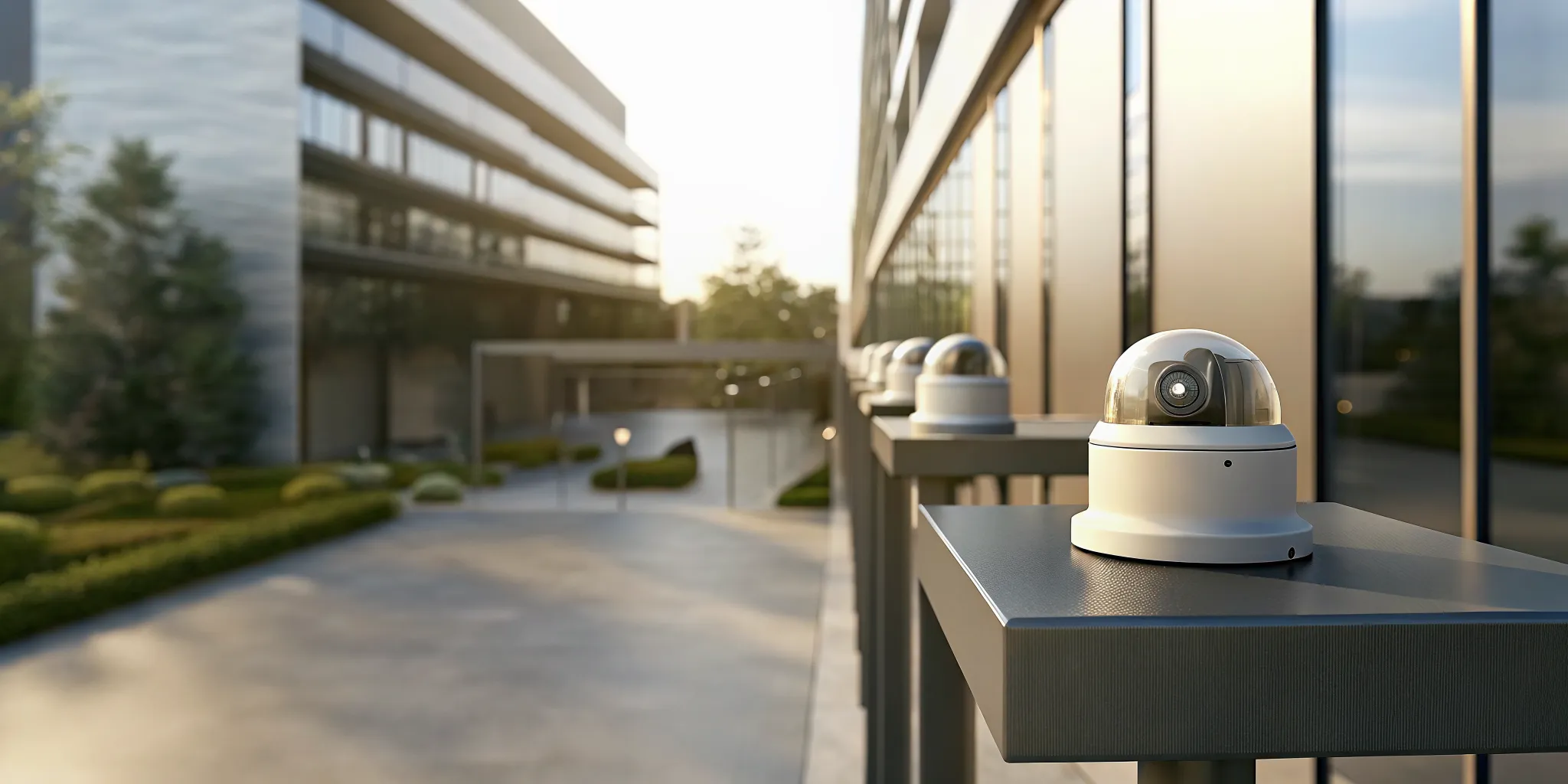
A security system should do more than just record a crime; it should help prevent it from happening in the first place. Gone are the days of grainy, unreliable footage that left you guessing. Modern business security cameras are smarter, clearer, and more proactive than ever before, using features like AI-powered analytics and smart deterrence to stop incidents in their tracks. This shift from a reactive to a proactive tool is transforming how companies protect their assets and people. We’ll explore the technology that makes this possible and show you how to build a system that actively works to keep your property safe around the clock.
Key Takeaways
- Plan before you purchase: Define your specific security goals by walking your property and identifying key vulnerabilities first. This strategic approach ensures you choose a system that effectively protects your most important assets.
- Choose features that solve your problems: Focus on the technology that matters most for your environment, whether it’s 4K resolution for clear identification, AI analytics to reduce false alarms, or durable outdoor cameras for harsh weather.
- Partner with an expert for reliable results: Professional installation is critical for eliminating blind spots and ensuring all components work together seamlessly. A trusted partner provides the expertise to build a system that works correctly from day one and offers support for the long term.
How to Choose the Best Security Cameras for Your Business
Choosing the right security cameras for your business is less about finding the most expensive technology and more about finding the right fit for your unique space. Before you start comparing models, the best first step is to walk through your property and define your goals. Are you trying to deter theft at a cash register, monitor a large loading dock, or simply keep an eye on the entrance after hours? Knowing exactly what you need to protect will make every other decision much clearer.
A complete security system is more than just the camera; it also includes video storage and management software that lets you access and review footage. You’ll want to consider whether a wired system, known for its reliability, or a more flexible wireless system is better for your building’s layout. From there, you can focus on the features that matter most. Do you need the incredible detail of 4K video to capture license plates, or will standard HD suffice? Modern security cameras also offer powerful tools like AI-powered analytics, clear night vision, and weather-resistant hardware that can significantly improve your property’s safety.
Finally, think about how new equipment will work with any security measures you already have in place, as incompatible components can cause major headaches. This is where professional installation becomes so valuable. An expert can help you design a system that works together seamlessly and ensure every camera is placed correctly to avoid blind spots or unusable footage. Starting with a clear plan helps you build a security system that gives you true peace of mind.
What Are the Top Types of Business Security Cameras?
Choosing the right security camera feels like a big decision because it is. The technology you select directly impacts how well you can protect your property, employees, and assets. Gone are the days of grainy, unreliable footage that left you guessing. Modern security systems are smarter, clearer, and more accessible than ever before, using wireless, IP, and cloud technology to deliver powerful features at an affordable price point. This means top-tier security is no longer just for large corporations; it’s a practical investment for any business serious about its safety.
Understanding the main types of cameras available is the first step toward building a system that truly fits your needs. From cameras that can think for themselves to ones that capture every detail in stunning clarity, there’s a solution for every scenario. Let’s look at the most effective options for businesses today, including IP cameras with advanced analytics, 4K ultra-HD models for maximum clarity, flexible wireless and cloud-based solutions, and cameras equipped with AI-powered smart detection. Each type offers unique advantages, and knowing the difference will help you create a security plan that works for you and gives you genuine peace of mind.
IP Cameras with Advanced Analytics
Think of IP (Internet Protocol) cameras as the modern standard for business surveillance. Unlike older analog cameras that require cumbersome, dedicated cables, IP cameras connect to your existing computer network. This makes them incredibly flexible and scalable. They send and receive data over the internet, allowing you to view live or recorded footage from anywhere with a secure connection.
But the real power of these devices lies in their advanced analytics. An IP security camera system can do more than just record. It can analyze video in real time to detect specific events, like a person crossing a virtual line, a vehicle entering a restricted area, or an object being left behind. This intelligent monitoring helps you focus on what matters and reduces the time spent sifting through hours of footage.
4K Ultra-HD for Maximum Clarity
When an incident occurs, the clarity of your video footage is everything. A blurry, pixelated image makes it nearly impossible to identify a face, read a license plate, or see critical details. This is where 4K Ultra-HD cameras make a huge difference. Offering four times the resolution of standard 1080p HD, 4K cameras capture incredibly sharp and detailed video.
This level of clarity is essential for gathering usable evidence and accurately identifying what happened. Many professional cameras offer 4K quality, with some going even higher to ensure no detail is missed. For businesses where positive identification is crucial, such as retail stores, banks, or high-traffic commercial properties, investing in high-resolution cameras is a non-negotiable part of a strong security plan.
Wireless and Cloud-Based Solutions
Flexibility is key in many business environments, and that’s where wireless cameras shine. Because they don’t require a physical data cable, they are much easier and faster to install, especially in locations that are difficult to wire. While a wired connection is often more reliable, today’s wireless technology is incredibly robust, provided you have a strong Wi-Fi signal.
Pairing wireless cameras with cloud services creates an even more powerful and resilient system. Storing your footage in the cloud means it’s protected from on-site damage or theft. If a burglar damages your camera or recorder, the evidence is already safely stored off-site. This also gives you the ability to access your video from any internet-connected device, offering true peace of mind.
AI-Powered Smart Detection
Artificial intelligence is transforming business security from a reactive to a proactive tool. AI-powered cameras use sophisticated algorithms to understand what they’re seeing. Instead of sending you an alert every time a tree branch sways in the wind, a camera with smart motion detection can differentiate between people, vehicles, and other objects. This drastically reduces false alarms, so you only get notified about events that actually matter.
Some systems take it a step further with smart deterrence features, like automatically activating a spotlight or an audible warning when a person loiters in a specific area. This intelligent monitoring can be combined with virtual guarding services, where AI flags suspicious activity for a live agent to review and respond to in real time, stopping criminals in their tracks.
What Key Features Should You Look For?
Choosing the right security camera system feels like a big decision, because it is. The features you prioritize will directly impact how well your property is protected. Instead of getting overwhelmed by technical jargon, let’s focus on the core functions that deliver real security and peace of mind. From the clarity of the image to the durability of the hardware, these are the key features that separate a basic camera from a truly effective surveillance tool. Thinking through these elements will help you build a system that meets your specific needs.
High-Resolution Image Quality
When you need to review footage, clarity is everything. A blurry, pixelated video is of little use when you’re trying to identify a person, read a license plate, or see exactly what happened. That’s why high-resolution image quality is non-negotiable. Look for cameras that offer at least 1080p HD resolution, though 4K Ultra-HD provides even greater detail. This level of clarity ensures that the footage your system captures is crisp, clear, and genuinely useful as evidence. Investing in high-resolution security cameras means you’re capturing actionable information, not just blurry shapes.
Clear Night Vision Performance
Your business needs protection 24/7, not just during daylight hours. Modern night vision technology has come a long way from the grainy, black-and-white images of the past. Many advanced cameras now offer color night vision, which uses ambient light to produce full-color video even in low-light conditions. This feature can be incredibly valuable for identifying the color of clothing or a vehicle after dark. Whether it’s standard infrared (IR) or advanced color technology, make sure your cameras are equipped to provide clear, detailed footage around the clock. This is a critical component of any effective commercial security plan.
Wide Field of View for Full Coverage
To get the most out of your security system, you need to eliminate blind spots. A camera’s field of view determines how wide of an area it can capture in a single frame. Cameras with a wider field of view can monitor large spaces like parking lots, warehouses, or open-concept offices with fewer devices, which can be more cost-effective. Strategic placement of wide-angle cameras ensures you have comprehensive coverage without gaps. During a professional consultation, an expert can help map out the ideal camera placement to maximize the field of view and ensure every critical area of your property is monitored.
Cloud vs. Local Storage Options
Deciding where to store your video footage is a key consideration. You generally have two choices: local or cloud storage. Local storage involves saving footage to an on-site device like a DVR or NVR, giving you direct physical control over your data. On the other hand, cloud services store your footage on remote servers, allowing you to access it from anywhere with an internet connection. Cloud storage also protects your recordings from being destroyed if the physical camera or local recorder is stolen or damaged. Many businesses even use a hybrid approach, combining both for ultimate flexibility and security.
Weather Resistance and Cybersecurity
Your security cameras need to be tough enough to handle both physical and digital threats. For outdoor cameras, look for a high IP (Ingress Protection) rating, which indicates how well the device is protected against elements like dust, rain, and snow. This is especially important in the Midwest, where weather can be unpredictable. Just as important is cybersecurity. Off-the-shelf cameras can sometimes have vulnerabilities that hackers can exploit. A professionally installed security system from a trusted partner ensures your network is secure, your data is encrypted, and your privacy is protected from digital threats.
How Do Different Camera Types Fit Your Business?
Choosing the right camera is about matching the hardware to the environment you need to protect. A camera that works perfectly for a small retail storefront might not be the best fit for a sprawling warehouse or an outdoor parking lot. Understanding the core strengths of each camera type helps you build a more effective and efficient security system. Let’s look at the most common options and where they shine.
Dome Cameras for Discreet Indoor Monitoring
If you need to monitor indoor spaces without creating an intimidating atmosphere, dome cameras are an excellent choice. Their round, compact design blends into ceilings and walls, making them less noticeable to customers and staff. This discreet appearance is perfect for retail stores, office reception areas, and other high-traffic indoor zones. Many dome cameras offer a wide, 360-degree field of view, which means you can cover a large room with a single device. Their durable housing also provides protection against tampering, ensuring your security cameras keep running when you need them most.
Bullet Cameras for Visible Outdoor Surveillance
When you want potential intruders to know they’re being watched, a bullet camera is the way to go. Their distinct, cylindrical shape is highly visible, acting as a powerful deterrent to crime. These cameras are specifically designed for the outdoors, with weatherproof casings that stand up to harsh Midwest weather, from heavy snow to summer storms. Bullet cameras are ideal for monitoring long distances like fence lines, entry gates, and building perimeters. Their focused view makes them perfect for capturing clear footage of specific outdoor areas that require constant observation.
PTZ Cameras for Covering Large Areas
For active surveillance across large, open spaces, Pan-Tilt-Zoom (PTZ) cameras offer unmatched flexibility. An operator can remotely control the camera to pan across a wide area, tilt up and down, and zoom in on specific details with incredible clarity. This makes them perfect for monitoring parking lots, manufacturing floors, and event spaces. The ability to track movement and focus on an incident as it happens provides a significant advantage. When paired with a service like virtual guarding, PTZ cameras allow security professionals to respond to threats in real time.
Specialty Cameras for Unique Requirements
Sometimes, a standard camera just isn’t enough. Specialty cameras are designed for very specific and challenging security situations. For example, thermal cameras can detect people and vehicles in complete darkness or through smoke and fog by sensing heat signatures. These are invaluable for securing perimeters or monitoring sensitive areas where visibility is low. Other specialty cameras use advanced video analytics to identify specific behaviors or objects. While not part of a typical setup, these tools are essential for high-security applications and are a key component of a truly customized industrial security plan.
What Does a Business Security Camera System Cost?
Thinking about a security system for your business is a big step, and one of the first questions that comes to mind is always about the price. It’s helpful to view a security system as an investment in your company’s safety and future, not just another line item on your expense report. The total cost can vary quite a bit because every business is unique. Factors like the size of your property, the number and type of cameras you need, and the features you choose all play a role in the final price.
Generally, the cost breaks down into three main parts: the initial price of the equipment, the one-time fee for professional installation, and any ongoing monthly fees for services like cloud storage or monitoring. A basic system with a few cameras might cost between $800 and $2,000 for the equipment and setup. However, a more complex system for a large warehouse or office building will naturally require a larger investment. Understanding each component of the cost will help you budget effectively and choose a system that truly fits your needs without any surprises.
Breaking Down Equipment Costs
The hardware is the foundation of your security system, and it’s where you’ll see the biggest range in pricing. The cost depends entirely on what you need to protect your space effectively. A small retail shop might only need a few high-resolution dome cameras, while a large industrial facility could require dozens of outdoor bullet cameras, specialty PTZ cameras, and a powerful network video recorder (NVR) to manage it all.
The price of individual security cameras is influenced by features like 4K resolution, night vision capabilities, and advanced analytics. More sophisticated cameras with AI-powered detection will cost more than basic models. Remember to also factor in the cost of the NVR for storage, as well as any necessary cables, mounts, and power supplies.
The Value of Professional Installation
While DIY security kits are available, professional installation is the best way to guarantee your system works correctly from day one. A professional team does more than just mount cameras on a wall. They bring expertise in strategic camera placement to eliminate blind spots, ensure all wiring is secure and hidden, and properly configure the network so you have reliable access to your footage.
Professional installers have access to commercial-grade technology that is more durable and reliable than off-the-shelf options. They can integrate your security services with other systems, like access control or alarms, creating a seamless safety net for your business. This expertise ensures your investment is protected and performs as expected when you need it most.
Monthly Service and Storage Fees
After the initial setup, many security systems have recurring monthly fees. These costs typically cover essential services that keep your system running smoothly and make it more effective. One of the most common is for cloud storage, which securely saves your video footage off-site. This protects your recordings from being lost if an on-site recorder is stolen or damaged.
Other monthly services can include remote monitoring, where a team of professionals watches over your property, or software updates that keep your system secure from cyber threats. It’s also worth noting that many insurance providers offer discounts for businesses with professionally monitored security systems, which can help offset these ongoing costs and add another layer of financial protection.
Flexible Financing Options
A comprehensive security system is a significant but worthwhile investment. If the upfront cost feels like a stretch for your budget, you don’t have to settle for a lower-quality system that leaves you vulnerable. Many security providers understand that cash flow is critical for business owners and offer flexible ways to pay for your system over time.
These financing options allow you to get the protection you need now while spreading the cost into manageable monthly payments. This approach makes top-tier security accessible for businesses of all sizes, ensuring you don’t have to compromise on safety. Investing in the right system from the start gives you peace of mind and protects your assets for years to come.
What Are the Benefits of Business Security Cameras?
A modern security camera system is more than just a passive recording device. It’s a proactive tool that helps you manage your business, protect your people, and secure your assets. Investing in the right system gives you peace of mind and a powerful resource for improving daily operations. From preventing incidents before they happen to providing clear evidence when they do, the advantages are clear. Here are the key benefits you can expect.
Deter Crime and Prevent Loss
The most immediate benefit of a visible security camera is its ability to deter crime. Potential thieves or vandals are far more likely to avoid a property they know is being monitored. This applies to external threats like break-ins and internal issues like employee theft, a major source of business loss. A professionally installed security camera system is a fundamental part of your security plan, sending a clear message that your property is protected. It’s an active first line of defense that works to prevent incidents before they even start.
Protect Your Team and Reduce Liability
Your security system is also a crucial tool for protecting your employees. Cameras help create a safer work environment by discouraging misconduct and providing a clear record if a conflict occurs. This footage is also essential for reducing liability. If a fraudulent slip-and-fall claim is made against your business, video can clarify what really happened and protect you from baseless legal action. Many insurance providers even offer discounts for businesses with comprehensive commercial security systems, which helps make your investment even more valuable.
Monitor Your Property from Anywhere
As a business owner, you can’t be everywhere at once, but modern security technology gets you close. Today’s IP and cloud-based camera systems let you view live or recorded footage from any device with an internet connection. Whether you’re home, traveling, or managing multiple sites, you can check in on your property from a smartphone or computer. This remote access provides incredible peace of mind and operational oversight. With secure cloud services, you can easily manage your system and review footage without having to be physically on-site.
Gather Evidence for Legal Protection
When an incident does happen, high-quality video footage is an invaluable tool. It provides an unbiased, 24/7 record that can be critical for law enforcement investigations. Clear video helps police identify suspects and serves as concrete evidence in legal proceedings. This isn’t just for criminal matters; footage can also help you resolve disputes with customers or vendors by providing a factual account of events. Services like virtual guarding take this a step further, using live feeds to actively monitor and intervene when suspicious activity is detected.
What Common Mistakes Should You Avoid?
Investing in a security system is a big step, but a few common missteps can undermine its effectiveness. The right system is more than just hardware; it’s about smart planning, compatible technology, and a long-term strategy. By understanding the most frequent errors businesses make, you can ensure your property, assets, and team are properly protected from day one. Avoiding these pitfalls helps you get the most value from your security investment and gives you genuine peace of mind.
Poor Camera Placement and Planning
A security camera’s effectiveness depends almost entirely on its location. Placing a camera in the wrong spot can create blind spots, capture useless footage, or miss critical events entirely. Before any installation, it’s essential to walk through your property and map out the most vulnerable areas, like entrances, exits, cash registers, and inventory storage. A professional security partner will conduct a thorough site assessment to identify the best vantage points, ensuring each camera has a clear line of sight and covers the intended area without obstruction. This strategic planning is the foundation of a truly effective surveillance system.
Choosing Incompatible Components
A security system is made up of many parts, including cameras, recorders, and monitors, and they all need to speak the same language. A common mistake is mixing and matching components that aren’t designed to work together, like pairing a new digital IP camera with an older analog monitor. This can lead to a system that simply doesn’t function. To avoid this headache, it’s best to work with a provider who designs a cohesive ecosystem where every component is fully compatible. This ensures your security cameras deliver reliable performance without technical glitches.
Sacrificing Quality to Save Money
When it comes to security, the old saying “you get what you pay for” often holds true. It can be tempting to choose a cheaper, off-the-shelf system to cut costs, but this can lead to bigger problems later. Low-quality cameras often produce grainy, unreliable footage that is useless for identifying a suspect or reading a license plate. These systems may also fail more frequently, leaving your business unprotected. Investing in a reliable, high-quality system from the start is a smarter financial decision. Many professional installers offer flexible financing options to make top-tier security more accessible for any budget.
Forgetting About Lighting and Maintenance
Even the most advanced camera can be defeated by poor lighting or a dirty lens. It’s a mistake to install a system and then forget about it. You need to consider the lighting conditions for all hours of operation, especially at night. A camera’s night vision capabilities can be impacted by bright glares or deep shadows. Furthermore, regular maintenance is key. Dust, cobwebs, and weather can obscure a camera’s view over time. A good security plan includes routine checks and cleanings to ensure your system is always operating at its best and capturing clear, usable footage when you need it most.
Which Security System Is Right for Your Industry?
Every business has unique security challenges, which means a one-size-fits-all camera system rarely works. The setup that’s perfect for a small retail shop won’t meet the demands of a large industrial facility. Understanding your industry’s specific risks is the first step toward building a security plan that truly protects your assets, employees, and customers. Let’s explore what different types of businesses should look for in a security camera system.
Solutions for Small Businesses and Retail
For retail stores and small businesses, the primary goals are often preventing theft and ensuring a safe environment for everyone. Your security system should focus on monitoring key areas like entrances, cash registers, stock rooms, and the sales floor. Well-placed, visible cameras act as a powerful deterrent for potential shoplifters and can help resolve customer disputes. A professionally designed commercial security system allows you to monitor high-traffic areas effectively, giving you a clear view of daily operations. This not only helps reduce inventory loss but also provides valuable evidence if an incident occurs.
Security for Industrial and Manufacturing Facilities
Industrial environments present a tough challenge for security equipment. These facilities often deal with dust, extreme temperatures, moisture, and vibrations that can damage standard cameras. That’s why industrial security requires rugged, weatherproof cameras built to last. Beyond just preventing unauthorized access, these systems are crucial for operational oversight and safety compliance. You can use high-resolution video to monitor machinery, ensure employees follow safety protocols in hazardous areas, and document processes. In these settings, cameras must be robust enough to withstand harsh conditions while providing the clarity needed to keep your operations running smoothly and safely.
Systems for Offices and Healthcare Buildings
In offices and healthcare facilities, security is about balancing safety with privacy. For an office, you need to protect company assets and ensure employee safety without creating an intrusive atmosphere. In healthcare, the stakes are even higher, with patient privacy and HIPAA regulations to consider. The right system often combines discreet cameras with access control to restrict entry to sensitive areas like server rooms, file storage, or patient record areas. This integrated approach ensures only authorized personnel can enter critical zones. For healthcare facilities, it’s essential to have a system that helps you maintain compliance with privacy regulations while keeping patients and staff safe.
How Do You Choose the Right Installation Partner?
Selecting the right hardware is a great first step, but the partner you choose to install and support your system is what truly determines its effectiveness. The best security camera system can fail if it’s poorly designed or installed, leaving your business vulnerable. A great installation partner acts as a long-term security consultant, ensuring your system not only works on day one but continues to protect your assets for years to come. They bring the expertise and support needed to build a reliable security foundation. When vetting potential installers, focus on three key areas: their design process, the quality of their work, and their commitment to local service.
Look for Custom Design and Consultation
Your business is unique, and your security system should be too. Avoid partners who offer a one-size-fits-all package. Instead, look for a company that starts with a detailed consultation to understand your property’s layout, daily operations, and specific security concerns. A well-designed security system is scalable and customizable, making it a smart investment for any business. The right partner will create a tailored plan that addresses your vulnerabilities, from covering critical entry points to monitoring valuable assets. This custom approach ensures you get the coverage you actually need without paying for features you don’t.
Prioritize Quality Installation and Ongoing Support
Professional security companies bring expertise and access to commercial-grade technology that you just can’t find in a box at a big-box store. Proper installation is critical; even a slight miscalculation can create blind spots or result in unusable footage. An experienced technician knows exactly how to position each camera for maximum visibility and performance. Beyond the initial setup, ask about ongoing support. What happens if a camera goes offline or you need to adjust your system? A reliable partner offers maintenance and troubleshooting to keep your system running smoothly, ensuring your investment continues to protect your business long after the installation is complete.
Confirm Local Service and Fast Response Times
When a security issue happens, you can’t afford to wait for help. Choosing a local security partner means you have a team nearby that can provide fast, on-site service when you need it most. A local company understands the specific security challenges in your area and can offer more relevant advice. Before signing a contract, check their reputation for responsiveness. Do they have a dedicated support team? What do current clients say about their service? A partner with a strong local presence and a high client retention rate is a good sign that you’ll get the attentive, reliable support your business deserves.
Related Articles
Frequently Asked Questions
What’s the real difference between a professional system and a DIY kit from a big-box store? The main differences are reliability and support. Professional systems use commercial-grade hardware that’s built to last and withstand tougher conditions. More importantly, a professional partner designs a system specifically for your property, ensuring there are no blind spots. They also provide ongoing support, so if something goes wrong, you have an expert to call instead of trying to troubleshoot it yourself.
Can security cameras work with other systems like alarms or access control? Absolutely, and that’s where a security system becomes truly powerful. Integrating your cameras with an access control system, for example, allows you to visually verify who is entering a restricted area. When combined with a burglar alarm, the system can be set up to send you video clips when an alarm is triggered, giving you immediate insight into what’s happening. A professional installer can create a seamless, unified system for you.
How can I make sure the system I buy today won’t be outdated in a few years? The best way to plan for the future is to choose a scalable, IP-based system. Unlike older analog systems, IP cameras connect to your network, which makes it much easier to add new cameras or upgrade existing ones down the road. Working with a partner who uses high-quality, non-proprietary equipment also gives you more flexibility to adapt as technology evolves and your business needs change.
How do I balance security with the privacy of my employees and customers? This is a really important consideration. The key is to be transparent and strategic. Place cameras in public, operational areas like entrances, sales floors, and loading docks, but avoid private spaces like break rooms or restrooms. It’s also a good practice to have a clear, written policy explaining why the cameras are in place, which is usually for safety and asset protection. This helps build trust and ensures everyone understands the system’s purpose.
There’s a lot to consider. What is the single most important first step I should take? The best first step is to schedule a professional site assessment. Before you even think about specific camera models or features, you need a clear understanding of your property’s unique vulnerabilities. An expert can walk through your space with you, listen to your concerns, and help you define your security goals. This initial consultation provides the foundation for every other decision you’ll make.