
A Guide to Apartment Building Access Control Systems

A security upgrade is more than just an operational expense; it’s a strategic investment in your property’s value. While the primary goal is safety, the right system also enhances your building’s appeal and can directly impact your bottom line. Prospective tenants are looking for modern amenities, and a secure, convenient entry system is high on their list. By implementing modern apartment building access control systems, you can justify higher rental rates and improve resident retention. This guide will show you how the right security solution not only protects your assets but also functions as a feature that attracts high-quality tenants and strengthens your property’s financial performance.

Key Takeaways

  • Match the System to Your Property: There isn’t a one-size-fits-all solution, so evaluate your building’s size, your budget, and your residents’ needs first. This initial assessment will help you decide between options like mobile apps, key cards, or video entry systems without overspending on unnecessary features.
  • Look for Benefits Beyond Security: A great access control system also improves daily life for everyone. It gives property managers powerful tools like remote management and entry logs, while residents gain valuable conveniences such as easy visitor access and secure package delivery solutions.
  • Always Opt for Professional Installation: Installing an access control system is not a DIY job. A professional ensures your system is wired correctly, integrated with other security like cameras, and free of vulnerabilities, which protects your investment and provides access to crucial ongoing support.

What Are Your Access Control Options?

Choosing the right access control system feels like a big decision, because it is. It’s about finding the perfect balance between security, convenience for your residents, and your budget. The good news is that there are more options available than ever before, so you can find a solution that fits your building’s unique needs. Instead of just picking the newest or most expensive system, it’s helpful to understand what each type of system does well and where it might fall short.

Think of this as your guide to the main players in the access control world. We’ll walk through everything from traditional key cards to futuristic biometric scanners. As you read, think about your property’s layout, who lives there, and the day-to-day challenges you want to solve, like managing package deliveries or keeping track of who comes and goes. A clear understanding of your options is the first step toward implementing a commercial security solution that keeps your property safe and your residents happy. Let’s get started.

Key Fob and Key Card Systems

Key fob and key card systems are a familiar sight in many apartment buildings. Residents simply tap a small plastic fob or a card against a reader to unlock a door. They are generally reliable and straightforward for residents to use without much of a learning curve.

However, their biggest drawback is a human one: fobs and cards get lost. When a key card is lost or stolen, it creates an immediate security risk until it’s deactivated. Replacing them also comes with a cost, both for the physical card and the administrative time it takes to manage the system. While they are a step up from traditional keys, you’ll need a solid plan for managing and replacing them.

Mobile Access Systems

Mobile access systems turn a resident’s smartphone into their key. Using technology like Bluetooth or NFC, residents can unlock doors with an app. This is incredibly convenient since most people always have their phones with them, eliminating the need to carry a separate fob or card.

From a security standpoint, phones are less likely to be misplaced than a key fob. Plus, they are usually password or biometrically protected themselves, adding another layer of security. These systems also allow residents to grant temporary access to visitors or delivery services remotely, which is a huge perk. Modern access control solutions often feature mobile capabilities as a central component because of the flexibility and security they offer.

Intercom and Video Entry Systems

Intercoms with video capabilities let residents see and speak to visitors before buzzing them in. This is a fantastic feature for managing guest access and verifying deliveries. It gives residents peace of mind, knowing they can confirm who is at the door before granting entry.

Many modern phone entry systems connect directly to residents’ smartphones. This means they can answer a call from the front door whether they’re on their couch or on vacation, adding a layer of convenience that residents truly appreciate. It transforms a simple intercom into a powerful tool for remote property management and security.

Biometric Access Systems

Biometric systems use unique biological traits for identification, such as fingerprints, facial recognition, or iris scans. These systems offer an extremely high level of security because they verify a person, not just a credential they are holding. You can’t lose or steal a fingerprint, which eliminates the risks associated with key cards or fobs.

While the technology is impressive, it comes with a higher price tag, making it a more common feature in luxury properties. There can also be privacy concerns among residents that need to be addressed upfront. For buildings where top-tier security is the absolute priority and budget is less of a constraint, biometrics are a powerful and effective option.

Keypad and PIN-Based Systems

Keypad entry systems are one of the most basic forms of electronic access control. Residents and staff enter a numeric code to unlock a door. They are relatively inexpensive and simple to install, which makes them an attractive option for properties on a tight budget.

However, the simplicity of keypads is also their weakness. PIN codes can be easily shared with unauthorized individuals, forgotten, or even guessed. It’s also difficult to track who is entering the building when multiple people are using the same code. Without the ability to assign unique codes and monitor their use, keypad systems lack the detailed audit trails that are crucial for true security.

How Access Control Improves Security and Resident Happiness

An access control system does more than just lock and unlock doors. It creates a secure, convenient, and modern living environment that benefits everyone, from property managers to long-term residents. When you move beyond traditional keys, you gain powerful tools to manage your property effectively while giving residents the seamless experience they expect. A well-designed system is a fundamental part of a comprehensive commercial security strategy, showing that you prioritize both safety and quality of life. This investment not only protects your building but also fosters a happier, more stable community.

By improving day-to-day operations and resident satisfaction, modern access control becomes a feature that helps your property stand out. It’s the kind of upgrade that directly addresses the needs of modern renters, who value both security and technology that simplifies their lives. Instead of fumbling for keys, they can use a fob, a card, or even their smartphone to get inside. For property managers, it means less time spent on lockouts and rekeying, and more time focusing on the bigger picture. It’s a true win-win that enhances the appeal and functionality of any apartment building.

Log and Monitor Entries in Real-Time

One of the biggest security advantages of a modern access control system is the ability to see exactly who is coming and going. Unlike traditional keys, which offer no record of use, electronic systems create a detailed log of every entry attempt. This means you can see which credential was used, at which door, and at what time. This real-time monitoring provides incredible peace of mind for both you and your residents. If an incident occurs, you have a clear digital trail to review, which can be invaluable for resolving issues quickly. It also allows you to set specific permissions, ensuring people can only access areas they are authorized to enter.

Manage Access from Anywhere

Remember the days of changing locks every time a tenant moved out? Modern access control makes that process obsolete. As a property manager, you can instantly issue, modify, or revoke access credentials from a centralized, web-based dashboard. Whether a resident loses their key fob or a new one moves in, you can update their access rights in seconds without ever touching a physical lock. This remote management capability saves you an enormous amount of time and money. It gives you complete control over your building’s security from anywhere, whether you’re on-site or managing the property from another location, often through secure cloud services.

Streamline Visitor and Delivery Access

A constant source of frustration for residents is managing visitors and package deliveries. Modern phone entry systems solve this problem beautifully. Residents can grant access to guests, dog walkers, or delivery drivers directly from their smartphones, even when they aren’t home. They can see who is at the door via video and speak with them before buzzing them in. This simple feature eliminates the hassle of missed packages and the need to run downstairs to let someone in. It’s a small touch of convenience that makes a huge difference in a resident’s daily life, making them feel more connected and in control of their home.

Increase Property Value and Resident Retention

Happy residents are more likely to renew their leases, and a top-tier access control system is a powerful tool for retention. Amenities that improve security and convenience are highly sought after, and studies show residents are willing to pay more for them. Features like video intercoms and mobile access aren’t just perks; they are signals that you are invested in providing a premium living experience. By upgrading your building’s security, you make your property more attractive to prospective tenants and give current residents a compelling reason to stay. This ultimately contributes to higher occupancy rates, increased rental income, and a stronger overall property value.

Wired vs. Wireless: What’s the Difference?

When you start looking at access control systems, one of the first big decisions you’ll face is whether to go with a wired or wireless setup. Think of it like your internet connection at home: a wired Ethernet connection is plugged directly into your router for a stable link, while Wi-Fi lets you connect from anywhere in the house. Both get you online, but they work in fundamentally different ways, each with its own set of strengths for securing a property.

Choosing between wired and wireless isn’t about picking the “best” technology, because the right answer truly depends on your building’s specific needs, layout, and budget. A wired system connects every component, like card readers and door locks, with physical cables that run back to a central control panel. This creates a self-contained, private network that operates independently of your building’s internet. A wireless system, on the other hand, uses radio signals, like Wi-Fi or Bluetooth, to communicate between devices. This often connects to the internet, allowing for more flexible, cloud-based management. Understanding the core differences in how they operate is the first step to figuring out which solution will give you, your staff, and your residents the most peace of mind.

The Benefits and Drawbacks of Wired Systems

Wired access control systems are the traditional workhorses of building security, and for good reason. Their biggest advantage is reliability. Because every component is physically connected, the system isn’t dependent on Wi-Fi strength or internet service. This creates an incredibly stable and secure network that’s not vulnerable to wireless hacking or signal interference. You get direct control over the entire infrastructure since it’s all housed on-site.

However, that rock-solid stability comes with a few trade-offs. Installation is typically more involved and can be more expensive upfront, as it requires running cables through walls and ceilings to each entry point. You’ll also need a dedicated, secure space for the on-site servers and control panels. This makes wired access control an excellent choice for new construction or major renovations where wiring can be easily integrated.

The Benefits and Drawbacks of Wireless Systems

Wireless systems offer a level of flexibility and convenience that can be a game-changer for many properties, especially existing buildings where running new cables is difficult or costly. Installation is much faster and less disruptive. Since these systems often use cloud services, you can manage access for your entire property remotely from a web browser or smartphone app. This means you can grant or revoke access, check entry logs, and respond to issues from anywhere.

The main consideration for wireless systems is their reliance on a stable network connection. If your building’s internet goes down, it could affect the system’s functionality, although many systems have offline backups for this exact scenario. While modern wireless security is very strong, it’s still important to ensure your network is properly secured to protect against potential online threats.

Must-Have Features for Your Access Control System

Choosing an access control system isn’t just about picking new hardware; it’s about investing in a long-term solution for your property’s security and operational flow. The right system will feel like a natural extension of your building, making life easier for both you and your residents. As you compare options, focus on features that provide flexibility, integration, and ease of use. A system that checks all these boxes will not only secure your property but also adapt to its changing needs over time, proving its value for years to come.

Does It Scale with Your Property?

Think about where your property will be in five or ten years. Are you planning to expand, renovate, or add more amenities? Your access control system should be able to grow with you. A scalable system allows you to easily add more doors, users, and even new buildings to your network without having to start from scratch. Choosing a solution that can adapt to your future plans is a smart financial move that prevents you from being locked into a system that no longer fits your needs. This forward-thinking approach ensures your initial investment continues to pay off as your property evolves.

Can It Integrate with Your Current Security?

Your security measures are most effective when they work in harmony. A standalone access control system is a missed opportunity for creating a truly comprehensive security network. Look for a system that integrates seamlessly with your other security components, like your security cameras and alarm systems. When your access control and video surveillance are connected, you can visually verify every entry event. For instance, a door being opened can automatically trigger a nearby camera to record, giving you a clear and complete picture of who is entering your building and when. This creates a powerful, unified system for protecting your property.

Is There Cloud-Based and Remote Management?

Imagine updating a resident’s access permissions or letting a vendor in for a repair while you’re miles away from the property. With cloud-based management, that convenience is a reality. These systems allow you to manage your entire access control network from any internet-connected device, whether it’s a laptop, tablet, or smartphone. You can grant or revoke credentials, view entry logs, and respond to issues in real time without needing to be on-site. This level of remote control offers incredible flexibility for busy property managers and ensures you can always keep your building secure. InVision’s cloud services can provide the backbone for this kind of modern management.

Does It Offer Clear Audit Trails and Reports?

Knowing who went where and when is a cornerstone of good building security. A quality access control system should provide a detailed audit trail that logs every single access attempt, both successful and failed. These time-stamped reports are essential for accountability, allowing you to quickly investigate any incidents or security concerns. You can easily review entry patterns, confirm a resident’s presence, or check on vendor activity. This detailed documentation not only helps you resolve problems but also acts as a strong deterrent, discouraging unauthorized individuals from attempting to gain access in the first place.

What Are the Backup and Fail-Safe Options?

What happens to your building’s security during a power outage or if the internet goes down? A reliable access control system must have a plan for these situations. Look for systems with built-in backup and fail-safe features. This can include battery backups to keep readers and locks operational or fail-secure mechanisms that ensure doors remain locked even without power. For high-priority areas like mechanical rooms or offices with sensitive information, you’ll want to ensure the system defaults to a secure state. Planning for these potential disruptions is critical for maintaining uninterrupted security for your residents and property.

Is It Easy for Residents and Staff to Use?

The most technologically advanced system is useless if no one can figure out how to use it. The best access control solutions are intuitive for everyone, from residents and their guests to your property management staff. For residents, this could mean simple mobile access using their smartphones or easy-to-use key fobs. For your team, the management software should be straightforward, making it simple to add new users or adjust permissions. A user-friendly system reduces frustration, minimizes support calls, and leads to a better living experience, which ultimately helps with resident retention.

How to Choose the Right System for Your Building

Picking the right access control system feels like a big decision, because it is. You’re balancing the security of your property, your budget, and the daily experience of your residents. There isn’t a single “best” system, only the one that’s best for your specific building. To find that perfect fit, you need to look at a few key factors. By thinking through your building’s unique characteristics, your financial plan, and what your residents truly need, you can confidently select a system that protects your property and keeps everyone happy. Let’s walk through what you should consider.

Consider Your Building’s Size and Layout

The physical nature of your property is the first thing to evaluate. A small, single-entry building might only need a simple system, while a large, multi-unit complex requires something more advanced to manage different access points like parking garages, fitness centers, and main lobbies. Think about the number of doors you need to secure and the overall layout. Do you have multiple buildings on one property? This might influence whether a wired or wireless system is more practical. The goal is to find a solution that provides comprehensive coverage without being overly complex for your specific needs. A tailored commercial security plan will account for these unique variables from the start.

Factor in Your Budget and Total Cost

Let’s talk about money. Before you get too far, you need to ask: how much can you spend? The cost of access control systems can vary widely. Basic keypad or key card systems might run from a few hundred to a couple of thousand dollars. More advanced setups with features like biometric scanners, integrated cameras, and mobile apps can cost several thousand. It’s also important to think beyond the initial hardware. Your total investment will include installation fees and any ongoing costs for cloud storage or maintenance plans. Understanding the full financial picture helps you make a sustainable choice. Many providers offer financing options to make these essential security upgrades more manageable for your budget.

Think About Your Residents’ Needs

A great access control system works for your residents, not against them. Consider your community’s demographic. Are your residents generally tech-savvy and would they appreciate the convenience of mobile access? Or would they prefer the simplicity of a traditional key card? A system that is intuitive and easy to use will improve resident satisfaction and can even become a selling point for attracting new tenants. Beyond convenience, these systems give residents peace of mind. Knowing that entries are logged and that management can control access helps create a safer living environment. The right access control solution enhances both security and the overall resident experience.

Debunking Common Myths About Access Control

When you start looking into access control, you’ll find a lot of information, and some of it can be misleading. It’s easy to get overwhelmed by the options and the opinions floating around. Let’s clear up a few common myths so you can make a confident and informed decision for your apartment building. Understanding the reality behind these systems is the first step toward a more secure and convenient property for you and your residents.

Myth: All Systems Are Created Equal

It’s a common misconception that one access control system is just like any other. The truth is, these systems vary widely in function and complexity. Some are simple intercoms for door entry, while others are sophisticated solutions that use key fobs, mobile apps, or even biometrics to manage access. The right system for your building depends entirely on your specific needs. You’ll want to think about how many doors need to be secured and what entry methods will be most convenient for your residents. A truly effective access control solution is one that is customized to your property’s unique layout and your tenants’ lifestyle.

Myth: A Higher Price Tag Means Higher Quality

While it’s tempting to think that the most expensive option is always the best, that’s not the case with access control. The “best” system isn’t the one with the highest price but the one that fits your building’s needs and budget. An advanced system with biometric scanners and integrated cameras might be perfect for a large, high-end complex, but it could be overkill for a smaller building. It’s also important to look beyond the initial price tag and consider the total cost of ownership. This includes ongoing expenses for maintenance, software updates, and monitoring. We offer flexible financing options because we believe in finding a solution that provides long-term value, not just a high upfront cost.

Myth: Physical Keys Are a Thing of the Past

Keyless entry is definitely trending, and for good reason. Studies show that a majority of renters want the convenience of smart locks, allowing them to use a phone, keycard, or PIN to enter their homes. These systems also make it easy to grant temporary access to guests or service providers remotely. However, this doesn’t mean physical credentials are gone for good. Many of the most effective systems today are hybrids, combining modern phone entry systems with reliable key fobs or cards. This approach offers the best of both worlds, providing tech-savvy convenience while ensuring everyone, regardless of their comfort with technology, has a simple way to get in.

Myth: Installation Is a Simple DIY Project

You might be handy, but installing an access control system is a job best left to the professionals. A DIY installation can easily lead to security gaps, system malfunctions, or even damage to your property. Professional installers have the expertise to handle complex wiring, ensure the system is integrated correctly with your other security features like burglar alarms, and make sure everything is up to code. A professional will also know how to create a hybrid system that blends new technology with your existing equipment, saving you money without compromising security. Proper installation is the foundation of a reliable security system, ensuring it works correctly from day one and for years to come.

Why You Should Opt for Professional Installation

While the idea of a DIY project can be tempting, installing an apartment access control system isn’t like assembling a piece of furniture. These systems are complex networks that form the backbone of your building’s security. A single mistake during installation can create vulnerabilities, lead to system failures, and ultimately put your residents and property at risk.

Opting for a professional installation ensures the job is done right from the start. Experts not only handle the technical complexities but also provide the strategic insight needed to design a system that truly fits your property. From choosing the right hardware to ensuring every component communicates flawlessly, a professional touch makes all the difference in creating a secure and reliable environment for everyone.

The Hidden Dangers of DIY Installation

Modern access control systems are more than just electronic locks. They often combine door entry intercoms with various ways for residents to get in, like key fobs, mobile apps, or even biometrics. A DIY installation can quickly become a tangled mess of incorrect wiring, incompatible components, and improper configuration. This can lead to frequent malfunctions, leaving your building either inaccessible or wide open to security breaches.

An improperly installed system can also create false security, giving you and your residents a dangerous impression that the property is protected when it’s not. Professionals understand the nuances of placing sensors, running low-voltage wiring, and integrating the system with other security features like security cameras. Skipping this expertise can result in costly damage to your property and a system that fails when you need it most.

What to Expect from a Professional Install

When you work with a professional, the process begins with a thorough assessment of your property. An expert will evaluate your building’s size, layout, and unique entry points to recommend a solution that fits your specific needs and budget. They’ll help you choose a flexible system that can grow with your building, whether you manage a small complex or a large luxury high-rise. This ensures your investment serves you well into the future.

During the installation, trained technicians handle everything from mounting hardware to configuring the software. They ensure the system is installed correctly, meets all local codes, and is optimized for performance. You can expect a clean and efficient process with minimal disruption to your residents. After setup, they’ll walk you and your staff through how to use the system, ensuring everyone feels confident managing day-to-day access. This level of customized service is key to a successful security upgrade.

The Importance of Ongoing Support and Maintenance

An access control system is not a “set it and forget it” solution. Technology evolves, software needs updates, and hardware can experience wear and tear. One of the biggest advantages of professional installation is the access to ongoing support and maintenance. If a resident’s key fob stops working or you encounter a software glitch, you have a reliable expert to call for help. This prevents small issues from turning into major security headaches.

Many modern systems are cloud-based, which often means automatic software updates. However, you still need a plan for who will service the hardware and provide technical support. A professional partner like InVision Systems offers maintenance plans and responsive support to keep your system running smoothly. This long-term relationship provides invaluable peace of mind, knowing your property’s security is always in capable hands. You can explore financing options to make this comprehensive security more accessible.

What’s Next in Apartment Access Control?

The world of apartment security is moving far beyond traditional keys and simple fobs. As technology evolves, so do the expectations of residents for convenience and safety. The future of apartment access control is about creating a seamless, integrated, and highly secure living environment. These advancements aren’t just flashy gadgets; they are practical solutions that make life easier for property managers and provide genuine peace of mind for residents.

From using your smartphone as a key to systems that intelligently manage package deliveries, the next wave of access control is here. These technologies focus on centralizing management, strengthening security protocols, and integrating with other smart building features to create a cohesive ecosystem. As you think about upgrading your property, understanding these trends is key to making a future-proof investment. Exploring modern access control options means you can offer the security and convenience that today’s renters are looking for.

Digital Keys on Smartphones

Imagine your residents never having to worry about losing a key or a fob again. With mobile access, their smartphone becomes their key. Using Bluetooth or NFC technology, residents can unlock doors with a simple tap of their phone. This technology also allows them to grant temporary access to guests or service providers remotely, which adds a huge layer of convenience. It’s often more secure, too. People are far less likely to misplace their phones than a key fob, and phones are typically protected with their own security features like PINs or facial recognition. This shift toward digital keys is a major step forward in modernizing phone entry systems.

Integrated Smart Lockers for Packages

The explosion of online shopping has created a major logistical challenge for apartment buildings: package management. Integrated smart lockers are an elegant solution. These systems provide a secure drop-off point for couriers, who are given temporary access to leave packages. Residents receive an instant notification on their phone with a unique code to retrieve their delivery. This not only prevents package theft but also frees up building staff from having to manage deliveries. When combined with strategically placed security cameras, smart lockers create a secure and fully auditable chain of custody for every package that enters your building.

Smarter Security with AI and Biometrics

For properties looking for the highest level of security, biometric access control is the new frontier. These systems use unique biological markers, like fingerprints or facial scans, to verify a person’s identity. This eliminates the risk of stolen keys or shared access codes entirely. While the technology is powerful, it’s important to weigh the benefits against the costs and potential privacy concerns for residents. Currently, biometric systems are most often found in luxury buildings or used to secure sensitive areas like server rooms or administrative offices. They represent the peak of personalized commercial security and show what’s possible at the cutting edge.

Seamless Smart Home Integration

An access control system is most powerful when it doesn’t stand alone. The latest systems are designed to integrate seamlessly with other smart building technologies. For example, you can connect your access control with property management software to automatically revoke access when a resident moves out. More importantly, integrating access control with your video surveillance system creates a powerful security tool. This allows you to link every entry event to a video clip, giving you a clear and searchable record of who entered your property and when. Managing this data through cloud services makes it easy to review footage and manage access from anywhere.

Related Articles

Frequently Asked Questions

How do I balance my budget with getting the features I actually need? The key is to start by identifying your biggest pain points. Are you spending too much time and money on rekeying locks, or is managing package deliveries your main headache? Focus on a system that solves those core problems first. A simple, reliable system that secures your main entry points is often a smarter investment than a pricey one with features you won’t use. A professional can help you assess your property to find a solution that provides the best value, and many providers offer financing to make the upgrade more manageable.

What if some of my residents aren’t comfortable with new technology like mobile apps? This is a very common and valid concern. The great news is that you don’t have to choose just one entry method. Many of the best systems today are hybrids, meaning they support multiple types of credentials. You can offer convenient mobile access for your tech-savvy residents while also providing traditional key fobs or cards for those who prefer something simpler. This flexible approach ensures everyone feels comfortable and can access their home easily.

Can I integrate a new access control system with my existing security cameras? In many cases, yes. A good access control system should be able to work with other security components, and integrating with your existing cameras is a smart way to create a more powerful security network. When the systems are connected, an entry event (like a door opening) can trigger a nearby camera to record, giving you a clear video log of who is coming and going. A professional installer can assess your current setup to confirm compatibility and make sure everything works together smoothly.

What happens if the power or internet goes out? Will my residents be locked out? A professionally installed system is designed with these situations in mind, so your residents should not be locked out. Most systems include battery backups that keep the locks and readers operational during a power outage. For systems that rely on an internet connection, many have offline capabilities that allow credentials stored locally on the reader to continue working even if the network is down. This ensures your residents can always get in and your building remains secure.

How do I figure out which system is right for my specific building? The best first step is to get a professional assessment of your property. An expert can walk through your building, identify your unique security needs, and discuss your goals and budget. They will consider factors like your building’s layout, the number of doors you need to secure, and what would be most convenient for your residents. This consultation helps you move past the guesswork and get a clear recommendation for a system that truly fits your property.
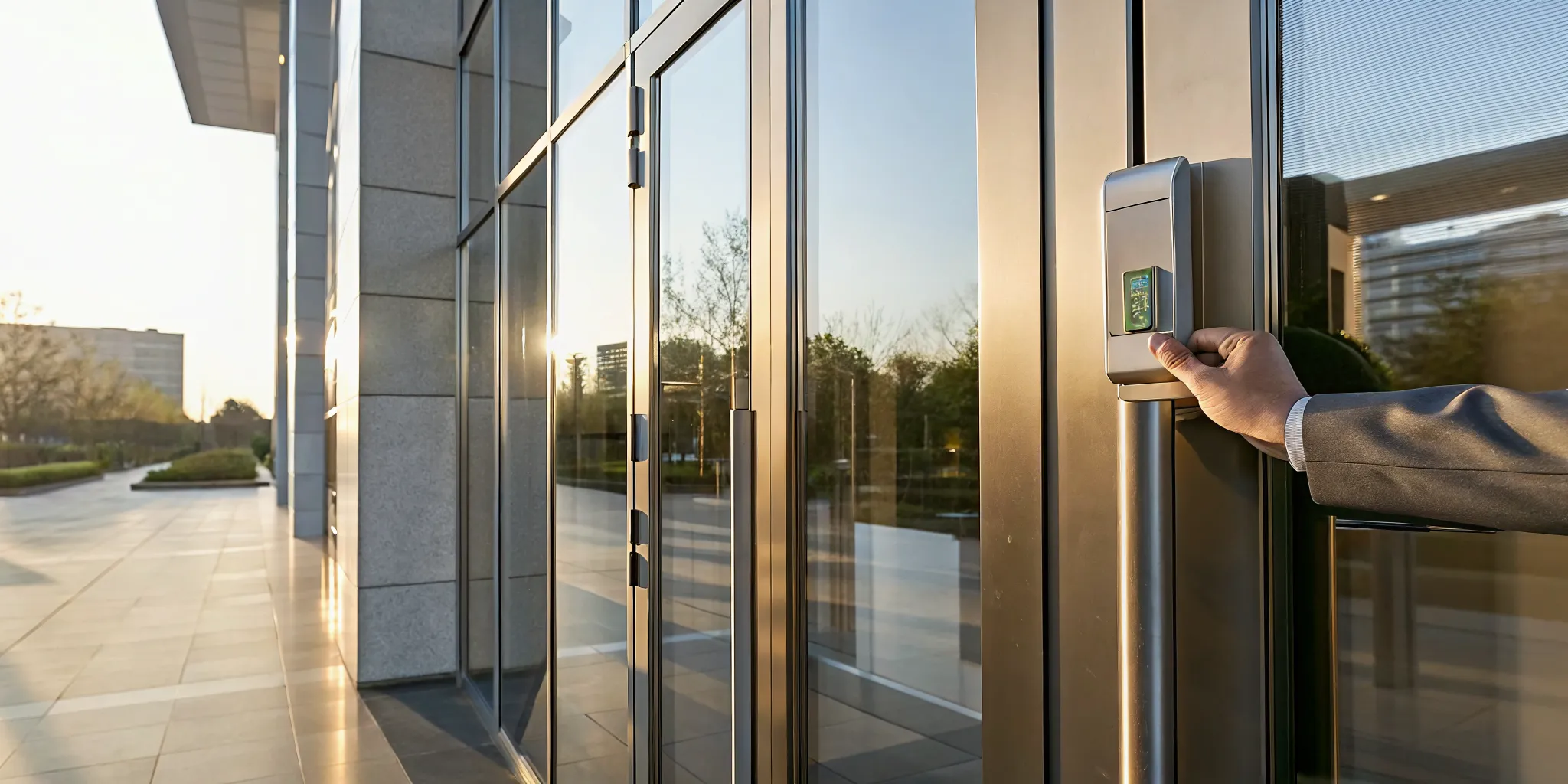
Building Access Control Systems Reduce Risk

Lost keys and outdated permissions turn ordinary doors into preventable operational risks. The right access control plan replaces blind spots with clear rules, timely records, and a stronger response.

Schedule a free on-site consultation with InVision Systems to review your building’s entry points and security priorities.

Building access control systems reduce operational risk by limiting entry to authorized people, recording access activity, and helping teams respond when credentials or roles change. They replace the uncertainty of physical keys with managed permissions for doors and sensitive areas, including storage rooms, server rooms, and industrial workspaces. Permissions can reflect job duties, time, and location; the NIST economic analysis of role-based access control explains how RBAC helps organizations manage access effectively. A well-designed system can also connect with cameras, support cloud or on-premise management, and provide records for incident reviews. For organizations comparing security solutions and local providers, expert design, correct installation, and ongoing support matter as much as the credential technology.

The practical question is not whether every facility needs the same system. It is which risks your organization must control and which local provider can design around them. How building access control systems reduce risk is the next step in making that decision. Here’s how.

How building access control systems reduce risk

Building access control systems reduce risk by managing who can enter each area and by recording access activity. This gives organizations a more consistent way to protect entry points than relying on mechanical keys alone. The right setup also limits access to sensitive spaces without adding needless steps for every employee.

Controlled entry for each space

Not every employee, contractor, or visitor needs access to every door. A warehouse storage area, server room, and office suite may each call for different permissions. Building access control systems let an organization match access rules to the needs of each area.

Those rules can be more precise than a simple list of badge holders. For example, NIST defines attribute-based access control as a method that grants rights through policies which combine attributes. A careful site assessment helps determine where this level of control is useful. Simpler access rules may be enough elsewhere.

Less manual key administration

Mechanical keys can create extra work when employees change roles, leave the organization, or need temporary access. An electronic system gives facility teams a clearer way to manage permissions for specific entry points. This helps teams avoid treating every access change as a lock-and-key project.

  • Set permissions around job needs and sensitive areas.
  • Review access when a role or staffing need changes.
  • Choose cloud or on-premise management based on the organization’s requirements.

InVision Systems offers cloud and on-premise options for different organizational security needs. Its key card and fob access control options are designed around the site’s actual entry points, workflows, and security priorities.

Visibility after an access event

A locked door can stop entry, but it does not explain what happened later. Modern access control systems can provide an audit trail of entry activity. That record helps security and facility teams review an incident with more context.

Visibility also supports day-to-day oversight. Teams can review access patterns and decide whether permissions still fit current operations. NIST’s analysis of role-based access control found that RBAC helps organizations manage access effectively and improve security management. The practical goal is straightforward: grant the right access, keep a usable record, and make changes when operations change.

How does a building access control system work?

A building access control system checks a credential before releasing a secured door. The reader captures the request, the controller compares it with stored rules, and the lock hardware responds. The software also records the event so authorized teams can review activity.

Employee using a badge reader for building access control systems at a commercial entrance

The parts behind each door decision

A building access control system checks a person’s credential before it releases a secured door. The credential may be a badge, fob, mobile pass, PIN, or biometric record. A reader at the entry point captures that credential and sends the request to a controller.

The controller is the decision point. It compares the request with the permissions stored in the system. Then it tells an electric strike, magnetic lock, or other release device what to do. A properly designed system connects each part to the needs of the site. InVision Systems plans and installs tailored access control solutions for that purpose.

  • Credential: Identifies the person requesting entry.
  • Reader: Captures the credential at the door or gate.
  • Controller: Checks the request against stored permissions.
  • Lock hardware: Keeps the opening secure or releases it after approval.
  • Management software: Lets authorized staff manage users, doors, schedules, and records.

What happens after someone presents a credential?

The process takes place in a short sequence. First, the reader sends the credential data to the controller. Next, the controller checks whether that user can enter that door at that time. If the request meets the set rules, the controller releases the lock. If not, the door stays secured.

The software also records the event. That record can show the credential, door, time, and whether access was granted or denied. This audit trail gives security teams a practical way to review activity after an incident. It also helps them spot repeated denied attempts or access outside an expected schedule.

Electronic permissions versus traditional keys

A mechanical key can open a matching lock, but it does not explain who used it. It also cannot apply rules for a person’s job, location, or approved schedule. Electronic permissions add that control layer. For example, NIST defines attribute-based access control as a method that grants rights through policies combining attributes.

This difference matters when staff, tenants, contractors, or vendors change. An authorized manager can update or remove an electronic credential in the software. The team can also limit access to selected doors instead of issuing a key with broader reach. The lock remains in place while the permission changes.

Traditional keys vs. modern access control

Mechanical keys can still fit a small site with few doors and stable access needs. The risk picture changes as staff, vendors, and tenants move between areas. Building access control systems give managers a more structured way to set entry rules and review activity.

Permission changes and lost credentials

Apartment Building Access Control Systems 101

Today’s renters expect more than just four walls and a roof; they want convenience, security, and a modern living experience. Fumbling for keys in the dark or being unable to let a guest in remotely feels outdated. Upgrading to one of today’s apartment building access control systems is a powerful way to meet these expectations and make your property stand out. By allowing residents to use their smartphone as a key or easily grant temporary access to visitors, you provide a seamless experience they’ll appreciate. For property managers, this translates into higher resident satisfaction and a valuable amenity that attracts high-quality tenants. This article will explore the different types of systems and features that enhance the resident experience while making your property safer and easier to manage.

Key Takeaways

  • Streamline Operations with Remote Management: An electronic system lets you grant or revoke access instantly from a central dashboard, saving you from the costs and headaches of rekeying locks. This gives you precise control while offering residents simple entry with fobs or their smartphones.
  • Choose a System Based on Your Building’s Needs: The right solution is not the most expensive one; it’s the one tailored to your property’s size, number of entry points, and resident preferences. A custom fit ensures you get the features you need without overspending.
  • Integrate Systems for Layered Security: Your access control becomes much more powerful when connected to your other security tools. Linking it with cameras provides visual proof for every entry, while integration with alarms creates a comprehensive safety net for your property.

What Is an Apartment Access Control System?

At its core, an apartment access control system is a smart way to manage who can enter your building, and when. Think of it as a modern gatekeeper for your entire property, from the main entrance to the fitness center and storage areas. The goal is to find that perfect balance between keeping residents safe and making access simple for everyone. Instead of relying on old-fashioned metal keys that can be easily lost or copied, these systems use electronic credentials to grant entry.

This technology gives you, the property manager, precise control over every access point. You decide who gets in, which doors they can open, and during what hours. It’s a significant step up from a simple lock and key, offering a more secure and flexible solution for multi-family buildings. A well-designed access control system not only protects your property and tenants but also streamlines your day-to-day operations, saving you time and reducing headaches.

Moving Beyond Traditional Locks and Keys

Let’s be honest, traditional keys are a hassle. When a tenant moves out and doesn’t return their key, you’re left with a security risk and the potential cost of rekeying locks. Keys get lost, stolen, or duplicated without your knowledge, leaving your building vulnerable. Modern access control systems solve these problems by replacing physical keys with more secure electronic options. Residents can use key cards, fobs, or even their own smartphones to get in. If a credential is lost or a tenant moves out, you can deactivate it instantly from a central dashboard. These systems, including advanced phone entry systems, offer a level of convenience and security that traditional locks simply can’t match.

Who Manages and Benefits?

While residents enjoy the ease of keyless entry, property managers are the ones who truly reap the operational rewards. You can oversee your entire building’s access from a single, centralized platform on your computer or mobile device. Need to grant a new resident access? It takes just a few clicks. Have a plumber scheduled for a repair? You can provide temporary access for a specific time window without ever handing over a physical key. This centralized control makes managing your property much more efficient. You can easily add or remove users, adjust permissions, and review entry logs. This setup provides peace of mind for everyone, making it a valuable asset for any of our commercial services clients managing residential properties.

Your Guide to Access Control System Types

Choosing the right access control system feels like a big decision, but it’s much simpler when you break down the options. Each type offers a different balance of security, convenience, and cost. The best fit for your apartment building depends on your property’s layout, your residents’ needs, and your management style. Think about who needs access, where they need it, and how you want to manage it all. From traditional keycards to modern smartphone apps, let’s look at the most common systems so you can find the perfect match for your property.

Key Fobs and Keycards

You’ve likely seen these everywhere. Key fobs and keycards are small, programmable tags or cards that residents tap on a reader to unlock a door. They are incredibly reliable and simple for residents to use, which makes them a popular choice for many buildings. The main drawback is that physical items can be lost or stolen. If a card falls into the wrong hands, it poses a security risk until it’s deactivated. Replacing lost fobs can also become a recurring expense and administrative task, so it’s important to have a clear policy for managing them.

Smartphone and Mobile App Access

For a truly modern approach, mobile access turns a resident’s smartphone into their key. Using technologies like Bluetooth or NFC, residents can unlock doors with a simple tap or even just by being near the reader. This system eliminates the need for physical keys, which means one less thing for tenants to lose. It also gives property managers powerful remote capabilities, like granting temporary access for guests or delivery services from anywhere. A strong access control plan often incorporates mobile solutions for ultimate convenience and oversight.

Keypad and PIN Code Entry

Keypad systems are a straightforward and often inexpensive way to manage access. Residents simply enter a unique personal identification number (PIN) to unlock the door. Installation is typically easy, and there are no physical keys to manage, lose, or replace. However, the security of a keypad system depends entirely on the secrecy of the codes. PINs can be shared with unauthorized individuals, forgotten, or even guessed if they are too simple. This makes them a good option for lower-security areas but potentially risky for main entry points without additional security measures.

Biometric Systems

Biometric systems offer the highest level of security by using unique biological traits for identification. This includes fingerprint scanners, facial recognition, or even retinal scans. Because these traits are unique to each individual, it’s nearly impossible for an unauthorized person to gain entry. This technology completely removes the need for keys, fobs, or codes. While biometrics provide unmatched security, they are also the most expensive option and can sometimes bring up privacy considerations among residents. They are most common in luxury buildings or high-security commercial properties.

Video Intercoms and Phone Entry

Video intercoms and phone entry systems add a crucial layer of visual confirmation to your building’s access control. These systems allow residents to see and speak with visitors through a unit in their apartment or an app on their smartphone before granting entry. This is perfect for managing guests and deliveries, as residents can verify who is at the door from anywhere. It not only improves security by preventing strangers from being buzzed in blindly but also adds a significant amount of convenience for both tenants and property managers.

Key Features Your System Should Have

When you start comparing access control systems, the number of features can feel overwhelming. The right system, however, isn’t just about having the most bells and whistles. It’s about having the right tools that make life easier and safer for both you and your residents. A modern system should offer a blend of security, convenience, and administrative efficiency. Let’s walk through the essential features that will make a real difference in how you manage your property and provide a secure living environment for your tenants. These are the non-negotiables you should look for in any apartment access control solution.

Remote Management and Mobile Access

Imagine being able to manage your entire building’s access from a single dashboard, whether you’re in the office or on the go. That’s the power of remote management. You can instantly issue, modify, or revoke digital credentials without the hassle of changing physical locks or tracking down old keys. This feature alone saves countless hours and headaches. For residents, mobile access means their smartphone becomes their key. They can use it to unlock doors and even grant remote entry to guests, offering a level of convenience that traditional keys simply can’t match. A well-designed access control system puts this power directly into your hands.

Seamless Guest and Visitor Access

How your building handles guests and deliveries says a lot about its quality and security. A modern system makes this process smooth and secure. Look for video intercoms that allow visitors to call residents directly. Residents can see who is at the door through a video feed on their phone and grant access with a simple tap. For planned visits or package deliveries, residents can issue temporary digital keys or codes from their app. This eliminates the need for residents to be physically present to let someone in and prevents strangers from being buzzed in without verification. These smart phone entry solutions add a layer of sophisticated convenience that tenants appreciate.

Detailed Activity Logs and Audit Trails

Knowing who is coming and going is fundamental to building security. A key feature of any good access control system is its ability to maintain detailed activity logs. Every time a credential is used to enter a door, the system creates a time-stamped record. This audit trail is invaluable for accountability and for investigating any security incidents that may occur. If a door is propped open or an unauthorized entry is attempted, you have a clear record to review. These logs help you understand traffic patterns, identify potential security risks, and provide peace of mind for everyone in the building.

Integration with Cameras and Alarms

Your access control system becomes exponentially more powerful when it works with your other security components. Integration is key. When you connect your access control with security cameras, you can visually verify every entry event. If an alert is triggered, the system can automatically pull up the relevant video footage, giving you the full context of the situation. Linking to burglar alarms means an unauthorized access attempt can trigger an immediate alarm and notification. This creates a cohesive, layered security network where each component supports the others, providing comprehensive protection for your property and residents.

Cloud-Based Management

Many of today’s best access control systems are managed through the cloud. This simply means you can control the system from any internet-connected device using a secure web portal or app. Cloud services eliminate the need for bulky, on-site servers, which reduces hardware costs and maintenance. It also makes the system incredibly scalable and flexible. For property managers, especially those overseeing multiple buildings, cloud-based management is a game-changer. It centralizes control, simplifies updates, and ensures your system is always running the latest, most secure software without requiring a technician to visit the site.

Reliable Emergency Access

In an emergency, every second counts. Your access control system must provide reliable access for first responders while keeping the building secure. Modern systems can be programmed to grant automatic access to emergency services when an alarm is triggered. At the same time, property managers can remotely unlock specific doors to facilitate an evacuation or allow entry for personnel, even when they aren’t on-site. Furthermore, many new systems can be installed using your building’s existing wiring, which makes upgrading from an older system more affordable and less disruptive, ensuring your emergency protocols are always supported by dependable technology.

Why Upgrade Your Building’s Access Control?

Moving on from traditional locks and keys is about more than just adopting new technology. It’s a strategic decision that offers real, tangible benefits for your property, your residents, and your management team. A modern access control system makes your building safer, more convenient, and better equipped for the future. It’s an investment that streamlines operations and provides the peace of mind that comes with knowing your property is truly secure.

Improve Security for Residents and Property

Traditional keys pose a significant risk; they can be lost, stolen, or copied without your knowledge, creating permanent security gaps. Upgrading to a modern access control system replaces these vulnerabilities with verifiable security. You gain the ability to see exactly who enters your property and when, creating a detailed activity log that provides peace of mind for residents and crucial data for property managers. Instead of wondering who has a copy of a key, you have a clear record of every entry. This heightened oversight not only helps resolve incidents but also acts as a powerful deterrent, making your entire property safer for everyone.

Add Convenience for Tenants and Managers

An access control upgrade simplifies life for everyone. Residents no longer have to fumble for keys and can enjoy seamless entry using a key fob, a PIN code, or even their smartphone. In a world where people use their phones for everything, offering mobile access with a phone entry system meets modern expectations for convenience. For property managers, the benefits are even greater. You can say goodbye to the time-consuming process of rekeying locks or managing physical keys. With a centralized system, you can grant or revoke access remotely, manage permissions for different areas, and handle tenant turnover with just a few clicks, streamlining your daily operations.

Prevent Unauthorized Access

One of the biggest weaknesses of physical keys is the ease of unauthorized duplication. Once a key is copied, you lose all control over who can access your building. Modern access control systems eliminate this threat entirely. If a key card or fob is lost or stolen, you can deactivate it instantly, securing the entry point immediately. These systems also create detailed audit logs that show every access attempt, successful or not. This digital trail is a strong deterrent against unauthorized entry and provides invaluable information if a security breach occurs. When integrated with security cameras, you can visually verify that the person using the credential is the one authorized to do so.

A System That Grows with Your Property

Your property isn’t static, and your security system shouldn’t be either. A key benefit of upgrading your access control is scalability. The right system is a flexible foundation that can adapt as your building’s needs change over time. Whether you’re adding a new wing, renovating a common area like a gym, or want to integrate new security features, a scalable system can grow with you. You can easily add new doors, update user permissions, or connect your access control with other solutions like burglar alarms. This future-proofs your investment, ensuring your security infrastructure remains effective and relevant for years to come.

How to Choose the Right System for Your Property

Selecting the right access control system feels like a big decision, because it is. This system will become a fundamental part of your property’s daily operations and security. The best choice isn’t always the most expensive or the one with the most features. Instead, it’s the one that fits your building, your residents, and your management style perfectly. By thinking through a few key areas, you can find a solution that provides security and convenience for years to come. Let’s walk through the essential factors to consider.

Your Building’s Size and Entry Points

First, take a look at your property’s physical layout. A small apartment building with a single front door and a back entrance has very different needs than a large, multi-building complex with a parking garage, gym, and pool. The number of doors you need to secure will directly influence the type of access control system that makes sense. For a simpler property, a standalone keypad or key fob system might be enough. For larger properties, you’ll want a networked system that allows you to manage every entry point, from individual apartment doors to common areas, from a single, centralized platform.

Resident Needs and Usability

An access control system is only effective if your residents use it correctly and consistently. Think about who lives in your building. Are they tech-savvy young professionals who would appreciate the convenience of using their smartphone as a key? Or is your community home to older residents who might prefer the simplicity of a physical keycard or fob? The goal is to make their lives easier, not more complicated. Offering a user-friendly solution like a modern phone entry system can reduce friction and improve resident satisfaction, making your property a more desirable place to live.

Compatibility with Existing Systems

Your access control system shouldn’t operate in a silo. For a truly secure environment, it needs to work hand-in-hand with your other security measures. If you already have security cameras or a burglar alarm, make sure your new access control system can integrate with them. When these systems are connected, you can create a more cohesive security strategy. For example, you could set up your system to automatically record video footage whenever a specific door is accessed or trigger an alarm during an unauthorized entry attempt. This creates layers of protection that are much stronger together than they are apart.

Future-Proofing and Scalability

Your property isn’t static, and your security system shouldn’t be either. You might plan to build a new wing, add a community workspace, or simply want to adopt new technology as it becomes available. Choose a system that is flexible and scalable enough to grow with you. A modular system allows you to add new doors or features without having to replace the entire setup, saving you significant time and money in the long run. Planning for the future from the start ensures your initial investment continues to pay off as your property evolves and resident needs change.

Long-Term Support and Maintenance

Installation is just the beginning of your relationship with an access control system. You need a plan for ongoing support and maintenance. Who will you call if a key fob stops working or the software needs an update? This is where choosing the right partner is just as important as choosing the right hardware. Many modern systems use cloud services to handle software updates automatically, which reduces the burden on your staff. Look for a provider that offers reliable, long-term support to ensure your system remains effective and secure for its entire lifespan.

Debunking Common Access Control Myths

Thinking about a new access control system can feel overwhelming, especially when there are so many misconceptions floating around. It’s easy to get stuck on what you think you know, which can stop you from making a security upgrade that would greatly benefit your property and residents. Let’s clear the air and tackle some of the most common myths about apartment access control. The truth is that modern systems are more accessible, flexible, and user-friendly than ever before. By getting the facts straight, you can make a confident and informed decision for your building.

Myth: It’s Too Complex to Install

Many property managers picture a messy, disruptive installation with endless wiring and construction. While that might have been true for older systems, today’s technology is much more streamlined. Many modern systems are managed through the cloud, which significantly simplifies the setup. These cloud-based services allow you to manage access from anywhere with an internet connection, reducing the need for extensive on-site hardware and complex wiring. A professional partner can assess your building’s existing infrastructure and design an installation plan that is efficient and minimally disruptive for you and your tenants.

Myth: It’s Only for Large Properties

It’s a common belief that sophisticated access control is reserved for massive, high-end apartment complexes. This simply isn’t true. Security is a universal need, and modern access control solutions are designed to be scalable for any size property, from a small four-unit building to a large multi-building community. The key is finding a system that fits your specific needs and budget. You don’t need to invest in a system designed for a skyscraper if you manage a dozen units. We specialize in creating customized security solutions that provide the right level of security for your unique property.

Myth: More Expensive Is Always Better

When it comes to technology, it’s easy to assume that a higher price tag guarantees better performance. With access control, that’s not always the case. The “best” system isn’t the most expensive one; it’s the one that fits your building’s needs, is easy for your residents to use, and can adapt as your property evolves. Paying for a top-of-the-line system with features you’ll never use is not a smart investment. Instead, focus on finding a flexible, reliable system that provides real value. With smart planning and available financing options, the right system is well within reach.

Myth: Installation and Training Are an Afterthought

Some people focus so much on the hardware that they forget about the human element. A state-of-the-art system is only effective if your team knows how to manage it and your residents can use it easily. Proper installation and comprehensive training are critical. Modern access control allows you to manage everything from your phone or computer, like adding new residents or granting temporary access to vendors. But these powerful features are useless without the knowledge to operate them. A great security partner won’t just install your system and disappear; they will provide thorough training and ongoing support to ensure you get the most out of your investment.

Breaking Down the Costs of Access Control

Let’s talk about the numbers. When you’re considering a new access control system, the price tag is obviously a major factor. But the total cost isn’t just about the hardware you see on the wall. It’s a combination of the initial investment, any ongoing service fees, and the long-term value the system brings to your property. Understanding the complete financial picture helps you choose a solution that fits your budget now and continues to pay off for years to come.

Think of it as an investment in your property’s security, efficiency, and appeal to residents. A modern system can reduce staff time spent on lockouts, make package deliveries smoother, and give tenants a greater sense of safety. It also adds a premium feel to your building, which can be a deciding factor for prospective renters. When you look at it that way, the right system isn’t just an expense; it’s a strategic upgrade for your building. To make the best decision, you need to break down the costs into a few key areas, from the initial hardware to the services that keep it running perfectly. This approach ensures there are no surprises down the road and that you get the most out of your investment.

Initial Investment by System Type

The upfront cost of an access control system varies widely depending on the technology you choose. A basic, traditional key-based system might have a lower initial price, but electronic systems offer far more security and convenience. For a modern access control setup using keycards, fobs, or mobile apps, the initial investment will be higher because it includes more advanced hardware, software, and professional installation.

For example, a system for a small building can range from a few thousand dollars to over $20,000, depending on how many doors you need to secure and the type of readers you select. While systems with smart technology like cloud-based management have a higher starting price, they often provide long-term savings by streamlining operations and reducing the need for manual oversight.

Subscription and Maintenance Fees

Beyond the initial purchase, it’s important to plan for ongoing costs. Many modern access control systems, especially those managed through the cloud, operate on a subscription model. These monthly or annual fees typically cover essential services like software updates, customer support, and secure data storage for your access logs. This ensures your system stays current with the latest security features and runs smoothly without any surprise expenses.

Regular maintenance is also key to protecting your investment and ensuring your system remains reliable for residents. A maintenance plan can prevent small issues from turning into big problems, giving you peace of mind. These plans often cover routine check-ups and service calls, helping you budget for upkeep and extend the life of your hardware.

Financing and Package Deals

A significant upfront investment doesn’t have to be a barrier to upgrading your building’s security. Many security providers understand that this is a major purchase, which is why they offer flexible payment solutions. With financing options, you can spread the cost of a new system over time, making it much more manageable for your property’s budget. This allows you to get the security you need now without a massive capital outlay.

You can also look for package deals that bundle hardware, software, and installation services together. These packages often come at a discounted rate and simplify the entire process, as you’re getting a complete, ready-to-go solution from a single partner. It’s a great way to get everything you need while ensuring all the components are designed to work together perfectly.

Find the Right Access Control Partner for Your Property

Choosing the right system is only half the battle; finding the right partner to install and support it is just as important for the long-term safety and convenience of your building. A great partner acts as your guide, helping you select, install, and manage a solution that truly fits your property and residents. They should offer a modern access control system that gives people multiple ways to get in, like key fobs, codes, or mobile apps, which accommodates everyone’s preferences. Just as crucial is the ability for you or your property manager to handle all permissions from a single, user-friendly platform. Adding a new resident or removing an old one should be a simple task you can do from anywhere, not a complicated chore.

Your security works best when all its parts work together. That’s why you should look for a partner who can seamlessly integrate your access control with other security features, such as video surveillance. Connecting these systems means you can visually confirm who is entering the building, which adds a powerful layer of accountability. Many of the best systems today are cloud-based, which simplifies remote management and often reduces the amount of complex wiring needed for installation. A forward-thinking partner will recommend these solutions to make your life easier.

Finally, avoid any company that pushes a one-size-fits-all product. Every building is different. A small, three-flat has very different needs than a sprawling luxury apartment complex. A trustworthy partner will take the time to assess your property’s unique layout, entry points, and resident needs to design a truly customized security plan. They’ll also discuss ongoing support and maintenance, ensuring your system remains reliable for years to come. This tailored approach is the key to a successful and stress-free security upgrade for your residential property.

Related Articles

Frequently Asked Questions

What happens to the locks if the power or internet goes out? This is a great question and a common concern. Professional access control systems are designed with backups in mind. The door readers and locks are typically connected to a battery backup that keeps them running during a power outage, so residents can still get in. For systems that rely on the internet for management, the credentials themselves (like key fobs or mobile app data) often work locally at the reader, meaning an internet disruption won’t lock everyone out.

Is it difficult for residents to get used to a new access control system? Most residents adapt very quickly and end up loving the convenience. The key to a smooth transition is clear communication. We find the best approach is to let tenants know about the upgrade well in advance, explain the benefits, and provide simple instructions. Many people already use their phone or a key card for work or other services, so the concept is familiar. A good system is intuitive, and a good installation partner will help you with the training and resources to make the switch seamless for everyone.

How secure is using a smartphone for access? Can’t it be hacked? Mobile access is surprisingly secure, often more so than a physical key. These systems use strong encryption to protect the communication between the phone and the door reader, similar to the technology used for mobile payments. The biggest security advantage is that if a resident loses their phone, you can instantly revoke its access from your management dashboard. You can’t do that with a lost metal key, which remains a security risk until you rekey the lock.

I only manage a small building. Is a full access control system overkill? Not at all. Access control systems are completely scalable and offer huge benefits for smaller properties. Think about the time you spend managing physical keys, dealing with lockouts, or worrying about unauthorized key copies. A simple, modern system can solve all those problems. You can choose a solution that covers just one or two main entrances, providing better security and easier management without the complexity or cost required for a massive complex.

What is the first step to figuring out what my property needs? The best way to start is with a professional assessment of your property. A security expert can walk the site with you, look at your entry points, and discuss your specific goals and challenges. This isn’t about a hard sell; it’s about understanding your building’s unique needs. From there, they can recommend a few tailored options that fit your property and your budget, giving you a clear path forward.