
Fleet Vehicle Tracking: A Guide for Business Owners
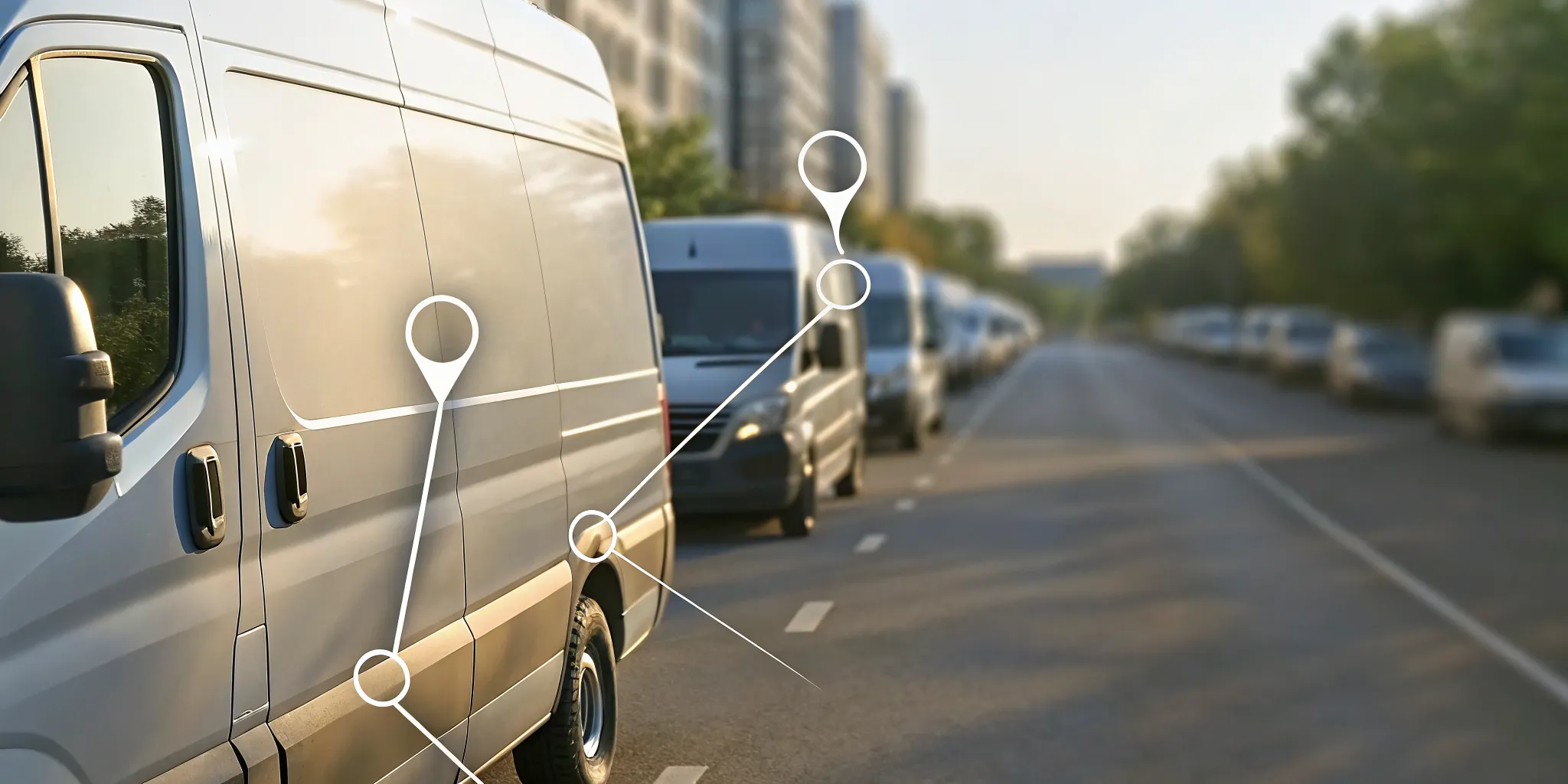
A plumbing company with twelve service vans can lose billable hours when dispatchers guess which driver is closest. A contractor can also lose equipment overnight without an alert. Fleet vehicle tracking replaces those blind spots with useful, real-time information.
Request a customized fleet vehicle tracking consultation with InVision Systems.
Fleet vehicle tracking combines GPS location data with vehicle and driver information in one dashboard. Business owners use it to dispatch the nearest vehicle, verify job-site arrivals, reduce avoidable idling, schedule maintenance, and respond faster to theft. The right system turns daily fleet activity into decisions that protect time, vehicles, and margins.
Learning how the technology works is the first step toward choosing a system that solves the right operational problems instead of producing reports no one uses.
What is fleet vehicle tracking?
Fleet vehicle tracking is a system that uses GPS tracking technology to see where your cars, vans, or trucks are in real-time. It helps business owners and managers keep an eye on their assets from a single computer or phone. This tool is part of a full comprehensive commercial security plan. It does more than just show a dot on a map. It gives you deep insight into how your fleet moves each day.
How GPS and telematics work
The system starts with a small device hidden in each vehicle. This unit talks to at least 24 satellites that orbit the earth. The Global Positioning System (GPS) uses these signals to find the exact spot of the device. But tracking also uses telematics. This tech sends data like speed, idle time, and fuel use back to your office. It turns simple location dots into useful data for your business.
Most modern systems send these updates every 1 to 30 seconds. This means you always have a fresh view of your team on the road. You can see if a driver is on the right path or if they have stopped for too long. For many firms, fleet vehicle tracking services are the key to staying lean and safe. It lets you find problems before they cost you time and money.
From the road to your screen
The flow of data is fast and simple. First, the device in the truck picks up satellite signals to mark its spot. Next, it sends that info through a cell network to a secure cloud server. The server stores the data and cleans it up so it is easy to read. Finally, you see all this in a clean dashboard on your own device. You do not need to be a tech expert to use it.
A good dashboard shows you a live map of all your vehicles at once. You can also run reports to see where drivers went over the last few days or weeks. This helps you find better routes and save on fuel. It also helps with safety. You can get alerts for fast driving or hard braking. This keeps your drivers safe and your insurance costs low. Knowing where your assets are at all times gives you peace of mind.
Fleet tracking benefits for business owners
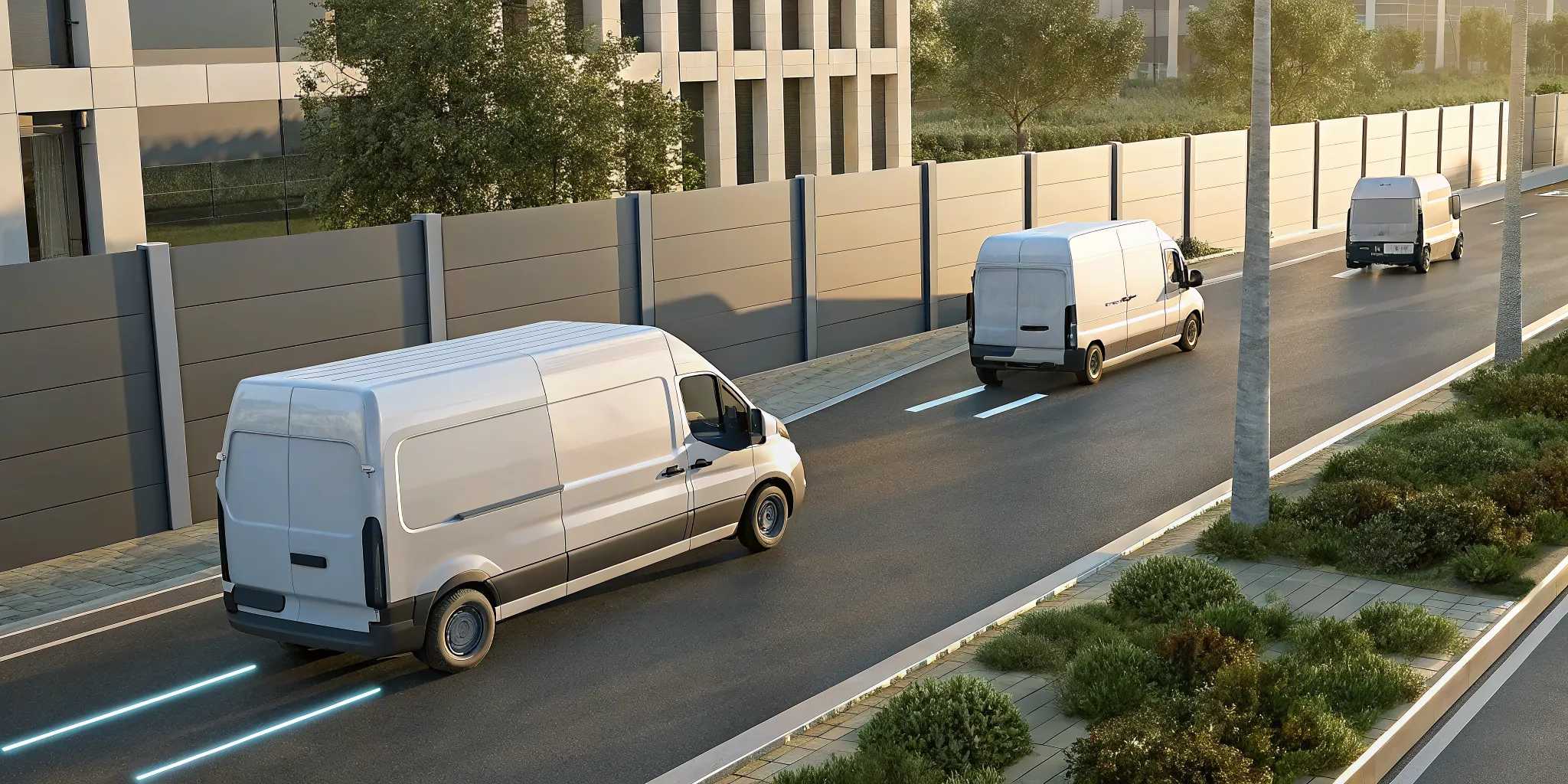
Fleet tracking helps owners improve dispatching, document completed work, reduce unauthorized use, and spot unsafe or costly driving patterns. Its value comes from acting on exceptions: reroute the closest van, investigate repeated idling, schedule service before a breakdown, or respond to an after-hours movement alert.
For example, an HVAC dispatcher can send the nearest technician to an emergency call instead of phoning every driver. A landscape company can confirm when a crew arrived and left without relying on handwritten time sheets. Using fleet vehicle tracking services makes those decisions faster and easier to document.
Better daily operations
Knowing where your trucks are helps you plan better routes. When you see your vehicles on a map, you can pick the best path for each driver. This saves time and helps your team reach more clients. Good fleet vehicle tracking shows you how to use every hour of the work day well. You can send the closest driver to a new job, which makes your service faster.
This tech also helps you stay on top of car care. You can set up alerts to remind you when a truck needs an oil change or new tires. Keeping your fleet in good shape prevents big repair bills later. Systems that use GPS can work all year to help you track your assets and manage your equipment in any season. This keeps your business moving without unexpected stops.
Safety and theft response
Asset safety is a top worry for any owner. If a truck is stolen, you need to find it fast to get it back. Real-time tracking lets you see where a stolen vehicle is right away. This quick response can help the police find your property before it is lost for good. It adds a strong layer of comprehensive commercial security to your firm.
Safety tools also help your drivers stay safe on the road. When drivers know their speed is tracked, they tend to follow the law more closely. One study found that using this tech led to a large drop in speeding and better use of seat belts. Helping your team drive safe keeps them out of harm’s way and protects your business from risk.
Accountable and clear work
Your clients want to know when to expect your team. Tracking helps you give them clear times for when your driver will arrive. This builds trust with the people you serve. It also shows you which drivers are doing their best and who might need more training. This clear view makes it easy to talk to your team about their work and goals.
Which fleet vehicle tracking features matter most?
The most useful features are live location, route history, geofencing, driver-behavior alerts, maintenance reminders, and clear reports. Prioritize features tied to a specific decision. A live map supports dispatching, a geofence flags unauthorized movement, and maintenance alerts help prevent avoidable downtime.
A five-van service company may need simple dispatch and maintenance alerts, while a contractor storing trucks and trailers in a yard may prioritize after-hours geofences and theft response. For many firms, fleet vehicle tracking services are a core part of a broader safety plan.
Do not pay for every available metric. Choose the smallest set your managers will review and act on consistently, then expand after the first workflows are working.
Real time maps and geofencing
Live maps show where your trucks are now. This helps you give fast updates to clients and find better routes. Geofencing lets you draw a boundary around a job site and receive an alert if a truck leaves it.
For a roofing contractor, an after-hours geofence alert may justify an immediate call to the driver or police. During the workday, the same feature can verify arrival times without interrupting a crew. Define the response for each alert before turning it on.
Safety and asset tools
Safety is a top goal for any fleet. Tracking systems can show speeding, hard braking, and seat belt use. One study by the Missouri DOT found an 85 percent rise in seat belt use.
Use behavior reports to identify a pattern before coaching a driver, not to react to one isolated event without context. Maintenance alerts also help teams manage assets better and document why planned repairs are worth the cost.
Core feature breakdown
A good tracking system does more than show dots on a map. Reports should reveal which vehicles cost the most to run and where time is being lost. For example, a weekly idle-time report can show whether fuel waste is concentrated in one route, vehicle, or crew.
Assign each report an owner and a review schedule. If no one can name the decision a report supports, remove it from the dashboard. A focused setup is easier to manage and gives the business a clearer way to measure results.
| Feature | What it tells you | Business question |
|---|---|---|
| Live Location | Exact spot of every truck | Where is my driver now? |
| Route History | Path taken and stops made | Did they take the best path? |
| Geofencing | When trucks enter or leave zones | Are they on the job site? |
| Driver Behavior | Speed, braking, and idle time | Is my team driving safe? |
| Maintenance Alerts | When a truck needs service | Is the fleet ready to roll? |
| Reporting | Total fuel use and work hours | How can I save more money? |
How to choose a fleet vehicle tracking system
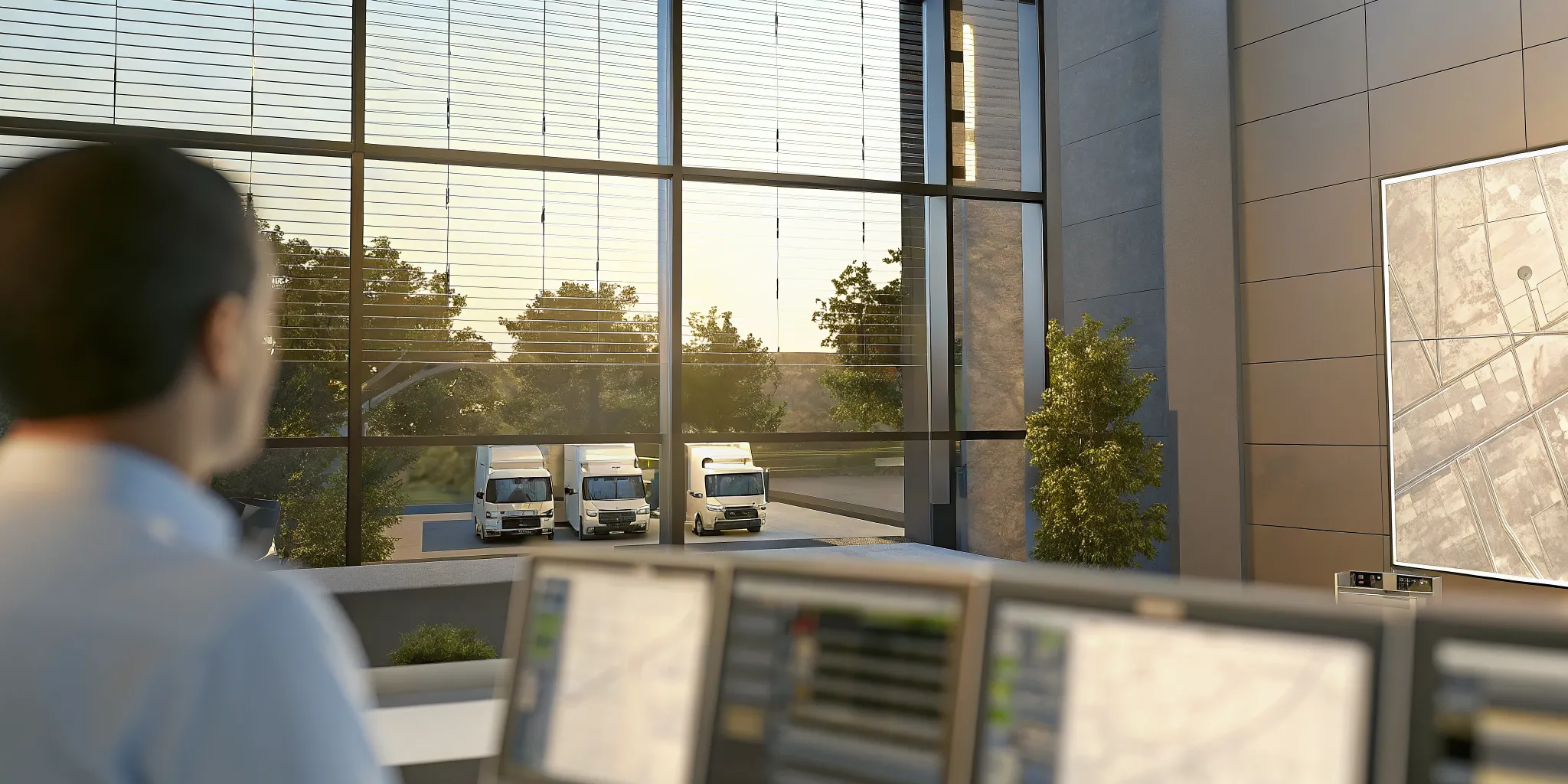
Choose a system by defining the business problem first, then comparing update speed, alerts, reporting, installation, support, integrations, and total cost. Ask vendors to demonstrate your real workflows, such as dispatching an urgent call or investigating after-hours movement, rather than judging a long feature list.
Start with two or three measurable goals. A delivery business might target late arrivals, while a construction company may care most about equipment theft and unauthorized vehicle use. Before buying, decide who will review each alert and what action that person should take.
Discuss the right tracking features for your fleet with InVision Systems.
Check your fleet size and asset types
First, think about the size of your fleet. A small business with five vans has different needs than a large firm with a hundred trucks. You also need to track more than just cars. Many firms now use asset tracking and management practices to keep tabs on tools and heavy gear. This helps you know where every piece of gear is at all times.
You should also think about how your fleet will grow. A good system is easy to scale up as you add more vehicles. If you plan to grow soon, pick a tool that can handle more data without a lot of extra work. This saves you from having to switch systems later on. You want a tool that can grow as fast as your shop does.
Look at data speed and reporting
Next, check how often the system updates. Some tools show you where a vehicle is in real-time. Others might only update every few minutes. Fast updates are key if you need to give customers quick arrival times. You also want a system that gives you clear alerts. These can tell you if a driver is speeding or if a vehicle needs care. Having this data helps you stay on top of vehicle upkeep.
Good data helps you make smart choices. In fact, using vehicle tracking tools can lead to much safer driving habits. It has helped some fleets see a big rise in seat belt use and fewer speeding issues. You can use fleet vehicle tracking services to get these safety wins for your own team. Better driving keeps your staff safe and lowers your insurance costs over time. It also protects your brand by making sure your drivers are polite on the road.
Think about setup and total cost
Total cost is more than just the price of the hardware. You must also think about the cost to set it up and keep it running. Some systems are easy to plug in and use. Others need a pro to install them. It is often best to work with a team that offers full commercial security and support. They can make sure your new tool links up well with your other business gear. You may want your tracking tool to talk to your fuel cards or route maps. This link makes your office work much faster.
Support is just as vital as the tool itself. If a tracker stops working, you need help fast. Ask about the help desk hours and how long it takes to get a fix. You want a partner who knows the local area and can come to you. InVision Systems offers a free on-site meeting to help you find the best fit for your fleet. This helps you see the true cost and value before you commit to a plan. By talking to an expert, you can find a system that fits your budget and your goals.
How to implement fleet tracking responsibly
Responsible implementation starts with written goals, a clear employee policy, limited access to data, and coaching-focused alerts. Tell drivers what is collected, when tracking occurs, who reviews it, and how it will be used. Establish a baseline, review results monthly, and adjust alerts that create noise without improving safety or operations.
Set your main goals
Starting with clear goals helps you get the most from your fleet vehicle tracking services. You should know if you want to save on fuel, stop theft, or help your drivers stay safe. Setting these aims early lets you choose the right tools and alerts for your team’s needs.
A good plan also keeps costs down. When you know what you need to track, you do not pay for extra features that you will not use. This focus helps you see a clear return on your spend. It also makes it easier to show your team why the new tech is good for the whole firm.
Talk with your staff
You must tell your staff about the new system before you start. Clear talk builds trust and helps people feel safe with the change. Tell them how the tech helps with work, like making stops faster or helping with car care. You should also check your local laws to make sure your plan follows all rules for staff data.
Most workers want to do a good job and stay safe on the road. Show them how the data can prove they are good drivers. This can help with morale and make the move much smoother. When people know the why behind the tool, they are more likely to support it.
- Find what your firm needs. Decide which stats matter most, such as fuel use, idle time, or route speed. Clear aims lead to better results.
- Write down your rules. Put your rules in writing so everyone knows how the data is used. This should cover staff data and how you judge work.
- Set up the tools with care. Work with experts to get the tech right. Help from a full business safety firm keeps the tools hidden and working well.
- Set up alerts and train bosses. Tell the system to ping you for things like speeding or hard braking. Train your bosses to use these notes to coach drivers, not just punish them.
- Track your first stats. Record your facts for the first month to see where you stand. Studies show that using fleet vehicle tracking can lead to a 70 percent drop in speeding in the first year.
- Check and change. Look at your data once a month to find new ways to save. Regular checks help you keep your fleet running well and safe for everyone.
Focus on driver safety
The best use of tracking tech is to keep your people safe. High speeds and hard turns can lead to bad crashes and high car costs. When you use the data to coach your team, you create a culture of safety. This protects your staff and your brand at the same time.
Safety gains can be huge for teams that use this tech right. In one case, some groups saw a 85 percent rise in seat belt use after they started tracking. These small changes add up to big wins for the firm and its workers. It is a win for everyone when the crew gets home safe each day.
How does fleet tracking fit into a wider security plan?
Fleet tracking is strongest when connected to the rest of an asset-protection plan. Geofence alerts can flag a vehicle leaving a secured yard, while cameras and access-control records help managers verify who moved it. This combined evidence supports a faster, more informed response to theft, unauthorized use, and operational disruptions.
Asset protection works best when you view it as one connected system. For Chicago businesses, fleet vehicle tracking is not just about dots on a map. It is a key piece of a custom security plan. By linking vehicle data with other tools, you build a shield that covers your whole site and every mobile asset.
Protect your mobile assets
Your fleet is a set of moving parts that need constant care. High-tech systems help you track trucks, vans, and tools in near real-time. This 360-degree view helps you see how your team works each day. It also helps you spot risks to your assets before they lead to big losses. A GPS tracking system can be used all year to manage assets and keep costs low.
The goal is to move from reactive fixes to proactive safety. When you know where every truck is, you can stop theft and unauthorized use. This level of insight fits perfectly with industrial security monitoring for warehouses and yards. It ensures that your security stays strong, even when your team is out on the road.
Improve safety for your team
Security is as much about people as it is about property. Modern tracking tools can lead to big gains in how safely your team drives. Some groups saw an 85 percent jump in seat belt use after they put vehicle tracking tech in place. They also saw 70 percent less speeding in just the first year of use.
Safe driving reduces the risk of accidents and helps keep your insurance rates low. It also protects your brand name on the streets of Chicago. By adding these metrics to your wider plan, you show that you care about your team. This focus on safety is part of a comprehensive commercial security model that keeps your business running smooth.
Build a custom strategy
No two businesses have the same needs. A full security plan should link your yard cameras, gate locks, and vehicle tracking into one system. This helps you manage your assets from one hub. You can get a free on-site consultation to find the right mix for your fleet and site. This ensures your tools work well together and give you the best value for your spend.
InVision Systems uses over 23 years of local skill to design these plans. We focus on parts that have been tested and proven to work. Our goal is to give you a system that helps you make the most of every day. By using fleet vehicle tracking services as part of your core plan, you stay ahead of risks and keep your business safe.
Plan a connected fleet and site security strategy with InVision Systems.
Frequently Asked Questions
How much does fleet vehicle tracking cost?
The cost to track your fleet usually depends on how many vehicles you have and the tools you need. Most systems have a price for the hardware and a monthly fee for the software. Based on the Department of Transportation, these costs are easy to pay for because they help with vehicle care. You can get a clear price for your business by asking for a free talk with an expert.
Is fleet vehicle tracking legal for employees?
In most cases, tracking work vehicles is legal if the cars are used for business tasks. Owners should still check local laws and tell their team about the tools. Using these systems can make the workplace safer. For instance, some groups saw an 85 percent increase in seat belt use after they started tracking. It is best to have a clear plan that all of your drivers can follow.
Can I use fleet vehicle tracking for construction equipment?
Yes, you can use these tools for more than just cars and trucks. GPS tracking works well for gear like cranes to stop theft and track use. These tools give you a full view of your daily work to help you save money. Tracking heavy gear also helps you stay on top of repairs. This makes sure your equipment stays in good shape for every job you do.
What are the benefits of fleet vehicle tracking?
Tracking your fleet helps you see where your vehicles are at all times. This can help you use less fuel and find better routes. Many companies use these tools to improve safety and keep up with vehicle care. Based on InVision Systems, tracking provides deep insights that make your business more secure. It also helps you make sure your team is doing a good job each day.
Is your business ready for fleet vehicle tracking?
When you do not track your trucks, you can lose money on fuel and extra work hours every day they are on the road. A lack of useful data makes it harder to plan routes and can lead to late arrivals that hurt your brand and margins.
Start with one decision you need to improve, such as dispatching urgent calls, reducing after-hours use, or scheduling maintenance. A focused rollout helps you prove value before expanding the system across the fleet.
Ready to get started? Contact InVision Systems to request a customized fleet tracking consultation today.