
GPS Tracking for Business Vehicles: Uses and Benefits
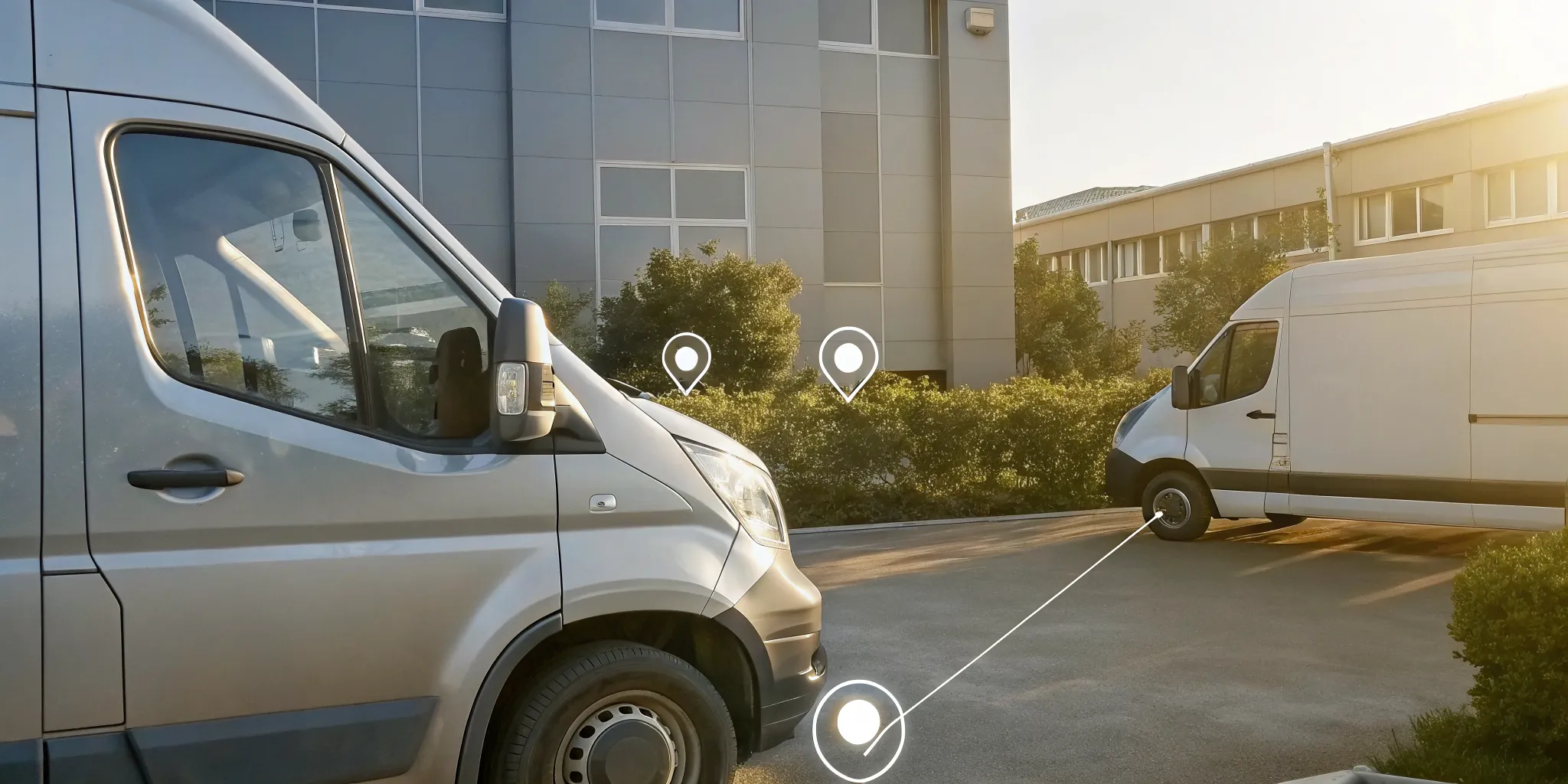
Rising fuel costs and unexpected repairs often drain a business’s monthly profit margins. Proactive fleet management allows owners to spot these hidden expenses before they hurt the bottom line. InVision Systems offers these custom tools under Alarm Agency Lic #127.001456.
GPS tracking for business vehicles provides real-time location data and performance metrics to help owners manage their fleets well. These systems use a network of at least 24 satellites to send precise positions to a central dashboard every few seconds (Clemson University). By watching idling time, speeding, and route history, companies can lower fuel costs by about 20 percent and reduce vehicle wear. Proactive oversight also improves safety by flagging bad driving habits like harsh braking or speeding before they lead to costly accidents or high insurance hikes. This tool turns raw data into useful insights that protect expensive assets and boost the bottom line. With past data storage for up to three years, managers can also verify past deliveries and solve customer concerns with total accuracy.
Choosing the right security tools for your fleet needs a clear look at how these devices find and send data. You likely have questions about how these systems keep your assets safe. We start by seeing How GPS tracking for business vehicles works, and the path begins with
How GPS tracking for business vehicles works
Business vehicle tracking uses a network of satellites and ground tools to help you manage your fleet. At its core, the system relies on the Global Positioning System (GPS). This network uses at least 24 satellites to find the exact spot of a vehicle on earth. A small device in your car or truck picks up these signals to track its moves in real time.
The hardware and data flow
Each vehicle gets a tracking unit. This device talks to satellites and then sends data to a central hub. Modern fleet tracking systems often update every 1 to 30 seconds. This high speed lets you see live maps and current speeds. The data moves over cell networks, so you can check your fleet from any phone or computer with a web link.
A good system does more than just show dots on a map. It turns raw signals into clear reports for your business. You can see GPS tracking for business vehicles in action through a digital dashboard. This screen shows where your drivers are and how they drive. It helps you stay in control of your daily work and keeps your team safe on the road.
Alerts and geofencing
Smart tracking tools use geofences to protect your assets. A geofence is a virtual border you draw on a map around a job site or your office. If a vehicle leaves or enters this zone without your ok, the system sends an instant alert. These real-time updates help stop theft and keep drivers on their planned paths.
You can also set alerts for high speeds or long idles. These logs show you if a vehicle sits too long with the engine on, which wastes fuel. By watching these events, you can lower costs and make your fleet more efficient. The system stores this data for a long time, so you can look back at past routes to find ways to improve.
From tracking to proactive security
While basic GPS shows location, a full security tool looks at the whole picture. It links location data with driver habits and vehicle health. This helps you find risks before they lead to big bills or crashes. Using these tools means you are not just reacting to problems but stopping them before they start.
By using security solutions for business, you gain full sight of your remote team. This oversight builds trust and keeps your business running smooth. When you know where every asset is, you can give your clients better service and faster arrival times.
Everyday business use cases for vehicle tracking
Managing a fleet requires clear data to keep operations smooth. Using gps tracking for business vehicles lets you monitor assets in real time. This view helps your team make fast choices based on where vehicles are now. It removes doubt from daily tasks like dispatch and route plans.
Better dispatch and arrival times
When you know the exact spot of every truck, dispatch is simple. You can send the closest driver to a new job site to save time. This leads to better arrival times for your clients. Sharing a clear time for a tech to arrive builds trust. Real-time data from satellite tools ensures these updates are right.
Owners also use this tech to check that drivers take the best paths. Tools can show if a driver takes a long way or hits heavy traffic. By looking at location history, you can find ways to cut down on idle time. This help lets you manage a fast team without constant phone calls.
Safety and cost control
Tracking tech can also help lower your business costs. Seeing how people drive lets you spot habits like speeding or hard braking. These safety checks often lead to fewer accidents and lower repair bills. It also helps you stay on top of care by tracking the miles driven for each van or truck.
Fuel costs are a big part of any fleet budget. GPS tools help you use less fuel by stopping odd trips or long idling. When you see where fuel is spent, you can set better rules for use. This proactive path keeps your fleet in good shape and protects your cash from waste.
Security and theft response
Protecting your gear is a top goal for any firm. If a vehicle moves without your okay, alerts tell you right away. While no tool stops every crime, a live spot helps in theft response. You can give police the last known spot to help them find the missing asset fast.
For high-value gear, security solutions for business often join tracking with other tools. This gives you a full view of your property and tools. Whether the asset is on a job site or in your lot, you can check it from any phone. This peace of mind lets you focus on work while your assets stay safe.
Benefits of GPS tracking across the fleet
Running a fleet of cars or trucks brings many daily tests. You must watch fuel costs, keep drivers safe, and ensure on-time arrivals. Using gps tracking for business vehicles gives you the facts you need to run a smooth shop. This tool does more than just show a dot on a map. It gives you a full view of how your assets move and act each day.
How tracking helps your bottom line
Every mile your vehicles go costs money in fuel and wear. Without clear data, it is hard to find where you are losing cash. Small changes in how drivers pick their paths can lead to big savings over time. Using fleet management systems can lower fuel and fix-it costs by giving you a better watch over each trip. This proactive way helps you find waste and stop it fast.
Upkeep is another area where you can save money. Tracking tools can tell you when a vehicle needs a check-up or a part change. This helps you avoid big break-downs that take your trucks off the road. When your fleet stays in good shape, you spend less on quick fixes. You also keep your team at work without the stress of broken gear.
Improving safety and security
Safety is the most vital part of any fleet plan. Fast driving or hard stops can lead to crashes and high insurance rates. GPS tools let you watch how your team drives so you can give better help. This builds a safe way of working where every driver knows the rules. Real-time data helps you find risks early and act to keep your team safe on the road.
Theft is also a big worry for shops with mobile gear. If a truck is gone, every minute counts to get it back. New systems use geofences to tell you if a vehicle leaves a set area without your word. This makes it much easier for police to find and return your stolen gear. You can also use this data to see which tracking devices work best for your tools.
| Business challenge | Tracking power | Helpful result |
|---|---|---|
| High fuel and fix-it costs | Better paths and idle alerts | Lower bills and less vehicle wear |
| Driver safety and trust | Speed and hard braking reports | Fewer crashes and better work habits |
| Theft and wrong use | Geofencing and live location | Fast recovery and better asset safety |
| Slow dispatch and late arrivals | Live map and arrival times | Happy customers and more work done |
Gaining a clear view of your fleet
Knowing right where your assets are helps you make better choices. You can tell customers right when to expect a worker or a drop-off. This builds trust and keeps your shop looking expert. You no longer have to guess or call drivers to find out where they are. The map shows you all you need to know in real time.
Past data is also a strong tool for planning. You can look at old trips to see which paths take the longest or where delays happen most. This data lets you plan better times for the future. Over time, these small gains in speed add up to a much stronger business. You get the facts you need to grow with trust. Alarm Agency Lic #127.001456.
How to choose the right GPS tracking system
Choosing a tool for gps tracking for business vehicles is a big step for your team. The right system helps you save money on gas and keep your drivers safe. You should look for a setup that fits your fleet size and your daily needs. A good system gives clear data that you can use to make smart choices for your firm.
Find your main goals
Before you buy a system, think about what you want to reach. Do you need to stop theft, or do you want to find faster paths? Some tools focus on safety while others help with gps tracking for business vehicles by watching how much fuel you use. If you have costly gear on site, you may also need tracking for building gear to keep things safe.
Pick the best tools
There are two main types of tracking tools for your trucks. You can use plug-and-play tools that fit into a port under the dash. You can also use hardwired tools that stay out of sight. Hardwired tools are great for gps tracking for business vehicles because they are hard to remove. They provide a steady stream of data to help with fleet safety and driver health on the road.
- Check your fleet size. A small shop with two vans needs other tools than a large firm. Look for a system that can grow as you add more trucks to your fleet.
- Choose your update speed. Some systems send data once a minute. Others send real-time tracking data every few seconds using satellite links. Faster updates help you react to road changes.
- Look for safety alerts. Find a tool that tells you when a driver speeds or brakes too hard. These alerts help you coach your team and lower repair costs over time.
- Test the mobile app. You should be able to see your trucks from your phone or tablet. Make sure the app is easy for your team to use while they are in the field.
- Plan for support and cost. Ask about the total price, including monthly fees. Make sure the firm offers local help if you have a tech issue with your gear.
Think about live tracking
Live data lets you see where your trucks are at any time. This helps you give your clients better arrival times. It also helps you spot if a truck goes off its path. For the best results, look for gps tracking for business vehicles that stores old data for a long time. This lets you look back at past routes to find ways to be faster.
A proactive plan is key to a long-term win for your shop. At InVision Systems, we help you pick and set up GPS vehicle tracking that meets your goals. Our team handles the hard work of picking the right tech so you can focus on your work. Alarm Agency Lic #127.001456.
What should businesses consider about driver privacy?
Using gps tracking for business vehicles helps you run a safe and smooth fleet. But you must also think about the privacy of your drivers. A fair rollout starts with trust and clear talk. When drivers know the goals, they are more likely to support the new tools. Your aim should be to keep both your assets and your team safe while you follow local rules.
Share clear written rules
Before you start tracking, you need a solid plan in writing. This file should tell drivers just what the system does. List the types of data you will collect, such as speed, location, and idle time. It is vital to show that you use these tools for work goals only. For example, you might track a van to give a client a better time of arrival.
Clear rules help remove doubt and show that your goal is to help the business grow. You should also tell your team who can see their data. If drivers feel like you are always watching for no reason, they may lose trust. Make sure your rules state that you only check data for business needs. This can include things like finding the best routes or cutting fuel use.
When your team knows the “why” behind the tracking, they can focus on their jobs with less worry. Using openness helps people feel safe about the new tech. It is best to share these rules in a meeting so people can ask questions. This way, everyone starts on the same page.
Focus on safety coaching
Use GPS data as a tool for teaching rather than for blame. Many firms use fleet management systems to help drivers stay safe on the road. Instead of just looking for mistakes, use the stats to show how to avoid risks. For instance, you can use reports to talk about safe turns or steady speeds. This keeps the focus on the health of the team and the vehicles.
Only a small group of trained staff should have access to the data. This limit keeps the system fair and reduces the risk of data leaks. By using the data for safety coaching, you show that you care about your team. This proactive approach helps build a culture of safety. It also ensures that the tech is a help to the staff, not a burden.
Control data access and storage
Think about how long you need to keep the data you gather. Some systems let you store location history for up to three years. But you should only keep it as long as the law or your business needs require. Storing data for too long can be a risk if a breach occurs. Set a firm rule for when to delete old logs.
Make sure you follow local legal paths when you set up your tracking. Laws about driver privacy can vary by state and city. It is wise to get help from a local expert to make sure your plan fits the code. Steady rules for all drivers also help keep things fair. When everyone follows the same steps, the rollout will go much better for the whole firm.
Planning a successful vehicle tracking rollout
Setting up GPS tracking for business vehicles needs a good plan. You should do more than just buy new tools. A strong start helps you get the most from your new system. For firms near Chicago, this means picking the right gear and setting clear goals for your staff.
Pick the right tools and spots
First, choose how to track your cars and trucks. Many systems use satellite tools to find vehicle spots in real time. You can use simple tools that plug into a port on the dash. These are quick to set up. You might also pick hardwired units. These stay out of sight and are harder to break or remove.
Experts can help you find the best spot for each unit. This keeps the tools safe and ensures they send a clear signal. InVision Systems offers security solutions for business to help you pick the right gear. This helps you link your tracking system with your other security layers for a full plan.
Talk to your team and set rules
Talk to your drivers before you start. Explain that the goal is safety and better work flow. You should show them how the data will be used. One key goal is safety coaching for your staff. Using data to help drivers grow builds trust with your team.
You can also set up geofences and alerts. A geofence is a virtual line around a set area. If a truck enters or leaves this zone, the system sends an alert. You can use this to track when crews arrive at job sites in Northwest Indiana or Southeast Wisconsin. It also helps you spot when a truck is used at the wrong time.
Use data to improve fleet safety
Use your main screen to track daily work. You can see how fast drivers go and how long they sit with the engine on. This data helps you find ways to save money. For example, better vehicle oversight can lead to lower fuel and repair costs. It also makes it easier to look into crashes if they happen.
Set rules for who can see the tracking data. This keeps the info private and safe. Most systems can store history for a long time. You can use this to see trends in your business. This helps you plan better routes and find new ways to help your customers each day.
Is GPS tracking worth it for a small business fleet?
Small business owners often wonder if they should pay for tracking tools. When you run a small fleet, every cent counts. You might think you can manage without tech, but as you grow, it gets hard to see what is going on the road. Using gps tracking for business vehicles helps you clear up that fog. It is not just about knowing where your drivers are right now. It is about the data that helps you make better choices for your brand. When you can see your trucks in real time, you spend less time on the phone and more time growing your sales.
Seeing the true return
To see if the cost is worth it, look at how much you spend on fuel and time. GPS tools give you a clear view of your fleet. Without them, you must guess when they will get there. You might not know if a driver takes a long route or sits with the engine on for too long. This sight lets you make faster plans. When a new job comes in, you can see which truck is closest. This saves time and keeps the people you serve happy. By cutting out extra miles, you save on wear and tear. Over a year, those saved miles add up to real cash and less stress for you.
Lowering daily costs
Tracking helps you find ways to cut down on waste. You can see when vans idle, which burns gas for no reason. You can also spot if drivers take paths with heavy traffic. Research from schools shows that fuel and repair costs can drop when you have a better watch on your fleet. By tracking the health and miles of your vans, you can plan for work on them before a small issue becomes a big break. This keeps your vans on the road and out of the shop. You can even set alerts for oil changes or tire turns to keep your gear in top shape.
Protecting your team and tools
Safety is a major win for small fleets. These systems let you watch how your team drives. You can get alerts for fast driving or hard braking. This helps you teach your team to be safe. It also helps with security and loss. If a van is stolen, you can find it fast using live data. Having a record of where a car was and when it was there helps a lot. It makes it easier to look into crashes and protect your team from false claims. This proactive security plan keeps your business running smooth and protects your most costly tools.
Frequently Asked Questions
How does GPS tracking for business vehicles work?
GPS tracking uses a network of at least 24 satellites to find the exact spot of a vehicle. A small device in the car gets these signals. It then sends the data to a server using a cell network. Most systems update the location every 1 to 30 seconds to stay accurate. Business owners can see where their fleet is at any time. According to the U.S. Department of Transportation, this technology provides vital data for running business fleets.
What are the benefits of GPS tracking for business vehicles?
Businesses use GPS tracking to improve safety and lower daily costs. These tools help find the best routes to save fuel and reduce repair needs. They also alert managers if a driver goes too fast or enters a restricted area. According to Austin Community College, tracking can help with accident checks and improve how fast teams respond to urgent needs. These systems also help prevent the loss of cars and cargo by providing a constant watch.
What is the difference between OBD-II and hardwired GPS trackers?
OBD-II trackers are easy to use because they plug into a port under the dash. You can install them in seconds and move them between cars. Hardwired trackers connect to the power system of the car. They are more fixed and stay hidden, which makes them harder for a thief to find. Both types offer real-time data for tracking your team. Services like BrickHouse Security offer both options depending on what your business needs to stay safe.
Is GPS tracking for business vehicles worth the investment?
Yes, for most fleets, the cost is much lower than the savings. Tracking helps stop theft and improves how your team works each day. It can also help you coach drivers to be safer on the road. Better driving leads to fewer crashes and lower insurance rates over time. According to One Step GPS, some systems can store your route data for up to three years. InVision Systems (Alarm Agency Lic #127.001456) helps you find ways to make your business run better and save money.
Ready to request a customized security consultation?
Every day you wait to track your business fleet is a day you risk losing a vehicle to theft. High fuel costs and idle time can also drain your budget if you do not have clear data. Setting up your system now helps you stop these losses before they grow too large for your business. You can see how we help other firms on our business security page right now. The sooner you start, the sooner you get full peace of mind for all of your business assets.
Ready to request a customized security consultation? Contact our security team to request a customized security consultation and keep your business fleet safe.