
ID Card Access Control Systems 101: A Full Guide
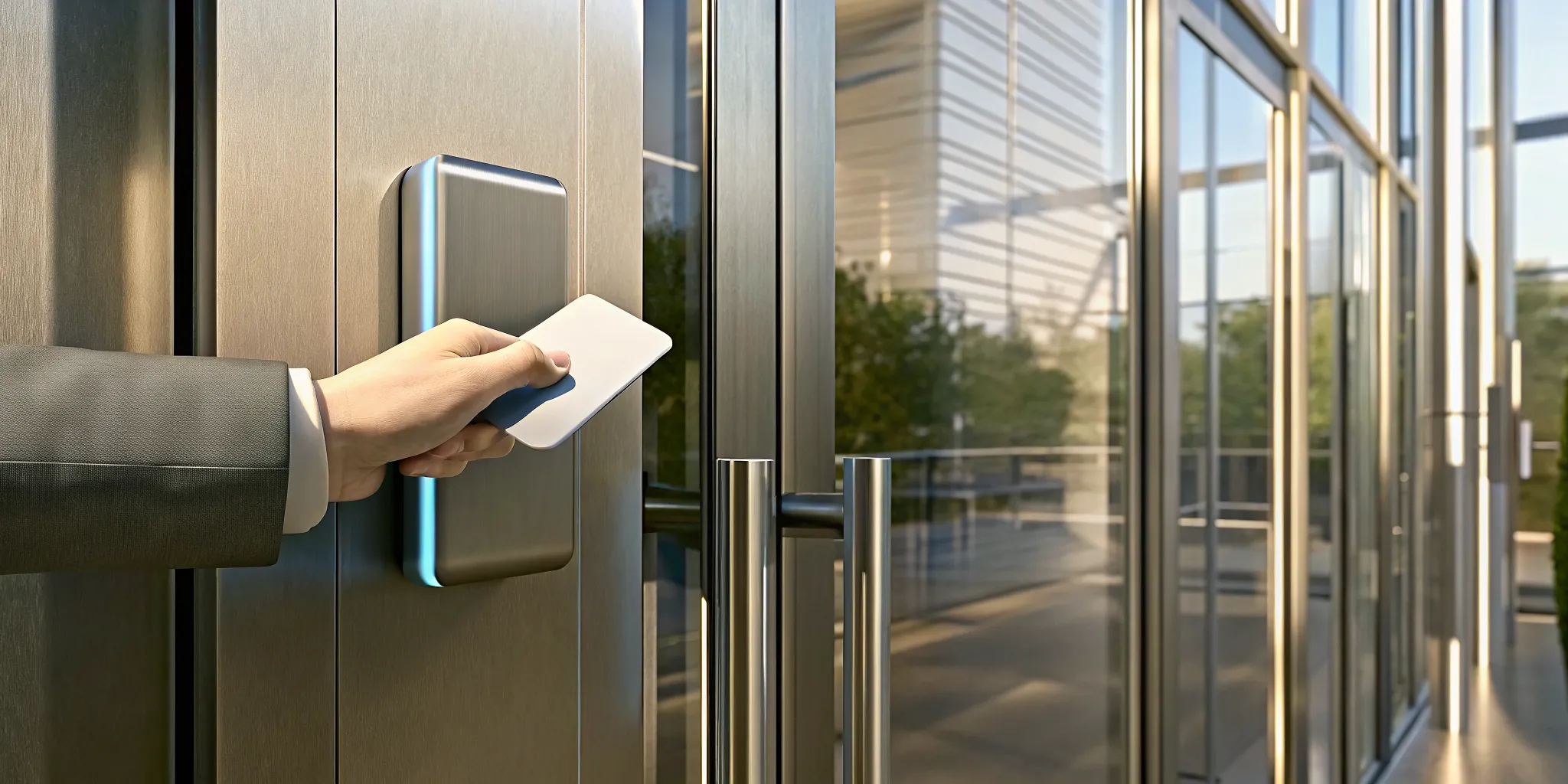
Traditional keys are a liability. When an employee leaves or a key is lost, you face the expensive and time-consuming task of rekeying your locks. Even then, you have no record of who has come and gone, leaving your property vulnerable. It’s an outdated system for a modern world. This is where ID card access control systems create a fundamental shift in security. By replacing a physical key with an electronic credential, you gain precise control over who can enter your facility, specific rooms, and sensitive areas. It’s more than just a convenient way to open a door; it’s a proactive security strategy that provides a detailed audit trail and allows you to revoke access instantly.
Key Takeaways
- Prioritize a custom and scalable system: Choose a solution that fits your property’s specific security zones and can easily grow with your business by adding more users, doors, or locations over time.
- Look beyond basic door access: The most effective systems include modern features like real-time monitoring, mobile phone entry, and integration with security cameras to create a comprehensive and responsive security network.
- Partner with a security expert: Avoid costly mistakes by working with a professional who can assess your property, recommend the right technology, and ensure your system is installed and maintained correctly for long-term success.
What Is an ID Card Access Control System?
Think of an ID card access control system as a modern-day gatekeeper for your property. Instead of a traditional lock and key, these systems use credentials like ID cards to manage who can enter your building, specific rooms, or sensitive areas. It’s a smart and efficient way to secure your space, giving you complete control over access permissions. By replacing mechanical keys with electronic cards, you can easily grant or revoke entry rights, track who comes and goes, and secure your property without the hassle of rekeying locks. These systems are a foundational part of a comprehensive commercial security strategy.
This technology uses readers, control panels, and electronic locks to create a secure and automated environment. When a person presents their card to a reader, the system instantly verifies their credentials and decides whether to unlock the door. It’s a simple process on the front end, but it’s backed by powerful technology that keeps your assets and people safe.
How Does It Work?
At its core, an ID card access control system is pretty straightforward. An authorized person holds or swipes their card at a card reader installed near a door. This reader scans the information on the card and sends it to a central control panel. The control panel is the “brain” of the system; it checks the user’s credentials against a database of permissions you’ve set. If the card is valid and has the right permissions for that specific door at that specific time, the panel sends a signal to the electronic lock, and the door unlocks. It all happens in a split second, providing seamless and secure entry for authorized individuals while keeping everyone else out.
Common Types of Card Technology
Not all access cards are created equal. The most common types you’ll encounter are magnetic stripe, proximity, and smart cards. Magnetic stripe cards work just like a credit card, requiring a swipe through a reader. Proximity cards, or “prox cards,” are more convenient; you just wave them near the reader. They use RFID technology to communicate wirelessly. Smart cards are the most advanced option. They contain a small microchip that can store more information securely and can be used for more than just opening doors, like logging into computers or making cashless payments on-site. Choosing the right access control technology depends on your specific security needs and budget.
Key Benefits for Your Business
Implementing an ID card system offers some major advantages. First and foremost is enhanced security. You can precisely control who goes where and when, restricting access to sensitive areas like server rooms or inventory storage. If an employee leaves or a card is lost, you can deactivate it instantly, a much simpler and more secure solution than changing locks. Beyond security, these systems streamline your operations. They eliminate the need to manage physical keys, automate entry logs for better accountability, and make it easy to manage access for employees, visitors, and contractors from a central platform. This saves time and reduces the administrative burden on your staff.
Key Features to Look for in an ID Card System
When you start looking at ID card systems, you’ll notice they come with a wide range of features. To find the right fit for your property, it helps to know which capabilities deliver the most security and convenience. A great system does more than just open doors; it gives you a clear picture of who is on your property and provides tools to manage access efficiently. Focusing on a few key features will help you choose a solution that not only secures your space today but can also adapt as your needs change over time. Let’s walk through the most important features to keep on your checklist.
Real-Time Monitoring and Alerts
A modern access control system should give you the ability to see who is entering or leaving specific areas the moment it happens. This isn’t about watching a log at the end of the day; it’s about having live information at your fingertips. With real-time monitoring, you can immediately spot and respond to unauthorized access attempts, like a card being used at an unusual time or in a restricted area. This feature is your first line of defense, turning your access control system from a passive gatekeeper into an active security tool that helps you handle potential issues before they become serious problems.
Customizable Access Rules
Your business isn’t one-size-fits-all, and your security shouldn’t be either. The ability to set custom access rules is essential for effective security management. This feature allows you to decide exactly who can go where and when. For example, you can grant employees access to main entrances during business hours but restrict entry to sensitive areas like server rooms or inventory storage to only authorized personnel. You can also set time-based rules, ensuring that cleaning crews or temporary staff can only enter during their designated shifts. This level of control minimizes risk by ensuring people only have access to the areas they absolutely need.
Mobile Access Capabilities
Physical ID cards are still common, but many modern systems now allow people to use their smartphones for secure entry. This is a huge step up in convenience, as most people are far less likely to forget their phone than a keycard. Mobile access also adds another layer of security. Phones are typically protected with a PIN, fingerprint, or facial recognition, making it much harder for an unauthorized person to use them if lost or stolen. Offering phone entry is a great way to streamline access for your team while keeping your security strong.
Seamless System Integration
Your access control system shouldn’t operate in a bubble. The most effective security setups are those where every component works together. Look for a system that can connect with your other security tools, like security cameras and burglar alarms. For instance, you can configure your system to automatically trigger a camera to start recording when a door is forced open or an invalid card is used. This integration creates a comprehensive security network where each piece of equipment supports the others, giving you a much more powerful and responsive way to protect your property.
Comparing Top Access Control Technologies
Once you decide to implement an ID card system, the next step is figuring out which technology is the right fit. The world of access control has a lot of options, each with its own strengths. From high-security smart cards to the convenience of using your phone as a key, the best choice really depends on your property’s specific needs, your team’s workflow, and your plans for the future. Let’s walk through some of the most popular technologies so you can get a clearer picture of what might work for you.
Smart Card Solutions
If security is your top priority, smart cards are a fantastic option. Unlike older magnetic stripe cards, smart cards use advanced technology that encrypts the data stored on them. This makes them incredibly difficult to duplicate, providing a significant security advantage. They have read/write capabilities, which means you can store more than just a simple access credential on the card. This technology is ideal for businesses that handle sensitive information or need to protect high-value assets, giving you peace of mind that your access points are truly secure.
Cloud-Based Systems
For businesses that need flexibility, cloud-based systems are a game-changer. Instead of housing all your data on a local server, a cloud-based platform lets you manage your entire access control system online. This means you can grant or revoke access, check activity logs, and monitor your property in real-time from anywhere with an internet connection. This is especially useful for companies with multiple locations or for managers who aren’t always on-site. The ability to manage access control remotely simplifies security management and allows for instant updates.
Mobile-First Platforms
In a world where we use our phones for everything, it only makes sense that they can also be our keys. Mobile-first platforms allow employees and residents to use their smartphones to unlock doors. This eliminates the need for physical cards, which can be lost, stolen, or forgotten. It’s a modern and convenient solution that streamlines the user experience. For your team, it means one less thing to carry. For you, it means simplified credential management and the ability to issue or revoke access with just a few clicks, making mobile access a smart choice for forward-thinking organizations.
How InVision Systems Helps You Choose
Feeling a little overwhelmed by the options? That’s completely normal, and it’s why we’re here to help. At InVision Systems, we don’t believe in one-size-fits-all security. We take the time to understand your unique challenges and goals. Whether you’re a small office or a large industrial facility with multiple sites, we design custom access control solutions that grow with your business. We’ll walk you through the pros and cons of each technology, helping you select a system that provides the right level of security and functionality for your needs and budget.
Understanding the Cost and Value of Access Control
An ID card access control system is a significant investment in your property’s security, so it’s natural to have questions about the price. The final cost depends on several factors, from the technology you choose to the size of your facility. But thinking about the price is only half the equation. The real story is in the long-term value it brings, like preventing theft, protecting sensitive data, and creating a safer environment for everyone.
Instead of viewing it as just another expense, think of access control as a core part of your operational and security strategy. A well-designed system pays for itself over time by reducing risks and streamlining how you manage access to your property. Let’s break down what goes into the cost and how to measure the return on your investment.
What Influences the Price?
The cost of an ID card system isn’t one-size-fits-all. The biggest factors are the type of technology and the scale of your project. For example, a simple proximity card reader for a single door will cost less than a network of smart card readers across a large industrial facility. The number of users and access points directly impacts hardware costs. Beyond the physical components, you also have to consider the software’s complexity, the level of customization you need, and whether you want to integrate it with other security features like video surveillance. Ongoing system monitoring to ensure compliance with internal policies and regulations also plays a role in the overall financial picture of your access control solution.
Factoring in Installation and Maintenance
The price on the box is never the final cost. Professional installation is essential to make sure your system is set up correctly, securely, and in compliance with legal and regulatory standards. A proper setup from the start prevents future headaches and vulnerabilities. After installation, you’ll have ongoing costs for maintenance, which can include software updates, potential hardware repairs, and periodic system checks to keep everything running smoothly. Investing in a quality installation and a solid maintenance plan from a trusted provider ensures your system remains a reliable asset for years to come. This is a key part of our comprehensive security services.
Calculating Your Long-Term ROI
To truly understand the value of an access control system, you need to look beyond the initial price and calculate its long-term return on investment (ROI). Think about the costs it helps you avoid. A robust system can prevent theft of equipment, inventory, and sensitive data, saving you from significant financial loss and reputational damage. It also reduces liability by creating a secure audit trail of who entered specific areas and when. For many businesses, it improves operational efficiency by eliminating the need to rekey locks when an employee leaves. Investing in a modern commercial security solution is a proactive step toward managing evolving challenges and protecting your bottom line.
Exploring Your Financing Options
A comprehensive access control system is a critical security upgrade, but the upfront cost can be a concern for some organizations. The good news is that you don’t have to compromise on safety due to budget limitations. Many security providers offer flexible financing plans that allow you to get the protection you need now while spreading the cost over time. This approach makes top-tier security accessible and affordable, allowing you to install a system that truly meets your needs without a major capital expense. To make the process easier, we provide straightforward financing options to help you secure your property without delay.
Weighing the Pros and Cons of Different Technologies
Choosing an ID card access control system isn’t a one-size-fits-all decision. The right technology for your business depends on your security needs, budget, and plans for future growth. It’s about finding the perfect balance between convenience, security, and cost. Let’s walk through some of the key technology choices you’ll face, breaking down the pros and cons of each so you can feel confident in your decision.
Cloud vs. On-Premise Systems
One of the first decisions you’ll make is where your access control system’s “brain” will live. With an on-premise system, all your data and the servers that run the software are located physically at your site. This gives you direct control over your hardware and data, which can be a major plus if you have a dedicated IT team. On the other hand, a cloud-based system hosts everything off-site. You access and manage your system through a web browser or app. This approach often means lower upfront costs, automatic software updates, and the flexibility to manage access from anywhere. No matter which you choose, you’ll need to continuously monitor the system to ensure everything stays secure and compliant. Many businesses find that InVision’s cloud services offer the perfect blend of security and convenience.
Proximity Cards vs. Smart Cards
Next, let’s talk about the cards themselves. Proximity cards are the long-standing industry standard. They operate on a low frequency and are incredibly durable and easy to use; you just wave them near a reader. This makes them a great, cost-effective choice for high-traffic areas or outdoor entry points where weather is a factor. Smart cards are the newer, more secure option. They use a higher frequency and feature encrypted, read/write capabilities. This means they don’t just grant access; they can also securely store user information. The enhanced encryption makes them much harder to duplicate, offering a higher level of security. If protecting sensitive areas or data is your top priority, the investment in smart card access control is well worth it.
Basic Access vs. Advanced Features
Do you just need to control who can open a few doors, or do you need a more robust system? A basic access system does exactly what it says: it grants or denies entry. It’s a straightforward solution for smaller businesses with simple security requirements. However, many organizations benefit from more advanced features. Think real-time activity logs, customized access schedules (so a keycard only works during an employee’s shift), and integration with your security cameras. These features give you much deeper control and insight. Following security best practices like the principle of least privilege, where users only have access to what they absolutely need, is much easier with an advanced system. These systems are essential for many commercial security plans that require detailed audit trails for compliance.
Preparing for a Smooth Implementation
Choosing the right ID card access control system is a huge step, but the work doesn’t stop there. A successful rollout depends on careful planning and preparation. Thinking through the implementation process ahead of time ensures a seamless transition, minimizes disruption to your daily operations, and sets your new system up for long-term success. By focusing on compatibility, team training, compliance, and maintenance from the start, you can make sure your investment is effective from day one.
Ensuring System Compatibility
Before you install anything, you need to confirm that the new access control system will work with your existing infrastructure. This includes everything from your current network and software to your door hardware and other security measures, like burglar alarms or cameras. A system that doesn’t integrate properly can create security gaps and operational headaches. That’s why a professional site assessment is so important. An expert can evaluate your current setup and identify the best way to integrate a new system, preventing costly compatibility issues before they happen.
Getting Your Team On Board
A new security system is only as effective as the people who use it every day. To get the most out of it, your team needs to be on board. This starts with clear communication about why the changes are being made and how the new system will improve security and daily workflows. Proper training is just as important. When team members don’t understand the intent behind access rules, they’re more likely to make mistakes. By providing hands-on training and clear instructions, you empower your staff to use the system correctly and confidently, turning them into an active part of your security strategy.
Meeting Compliance and Safety Standards
Depending on your industry, you may be subject to specific legal and regulatory requirements for data protection and security. Standards like HIPAA in healthcare or PCI DSS in finance dictate how you must manage access to sensitive areas and information. A modern ID card system needs a design that meets these rules to mitigate risks and protect user data. Working with a knowledgeable security partner ensures your access control solution is designed and installed in line with all relevant compliance and safety standards, protecting your business from potential liability and fines.
Planning for Ongoing Maintenance
An access control system is not a “set it and forget it” solution. Like any technology, it requires ongoing attention to function at its best. A single weakness in the system could create a serious security breach. Planning for regular maintenance from the beginning is the best way to protect your investment. This includes routine inspections, software updates, and prompt repairs. Partnering with a provider that offers comprehensive support and service plans ensures your system remains reliable and effective for years to come, giving you lasting peace of mind.
How to Choose the Right System for Your Business
Selecting the right ID card access control system is a major decision for your business. It’s about more than just picking the latest technology; it’s about finding a solution that fits your specific operational flow, security risks, and long-term goals. A system that works perfectly for a small office might not be suitable for a large industrial facility, and what protects a retail store won’t be the same as what’s needed for a residential complex. The key is to approach the decision methodically, focusing on what truly matters for your property’s safety and your team’s convenience.
By breaking down the process into a few manageable steps, you can confidently choose a system that protects your assets and people without creating unnecessary friction for your team. It starts with a clear understanding of what you need to protect right now. From there, you can think about where your business is headed and ensure your investment can grow with you. Finally, bringing in a professional perspective can help you see the full picture and make a choice that serves you well for years to come. This thoughtful approach ensures you get a system that feels custom-built for your needs.
Assess Your Current Security Needs
Before you look at any hardware, take a walk through your facility. The first step is to map out your security landscape. Before installing, you need to decide what level of security each area needs and who should have access. Identify your critical zones: where do you store valuable inventory, sensitive data, or essential equipment? Think about server rooms, executive offices, and storage areas. Consider the flow of people throughout the day. Do you need to grant temporary access to visitors or contractors? Should every employee have access to every door, or do you need to create different permission levels based on roles? Answering these questions will help you build a clear picture of your requirements for a commercial security plan.
Plan for Future Growth
The access control system you choose today should be able to support your business tomorrow. A solution that can’t scale will quickly become a liability. When making your choice, select a system that can easily expand as your organization gets bigger, without needing big changes. This means finding a platform that allows you to add more doors, users, and even new locations without having to start from scratch. Scalability also involves technology. Older systems can have security weaknesses and may not integrate with newer tools. A modern access control solution should be flexible enough to work with other security components, like video surveillance and alarm systems, creating a more cohesive and powerful security network for your property.
Partner with an Expert to Make the Final Decision
You don’t have to become an access control expert overnight. Partnering with a security professional can simplify the entire process and prevent costly mistakes. An expert can perform a thorough security assessment, identify vulnerabilities you might have missed, and recommend specific technologies that align with your needs and budget. They understand the nuances of different systems and can design a solution that is both highly effective and easy for your team to manage. A professional consultation ensures your final choice is tailored to your unique environment. At InVision Systems, we help businesses evaluate their options and design custom security services that provide lasting peace of mind.
Related Articles
- Access Control Chicago, Access Control Installation | InVision Systems | Security Systems Chicago IL
- Access Control Lisle | Lisle IL | InVision Systems
- Access Control Elgin | Elgin IL | InVision Systems
- Access Control Bensenville | Bensenville IL | InVision Systems
- Access Control Oak Park | Oak Park IL | InVision Systems
Frequently Asked Questions
What happens if an employee loses their ID card? This is one of the biggest advantages of an electronic system. Unlike a lost metal key that requires changing locks, a lost ID card can be deactivated in seconds from your central management platform. This instantly removes its access permissions, so you don’t have to worry about it falling into the wrong hands. You can then issue a new card to the employee just as quickly, with minimal disruption and cost.
Can I manage access for multiple business locations from one place? Absolutely. This is a key benefit of modern, cloud-based access control systems. You can manage permissions, monitor activity, and make changes for all your properties from a single, secure online dashboard. This is incredibly efficient for businesses with multiple offices, warehouses, or retail stores, as it gives you complete control without needing to be physically present at each site.
Do I need to replace all my existing door locks to install an access control system? Not necessarily. In many cases, electronic access control hardware like card readers and electric strikes can be installed alongside your existing door hardware. A professional installer will assess your current doors and locks to determine the most effective and least disruptive way to integrate the new system. The goal is to add a layer of smart security, not to require a complete overhaul of your doors.
Is using my smartphone for access really as secure as a physical card? Yes, and in some ways, it can be even more secure. Mobile access uses multiple layers of protection, including data encryption and the security features already on your phone, like a PIN, fingerprint, or facial recognition. Since people are less likely to lend their phone to someone and more likely to notice if it’s missing, it adds a personal layer of security that a standard card doesn’t have.
How can an access control system do more than just open doors? A good system is a powerful management tool. Beyond granting entry, it creates a detailed log of who went where and when, which is useful for security audits and incident investigations. You can also integrate it with other security tools. For example, you can set it up so that an unauthorized access attempt automatically triggers a nearby security camera to start recording, giving you a more complete and responsive security setup.