
Multi Tenant Intercom System Guide for Managers
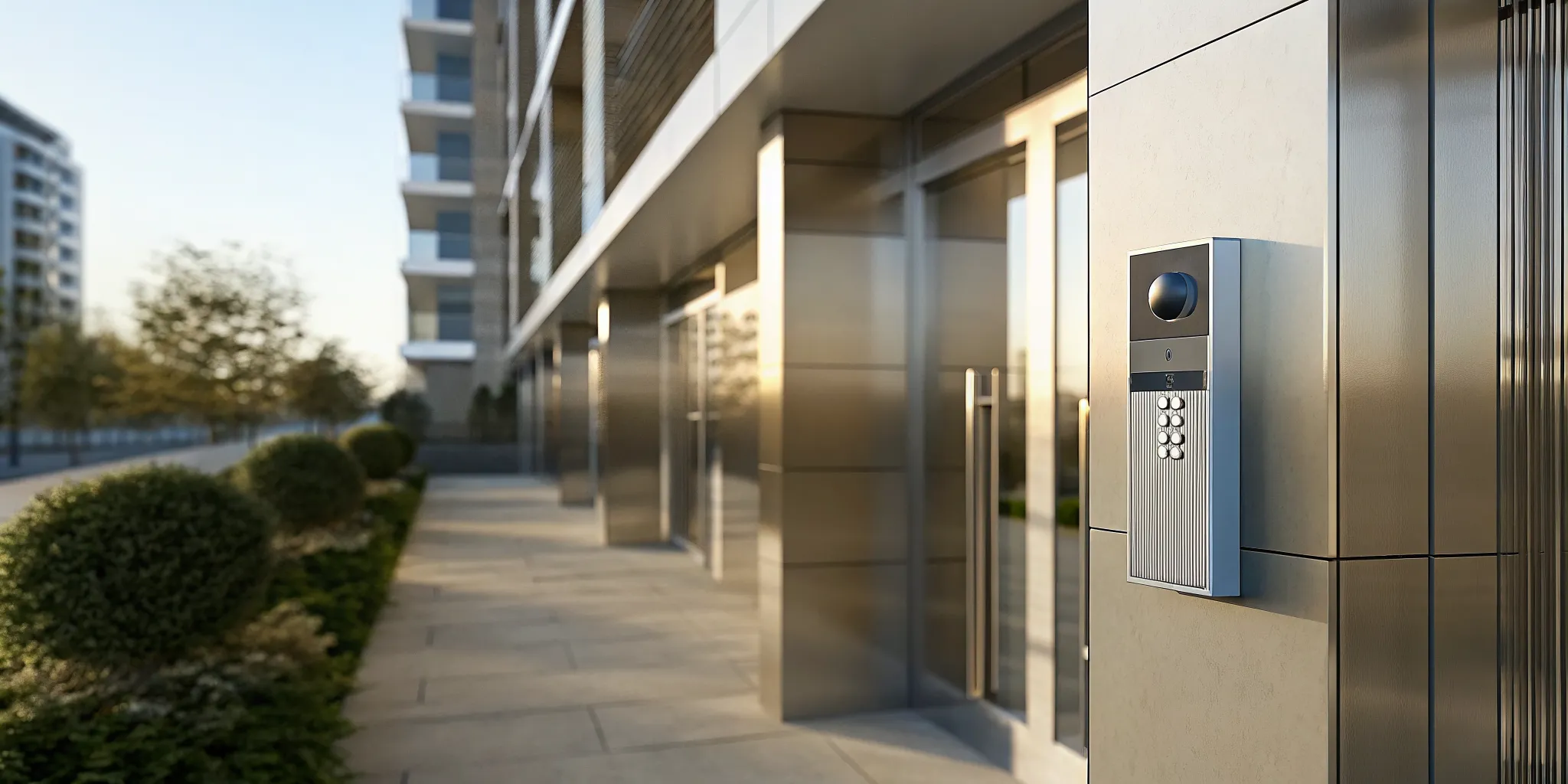
Old entry systems cause delivery delays and security risks that modern property managers cannot afford. These safety gaps often lead to lower tenant satisfaction and higher turnover. Fixing these issues starts with smarter building access.
A multi tenant intercom system is a network that lets visitors call residents or tenants within a building to request entry. It serves as a first line of defense by letting residents or managers check a visitor’s identity before granting access. Modern tools may use video and cloud software, enabling property managers to review visitor logs and update tenant lists remotely.
By linking an intercom with access control, owners can create a smoother guest experience while maintaining security. Selecting the right hardware starts with a careful assessment of the building layout, entry points, existing infrastructure, and day-to-day management needs.
Property managers must balance ease of use with strict safety rules when choosing a new entry solution. Understanding the parts of these tools is the first step toward a more secure building. Finding the right fit starts with the question What is a multi tenant intercom system? The path begins with
What is a multi tenant intercom system?
A multi tenant intercom system is a tool for buildings with many units. It lets guests call a set room to ask for entry. These tools help keep buildings safe by making sure only known people can get in. For property managers, this is a key part of security and access control. It keeps halls safe while giving tenants an easy way to let guests in.
How the system works
The work starts at the front door. A guest finds a name on a list or panel. When they press a call button, the system sends a signal to that unit. In old setups, this call went to a box on the wall. Today, many systems use the cloud to send the call to a cell phone. This lets people answer the door even when they are out. It is a simple way to stay in touch with visitors.
Once the tenant answers, they can talk to the guest to check who they are. If the system has a camera, they can also see the guest on a screen. If the person is welcome, the tenant presses a button on their phone or wall box. This sends a signal back to the door to unlock it. This part is a door release. It uses an electric lock to let the guest in. The tenant does not have to walk to the lobby to open the door.
Main parts of the setup
Most systems have three main parts. First is the master station at the main door. It has a keypad or a screen and a list of all tenants. It also has a speaker, a mic, and a camera. The second part is the indoor unit or phone app. This is what the tenant uses to hear, see, and talk to the guest. It is the hub for control inside each unit.
The third part is the door release hardware. This piece is what truly unlocks the door. It is often an electric strike or a mag lock. These parts connect through wires or a web network. Expert teams from InVision Systems look at building plans to find the best spots for these tools. They focus on fixing weak spots to keep the property safe and sound.
Why property managers use them
Managers use these tools to boost safety and save time. These systems keep a log of every entry. This helps if there is a theft or other issue. It is also easier than using metal keys. If a tenant moves out, a manager can update the list in a few clicks. This is much faster than changing locks. It also helps meet local safety rules that protect the rights of those in the building.
Tenant safety is a big part of the law. For example, some local safety laws say buildings must have clear ways for tenants to see who is at the door. Good intercoms help meet these rules. They also help managers give access to mail staff or repair crews from any place. This remote control makes the building run better and keeps tenants happy. It is a smart choice for any large building.
Compare the main intercom system types
Property managers have many choices for a multi tenant intercom system. Every type gives you different safety levels. Picking the right one helps you run your building well. It also keeps your tenants safe and happy. You must think about the size of your site and your budget when you choose.
Audio and video solutions
Audio intercoms are a basic and low-cost choice. They let tenants talk to guests before letting them in. While they are simple, they do not show who is at the door. This can be a risk if a guest lies about who they are. These systems are best for buildings where cost is the main concern.
For better safety, many buildings now use video intercoms. Video systems help you see guests at the door. This helps stop people from entering who should not be there. Modern units often have clear screens and high-quality sound. Seeing a face gives tenants peace of mind. Managers must make sure their setup follows local safety and access laws.
Telephone entry and mobile apps
Telephone entry systems use phone lines or cell networks. A visitor finds a name on the list and calls them. The tenant then presses a key on their phone to open the door. These systems work well for buildings with many units. They are often easy to set up because they do not need wires in every room. But they may have monthly fees for the phone lines.
Mobile app systems are now very popular. They let tenants see and talk to guests from their phones. This is helpful when a tenant is not home. They can let a guest in from the office or the store. A multi tenant intercom system with app features makes things easy for everyone. These systems need good Wi-Fi or a data plan to work well.
Access control and layout
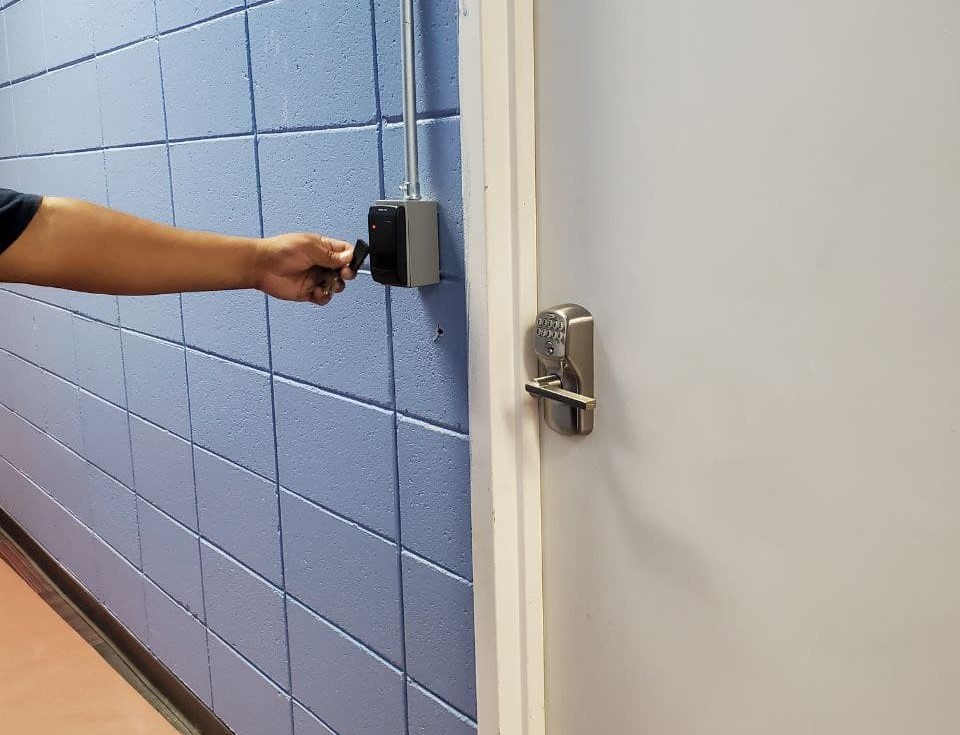
Some systems do more than just open the front door. They can work with key cards, fobs, or codes. This creates a full safety plan for the whole site. These systems help managers track who enters the building and when. You can see logs of all entry events. This is great for high-traffic areas like lobbies or gyms.
Expert installers can help you find the best layout for your entry areas. They look for weak spots in your building design. This helps to maximize building use and keep things running well. A good plan makes sure the system is easy for both guests and tenants to use.
| System Type | Best For | Main Benefit |
|---|---|---|
| Audio Only | Budget properties | Low cost and simple |
| Video Intercom | High security | See guests before entry |
| Telephone Entry | Large sites | Easy to set up and manage |
| Mobile App | Modern tenants | Use from anywhere with a phone |
| Full Access | Total control | Links with cards and fobs |
Features property managers should prioritize
Choosing the right entry tools helps you keep a building safe and run it well. A modern multi tenant intercom system must do more than just ring a bell. It should help you see who is at the door and give you full control of the gate or door from anywhere. Picking the right tools now means fewer headaches for you and your staff later.
Security and guest checks
Safety is the top goal for any building entry tool. High-quality video intercoms let people or staff see a guest before they open the door. This visual check stops people who should not be there from getting in. You should also look for tools that let you track who comes and goes through a guest log. These logs give you a clear record that you can check if a problem happens. Tenant rights often include being told about the safety steps in their home. Many local laws set rules for how owners must protect the people who live in their units. A good system helps you stay in line with these safety laws while keeping tenants happy. You can learn more about these rules from the city tenant rights guide. Using an expert with Alarm Agency Lic #127.001456 makes sure your tools meet these high standards. It also shows your tenants that you take their well-being and safety to heart.
Remote care and cloud tools
Modern tools use the cloud to let you care for your building from any place. You can add or remove users from your phone or laptop. This is very helpful if you have many buildings or a busy site. Cloud tools also let you give keys to repair staff even if you are not there to meet them. You can open the door for a plumber or an electric crew with one click from your office. Cloud-based entry tools make it easy to look at guest logs and audit trails. These logs show you every time someone uses the door and which person they came to see. This data is key for solving safety issues or finding out when a repair person arrived. These features help you create a smooth path for guests while keeping the security and access control tight at all hours. You can see who is at the door and grant entry without leaving your desk. This saves time for both you and your staff while keeping the site safe.
System strength and growth
A tool that breaks down causes stress for both managers and tenants. You need a system that works on a solid network and has strong hardware. Expert setup is key to making sure the tools work right from day one. Pro teams can find the weak spots in your building and place the intercom in the best spot. They can also make sure the wiring is hidden and safe from bad weather or harm. Your entry tools should grow as your needs change. Pick a system that lets you add more doors or gates later on. It should also work well with other tech you already use, like cameras or alarm tools. Good planning now saves you money and time in the future as your site gets bigger. Expert teams can help you map out a design that fits your space and budget perfectly. This makes sure your system stays useful for years to come without needing a full swap. These pro groups know how to build a system that meets local codes and stays running long after the start.
How to plan a multi tenant intercom installation
Planning a multi tenant intercom system is a significant project. You want a system that works reliably and helps keep people safe. It is not just about picking a box and putting it on a wall. A good plan covers each step from the first assessment to final testing. You must consider who will use the door and how each person should gain entry.
Assessing your building needs
The first step is a site check. This helps you find weak spots in your building security. You must look at where guests walk and how they talk to tenants. Each building is unique, so a custom plan is best. You should also check local laws to make sure you follow safety rules. For example, some laws protect tenant rights and set safety rules for new tech.
Designing the system layout
Next, think about where the parts will go. You want the main panel to be easy for guests to see and use. It should also be in a spot that stays dry and safe from the wind. Good security and access control starts with a smart layout. You must map out the wires or check your Wi-Fi signal. If you use a multi tenant intercom system with cloud tools, your layout can be more open. This helps you save space and makes it easy to grow the system later.
Managing the setup
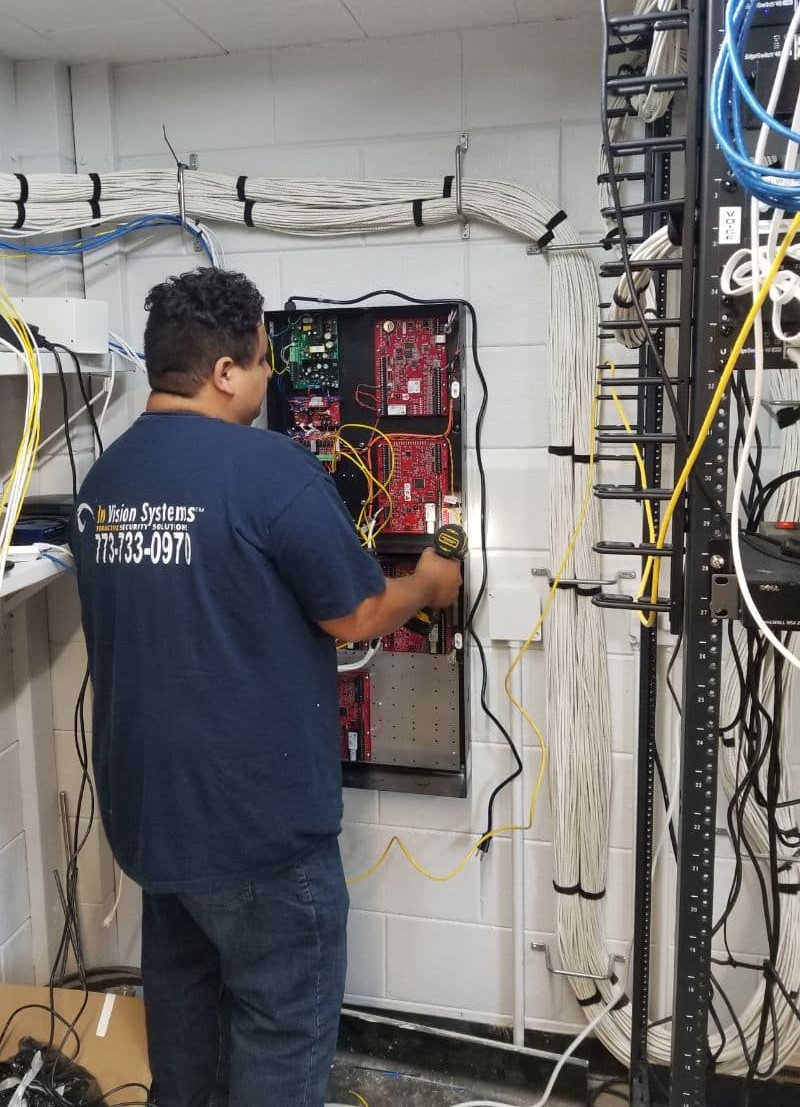
A pro team should do the work. This keeps your system safe and makes sure it lasts. They will set up the main hub, wire the door locks, and link it to the web. After that, they test every part to make sure it works. They should also show you how to add or remove users. This part is vital for keeping the building safe over time.
- Perform a site check. Start with a free talk to look at your building and find any security gaps.
- Pick your hardware. Choose a brand that fits your budget and has the tools you need, like video or phone entry.
- Plan the installation. Hire a pro team to set up the wiring and mount the hardware in the best spots.
- Set up the software. Link the system to the cloud so you can run users and access from anywhere.
- Train your tenants. Give people clear steps on how to use the new intercom and answer calls from their phones.
- Run a final test. Check every door and user code to make sure the whole system is safe and ready to go.
Once the system is live, you still need to look after it. Ongoing help keeps things running for a long time. This is why many building managers look for a partner instead of just a seller. A good multi tenant intercom system will last for years if you plan it right. It adds value to your building and gives everyone peace of mind. It also makes life easier for your tenants every day.
What affects intercom system cost?
Planning for a multi tenant intercom system involves more than the initial price of hardware. Property owners should examine the full lifecycle of the system to understand its true cost. Beyond the entry station and related devices, wiring, connectivity, installation, configuration, training, maintenance, and support all shape the long-term budget.
System hardware and connectivity
The type of system you pick is the main cost driver. Basic audio systems cost less at the start. But video intercoms offer better security by letting you see guests before they enter (Source: InVision Systems). Many modern setups now use cloud-based phone entry to help with remote management. These systems can reduce the need for complex wires in each unit. They often need a steady web link and may have monthly fees for cloud storage and software updates.
Setup and building layout
Each building has a unique layout that affects how hard it is to set up a new system. A pro security and access control team will look for weak spots and the best spots for hardware (Source: InVision Systems). If a building has thick walls or lacks wires, labor costs will be higher. Newer wireless systems might save on time, but they need a strong network to work well. Good space planning ensures the system works for all entry areas and common rooms without wasting money (Source: Kansas Office Space Standards).
Support and daily operations
Good security needs ongoing care. You should plan for costs related to system updates, part repairs, and tech help. Choosing a partner with a high client retention rate often leads to better value and fewer surprise costs (Source: InVision Systems). Beyond repairs, you must also think about the time your staff spends using the system. Systems that allow for quick resident changes or remote access for service staff can save hours of work each week. Making sure your system stays in line with local safety laws is also a must to avoid fines (Source: NYC Tenant Rights).
How intercoms fit into a complete security system
Intercoms are the front door to your building security. They are not just simple tools for talking to people. A good multi tenant intercom system acts as the brain for your entry point. It links your lobby to every unit and helps you control who steps inside. When you fit an intercom into a full plan, it makes your site safer and easier to manage.
Linking locks and access control
A key part of any entry plan is the link between your intercom and your locks. Most modern tools let you open doors from a far-off spot. This is often called door release. When a guest calls, a tenant can press a button to open the door. This keeps people from having to walk down to the lobby for every guest. It saves time and keeps the building flow moving fast.
It also helps property bosses track entry events. You can see who went where and at what time. Using a single system for security and access control lets you manage keys and codes from one screen. This is a big win for busy sites like warehouses or large offices. It puts all your entry data in one place so you can find it fast.
Visual proof with video cameras
Adding video to your intercom is a smart move. It allows for visual proof before you let someone in. You can see the face of the person at the door to make sure they are who they say they are. This lowers the risk of letting in the wrong person by mistake. Voice is good, but sight is much better for keeping bad actors out of your space.
Clear video is a huge part of modern safety. It helps meet local laws that keep the rights of people living in your building safe. For example, some rules say that people must stay safe through proper building tools like well-kept entry systems. Seeing a live feed on a phone or screen adds a layer of trust that voice-only tools lack. It gives tenants peace of mind when they can see who is at the gate.
The base of structured wiring
A great system needs a strong base to work well. This is where structured wiring comes in. Good wiring makes sure that data and power flow without any breaks. It keeps your intercom, cameras, and locks talking to each other. Without the right wires, your system might lag or fail when you need it most. This can lead to doors that do not open or video that cuts out.
InVision Systems designs customized security solutions around each building’s layout and operational needs. A thoughtful structured-wiring plan helps support dependable communication between system components. When the intercom, access control, cameras, and network infrastructure work together, property teams gain a more complete view of visitor activity and entry events.
Questions to ask before choosing an intercom partner
Picking a multi tenant intercom system is a big step for any building boss. It is not just about the gear you buy. You need a partner who will help you long after the setup is done. The right choice can improve building safety and keep tenants happy. But a bad choice can lead to hidden costs and broken tools. You should ask a few key questions to find the best fit for your needs.
Building checks and layout
Does the partner offer a full site assessment before recommending a solution? A good team should examine the building layout, entry points, existing infrastructure, and potential weak spots. This helps ensure that the proposed system fits the property rather than forcing a one-size-fits-all design. It can also prevent overlooked doors, unnecessary equipment, and avoidable changes during installation.
How will the new system work with your current gear? Most buildings already have some form of security and access control in place. Your new intercom should talk to these old tools. This creates a smooth flow for people coming in and out of the site. Ask if the new gear can use your current wires or if it needs a full new network. This can change the price and the time needed for the job. A good partner will find ways to save you money by using what you already have.
Help and future needs
What kind of help do you receive after installation? Security equipment needs ongoing care to remain dependable. Ask about support plans, warranties, software updates, staff training, and the process for reporting a problem. InVision Systems maintains a client retention rate of over 95 percent, reflecting its emphasis on long-term relationships and support.
Can the system grow as your building changes? You might need to add units, users, or entry points later. Ask how administrators add or remove residents, whether remote management is available, and what work is required to expand the system. Confirm any recurring fees for software, connectivity, updates, or cloud storage. Understanding these costs helps you create a more accurate operating budget.
Safety rules and data
Does the system follow all local laws and codes? Building leaders must follow many rules for safety and tenant rights. For example, some laws require that tenants are told about the safety features in their building. Your partner should know these local rules well. They can help you stay within the law and avoid big fines. This is vital for both old sites and new ones. It protects the owner from legal risks while keeping the building safe for all.
How does the partner protect your online data? Modern intercoms use the web to send video and voice data. This means the system must be secure from hackers. Ask about the steps they take to keep your data and your tenants safe. A good partner will use strong locks on the web side. They should also update the software often to fix any new risks that pop up. This keeps your building and your tenants safe in a web-based world. Always pick a partner who puts data safety at the top of their list.
Frequently Asked Questions
How much does a multi-tenant intercom system cost?
Hardware for a pro intercom system often costs between $800 and $3,000. These prices vary based on the brand you choose and the features your property needs. Based on what InVision Systems says, the final price also depends on the setup. For a clear quote, it is best to get a site survey. This ensures the system fits your building and your budget.
What are the benefits of a video intercom system for multi-tenant buildings?
Video intercoms let residents and managers see visitors before they open the door. This visual check makes the building much safer by stopping people who should not be there. Modern systems also record logs of who visits and when. Based on data from InVision Systems, these tools help reduce crime and give tenants peace of mind. Using a video system is a smart way to protect busy areas and assets.
Do I need a multi-tenant intercom system with door release?
A door release feature is common for most modern buildings because it adds a lot of value. It allows residents to let guests or service workers in without walking to the lobby. For property managers, cloud-based door release systems make it easy to manage access from anywhere. This feature improves building safety and helps you follow tenant rights laws. It is a key tool for a secure entry process.
How do I install a multi-tenant intercom system?
Good setup starts with a survey to find weak spots in your building security. You should choose pro help instead of a DIY path to make sure the system stays reliable. Pros will place the hardware in the best spots and test all parts. Experts like InVision Systems provide full help, from custom design to the final work. This path ensures your entry system meets safety laws and works well for years.
Ready to find a better intercom for your building?
Waiting to fix a bad intercom system can lead to lost keys and stolen goods. If your entry setup is old, it can break down and leave your building open to risks at night. You do not want to deal with high repair bills or upset tenants when a fix is easy to find now. By choosing a modern cloud system today, you can save time and keep a close eye on your site from any phone. A quick start now ensures that your site stays safe and your daily work stays on track. Our team can help you find the right tool so you can feel sure that your building is secure.
Ready to contact our team? Fill out our online form to request a customized security consultation and protect your site today.