
What Is CCTV? A Beginner’s Guide to Security
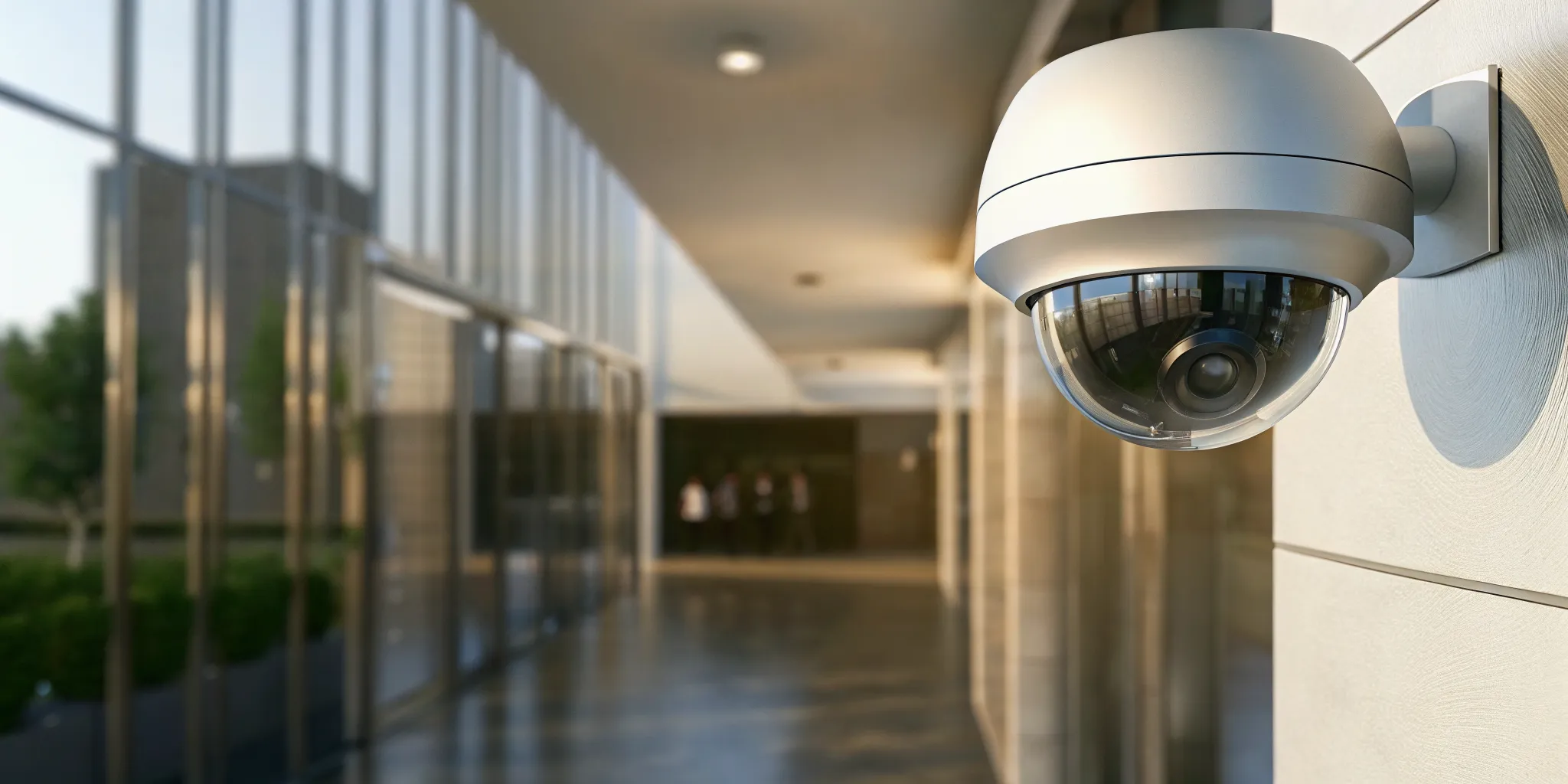
When you think about security, do you think about reacting to a problem or preventing it from happening in the first place? A truly effective security strategy is proactive. It’s about creating an environment where potential intruders feel exposed and decide to move on. This is the real power of a well-designed CCTV system. The visible presence of cameras is one of the most effective deterrents against property crime. This article explores how modern CCTV technology goes beyond simple recording, offering real-time monitoring and smart alerts that empower you to stop incidents before they start, protecting your home, business, or industrial site.
Key Takeaways
- Know Your System’s Building Blocks: A CCTV system is a team of components. Understanding the difference between modern IP and older analog cameras, or choosing between fixed and PTZ models, ensures you select the right tools for your specific property.
- Define Your Goals to Guide Your Choices: Before looking at hardware, list your top security concerns. Your goals, like preventing package theft or monitoring a parking lot, will directly determine which features, such as high resolution or smart motion alerts, are truly necessary.
- Invest in Expertise for Lasting Security: A professional installation does more than hang cameras; it creates a strategic security shield. Experts ensure complete coverage without blind spots, secure your network from digital threats, and provide the ongoing support needed for long-term reliability.
What Is CCTV and How Does It Work?
You’ve probably heard the term CCTV, but what does it actually mean? CCTV stands for Closed-Circuit Television. The “closed-circuit” part is key: unlike broadcast television that goes out to the public, a CCTV signal is private. The video feed is sent only to a limited number of screens and recording devices. It’s a private visual network for your property.
At its core, CCTV, also known as video surveillance, is a tool used to monitor activity, deter crime, and keep a record of events. Whether you’re keeping an eye on your front porch or overseeing a large industrial facility, the basic principles are the same. A well-designed system of security cameras gives you the peace of mind that comes from knowing what’s happening, even when you’re not there. It’s all about creating a secure, observable environment for your home or business.
What Makes Up a CCTV System?
A CCTV system might sound complex, but it’s built from a few essential parts working together. First, you have one or more cameras that act as the eyes of the system, capturing images. Then, you need a recorder. Older systems used tapes, but modern setups use a Digital Video Recorder (DVR) or a Network Video Recorder (NVR) to save all the footage. These recorders are connected to the cameras with cables, and finally, you have monitors where you can view the live or recorded video. Think of it as a simple loop: cameras capture, cables transmit, the recorder saves, and monitors display.
Analog vs. IP: How Footage Is Sent and Saved
There are two main flavors of CCTV systems: analog and IP. Analog is the traditional, old-school system. It uses coaxial cables (like the ones for older TVs) to send video to the recorder. While generally more affordable, the image quality is typically lower. IP, or Internet Protocol, cameras are the modern digital standard. These cameras capture a high-quality digital signal from the start and send it over a computer network. This allows for much better resolution, remote viewing from your phone, and smart features like virtual guarding. An IP system gives you clearer footage and more flexibility for accessing it anywhere.
Types of CCTV Cameras
Once you start looking at security cameras, you’ll quickly realize there isn’t a one-size-fits-all solution. The best camera for your front porch isn’t necessarily the right one for a large warehouse. Understanding the different types of CCTV cameras is the first step in building a system that truly meets your needs. Let’s break down the main categories you’ll encounter when choosing the right hardware for your home or business.
Wired vs. Wireless Systems
The terms “wired” and “wireless” can be confusing, but they refer to how a camera transmits video. A wired camera connects by cable to a recorder, offering a stable connection that isn’t affected by Wi-Fi issues. This makes them a solid choice for critical areas. Wireless cameras transmit video over your Wi-Fi network, giving you more placement flexibility. Just remember they still need a power source, like a battery or outlet. The right choice depends on your property’s layout and security goals, and we can help you find the perfect security cameras for any setup.
Indoor vs. Outdoor Cameras
This distinction is straightforward but important. Outdoor cameras are built tough to withstand Midwest weather, from heavy snow and rain to summer heat. They’re sealed to keep out moisture and dust, ensuring they work year-round. Indoor cameras are smaller and more discreet, designed to blend into your decor. While you could use an outdoor camera inside, you should never use an indoor camera outside; it simply won’t last. When placing any camera, always be mindful of your neighbors’ privacy and local regulations regarding surveillance.
Fixed vs. PTZ Cameras
Fixed cameras, like bullet or dome styles, monitor one specific area. You point them at a doorway or cash register, and they keep a steady watch. They are a great, cost-effective solution for covering key entry points. PTZ (Pan-Tilt-Zoom) cameras offer more flexibility. An operator can remotely pan the camera side to side, tilt it up and down, or zoom in to get a closer look. This makes them ideal for monitoring large areas like parking lots or manufacturing floors where you need to follow the action. They are a core component of active monitoring services like virtual guarding.
Where Can You Use CCTV?
One of the best things about modern CCTV is its versatility. You can find these systems almost everywhere, tailored to meet the specific security needs of different environments. From a single camera at your front door to a complex network across a factory floor, the applications are broad and incredibly effective.
Securing Your Home
For homeowners, a CCTV system offers more than just security; it provides peace of mind. You can check in on your property from anywhere using a phone app, receive alerts when motion is detected, and make sure your family and packages are safe. It’s a practical way to deter potential intruders and keep a watchful eye on your home, whether you’re at work or on vacation. A well-placed camera system is a fundamental part of modern residential security, giving you the confidence that your home is protected around the clock.
Protecting Your Business or Industrial Site
In a commercial or industrial setting, CCTV is an essential tool for protecting your assets and people. For retail stores, cameras can discourage shoplifting and provide clear evidence if theft occurs. In warehouses or on factory floors, they help you monitor operations, ensure safety protocols are followed, and protect valuable equipment from damage or theft. A robust commercial security system acts as a deterrent for criminals and can be invaluable for investigating any incidents, helping to reduce losses and maintain a safe environment for your employees and customers.
Monitoring Public Areas
CCTV also plays a significant role in keeping shared spaces safe. You’ll find cameras in public areas like parking lots, building lobbies, and community parks. Their presence alone can help prevent property crime and other illegal activities. If an incident does occur, the recorded footage provides law enforcement with critical information to investigate and solve cases. By extending surveillance to the areas around your property, you contribute to a safer community while adding another layer of protection for your home or business. These security cameras are a proven method for deterring unwanted behavior.
Why Invest in a CCTV System?
Thinking about a CCTV system is about more than just recording what happens; it’s a proactive step toward securing your property and gaining peace of mind. Whether you’re protecting your family home, managing a commercial business, or overseeing an industrial facility, a well-designed camera system offers practical benefits that go far beyond simple surveillance. From stopping potential intruders in their tracks to providing a clear record of events, it’s an investment in safety, accountability, and control.
Deter Crime Before It Happens
The most powerful feature of a security camera is its ability to prevent an incident before it even starts. The visible presence of security cameras acts as a strong deterrent to potential criminals, who are more likely to target properties that appear unprotected. Studies have shown that CCTV is particularly effective at preventing property crimes like theft and vandalism. For a business owner, this can mean protecting your inventory and assets. For a homeowner, it means creating a safer environment for your family. By making it clear that your property is monitored, you’re sending a message that it’s not an easy target.
Monitor in Real-Time from Anywhere
Modern CCTV systems give you the power to check on your property from virtually anywhere. Thanks to IP cameras and network video recorders, you can view live footage directly from your smartphone, tablet, or computer. This means you can see if a package was delivered to your front door, check on employees at your business after hours, or ensure an industrial site is secure, all in real-time. For an even higher level of protection, services like virtual guarding combine this technology with live monitoring professionals who can respond to threats instantly, giving you an active security presence 24/7.
Collect Critical Evidence
If an incident does occur, high-quality video footage is one of the most valuable tools you can have. Clear video can help law enforcement identify suspects and serve as indisputable evidence in a criminal investigation. For businesses, it’s also an effective way to address internal issues like employee theft or workplace disputes by providing an unbiased record of events. Storing this footage securely is just as important as capturing it. Using reliable cloud services ensures your critical evidence is safe from tampering or physical damage to the recording device, keeping it accessible when you need it most.
Lower Insurance and Liability Risks
Beyond security, a CCTV system can have a positive financial impact. Many insurance providers offer reduced premiums for homes and businesses with professionally installed security systems because they lower the risk of theft and damage. For businesses, cameras also help reduce liability. In the event of a false claim, such as a staged slip-and-fall accident, video footage can provide a clear and accurate account of what happened, protecting you from fraudulent lawsuits. Investing in a comprehensive commercial security plan is a smart way to protect your bottom line while keeping your employees and customers safe.
What Features Should You Look For?
Not all cameras are built the same, and the features you choose will directly impact how effective your security system is. When you start comparing models, it’s easy to get lost in technical jargon. But focusing on a few key capabilities will help you find a system that gives you clear, useful information and genuine peace of mind. Think about what problems you’re trying to solve, whether it’s identifying package thieves or monitoring a large warehouse after hours. Your goals will point you toward the right features for the job.
High-Resolution and Image Clarity
If you can’t tell what you’re looking at, your security footage isn’t very secure. Resolution determines the clarity of your video, and higher is always better. While older analog cameras produced grainy, hard-to-decipher images, modern IP cameras offer crisp, high-definition video. Look for cameras with at least 1080p (Full HD) resolution. For covering larger areas or needing to zoom in on details like faces or license plates, 2K or even 4K resolution is a worthwhile investment. The goal is to capture undeniable proof, and that starts with a crystal-clear picture from your security cameras.
Clear Night Vision Performance
Crime doesn’t stop when the sun goes down, and neither should your cameras. Night vision is a non-negotiable feature for any serious security system. Most cameras use infrared (IR) LEDs to see in the dark, producing a black-and-white image. While effective, some of the latest models now offer color night vision, which uses ambient light to produce full-color video even in low-light conditions. This can provide critical details, like the color of a person’s clothing or a vehicle, that would be lost in a traditional IR view. A system that works around the clock is essential for protecting your commercial property.
Smart Motion Detection and Alerts
Older motion detectors would send an alert for anything that moved, from a passing car to a falling leaf. This led to a flood of false alarms that were easy to ignore. Today’s cameras use smart, AI-powered motion detection to tell the difference between people, animals, and vehicles. You can set up customized alerts that only trigger when a person enters a specific zone or a car pulls into your driveway. These alerts are sent directly to your phone or monitoring station, allowing you to respond immediately to real threats. This intelligent monitoring is the core of services like virtual guarding.
Local vs. Cloud Storage
Once your camera records footage, you need a place to store it. You have two main options: local or cloud. Local storage means saving video to a physical device on-site, like a Digital Video Recorder (DVR) or Network Video Recorder (NVR). This is typically a one-time hardware cost with no monthly fees. The downside is that if the recorder is stolen or damaged, your footage is gone. Cloud services, on the other hand, upload your footage to a secure remote server. This protects your video from physical damage and allows you to access it from anywhere, usually for a monthly subscription fee.
Smart Home Integration
Your security system can be even more powerful when it works with your other devices. For homeowners, this means integrating your cameras with your smart home ecosystem. You could have your lights turn on automatically when a camera detects motion at night or see a live feed from your doorbell camera on your smart display. For businesses, integration with an access control system allows you to visually verify who is entering and exiting the building. This connectivity turns your standalone cameras into a coordinated and responsive security network, making your daily life more convenient and secure.
How to Choose the Right CCTV System
Okay, you’re sold on the benefits of CCTV. Now comes the part that can feel a little overwhelming: picking the right system for your property. With so many options on the market, it’s easy to get lost in the technical specs and brand names. But choosing a system doesn’t have to be a headache. The key is to break the decision down into a few manageable steps. By thinking through your specific needs, budget, and long-term plans before you buy, you can confidently select a security solution that truly works for you. Whether you’re protecting your family home, your storefront, or a large industrial facility, a little planning goes a long way. Let’s walk through how to make the best choice.
Define Your Security Goals
Before you even look at a single camera, grab a pen and paper and ask yourself: What do I want this system to do? Your answer will guide every other decision. Are you a homeowner hoping to deter package thieves and keep an eye on the kids in the backyard? Or are you a business owner who needs to monitor a large parking lot, prevent after-hours break-ins, and ensure employee safety? A system designed for a small home is very different from one needed for a sprawling industrial site. Make a list of your top security concerns. This simple step will help you focus on the features that matter most and avoid paying for ones you don’t need.
Set Your Budget
Let’s talk money. CCTV systems can range from a couple hundred dollars for a basic DIY kit to thousands for a multi-camera, professionally installed setup. It’s important to set a realistic budget from the start. Think of it as an investment in your peace of mind and the protection of your assets. While it can be tempting to go for the cheapest option, remember that quality and reliability often come with a higher price tag. Consider the long-term value, not just the upfront cost. If a large initial payment is a concern, look into financing options that can make a high-quality system more accessible and fit within your budget.
Factor in Installation and Maintenance
Your work isn’t done once you’ve bought the cameras. You also need to think about how the system will be installed and maintained. A basic CCTV system includes cameras, a recorder, and cables, and getting it all set up correctly is crucial for performance. While DIY installation can save money, a professional installer ensures optimal camera placement to avoid blind spots and can handle complex wiring. You should also consider ongoing needs. Will you use cloud services for storage? Do you want professional monitoring to keep an eye on things 24/7? Factoring in these long-term operational costs will give you a much more accurate picture of your total investment.
Common CCTV Myths, Busted
Security cameras are more common than ever, but a lot of misinformation still surrounds them. It’s easy to get the wrong idea about what they can and can’t do. Let’s clear up a few common myths so you can make a more informed decision about your security. Understanding the reality of CCTV helps you set realistic expectations and build a security plan that truly works for your home or business.
Myth: CCTV Guarantees Total Safety
It’s tempting to think that installing cameras creates an impenetrable bubble of safety, but that’s not quite how it works. While CCTV is an excellent tool for deterring criminals and collecting evidence, it’s one piece of a larger puzzle. Studies show that cameras are most effective at preventing property crimes, but they don’t stop every incident. Think of your security system as a team: your cameras are the lookouts, but they work best with other players like burglar alarms and strong access control. A well-designed system creates multiple layers of protection, making your property a much harder target.
Myth: All Cameras Are Created Equal
You might see a wide range of prices for security cameras and assume they all do the same job. In reality, there’s a huge difference in quality and capability. Older analog systems are fundamentally different from modern IP cameras, which offer higher resolution, wider fields of view, and advanced features like remote viewing from your phone. The right camera for a small retail storefront isn’t necessarily the right one for a large industrial warehouse or a quiet residential street. Choosing the correct type of camera for each specific location is critical for getting clear, usable footage when you need it most.
Myth: CCTV Is Only for Businesses
While cameras are a staple in commercial and industrial settings, they are no longer just for businesses. Thanks to more accessible technology and user-friendly apps, high-quality residential security systems are incredibly popular. Homeowners now use cameras to keep an eye on their property, receive alerts when packages are delivered, and check in on kids or pets from anywhere. Whether you’re protecting a suburban home, a manufacturing plant, or a downtown office, a customized camera system provides invaluable peace of mind and a clear view of what’s happening on your property.
Know the Rules: CCTV, Legality, and Privacy
Setting up a CCTV system is a fantastic step toward securing your property, but it comes with responsibilities. It’s not just about pointing a camera and hitting record. Understanding the rules around privacy and the law is key to using your system effectively and ethically. Getting this right from the start protects you and ensures your security measures are a source of peace of mind, not legal headaches. Let’s walk through what you need to know to stay on the right side of the law while keeping your property safe.
Where You Can (and Can’t) Install Cameras
The most important rule to remember is the “reasonable expectation of privacy.” People have a right to privacy in certain areas, and your cameras can’t violate that. This means you should never install cameras in places like bathrooms, bedrooms, or guest changing rooms. For outdoor cameras, you have more freedom. You can place them around your home or business, but they should primarily monitor your own property. Pointing a camera directly into a neighbor’s window is a major privacy violation. A well-designed residential security plan will respect these boundaries while maximizing your coverage.
Understand Signage Requirements
A common question I get is whether you need to post signs indicating you have security cameras. In most cases, for private property, the law doesn’t require you to announce your surveillance. However, putting up a sign can be a smart move. For one, it acts as a powerful deterrent, often stopping a potential intruder before they even try anything. It also creates transparency by letting visitors know they are being recorded. While not mandatory, signs are a simple, low-cost addition to your overall security strategy, working hand-in-hand with tools like burglar alarms to create a strong defense.
Secure and Manage Your Footage
Once your cameras are running, your job isn’t quite done. You also need to think about how you’ll manage and protect the footage you collect. It’s important to make sure your system is always working correctly and that the video data is secure from unauthorized access. This is where professional monitoring can make a huge difference. Services like virtual guarding use specialized software to keep your system running smoothly, provide 24/7 oversight, and send reliable alerts if something unusual is detected. Properly managing your footage helps you meet privacy standards and ensures your evidence is safe and usable when you need it most.
What Are the Limitations of CCTV?
While a CCTV system is one of the most effective tools for protecting your property, it’s not a magic wand. Understanding the potential weak points of your camera system is the first step toward strengthening them. By being aware of these limitations, you can make more informed decisions and create a security plan that truly covers your bases. Let’s look at a few common challenges to consider.
Potential Blind Spots and Quality Gaps
A camera can’t record what it can’t see. One of the biggest limitations is the risk of blind spots, which are areas outside a camera’s field of view. These gaps can happen because of poor placement, obstructions like overgrown trees, or using the wrong camera for the space. Footage quality is just as critical. An older, low-resolution camera might capture an event, but if the image is too grainy to identify a person, its value as evidence drops. Investing in modern, high-quality security cameras and having them professionally installed ensures you get clear, usable footage and complete coverage.
Cybersecurity Risks for IP Cameras
Modern IP cameras offer incredible flexibility by streaming video over the internet, but this introduces a new risk: hackers. Any device on your network can be an entry point for unauthorized access if it isn’t properly secured. For a security system, the stakes are high, as a breach could expose sensitive video feeds or let someone disable your cameras. Protecting your system requires more than a strong password; it involves secure network configuration and regular updates. Using secure cloud services for storage can also add another layer of professional-grade protection against digital threats.
Ongoing Maintenance Needs
It’s easy to think of security cameras as a “set it and forget it” solution, but they require regular attention. Over time, a camera lens can get dirty, spiders can build webs that trigger false alerts, or a camera can be knocked out of position. Software also needs updates to patch security vulnerabilities. Without routine checks, you might not discover a problem until you need to pull footage and find it’s unavailable. A proactive maintenance plan is essential for reliability. Partnering with a provider of comprehensive security services ensures your system is always working as it should, giving you peace of mind.
Is Professional CCTV Installation Worth It?
With countless DIY security kits on the market, it’s tempting to handle installation yourself. And for a simple setup, that might seem like enough. But a truly effective security system is more than just a camera in a box. It’s a cohesive solution where every component works together flawlessly. The real question isn’t just about hanging a camera; it’s about creating a reliable security shield for your property.
Professional installation is an investment in peace of mind. Experts know how to place cameras to eliminate blind spots, what type of lens to use for a long hallway versus a wide parking lot, and how to configure your network to protect against cybersecurity threats. Studies have shown that even high-end security cameras can be ineffective due to poor setup or bad video quality. A professional ensures your system is designed and installed correctly from the start, so it’s ready to perform when you need it most.
DIY vs. Professional Installation
Choosing between DIY and professional installation comes down to a trade-off between upfront cost and long-term reliability. A DIY approach gives you control and may seem less expensive initially. You buy the cameras, a recorder, and the cables, and you piece it all together. However, you’re also responsible for the entire design, installation, and troubleshooting process.
A professional installer brings expertise that a manual can’t provide. They conduct a site assessment to map out vulnerabilities, ensuring every critical area is covered. They handle the complex wiring, network configuration, and software setup needed for optimal performance. For anyone looking to protect their home or business, a professional ensures your system isn’t just installed, but strategically implemented.
Why Ongoing Support Matters
A security system isn’t a “set it and forget it” appliance. Technology changes, software needs updates, and hardware can fail. Without ongoing support, your system’s effectiveness can degrade over time, often without you even realizing it. A camera could go offline, or your recorder could stop saving footage, leaving you vulnerable right when you need protection.
This is where professional support makes a significant difference. It means having a team that monitors your system’s health, applies critical security patches, and is available to troubleshoot any issues that arise. Some services even include virtual guarding, where professionals actively monitor your feed for threats. With a support plan, you have an expert partner ensuring your security investment continues to pay off, keeping your system running smoothly day in and day out.
Related Articles
Frequently Asked Questions
What’s the main difference between a wired and a wireless camera system? This is a great question because the terms can be a bit misleading. A wired system uses physical cables to send video back to a recorder and often gets its power from the same setup, making it very reliable. A wireless camera transmits its video signal over Wi-Fi, which offers more flexibility in where you can place it. Keep in mind, however, that most wireless cameras still need to be plugged into a power outlet or have their batteries changed regularly, so they aren’t completely free of wires.
How do I know how many cameras I need and where to put them? The best way to figure this out is to think about your property’s weak points. Start by identifying key areas like front and back doors, ground-floor windows, driveways, and any gates. For a business, you might add cash registers, stockrooms, or loading docks to that list. The goal isn’t to have the most cameras, but to have the right cameras in the right places. A professional site assessment is the best way to get a strategic layout that eliminates blind spots and covers what matters most.
Is it really worth paying for professional installation? While it can be tempting to install a system yourself to save money, professional installation is an investment in reliability. An expert knows exactly how to position cameras to get the best viewing angles and avoid blind spots. They also handle the complex wiring and network setup to ensure your system is secure and performs correctly. A professional installation means you can be confident your system will work as intended when you need it most, saving you from future headaches and potential security gaps.
My neighbor has cameras pointing toward my yard. Is that legal? This is a common concern, and the rules generally come down to a “reasonable expectation of privacy.” It is usually legal for your neighbor to have cameras monitoring their own property, and those cameras might incidentally capture parts of your yard or the street. However, it is not okay for a camera to be aimed directly into an area where you have a high expectation of privacy, like your bedroom or bathroom windows. If you’re concerned, the best first step is often a friendly conversation with your neighbor.
What happens if my internet goes down? Will my cameras stop working? This depends entirely on your system’s setup. If your cameras record locally to a DVR or NVR on your property, they will continue to record footage even if the internet connection is lost. You just won’t be able to view the live feed remotely from your phone or receive alerts until the internet is back online. If your system relies solely on cloud storage without a local backup, then yes, an internet outage will stop it from recording. This is why many people prefer a hybrid system that offers both local recording and cloud services.