
How to Choose a Commercial Security Cameras System
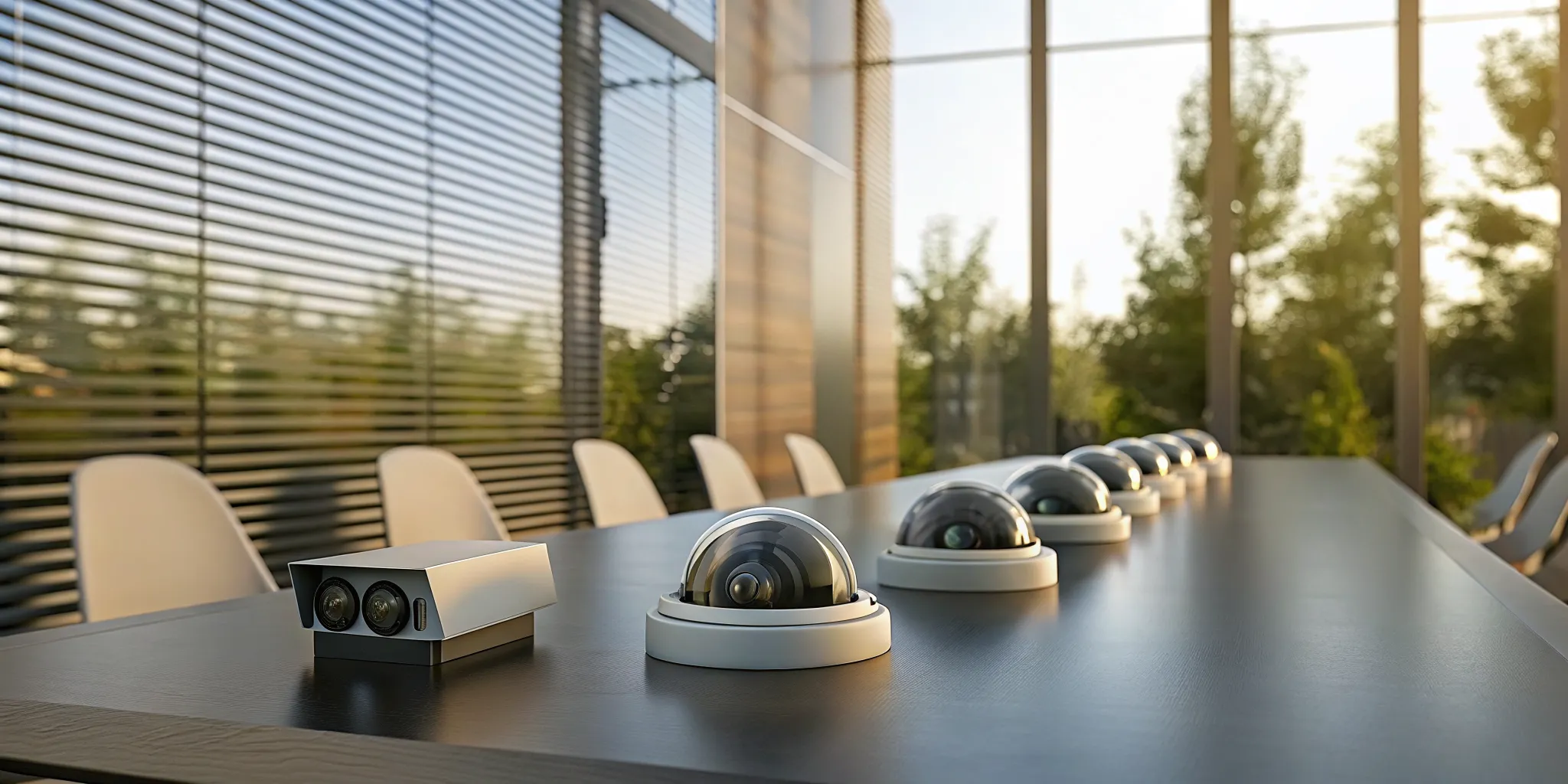
You’ve seen security cameras your whole life, but the technology has evolved far beyond simple, grainy recordings. Today’s systems are intelligent, proactive tools that can actively help you run a safer, more efficient business. A modern commercial security cameras system uses AI-driven analytics to distinguish between a real threat and a stray animal, integrates seamlessly with access control, and allows you to monitor your property from anywhere in the world. It’s less about passively recording and more about providing actionable insights. In this guide, we’ll cover the advanced features that define a professional-grade system and how they can be tailored to your specific needs.
Key Takeaways
- Tailor your security system to your specific property: A successful security strategy starts with a thorough assessment of your building’s layout. Identify critical areas and potential blind spots to ensure comprehensive coverage, and plan for how your cameras will integrate with existing systems like access control.
- Focus on features that deliver clear evidence: Prioritize camera quality over a low price tag. Essential features like high-resolution video, dependable night vision, and smart motion detection are what make your footage useful for identifying details and preventing false alarms.
- Rely on professional installation and ongoing care: Your system’s effectiveness depends on a proper setup and consistent upkeep. Professional installation prevents common errors and ensures optimal performance, while regular maintenance like software updates and lens cleaning keeps your investment reliable for years.
What is a Commercial Security Camera System?
When you think about securing your business, you’re likely picturing more than just a single camera pointed at the door. A commercial security system is a comprehensive network of hardware and software working together to protect your property, assets, and people. It’s a solution designed specifically for business environments, safeguarding them from security breaches, theft, and other potential threats. Unlike a simple home setup, a commercial security system is built to handle the complexities and higher stakes of a business setting.
These systems are far more robust, combining high-definition cameras, alarms, and sensors with sophisticated software for monitoring and management. The goal isn’t just to record what happens, but to provide a proactive layer of security that can deter incidents before they occur and provide clear, actionable evidence if they do. Whether you run a small retail store, a sprawling warehouse, or a multi-site industrial operation, a commercial system is tailored to meet your unique security challenges and give you complete oversight of your environment.
The Essential Components
Choosing the right security camera system for your business means understanding its core parts. At a basic level, every system includes cameras, a recording device (like a Network Video Recorder), and a way to view the footage. However, the specific components you need depend entirely on your business. Factors like your property’s size and layout, your budget, and any industry-specific compliance requirements will shape your final setup.
For example, a jewelry store might need high-resolution dome security cameras with advanced analytics, while a warehouse may require durable, weather-resistant outdoor cameras with night vision. The key is to select specialized components that provide targeted solutions for your most critical security needs, ensuring you have the right technology protecting your most valuable assets.
Commercial vs. Residential: What’s the Difference?
While both commercial and residential systems aim to provide peace of mind, they are designed for very different scales and purposes. A residential security system is typically simpler, focusing on general monitoring for a home. It’s often less expensive and easier to install yourself.
Commercial systems, on the other hand, are built for larger, more demanding operations. They feature higher-resolution video for capturing fine details, advanced analytics for smarter detection, and the ability to integrate with other security measures like access control and alarm systems. Commercial-grade equipment is also engineered for greater durability and reliability to withstand constant operation in challenging environments, ensuring your business is protected around the clock.
Your Guide to Commercial Camera Types
Choosing the right camera for your business isn’t a one-size-fits-all decision. The best system depends on your property’s layout, your security goals, and your budget. Think of it like picking the right tool for a job; you wouldn’t use a hammer to turn a screw. Understanding the main types of commercial cameras will help you find the perfect fit for protecting your assets. From high-tech IP systems to versatile PTZ cameras, each option offers unique benefits for different environments. Let’s break down the most common choices so you can make an informed decision.
IP Camera Systems
IP (Internet Protocol) cameras are the modern standard for commercial security. Instead of analog signals, they send and receive high-quality digital video over a computer network. This gives you much clearer, higher-resolution images than older systems. One of the biggest advantages of modern IP security cameras is the integration of smart, AI-driven features. These cameras can distinguish between people, vehicles, and other motion, which drastically reduces false alarms. You get alerts for what actually matters, not just a tree branch swaying in the wind. Because they operate on a network, they also offer more flexibility for remote viewing and data storage.
Analog HD Systems
Don’t let the word “analog” fool you. Modern Analog HD systems deliver high-definition video that is a massive improvement over old-school CCTV. Their main advantage is that they are incredibly reliable and often more cost-effective than IP systems. They transmit video over coaxial cables, the same kind used for older analog setups. This makes them a fantastic choice if you’re upgrading an existing system, as you can often use the wiring that’s already in place. This saves you significant time and money on installation while still giving you the clear, detailed video you need to protect your property.
Wireless Security Camera Systems
Wireless cameras offer incredible flexibility, making them ideal for properties where running cables is difficult or impossible. They connect to your network via Wi-Fi, so installation is much simpler and less invasive. This also makes it easy to expand your system or reposition cameras as your security needs change. However, their performance depends entirely on the strength and reliability of your internet connection. A weak or unstable Wi-Fi signal can lead to dropped footage or poor video quality. For most commercial services, a professional assessment is key to ensure your network can support a dependable wireless camera system.
PTZ Camera Systems
PTZ stands for Pan-Tilt-Zoom, and these cameras do exactly that. A single PTZ camera can monitor a large area that might otherwise require several fixed cameras. An operator can remotely control the camera to pan across a wide space, tilt up and down, and zoom in to get a closer look at specific details or events. This makes them perfect for covering parking lots, warehouses, and other expansive areas. PTZ cameras are a powerful tool, especially when paired with active monitoring services like virtual guarding, allowing a security professional to track suspicious activity in real time from anywhere.
Key Features to Look for in a Commercial Camera
When you start comparing different security cameras, the technical specifications can feel a bit overwhelming. But you don’t need to be an expert to know what matters. A great commercial camera system is built on a few core features that work together to protect your property. Focusing on these key areas will help you find a solution that provides clear evidence, minimizes false alarms, and gives you reliable access to your footage when you need it most. Let’s walk through the four most important features to look for.
High-Resolution Video
The primary job of a security camera is to capture usable footage. If you can’t make out important details like faces or license plates, the camera isn’t doing its job. That’s why high-resolution video is non-negotiable. Look for cameras that record in at least 1080p (Full HD), though 4K resolutions are becoming the standard for commercial applications where detail is critical. Clear images are essential for identifying individuals and providing solid evidence if an incident occurs. Modern systems also offer features like privacy masking, which allows you to digitally block out sensitive areas, like computer screens or keypad entry codes, from the camera’s view to protect employee and customer privacy.
Reliable Night Vision
Your business needs protection around the clock, not just during business hours. Reliable night vision ensures your surveillance system remains effective after dark. Most modern security cameras use infrared (IR) technology to capture clear black-and-white video in complete darkness. Some advanced models even offer color night vision, which can provide even more detail in low-light conditions. When evaluating a camera’s night vision capabilities, check its effective range. You want to be sure it can clearly illuminate the entire area you need to monitor, from your building’s entrance to the far corners of your parking lot. This 24/7 visibility is a cornerstone of any effective commercial security plan.
Smart Analytics and Motion Detection
Older motion detection systems used to trigger an alert for anything that moved, from a falling leaf to a stray cat. This led to a flood of false alarms that were easy to ignore. Today’s cameras are much smarter. Thanks to AI-driven video analytics, modern systems can distinguish between people, vehicles, and other objects. This intelligent detection means you only get alerts for the events that actually matter, making your security monitoring far more efficient. These analytics can also be used to track customer foot traffic patterns or ensure employees are following safety protocols, adding value beyond just security.
Secure Storage and Cloud Access
Capturing high-quality video is only half the battle; you also need a secure and reliable way to store and access it. You have two main options: local storage on a Network Video Recorder (NVR) or secure cloud storage. An NVR keeps your data on-site, while the cloud offers remote access from any device and protects your footage from being physically stolen or damaged. Many businesses use a hybrid approach for the best of both worlds. With InVision’s cloud services, you can easily review live and recorded video from anywhere, ensuring you always know what’s happening at your property.
How to Choose the Right System for Your Business
Selecting the right security camera system is about more than comparing models. It’s about building a solution that fits your property, works with your existing tools, and can grow with you. A thoughtful approach ensures you get a system that truly protects your assets and people. By considering your unique environment and long-term goals from the start, you can invest in a security solution that will serve you well for years to come.
Assess Your Property’s Layout
Before choosing a camera, walk through your property. Map out areas that need constant monitoring, like entrances, exits, cash registers, and inventory storage, while also identifying potential blind spots. A professional site assessment is incredibly helpful, as an expert can spot vulnerabilities you might miss. This process ensures you get a layout that provides comprehensive coverage for your commercial property.
Plan for Indoor and Outdoor Coverage
Indoor and outdoor environments demand different hardware. Outside, you’ll need durable, weatherproof models that can handle rain, snow, and extreme temperatures. It’s also critical that any outdoor camera has excellent night vision for protection after dark. Indoor cameras may need to be more discreet or designed for specific lighting challenges, like glare from a window. Planning for both ensures you have reliable security cameras that perform well.
Integrate with Existing Security Measures
Your camera system is most effective as part of a larger security strategy. Consider how new cameras will complement your current setup. For example, integrating your cameras with an access control system lets you visually verify who is entering a restricted area. Connecting cameras to your burglar alarm can also help confirm a threat and lead to a faster police response. A cohesive system provides a much stronger layer of protection.
Consider Your Future Growth
Your business isn’t static, and your security system shouldn’t be either. As you plan for today, think about where your business will be in five years. Will you expand your facility or add a new building? A scalable system is essential. Make sure the platform you choose can support additional cameras as your needs grow. This foresight prevents you from having to replace your entire system down the road, saving you time and money.
Understanding the Costs of a Commercial Security System
Figuring out the budget for a commercial security system can feel complicated, but it helps to think of it as a long-term investment in your business’s safety and stability. The final price isn’t just about the cameras you see on the wall. It’s a combination of the equipment itself, the expertise required for a flawless installation, and any ongoing services that keep your system running smoothly. Each of these elements plays a critical role in creating a reliable security solution that protects your property, assets, and people. By breaking down the costs, you can build a clear financial picture and make a choice that fits your security needs and your budget.
Breaking Down Equipment Pricing
When you start pricing out a system, you’ll see that the hardware costs go beyond the cameras. The total equipment price includes the cameras, a network video recorder (NVR) to store footage, monitors for viewing, and all the necessary cabling and mounts. The type of security cameras you choose will be the biggest variable. A simple fixed camera will cost less than a high-resolution PTZ (pan-tilt-zoom) camera with advanced analytics. While it might be tempting to choose lower-priced options, remember that higher-quality equipment provides clearer evidence and greater reliability, which is essential when an incident occurs. The number of cameras and the size of your property will also directly influence the total equipment investment.
The Value of Professional Installation
While DIY solutions are available, professional installation is the best way to guarantee your commercial security system performs as expected. An expert installer does more than just mount cameras. They assess your property for vulnerabilities, determine the optimal camera placement to eliminate blind spots, and handle the complex wiring and network configuration. The cost for professional installation can vary depending on factors like your building’s construction, the height at which cameras are mounted, and the length of cable runs. Investing in a professional setup for your commercial security ensures every component works together correctly from day one, giving you a truly dependable system.
Budgeting for Maintenance and Monitoring
Your security system costs don’t end once the installation is complete. It’s important to budget for ongoing services that keep your system effective. This includes professional monitoring, which ensures someone is always watching over your property. Modern solutions like virtual guarding offer active surveillance that can prevent incidents before they happen. You should also account for potential costs related to data storage, whether it’s through an on-site recorder or a cloud-based service. Regular maintenance checks are also a good idea to keep your cameras clean, check connections, and apply necessary software updates, ensuring your system remains a reliable asset for years to come.
Exploring Your Financing Options
A comprehensive security system is a significant but necessary expense for any business. If the upfront cost seems daunting, it’s worth looking into your payment choices. Many security providers offer financing plans that allow you to get the protection you need now while spreading the cost over time. This approach makes a top-tier system more accessible and lets you preserve your capital for other business needs. By taking advantage of financing options, you can install a robust, high-quality security system without compromising on features or quality due to initial budget constraints. It’s a practical way to secure your business effectively and affordably.
What Makes a Security System Reliable?
A reliable security system is one you can trust to work flawlessly when you need it most. It’s more than just a camera that records video; it’s a complete ecosystem where every component works together seamlessly. Reliability comes from a combination of high-quality equipment, expert installation, and a network that can support it all without a hitch. When you invest in security, you’re really investing in peace of mind. That peace of mind is only possible when you know your system is built on a foundation of dependability, from the camera lens to the cloud storage.
Our Approach to Professional Solutions
Choosing the right security camera system for your business can feel like a huge task, especially when every property has unique challenges. A one-size-fits-all approach just doesn’t cut it. That’s why our process always starts with understanding your specific needs. We provide commercial security solutions that are completely customized for your environment. By assessing your property’s layout, identifying critical areas, and discussing your goals, we can design a system with specialized cameras and components that provide targeted solutions, going far beyond general surveillance. True reliability begins with a professional plan, not just a product.
Key Performance and Reliability Standards
The quality of your equipment is a critical piece of the reliability puzzle. One of the most important factors is the camera’s resolution and image quality. High-resolution security cameras provide clear, detailed images that are actually useful for identifying people and events. Beyond clarity, a reliable camera must perform well in all conditions. This includes having effective night vision for low-light situations and being durable enough to withstand the elements if installed outdoors. Features like these ensure your system captures usable footage around the clock, no matter what’s happening.
Ensuring Network and System Compatibility
Modern security systems, especially IP and wireless cameras, depend heavily on your internet connection. The performance of your entire system rests on your network’s reliability and bandwidth. Before installing anything, it’s essential to evaluate your current network infrastructure to make sure it can handle the data load from multiple high-resolution cameras. We also ensure all components are fully compatible. Your cameras, recording devices, and monitoring software should integrate perfectly with each other and with any existing systems, like your access control. This creates a unified, dependable security network that works as a single, cohesive unit.
Common Mistakes to Avoid When Buying Security Cameras
Choosing a security camera system is a significant step toward protecting your property. But with so many options available, it’s easy to make a misstep that could compromise your security. A little planning can help you sidestep common errors and ensure you get a system that truly meets your needs. By understanding these potential pitfalls, you can make a more informed decision and invest in a solution that provides real peace of mind.
Sacrificing Quality for Price
It’s tempting to look for the cheapest option, but when it comes to security, a lower price tag often means lower quality. Inexpensive systems can lead to a host of problems, including grainy footage, unreliable performance, and a shorter lifespan. You might save money upfront, but you could end up paying more in the long run with repairs and replacements.
Think of your security system as a long-term investment in the safety of your assets and people. Prioritizing reliable, high-performance equipment from the start is the best way to ensure your property is properly protected. If budget is a concern, exploring financing options can make a top-tier system more accessible without cutting corners on quality.
Overlooking Camera Placement and Coverage
The most advanced camera in the world won’t do you any good if it’s pointed at a wall. One of the biggest mistakes business owners make is failing to plan camera placement strategically. Without a clear map of your property’s vulnerable spots, you can end up with significant blind spots that leave you exposed. It’s crucial to identify key areas like entrances, exits, parking lots, and cash-handling zones.
A professional site assessment is the best way to guarantee comprehensive coverage. Experts can identify critical sightlines and potential security gaps you might not notice. Proper planning ensures your commercial security system is positioned for maximum effectiveness, giving you a complete view of your property.
Forgetting Your Network’s Limitations
Modern IP cameras rely heavily on your internet connection to deliver clear, consistent video feeds. If your network can’t handle the bandwidth, you’ll experience frustrating issues like lag, dropped frames, and poor remote viewing quality. Before you invest in a high-resolution system, it’s essential to evaluate your current network infrastructure.
Consider the size of your property and the number of security cameras you plan to install. Each device adds to the load on your network. A professional can assess your bandwidth and network reliability to ensure your system will perform as expected. This step prevents you from investing in a powerful system that your network simply can’t support.
Skipping Professional Installation
While a DIY approach can be appealing for some projects, security system installation isn’t one of them. Improper installation can lead to a range of issues, from incorrect camera angles and unreliable wiring to connectivity problems that render your system useless. Professionals have the expertise to install your system correctly the first time, ensuring every component works together flawlessly.
Professional installation also guarantees that your cameras are seamlessly integrated with your other security measures. This includes connecting them to your alarms and access control systems for a unified security solution. By leaving the setup to the experts, you can be confident that your system is optimized for performance and reliability from day one.
How to Maintain Your Commercial Security System
Installing a commercial security system is a fantastic first step, but the work doesn’t stop there. Just like any other essential business equipment, your security system needs regular attention to perform at its best. Consistent maintenance ensures your cameras, alarms, and access points are always ready to protect your property, employees, and assets. Think of it as protecting your investment. A well-maintained system is a reliable one, giving you peace of mind and ensuring you get the full value out of your security solution for years to come.
Perform Regular System Updates
Your security system’s software is its brain, and keeping it updated is crucial. Manufacturers release regular updates to patch security vulnerabilities, fix bugs, and sometimes even add new features. Skipping these updates can leave your system exposed to digital threats, which defeats the purpose of having it in the first place. We recommend scheduling quarterly checks for any available firmware or software updates. This simple, proactive step ensures your system remains secure, stable, and equipped with the latest protections, keeping your business one step ahead of potential risks.
Keep Cameras Clean and Monitored
A security camera with a dirty or obstructed lens is practically useless. Over time, dust, pollen, and spiderwebs can accumulate, blurring the image and compromising your surveillance. Make it a habit to regularly inspect and clean your camera lenses with a soft, microfiber cloth. While you’re at it, check for any new obstructions, like overgrown tree branches or shifted inventory, that might create blind spots. Verifying that your security cameras are still pointing in the right direction ensures you always have a clear, unobstructed view of the areas you need to protect.
Manage Your Video Storage and Data
Your security footage is only valuable if it’s properly recorded and stored. It’s important to periodically check that your system is actively recording and that you have enough storage space. Whether you use on-site NVRs or cloud services, you should have a clear data retention policy in place. This helps you manage storage costs while ensuring you keep footage for as long as you need it for liability or operational reasons. A quick check of your storage status and a review of recent recordings can confirm that everything is working exactly as it should.
Train Your Staff on Best Practices
Your team can be your greatest asset in maintaining your security system. When your employees understand how the system works, they can help spot issues before they become major problems. Provide basic training on how to operate the system, how to identify a malfunctioning camera or sensor, and who to contact if something seems off. Empowering your staff with this knowledge creates an extra layer of security and ensures the system is used effectively. This collaborative approach makes security a shared responsibility and strengthens your overall commercial security posture.
Related Articles
- How to Choose Business Security Systems with Cameras
- Extreme Weather & Your Security Cameras Invision Systems
Frequently Asked Questions
Do I really need professional installation for my security cameras? While it might seem like a way to save money, installing a commercial system yourself can lead to major headaches. Professional installation is about much more than just hanging cameras. It involves a strategic assessment to eliminate blind spots, proper network configuration to handle high-resolution video, and ensuring every component works together perfectly. A professional setup guarantees your system is reliable and effective from day one.
What’s more important: having more cameras or having higher-quality cameras? This is a great question. While broad coverage is a goal, quality is almost always more important than quantity. One high-resolution camera that captures a clear, identifiable image is far more valuable than three blurry cameras that provide no useful evidence. The best strategy involves creating a plan that uses high-quality cameras to cover your most critical areas, ensuring you get usable footage when it matters most.
Will a new security system work with the alarms or access control I already have? Yes, and integrating your systems is one of the smartest ways to strengthen your overall security. Modern commercial camera systems are designed to work with other security measures. For example, linking your cameras to your access control system allows you to visually confirm who is entering a secure area. A cohesive, integrated system provides a much more powerful and responsive layer of protection for your business.
Is cloud storage a better option than a physical recorder? It really depends on your specific needs, and many businesses find that a hybrid approach works best. A physical recorder, or NVR, keeps all your footage stored on-site, which is great for reliability. Cloud storage, on the other hand, gives you the flexibility to access your video from anywhere and protects your recordings from being physically stolen or damaged. Combining both gives you on-site control with a secure, off-site backup.
How do I make sure my system can grow with my business? Thinking about your future needs from the start is essential. The best way to prepare for growth is to choose a scalable system. This means investing in a platform that can easily support additional cameras and new features as your business expands. Planning for scalability now ensures you won’t have to replace your entire system in a few years, saving you significant time and money down the road.