
Top Home Security Companies Compared Side-by-Side
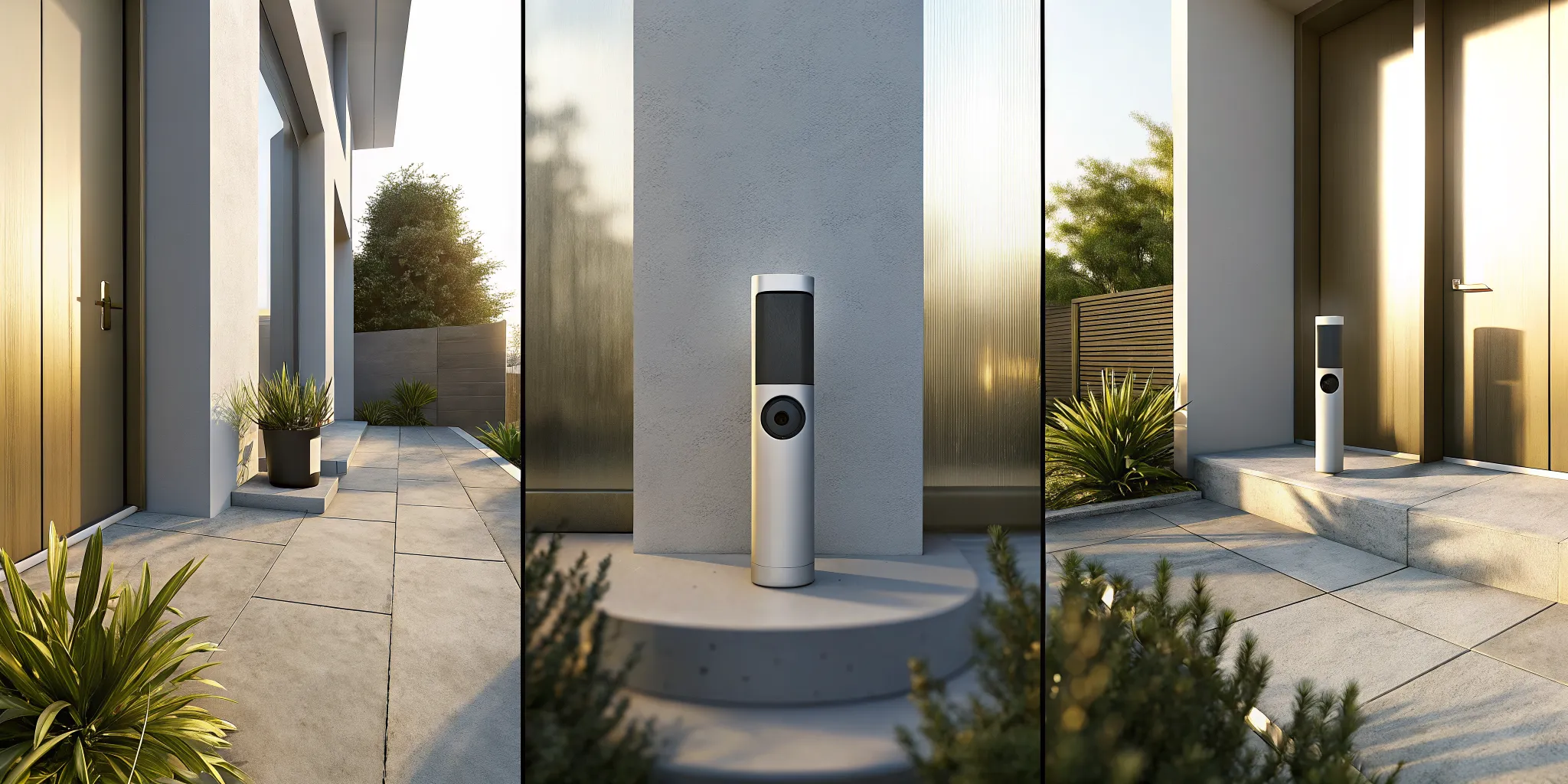
Your home isn’t a carbon copy of your neighbor’s, so why should your security system be? The most effective protection comes from a solution designed specifically for your property’s unique layout and your family’s lifestyle. A one-size-fits-all package might leave you with critical blind spots or features you’ll never use. The goal is to find a system that integrates seamlessly into your daily life while providing robust, reliable protection. When you start comparing home security companies, the best ones won’t just sell you a box of sensors; they’ll work with you to create a tailored plan that addresses your specific concerns and vulnerabilities.
Key Takeaways
- Prioritize a personalized solution: The most effective security system is one designed specifically for your property’s layout, your lifestyle, and your unique security concerns. Avoid one-size-fits-all packages and seek a provider who offers a custom assessment.
- Understand the total cost of ownership: Look beyond the initial equipment price to understand the full financial commitment, which includes monthly monitoring fees, installation charges, and contract terms. Always ask for clear, transparent pricing to avoid hidden fees.
- Insist on smart, integrated technology: A modern system should offer more than just alarms. Key features like a user-friendly mobile app, smart home integration, and AI-powered video analytics provide proactive security and daily convenience.
How to Choose the Right Home Security Company
Choosing a home security company can feel like a big commitment, but finding the right fit is simpler than you might think. It’s less about finding a one-size-fits-all solution and more about finding a security partner that understands your specific needs. Before you get lost comparing equipment and prices, take a step back and think about what truly matters for your peace of mind.
First, consider the overall customer experience. Technology is important, but so are the people who install and support it. Look for a company with a strong reputation for customer service and a smooth installation process. According to a recent home security satisfaction study, these factors are just as crucial as how well the system performs. You want a team you can count on, from the initial design consultation to any support you might need down the road.
Next, think about how the system will fit into your daily life. If you already use smart home devices, you’ll want a security system that integrates seamlessly. The best modern systems go beyond basic alarms, offering features like access control and smart automation that make your home safer and more convenient. Don’t fall for the myth that these systems are overly complicated or expensive. Many companies offer user-friendly interfaces and flexible financing options that make customized, high-tech security more accessible than ever. The right company will work with you to design a system that fits your home, your lifestyle, and your budget.
Comparing the Top Home Security Companies
Choosing a security company can feel overwhelming, but it really comes down to finding the right fit for your home, budget, and lifestyle. Let’s walk through some of the top names in the industry, including our own approach, so you can see how they stack up and decide what works best for you.
InVision Systems
We specialize in creating proactive and completely customized security solutions for homes and businesses across the Midwest. Instead of offering a one-size-fits-all package, we design a system around your property’s specific vulnerabilities and your personal security goals. Whether you need advanced security cameras, virtual guarding, or a sophisticated access control system, our focus is on expert design, professional installation, and dedicated local support. This hands-on approach is ideal for homeowners who want a tailored, robust system built and managed by a team they can trust.
ADT
You’ve likely seen their blue signs on lawns everywhere. As one of the oldest and most recognized names in home security, ADT has built a reputation on reliable professional monitoring and an extensive selection of equipment. They offer a very traditional security experience, which means professional installation and monitoring are standard parts of their packages. With over 150 years in the business, they are a solid choice for anyone who values a long-standing reputation and wants a system they can set and forget, knowing a major company is on the job. Their monitoring plans are competitively priced, making dependable security accessible.
SimpliSafe
SimpliSafe has become a go-to for people who prefer a do-it-yourself approach. Their systems are known for being incredibly easy to set up right out of the box, which is perfect for renters or anyone who doesn’t want to deal with installers. They offer unique features designed to prevent intrusions and provide flexible, no-contract professional monitoring plans, so you aren’t locked into a long-term commitment. With budget-friendly monthly costs, SimpliSafe is a strong contender if you want straightforward, effective security that you can install in an afternoon.
Vivint
If you’re excited by the idea of a fully integrated smart home, Vivint is a major contender. They excel at making all your smart devices, from locks and lights to thermostats and cameras, work together seamlessly within one system. Vivint systems require professional installation to ensure everything is connected correctly, which is part of their premium service. It’s a fantastic option for tech-savvy homeowners who want advanced home automation and are ready to invest in a high-tech, professionally managed ecosystem. Their monitoring plans are priced similarly to other professional services.
Ring Alarm
Ring started with its famous video doorbell and has since expanded into a full home security system. It’s a budget-friendly and video-centric option that’s great for those who want to keep an eye on their property themselves. One of its biggest draws is versatility; you can choose to self-monitor your system through the user-friendly Ring app or opt for their affordable professional monitoring service. It’s an accessible entry point into home security, especially if your main concern is monitoring package deliveries and front-door activity without a significant upfront investment.
Frontpoint
Frontpoint strikes a nice balance between DIY setup and powerful customization. While you install the system yourself, it’s known for being compatible with a wide array of Z-Wave smart home devices, giving you the freedom to build out your system over time. This makes it a great choice for homeowners who are comfortable with technology and want the flexibility to add devices from different brands to create a personalized smart security setup. If you enjoy tinkering and tailoring your tech to your exact needs, Frontpoint offers a powerful platform to do just that.
Brinks Home Security
Brinks is another established name that offers a great deal of flexibility when it comes to installation. You can choose to set it up yourself or opt for professional installation, which is often included for free with larger equipment purchases. This makes it an attractive choice for those looking to invest in a comprehensive security solution without the extra cost of a professional setup. They have a strong reputation for customer service and reliable monitoring, making them a dependable choice for homeowners who want a traditional security system with more modern, flexible options.
Abode
For anyone who dislikes the idea of being tied down by a contract, Abode is a fantastic option. Their main draw is the ability to get professional monitoring on demand without any long-term commitments. You can pay for a few days while you’re on vacation or subscribe month-to-month for as long as you need it. This flexibility, combined with a straightforward DIY installation process, makes Abode a popular choice for renters or anyone who wants total control over their monitoring services and isn’t interested in a long-term contract.
Must-Have Features in a Modern Security System
Security systems have evolved far beyond the blaring alarms of the past. Today, they are sophisticated, interconnected networks that offer both protection and convenience. When you’re looking for a system to protect your home or business, it’s important to know what features are available and which ones will truly make a difference for your peace of mind. A modern system should be more than just a deterrent; it should be a proactive tool that keeps you connected and in control.
From the way your system is monitored to how it integrates with other devices, every feature plays a role in creating a comprehensive safety net. You’ll want to consider the quality of the hardware, the flexibility of remote access through a mobile app, and the speed of emergency response. The best security solutions are tailored to your specific needs, whether you’re securing a small home, a large commercial facility, or an industrial complex. Let’s walk through the essential features you should look for in any modern security system.
Professional vs. Self-Monitoring
One of the first decisions you’ll make is how your system will be monitored. With self-monitoring, you receive alerts directly on your phone when a sensor is triggered. It’s then up to you to assess the situation and contact the authorities if needed. This option offers more control and typically has no monthly fees.
Professional monitoring, on the other hand, connects your system to a 24/7 command center. When an alarm goes off, trained professionals immediately verify the threat and dispatch emergency services for you. This provides an essential layer of protection, especially when you’re asleep, away, or unable to reach your phone. Services like virtual guarding take this a step further, with live agents monitoring video feeds to prevent incidents in real time.
Smart Home and AI Integration
A truly modern security system doesn’t work in isolation. It should serve as the central hub for your other smart devices. Imagine your security system automatically locking the doors, turning off the lights, and adjusting the thermostat when you arm it to leave. This level of integration simplifies your daily routines and adds another layer of security.
Artificial intelligence (AI) is also making systems smarter. AI-powered video analytics can distinguish between a person, an animal, and a vehicle, which drastically reduces false alarms. Instead of getting a notification every time a car drives by, you’ll only be alerted to what actually matters. This intelligent approach makes your residential security more effective and less intrusive.
Equipment Quality and Wireless Technology
The reliability of your security system depends entirely on the quality of its components. From motion detectors to door and window sensors, every piece of hardware should be durable and dependable. Many of today’s best systems use wireless technology, which makes for a cleaner installation and a more secure setup. Since there are no wires for an intruder to cut, a wireless system is much harder to tamper with.
High-definition security cameras are another non-negotiable feature. Clear video is crucial for identifying faces and details, both day and night. Video doorbells, in particular, have become a popular first line of defense, allowing you to see and speak with anyone at your door from anywhere.
Mobile App Functionality and Remote Access
Your smartphone is your lifeline to your security system. A powerful and intuitive mobile app is essential for managing your system on the go. From the app, you should be able to arm and disarm your system, view live video feeds from your cameras, and receive instant notifications about any activity.
This remote access gives you complete control over your property’s security, no matter where you are. You can check in on your kids after school, grant temporary access control to a service provider, or simply confirm that you remembered to lock the door. A well-designed app makes these tasks simple and stress-free, putting true peace of mind right in your pocket.
Emergency Response Times
If you opt for professional monitoring, the speed of the response team is critical. The response time is the interval between your alarm being triggered and the monitoring center taking action, like calling you or dispatching first responders. In a real emergency, seconds can make all the difference.
The industry standard for a good response time is around 30 seconds. When vetting a security company, always ask about their average response time and the procedures they follow. A swift reaction from the monitoring center ensures that your burglar alarms don’t just make noise; they get you the help you need, fast.
Video Surveillance and Cloud Storage
Video surveillance is one of the most powerful features of a modern security system. High-definition cameras provide a clear view of your property, allowing you to monitor activity in real time. But what happens to that footage after it’s recorded? That’s where cloud storage comes in.
Storing your video footage in the cloud means it’s safe from being tampered with or destroyed. If an intruder damages your camera or a fire breaks out, the recordings are securely stored off-site and can be accessed from anywhere. These cloud services ensure that you’ll always have a record of what happened, which is invaluable for law enforcement investigations and insurance claims.
What’s the Real Cost of a Home Security System?
When you start shopping for a home security system, you’ll quickly realize the price tag isn’t just one single number. The total cost is a mix of equipment, installation, and ongoing services. Understanding how these pieces fit together is the key to finding a solution that protects your home without breaking your budget. Think of it less as a one-time purchase and more as an investment in your peace of mind.
The initial price you see often covers the basic hardware, but the real cost includes monthly monitoring fees that keep your system active and connected. You’ll also want to consider whether you’re signing a long-term contract or paying month-to-month. Some companies are more transparent about their pricing than others, so knowing what to look for can save you from surprise charges down the road. Let’s break down each component so you can get a clear picture of what you’ll actually be paying.
Breaking Down Monthly Monitoring Fees
The monthly monitoring fee is the recurring charge you pay for a team of professionals to watch over your home 24/7. When a sensor is triggered, this is the service that contacts you and, if necessary, dispatches emergency services. For many national providers, these fees typically range from $25 to $35 per month. The exact cost often depends on the level of service you choose. For example, a basic plan that only monitors for break-ins will cost less than a premium plan that includes video surveillance and smart home integration. This ongoing fee is what keeps your security system from being just a local alarm and turns it into a fully monitored safety net.
Factoring in Equipment and Installation
The upfront cost of a security system covers the hardware and getting it set up. Equipment packages can start around $269 for a basic kit and go up to $1,600 or more for a comprehensive system with multiple cameras, sensors, and smart home devices. Professional installation usually adds to this initial cost, often starting at $100. While DIY installation is free, it requires your own time and technical comfort. The total upfront investment for your residential security will depend entirely on the size of your property and the specific components you need to feel secure.
Understanding Contracts and Cancellation Policies
Many security companies, especially those that provide professional installation, require you to sign a service contract. These agreements typically last for three years and lock in your monthly monitoring rate. While this provides price stability, it also means you’re committed for the long haul. Some DIY systems offer no-contract, month-to-month options, which give you more flexibility. Before you sign anything, make sure you read the cancellation policy carefully. Some companies charge a hefty fee if you need to terminate your contract early, so it’s important to know what you’re agreeing to from the start.
How to Spot Hidden Fees
Unfortunately, not all security costs are advertised upfront. Keep an eye out for hidden fees that can inflate your bill. These might include one-time activation fees, charges for moving your system to a new home, or service fees for equipment repairs. A major red flag is when a company doesn’t list its prices online and requires you to call for a quote. This can make it difficult to compare costs and may hide extra charges. Always ask for a detailed, itemized quote that lists every single charge so there are no surprises later on.
Exploring Your Financing Options
A high-quality security system is a significant investment, but you don’t always have to pay for it all at once. Many companies offer financing to help make the upfront cost of equipment more manageable. You can often pay for your hardware over several months, and some providers even offer 0% APR for up to 60 months when you sign a monitoring contract. Exploring these financing options can make a top-tier system accessible, allowing you to get the protection you need without a huge initial cash outlay.
DIY vs. Professional Installation: Which is Right for You?
Once you’ve decided to get a security system, the next big question is how to get it up and running. Should you roll up your sleeves and do it yourself, or call in the pros? Both paths have their perks, and the right choice really depends on your property, your budget, and how comfortable you are with technology. Let’s walk through the key differences to help you decide which route is best for you.
The Case for Professional Installation
For a complex system or large property, professional installation is a game-changer. Experts know exactly where to place sensors and cameras for optimal coverage, something that’s easy to get wrong. They handle all wiring and configuration, ensuring every component works together seamlessly, which is vital for integrated commercial security systems. You’re paying for guaranteed performance and the peace of mind that comes with knowing your property is properly protected by people who do this every day.
The Appeal of DIY Systems
On the flip side, DIY systems are popular for their flexibility and lower upfront costs. Products from companies like Ring are designed for easy installation you can complete in under an hour. This approach is great if you’re renting or on a tight budget. You buy the equipment, follow an app’s instructions, and you’re set. With no installation fees and often no long-term contracts, DIY gives you complete control over your setup and expenses.
Comparing Cost and Time
Let’s talk numbers. DIY installation is free, aside from your time. Professional installation has a fee but saves you hours and potential setup headaches. While DIY can seem cheaper initially, consider the value of your time and the assurance of a flawless setup. Monthly monitoring fees are another factor for either option. To make the initial investment more manageable, many professional companies also offer financing options.
What Technical Skills Do You Need?
You don’t need to be a tech expert for most DIY systems. Modern components are wireless and guided by a mobile app, so you don’t have to drill holes. However, “simple” can get complicated fast in a larger home or business. If you need a comprehensive security camera system with multiple angles, the technical side can become overwhelming. A professional handles all that complexity, ensuring your system is installed and optimized for your property.
Decoding Contracts and Pricing Models
The price tag on a security system isn’t just about the cameras and sensors. The real cost is often tied up in contracts, monitoring plans, and payment structures that can feel intentionally confusing. Understanding these models is the key to finding a system that fits your budget without any surprise fees down the road. Before you sign on the dotted line, you need to get clear on what you’re committing to, whether it’s a month-to-month plan or a multi-year agreement.
The structure of your deal affects everything from your monthly payment to your ability to switch providers if you’re unhappy with the service. Some companies bundle equipment costs into a long-term monitoring contract, while others let you buy the hardware outright for more flexibility. It’s also important to look at the fine print for cancellation policies, which can lock you in with steep penalties. A trustworthy security partner will be upfront about all these details, offering clear terms and flexible financing options to match your needs. Getting a handle on these details now will save you headaches and money later.
No-Contract vs. Long-Term Agreements
One of the first decisions you’ll face is contract length. Some companies offer no-contract plans, which give you the freedom to start, stop, or change your monitoring service anytime. This is a great option if you’re renting or simply don’t want to be tied down. On the other hand, many providers require long-term agreements, typically lasting from three to five years. Companies often use these contracts to subsidize the cost of your equipment or professional installation, offering a lower upfront price in exchange for a commitment. While a long-term contract can make a system more affordable initially, be sure you’re happy with the provider before locking yourself in.
Financing Equipment vs. Buying Upfront
When it comes to the hardware, you generally have two choices: pay for it all at once or finance it over time. Buying your equipment upfront means you own it from day one. This often gives you more flexibility and can be the only way to access no-contract monitoring plans. However, it requires a larger initial investment. Financing spreads the cost of the equipment into manageable monthly payments. This is a popular choice, but it almost always requires you to sign a long-term monitoring contract. Many companies offer attractive 0% APR financing, but if you cancel your service early, you may be required to pay the remaining equipment balance immediately.
Navigating Cancellation Policies
Understanding a company’s cancellation policy is absolutely critical. If you sign a three- or five-year contract, you are legally obligated to pay for the service for that entire period. Life happens, and if you need to cancel early, you could face significant penalties. Some companies require you to pay a large percentage, or even all, of your remaining contract balance. Before signing anything, ask for the cancellation policy in writing. Make sure you know exactly what it would cost to end your service early. This is one piece of fine print you can’t afford to skim over.
Demanding Price Transparency
When you’re shopping for a security system, you deserve clear and honest pricing. Unfortunately, some companies make it difficult to find out what their systems actually cost. They may hide their prices online and require you to call for a quote, which can lead to a high-pressure sales pitch. This lack of transparency makes it tough to compare your options fairly. Look for companies that are upfront about their equipment costs, monitoring fees, and installation charges. A provider who is confident in their value will make their pricing easy to find and understand, allowing you to get a clear picture of all the security services available.
Common Home Security Myths, Busted
When it comes to protecting your home, a lot of misinformation can get in the way of making a clear decision. You’ve probably heard a few common myths about home security that might make you hesitate. Let’s clear the air and look at the facts, so you can feel confident about keeping your family and property safe.
Myth: “It’s too expensive.”
The idea of a high-tech security system often brings big price tags to mind, leading many to believe it’s a luxury they can’t afford. The reality is that securing your home is more accessible than ever. The industry has evolved to offer a wide range of systems that can be customized to fit different budgets. Whether you need a basic setup with a few sensors or a comprehensive system with video surveillance, there are scalable solutions available. Many providers also offer flexible financing options to help you manage the cost without compromising on safety, making peace of mind an affordable investment rather than a major expense.
Myth: “The technology is too complicated.”
No one wants to deal with another complicated gadget. Thankfully, modern security systems are designed with you in mind, not an IT expert. Gone are the days of confusing control panels and thick instruction manuals. Today’s systems feature intuitive interfaces, clear instructions, and user-friendly mobile apps that put control right at your fingertips. You can check your cameras, arm or disarm your system, and receive alerts on your smartphone with just a few simple taps. These residential security solutions are made to integrate smoothly into your daily life, making it easy to stay connected and protected without any technical headaches.
Myth: “Alarms don’t really stop burglars.”
It’s easy to be skeptical and wonder if a loud noise is really enough to stop a determined intruder. However, research and crime statistics tell a different story. Homes equipped with visible security systems are significantly less likely to be targeted by burglars. The presence of cameras, yard signs, and window decals acts as a powerful deterrent. A potential intruder is looking for a quick and easy target, and a home with a professionally monitored burglar alarm is anything but. The instant an alarm sounds, it draws attention and signals that authorities are on their way, forcing criminals to flee the scene.
Myth: “Hackers can easily disable my system.”
With so many devices connected to the internet, it’s natural to worry about cybersecurity. While it’s a common misconception that wireless systems are easy targets for hackers, professional-grade security systems are built with powerful safeguards. Unlike many off-the-shelf DIY devices, these systems use advanced encryption and secure network protocols to protect your connection from being compromised. Reputable security providers also offer secure cloud services for video storage, adding another layer of protection to ensure your data and video feeds are kept private. A professionally installed system is designed to be a closed, protected loop that is incredibly difficult for outsiders to breach.
Security Trends That Matter
Security technology is constantly evolving, and it can be tough to tell which new features are truly useful and which are just noise. Instead of getting caught up in every new gadget, it’s better to focus on the key developments that genuinely improve how we protect our homes and businesses. Understanding these trends will help you make a smarter, more informed decision about your security setup.
From smarter cameras that can tell the difference between a delivery driver and a raccoon to the growing desire for systems that fit a property’s unique needs, the industry is moving toward more intelligent, personalized, and connected solutions. These aren’t just futuristic ideas; they are practical shifts that are making properties safer and giving owners more control. Let’s look at the trends that are making the biggest impact right now.
The Rise of AI and Smart Technology
One of the biggest changes in security is the integration of artificial intelligence (AI) and smart home technology. Gone are the days of a security system being a separate, isolated keypad on the wall. Now, many security systems can be integrated with smart technologies, allowing you to manage your cameras, locks, lights, and alarms from a single app on your phone.
This means fewer false alarms, as AI can help your cameras distinguish between a potential threat and a passing car. It also means more convenience. You can create automated routines, like having your doors lock and exterior lights turn on when you arm your system at night. This level of integration turns your security system into the central hub of your property’s operations, offering both safety and efficiency.
The Shift to Community Surveillance
Security is no longer just about what happens within your four walls; it’s expanding to include the entire neighborhood. The rise of video doorbells and exterior cameras has created a powerful sense of community surveillance. When multiple homes in an area have visible security measures, it creates a strong deterrent for potential criminals.
This trend is about more than just catching a package thief on your own porch. It’s about creating a network of awareness where neighbors can share information and look out for one another. Having doorbell cameras in homes throughout a community is becoming a popular way to build a collective sense of security, making the whole neighborhood a harder target for crime. This shared vigilance helps everyone feel safer.
The Demand for Custom Security Solutions
A one-size-fits-all approach to security is quickly becoming a thing of the past. Home and business owners now recognize that their properties have unique layouts, vulnerabilities, and security needs. This has led to a growing demand for personalized security solutions that go beyond a standard package. Whether it’s a specific type of access control system for a commercial building or a unique camera placement for a home with a large yard, customization is key.
This trend is driven by the understanding that effective security isn’t just about having equipment; it’s about having the right equipment installed in the right places. A tailored system designed by a professional considers your specific concerns and the physical characteristics of your property, ensuring there are no weak spots.
The Flexibility of Subscription Models
The way we pay for security is also changing. Instead of a massive upfront cost for equipment, many providers now offer flexible subscription models that bundle hardware, professional monitoring, and ongoing support into a manageable monthly fee. This approach makes high-quality, modern security more accessible to a wider range of people.
These subscription services often include valuable features like cloud storage for video footage, regular software updates, and mobile app access. This ensures your system stays current with the latest technology without you having to purchase new equipment every few years. By offering financing options, companies are making it easier for you to get comprehensive protection without a major initial investment.
Making Your Final Decision
You’ve compared the companies, learned the lingo, and have a good idea of what you want. Now it’s time to put it all together and choose the system that’s right for you. This final step is all about matching a company’s offerings to your specific circumstances. Think of it as a final fitting. You wouldn’t buy a suit off the rack without making sure it fits you perfectly, and your security system is no different.
To make the best choice, focus on four key areas: your property, your budget, your comfort with technology, and your local environment. By carefully considering each of these factors, you can move forward with confidence, knowing you’ve selected a security partner that truly understands and meets your needs. Let’s walk through each one so you can finalize your decision.
Consider Your Property’s Size and Layout
The physical characteristics of your property are the foundation of your security plan. A sprawling industrial facility has vastly different needs than a suburban home or a downtown retail shop. The number of entry points, the presence of blind spots, and the overall square footage all determine the type and quantity of equipment you’ll need. A custom security camera placement for a multi-level home will look very different from a system designed to protect a large commercial lot. Think about your unique layout and look for a provider who offers a tailored assessment rather than a one-size-fits-all package.
Align Your Budget and Payment Preferences
Security is an investment, and it’s important to find a plan that fits your financial comfort zone. The total cost includes equipment, installation, and monthly monitoring fees. Some companies require you to buy equipment upfront, while others roll it into a monthly payment. Be clear about the total cost of ownership. While it can be tempting to go for the cheapest option, remember to balance price with value. A slightly higher monthly fee might include better equipment or more responsive monitoring. Look for companies that offer transparent pricing and flexible financing options to make your investment more manageable.
Assess Your Comfort Level with Technology
Modern security systems range from simple, straightforward alarms to complex networks integrated with smart home devices. Be honest about how much technology you want to manage. Are you excited by the idea of controlling everything from a single app and setting up custom automations? Or do you prefer a more hands-off system that you can set and forget? Many systems are more user-friendly than ever, but your personal preference matters. Choose a provider that offers a system you feel confident using, whether it’s a basic burglar alarm or a fully integrated smart security solution.
Evaluate Your Local Security Needs
Security isn’t just about your property; it’s also about your neighborhood and community. A provider with a strong local presence will have a better understanding of the specific security challenges in your area. They’ll know about local crime trends and can recommend solutions that make sense for your environment. National companies can offer broad protection, but a local expert provides a level of personalized service and regional knowledge that can make a real difference. Look for a partner who can offer custom security solutions designed not just for your home or business, but for your corner of the world.
Related Articles
- Home Security Chicago IL & Lincolnwood IL | Invision Systems
- Security System Professionals | Chicago IL | InVision Systems
- Residential Security Cameras | Chicago IL | InVision Systems
- Burglar Alarms Installation Chicago, IL | InVision Systems | Prevent Theft from your Business or Home
- alarm Archives | InVision Systems | Security Systems Chicago IL
Frequently Asked Questions
How do I figure out what specific security equipment my home needs? The best way to start is by thinking like a burglar. Walk around your property and identify the most vulnerable spots, like ground-floor windows, back doors, or any areas that are poorly lit. A professional consultation is invaluable here, as an expert can spot weaknesses you might miss. They will help you design a tailored system that covers all your entry points and unique risks, ensuring you get the right cameras, sensors, and alarms without paying for equipment you don’t need.
Is signing a long-term contract for a security system a bad idea? Not necessarily. A contract can be a great tool to make a high-quality system more affordable. Companies often use them to spread out the cost of professional installation and advanced equipment, which lowers your upfront investment. The key is to partner with a company you trust and whose service meets your needs. If you value flexibility above all, a no-contract option might be better, but for a robust, professionally managed system, a contract is often part of the package.
What’s the real difference between professional monitoring and just watching my own camera feeds? Self-monitoring puts the responsibility entirely on you. If a sensor is triggered, you get an alert and have to decide what to do next. This can be difficult if you’re in a meeting, on a plane, or asleep. Professional monitoring connects your system to a 24/7 command center with trained staff who verify the alarm and dispatch emergency services for you. It’s the difference between having a watchdog that barks and having a direct line to first responders.
My home already has smart devices like a video doorbell. Do I need a full security system? While smart devices like video doorbells are fantastic tools, they typically only protect one small area. A comprehensive security system integrates these devices with a network of sensors on your doors and windows, as well as motion detectors inside. This creates a complete safety net that protects your entire home, not just your front porch. When these components work together under professional monitoring, you get a much more powerful and reliable form of protection.
If I choose professional installation, what should I expect from the process? A professional installation is designed to be a smooth, stress-free experience. It usually begins with a consultation where a technician helps you finalize the placement of each device for optimal coverage. On installation day, certified experts will handle all the wiring and setup, ensuring every component works perfectly together. Afterward, they should walk you through the entire system, showing you how to use the keypad and mobile app so you feel completely confident from day one.