
Restaurant Security System Chicago: Protect Your Business After Hours
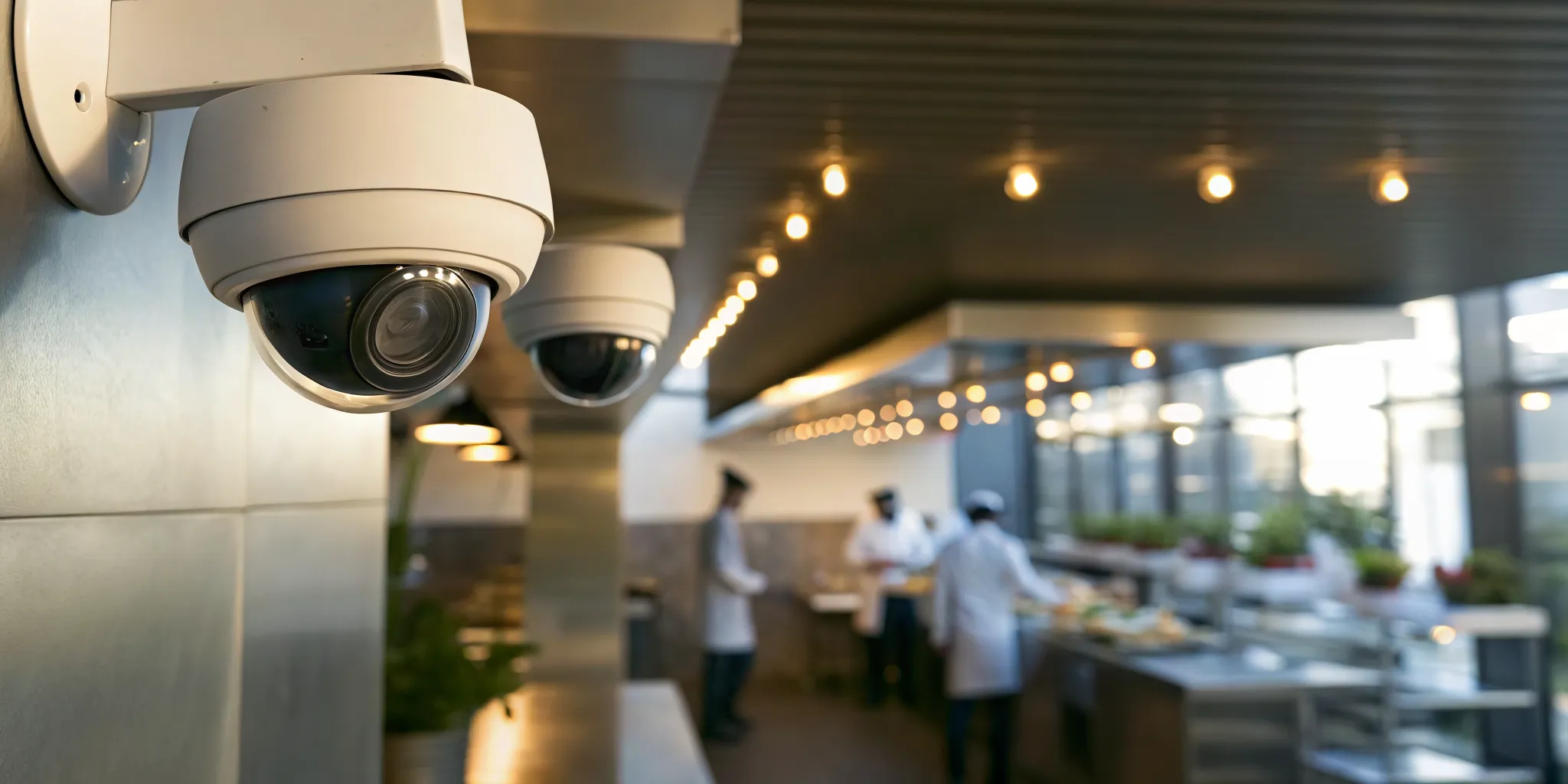
A restaurant can be busiest when its owners are least able to watch every entrance, back door, dining area, and parking space. After closing, unanswered alarms or a missed camera alert can turn a small incident into property damage, lost inventory, or an unsafe return for staff.
A restaurant security system Chicago operators can rely on should combine professionally installed burglar alarms, strategically placed video surveillance, and 24/7 monitoring. Together, these tools help detect unauthorized entry, discourage theft and vandalism, document incidents, and provide a faster response when restaurant personnel are off-site.
Security planning should also account for outdoor dining, employee-only areas, and the specific layout of each property. The Cybersecurity and Infrastructure Security Agency recommends that restaurant operators coordinate with local law enforcement to identify gaps and develop emergency plans. That practical, location-aware approach is the starting point for building stronger protection across a Chicago restaurant.
Why Chicago Restaurants Need a Dedicated Security System
Restaurants manage more than a dining room. They protect guests, employees, cash, inventory, kitchen equipment, private offices, and the reputation built through every service. A dedicated security system brings those responsibilities into one coordinated plan instead of relying on disconnected cameras, alarms, or procedures that may leave gaps.
Chicago restaurants also face practical security considerations that change by location and operating schedule. Outdoor dining areas, delivery entrances, parking areas, bars, and late-night closing routines each create different points of exposure. The Cybersecurity and Infrastructure Security Agency recommends that restaurant operators coordinate with local law enforcement to inspect venues for security gaps and develop effective emergency action plans. That guidance is especially useful when a restaurant is expanding patio service, changing its layout, or reviewing how staff respond to an incident.
Security supports both prevention and accountability
Visible video surveillance can deter theft, vandalism, and employee misconduct before an incident occurs. If a problem does happen, recorded footage can help operators understand what took place and provide useful evidence for follow-up. Cameras should be selected and positioned around the restaurant’s actual risks, including entrances, point-of-sale areas, storage spaces, and exterior approaches. A professional design avoids blind spots without turning the system into an indiscriminate collection of cameras.
Alarm protection adds another layer after the restaurant closes or when staff are working in limited areas. Integrated alarm systems can detect unauthorized entry, fire hazards, and other emergencies, then trigger immediate notification. Connecting those alerts with appropriate monitoring helps a manager respond quickly rather than discovering a problem during the next opening shift. Restaurant operators can also review professional burglar alarm monitoring as part of a broader protection plan.
Experience matters in a hospitality environment
InVision Systems has served the Chicago area since 2002 and maintains a client retention rate of more than 95%. Its hospitality experience includes work with The Drake Hotel, where security must support a polished guest experience as well as protect a complex property. That perspective matters for restaurants: equipment should be reliable, staff workflows should remain practical, and security measures should not create unnecessary friction for guests or employees.
InVision Systems designs and integrates professional-grade solutions for each site, rather than treating every restaurant like an off-the-shelf installation. With the required Alarm Agency Lic #127.001456, the team can help operators evaluate cameras, alarms, monitoring, and emergency procedures as one connected security strategy.
Key Components of a Restaurant Security System Chicago Operators Rely On
A strong restaurant security plan connects several layers rather than relying on a single camera or alarm. Each component addresses a different exposure, from theft in public areas to unauthorized access after closing. The right combination should match the restaurant’s layout, operating hours, staffing model, and risk profile.
| Component | Purpose | Best For |
|---|---|---|
| Video surveillance | Creates visibility across entrances, dining areas, kitchens, cash-handling points, delivery areas, and parking zones. Visible cameras can deter theft, vandalism, and employee misconduct while preserving evidence when an incident occurs. | Loss prevention, incident review, employee and guest safety, and documenting activity across busy or poorly visible areas. |
| Burglar alarms | Detects unauthorized entry and sends an alert when protected doors, windows, or other points are breached. When integrated with other systems, alarms can also help identify fire hazards and emergency conditions. | After-hours protection, perimeter monitoring, and rapid notification when a restaurant is closed or lightly staffed. |
| Access control | Limits entry to sensitive spaces such as kitchens, back offices, inventory rooms, and walk-in coolers. Permissions can be assigned to authorized personnel instead of giving every employee access to every area. | Protecting cash, inventory, customer information, equipment, and restricted work areas in restaurants with multiple shifts or departments. |
| 24/7 virtual guarding | Uses existing cameras with speaker systems so a remote security professional can intervene by voice when suspicious activity is detected. This adds a human response layer without requiring a guard to remain on site. | Restaurants that need active oversight during closed hours, want to deter intruders before damage occurs, or need to extend the value of existing cameras. |
Why integration matters
These tools are more useful when they are designed to work together. A camera can show what is happening, an alarm can identify an unauthorized entry. Access control can establish who should be in a restricted area, and virtual guarding can respond in real time. Integrated alarm systems are intended to detect unauthorized entry, fire, and other emergencies and trigger immediate notification.
Layered protection is especially important because not every forced entry involves a conventional door or window breach. Sonitrol reports that one out of four forced entries nationally is by means other than doors and windows, circumventing conventional perimeter protection. That is a reason to evaluate interior camera coverage, sensitive zones, and response procedures alongside perimeter alarms.
For a closer look at camera planning for commercial properties, review these business security cameras. A professional integrator can then align coverage, alarm points, access permissions, and remote intervention with the way your Chicago restaurant actually operates.
Video Surveillance for Dining Rooms, Kitchens, and Parking Areas
A restaurant’s security camera plan should follow the way the property actually operates. Dining rooms, food preparation areas, entrances, loading points, and parking areas each present different risks. Properly placed video surveillance can deter theft, vandalism, and employee misconduct while preserving valuable evidence if an incident occurs. It also gives owners and managers a clearer view of activity when they cannot be everywhere at once.
Camera Placement Best Practices for Restaurants
Dining room: Position cameras to monitor entrances, host stands, registers, service stations, and high-traffic areas without creating an intrusive guest experience. Coverage should help managers review service activity, investigate disputes, and understand what happened during an incident. Avoid blind spots around doors and points where cash or customer property changes hands.
Kitchen: Cameras can help document activity near food preparation, storage, delivery, and employee entrances. This visibility supports operational oversight and can provide useful evidence when a food-safety, inventory, or liability concern arises. Camera placement should respect employee privacy while covering the areas that matter for accountability and incident review.
Parking areas: Exterior cameras should cover driveways, entrances, walkways, dumpsters, delivery zones, and areas where vehicles are left after closing. A professionally designed system can help deter vandalism and theft, identify suspicious activity, and provide a clearer record when a vehicle or property is damaged. Lighting, mounting height, weather exposure, and nighttime image quality all affect whether exterior coverage is useful.
InVision Systems has provided customized security solutions in Chicago since 2002, including camera systems designed around each restaurant’s layout and operating schedule. The company can also connect cameras with live video monitoring services. With virtual guarding, existing cameras can work with speaker systems to enable immediate remote human voice intervention, helping deter an intruder before damage escalates. This approach can supplement physical guards while making better use of equipment already installed.
For a reliable restaurant security system Chicago operators can manage with confidence, the goal is not simply to add more cameras. It is to create useful coverage, preserve privacy, integrate monitoring, and ensure the system supports real decisions during busy service and after-hours operations. Every installation should be reviewed on site and tailored to the restaurant’s entrances, kitchen workflow, guest areas, and surrounding property.
Burglar Alarms and 24/7 Monitoring for After-Hours Restaurant Protection
When the last employee locks the doors, a Chicago restaurant still has valuable equipment, inventory, customer data, and property to protect. A professionally integrated alarm strategy helps close the gap between closing time and the next opening shift. InVision Systems designs restaurant security systems around the building’s actual vulnerabilities instead of relying on an off-the-shelf kit.
Perimeter protection should account for exterior doors, windows, delivery entrances, and roof access. These points can be equipped with appropriate sensors and coordinated with cameras so an attempted entry produces both an alarm event and useful visual context. Interior motion detection adds another layer after employees leave, helping identify movement through dining areas, kitchens, offices, storage rooms, and other restricted spaces.
Perimeter devices are important, but they should not be treated as the only line of defense. Sonitrol reports that “one out of four forced entries circumvents conventional perimeter protection.” Interior detection can help identify an intruder who bypasses. Defeats, or enters around a door or window sensor.
How 24/7 Monitoring Prevents Overnight Loss
An alarm is most useful when a trained response process follows it. InVision Systems’ 24/7 monitoring center can receive alarm signals and help coordinate an appropriate response when a restaurant is closed. Integrated alarm systems can detect unauthorized entry, fire, and other emergencies, triggering immediate notification so an incident is not left waiting for the morning manager.
For restaurants with compatible cameras and speaker systems, virtual guarding can add immediate human intervention. A remote security professional can use a speaker to issue a voice-down warning when activity is detected, potentially discouraging an intruder before damage or theft escalates. Learn more about how virtual security guards work in commercial properties.
The right design also connects alarms, cameras, and monitoring into a coordinated response rather than treating each device as a separate purchase. InVision Systems can assess a Chicago restaurant’s doors, windows, roof access, interior layout, and operating schedule, then recommend a practical configuration. Professional work is performed under Alarm Agency Lic #127.001456.
Access Control and Integrated Security for Restaurant Operations
Restaurant security extends beyond the dining room. Access control helps operators limit entry to kitchens, back offices, and walk-in coolers so only authorized staff can reach sensitive areas, inventory, and equipment. It also gives managers a clearer way to manage access as employees change roles or shifts.
Keyless entry and smart locks can remove the need to distribute physical keys that may be copied, misplaced, or left active after a team member departs. Staff keycards provide another practical option. A manager can assign credentials by employee, department, or schedule, then deactivate a card without replacing a lock. This is especially useful for restaurants with opening crews, closing crews, delivery access, and rotating managers.
Securing POS Systems and Customer Data
Access control should be planned alongside the restaurant’s digital safeguards. POS terminals, office computers, payment equipment, and guest Wi-Fi all connect technology to daily operations. The Information Technology Institute notes that restaurants are increasingly vulnerable to cyber threats as technology use grows, making protection of customer data and restaurant operations a priority. Learn more about information technology security for restaurants.
Physical controls can support that effort by restricting access to offices, network equipment, and POS-related areas. Separate staff and guest access, strong credential practices, and prompt deactivation of former credentials reduce opportunities for unauthorized use. These steps complement, rather than replace, network security and payment-data protections.
One Hub for Cameras, Alarms, and Access
Integrated security gives restaurant operators a more complete view of activity. When video, alarms, and access control work through one coordinated platform, a manager or monitoring team can review an access event alongside camera footage and alarm activity. That context can make it easier to distinguish a scheduled delivery from an unexpected entry and respond appropriately.
For a tailored plan, pair access control with security camera systems that cover entrances, service areas, and other priority locations. InVision Systems designs integrated solutions for Chicago businesses, with professional installation and support under Alarm Agency Lic #127.001456.
How to Choose the Best Restaurant Security System in Chicago
The right system should reflect how your restaurant actually operates, not force your team to adapt to an off-the-shelf kit. Use these steps to evaluate coverage, monitoring, and day-to-day usability before choosing an integrator.
-
Start with the restaurant’s size and layout
Map every area that needs protection, including entrances, dining rooms, kitchens, storage areas, cash-handling locations, offices, delivery doors, and walk-in coolers. A small neighborhood restaurant may need a focused camera and alarm design, while a large restaurant, multi-unit operation. Or venue with several access points may need layered video surveillance, access control, intrusion detection, and remote monitoring. The goal is coverage without unnecessary equipment or blind spots.
-
Match protection to your operating hours
Dine-in restaurants, drive-through locations, bars, and late-night venues face different security demands. Review what happens during opening, shift changes, closing, cleaning, deliveries, and overnight hours. Ask how alarms will protect the building when employees leave, how authorized staff can enter after hours. And whether a monitoring team can respond when no manager is onsite. Integrated alarm systems can provide immediate notification for unauthorized entry, fire, or other emergencies, helping a restaurant respond beyond its staffed hours.
-
Include patios, outdoor dining, and parking areas
Outdoor seating extends your security perimeter. Evaluate camera views of patios, sidewalks, entrances, dumpsters, loading areas, and parking lots, while considering lighting, weather, and privacy. For outdoor dining, the Cybersecurity and Infrastructure Security Agency recommends coordinating with local law enforcement to inspect for security gaps and help develop an emergency action plan. It also recommends separating pedestrian and vehicle traffic with appropriate barriers. These planning conversations can help determine where cameras, lighting, alarms, or physical controls add the most value. Review CISA’s guidance for outdoor eating venues.
-
Plan for people as well as technology
Even a well-designed system depends on staff knowing what to do. Include training for managers and employees on recognizing and reporting suspicious behavior, as CISA recommends for restaurant operators. Establish clear procedures for alarm events, threatening behavior, lost keys or credentials, and incidents involving guests or employees. Document who receives alerts and who contacts emergency services. CISA’s restaurant security guidance can support this planning.
-
Choose a partner that assesses the site first
A qualified integrator should inspect the property and discuss your risks before recommending equipment. InVision Systems has served Chicago-area clients since 2002 and maintains a client retention rate of more than 95%. The company provides custom-designed solutions and a free on-site security analysis, so restaurant owners can prioritize improvements based on their layout, schedule, outdoor areas, and budget. InVision Systems operates under Alarm Agency Lic #127.001456.
Frequently Asked Questions
What components should a Chicago restaurant security system include?
A complete system typically combines burglar alarms, strategically placed video surveillance, and 24/7 monitoring. Depending on the layout, access control can restrict kitchens, offices, and walk-in coolers to authorized staff. While integrated notifications help identify unauthorized entry, fire hazards, or other emergencies quickly.
How should I choose security cameras for my restaurant?
Start with the risks and layout of your property. Cameras may be needed in dining areas, entrances, kitchens, back-of-house spaces, delivery zones, parking areas, and outdoor seating. Select views that support loss prevention, incident review, and staff safety without creating unnecessary blind spots. A professional assessment can match camera coverage, lighting, storage, and monitoring to your operation.
Can restaurant security cameras be monitored after closing?
Yes. 24/7 remote monitoring can support both burglar alarm and video systems. With virtual guarding, existing cameras can work with speaker systems so trained personnel can intervene by voice when suspicious activity is detected. Potentially discouraging an intruder before damage escalates.
Does a restaurant security system protect more than the building?
It can support broader operational safety when designed as an integrated plan. Access control helps protect inventory and sensitive work areas, while staff procedures, emergency planning, and coordination with local law enforcement address risks that technology alone cannot solve. Outdoor dining areas may also require thoughtful camera placement and physical safety measures.
How much does restaurant security installation cost in Chicago?
Cost depends on the building, number of cameras and doors, monitoring needs, existing equipment, and the risks you want to address. InVision Systems starts with a free on-site security analysis, then designs a right-sized solution rather than placing an off-the-shelf kit. Professional alarm work is provided under Alarm Agency Lic #127.001456.
Schedule Your Chicago Restaurant Security Analysis
A tailored review can help you identify practical ways to coordinate alarms, cameras, and monitoring around your restaurant’s layout and daily operations. Schedule a free on-site security analysis with InVision Systems through the contact page. We can discuss your priorities and outline security options suited to your Chicago restaurant.