
Retail Security Systems: Cameras, Alarms, and Access Control
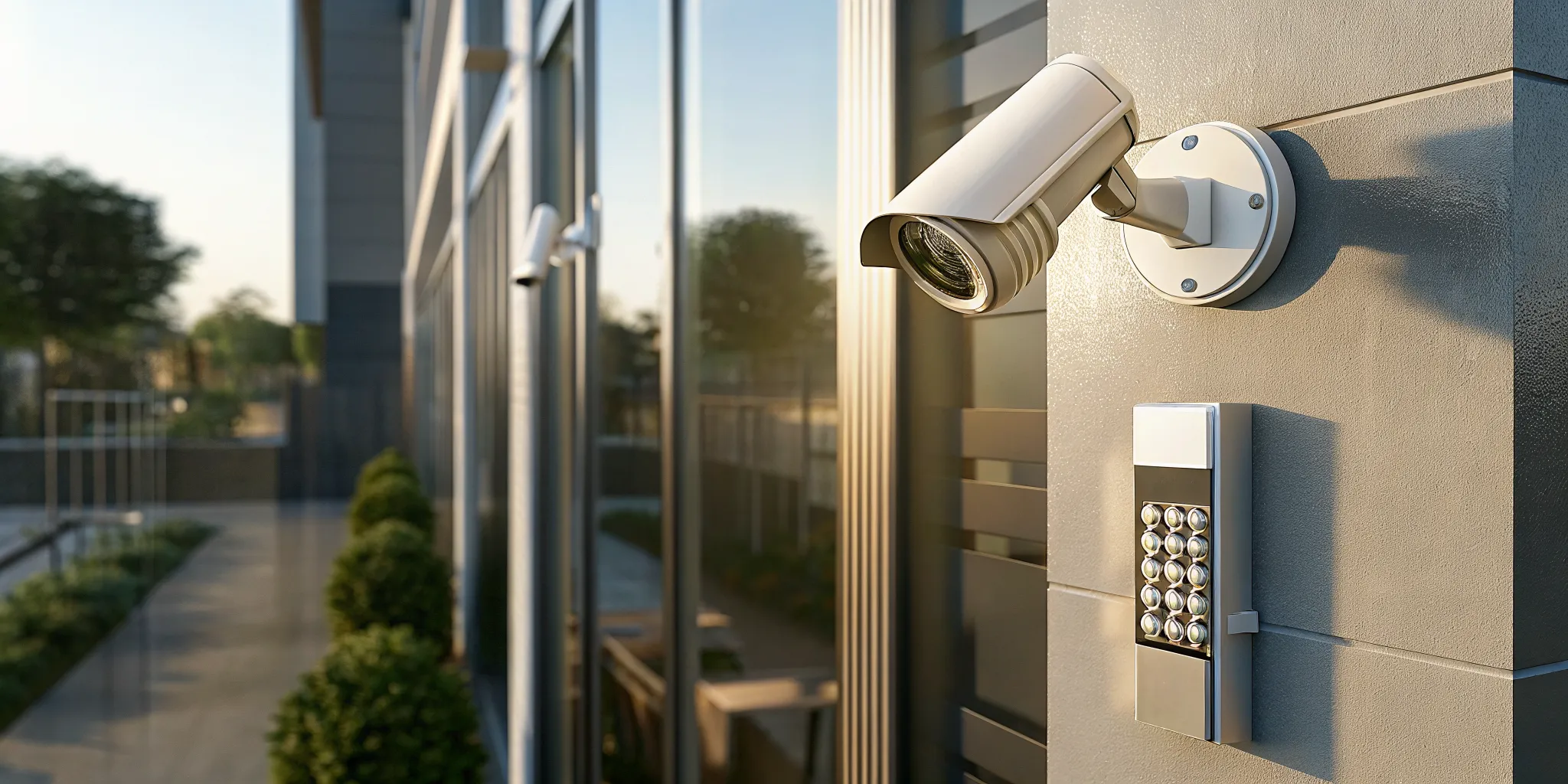
. Retail stores that rely on basic cameras often fail to stop theft before it happens. True safety needs a plan that finds and fixes weak spots in your store layout. These tools must do more than record crime.
Modern retail security systems use tools like cameras, alarms, and door locks to keep goods safe from theft. These tools must be active to find weak spots like poor lights or hidden doors before a crime happens. A government study says that good safety steps, like tagging and watching, are vital to stop loss.
Good safety needs a site walk to show where high-traffic zones and back rooms need the most help. By using a personal design, store owners can make sure their shop stays safe while they work. InVision Systems builds these tools and keeps a 95 percent client retention rate by focusing on long-term trust.
You must choose a safety plan that does more than watch your front door. If your current tools only record crime after it happens, you may be leaving your shop open to risk. Understanding Why Traditional Retail Security Systems Are No Longer Enough is the first step toward a safe store. The path begins with
Why Traditional Retail Security Systems Are No Longer Enough
For many shop owners, security used to mean just a few cameras and a basic alarm. This old way is reactive. It only shows what happened after a crime is done. Modern retail security systems must do more to protect your store today. A smart plan stops theft before it starts by looking at your shop as a thief would.
The Problem With Reactive Security
Reactive tools often fail because they do not stop a crime as it happens. If a thief sees a weak point, they will likely take a chance. Studies on store robberies show that criminals pick targets that look easy to hit. A shop with only a few old cameras looks like a soft target. This is why you need a proactive plan to lower your risk.
A full plan is not just about recording video. High quality retail security systems use many tools at once to keep you safe. Real protection comes from a mix of proactive retail security monitoring, alarms, and entry control. When these parts work as one, they create a shield that makes thieves look for an easier shop elsewhere.
Building a Proactive Shield
To move from reactive to proactive, you must find and fix your weak spots. This starts with a full site check. You should look at your lights, where your staff stands, and how people move in and out. By making your shop look hard to hit, you change how a thief thinks about your store. Good tools can help you watch your shop in real time from anywhere.
Building a proactive security shield involves several key steps:
- Conduct a Professional Site Assessment: Evaluate your storefront, choke points, and lighting to locate vulnerabilities.
- Deploy an Integrated Security Stack: Install high-definition cameras, smart alarms, and access control that communicate with each other.
- Activate Live Professional Monitoring: Pair your hardware with remote security specialists who can intervene in real time during a security event.
The goal is to catch a threat before it turns into a loss. You can use sensors that alert you the moment someone enters a closed zone. This lets you act fast to stop a crime. A smart system helps you run your shop with less stress. It keeps your stock safe and helps your team feel more secure while they work.
Mixing Layers of Protection
Good security is like a wall with many bricks. Each brick adds strength to the whole. If you only have cameras, you have a hole in your wall. If you only have an alarm, you have a hole. You need to tie your tools together so they can talk to each other. This creates a smart web that catches things a single tool would miss.
Most shops find that a mix of cameras, alarms, and access control works best. This full view helps you see all that happens in your store. It also gives you better data to help you run your business. When your tools work together, you get more value from your tech and better peace of mind every day.
High-Definition Security Cameras: The First Line of Retail Defense
High-definition cameras form the base of modern retail security systems. These tools do more than just record events. Clear video helps staff find risks early and stops theft before it starts. For many stores, the sight of a lens is enough to turn away a shoplifter. But a camera only works if it is part of a smart plan. You must think about where to put each device to get the best view of your space.
Custom views for store layouts
Each store has its own needs based on how people move. To build a strong plan, you must look at ceiling height, light levels, and entry points. High ceilings might need lenses with zoom power to catch fine details. Dark areas or aisles with tall shelves often hide crime if the light is low. A pro team checks these spots to find the best places for gear. This custom work ensures no corner stays in the dark where a thief might hide.
Finding the best camera spots
The best spots for cameras are often at choke points and cash registers. Choke points are places where every person must pass, such as the front door. High-quality video at these spots catches clear faces as people enter and leave. Near the till, cameras track cash handling and keep both staff and guests safe. Using a mix of wide views and tight shots helps you see the whole floor. It also gives you the small details you need for proof.
Loss prevention and tagging tools
Cameras work best when they pair with other theft-reduction tools. One such method is the use of security tags on items. A review of tagging methods shows that these tools help cut down on retail loss. When a tag trips an alarm, a clear video feed lets you see exactly who was near the exit. This link between tags and video proof makes it hard for theft to go unnoticed. It gives your team the facts they need to stop loss in real time.
Commercial Burglar Alarms: Securing the Perimeter and Preventing Intrusions
Business burglar alarms are a big part of modern retail safety plans. These tools do more than just make noise when someone breaks in. They serve as an early shield for your shop. By setting up a strong outer edge, you can stop loss before it starts. InVision Systems focuses on custom designs that fit the unique layout of your store. Our team holds Alarm Agency Lic #127.001456 and has a 95% client rate because we value results.
Protecting Entry Points with Smart Sensors
The first line of defense for any store is the outer edge. This includes every door, window, and roof hatch. Door contacts and window sensors find when an entry point is opened while the system is on. These sensors send a signal to the main hub right away. For retail shops, glass break sensors are also key. They listen for the exact sound of breaking glass. This is helpful for stores with large front windows that might be targets for theft.
A well-planned setup makes your business a hard target. Research shows that thieves often pick stores that look easy to rob. By using clear sensors and signs, you show that your site is not a weak link. This kind of integrated business security helps keep your staff and assets safe during and after work hours. It is about creating a wall of safety that stops trouble at the door.
Why Linked Systems Work Better
Old alarms often work on their own. But the best retail safety tools link alarms with clear cameras. When a sensor trips, your cameras can turn to that spot. This creates a video clip of the event in real time. This link allows for confirmed alerts. A confirmed alarm tells the police that a crime is truly in progress. This often leads to a faster response than a simple noise alarm. It also helps to reduce the cost of false alarms that can hurt many businesses.
Linking these tools makes your safety much stronger. You can check your store from your phone at any time. If an alarm goes off at night, you can see the video feed to know if it is a real threat. This early action is what keeps our clients happy and safe year after year. We do not just sell parts; we build a full plan to shield your work from harm. Our goal is to stop crime before it happens.
Meeting Local Safety Laws
Many towns have rules for how shops must handle safety. Following these local laws is not just about avoiding fines. It is about using steps that work. For example, some areas have a crime law for small retail firms. These rules often require exact types of lighting or alarm setups. A study on the impact of retail crime rules found that these laws can help lower the rate of incidents in small shops.
We help you follow these rules while building a system that fits your needs. Our team looks at your store to find the best spots for every sensor and camera. This custom touch ensures you meet all codes and have the best safety possible. We know that every shop is different. That is why we take the time to learn your risks before we suggest a plan. Staying safe means staying ahead of the threats with the right tools in place.
Access Control for Retail: Protecting Sensitive Areas and Managing Entry
Modern stores face many risks every day. Theft can come from both the outside and the inside. To keep assets safe, shop owners must think about more than just the front door. A proactive path with access control for retail helps you manage who goes where. It keeps your high-value stock and private data safe from those without permission. This tool is a core part of modern retail security systems.
Keeping high-value stock safe
The stockroom is often the most vital part of a shop. It holds the goods that drive your sales. Without a good system, any person could walk in and take items. Standard locks and keys are easy to lose or copy. Electronic entry systems solve this problem by giving you a clear view of all moves.
A study on crime prevention in retail shows that strong rules can stop many crimes before they start. By using key cards or codes, you ensure that only a few trusted people can touch your stock. This step alone can cut down on loss and keep your stock count right. It also stops people from wandering into zones that might be unsafe for them.
Physical Keys vs. Electronic Access Control
When selecting retail security systems, it is helpful to compare traditional locking mechanisms with modern access control solutions.
| Feature. | Standard Key Locks. | Electronic Access Control. |
|---|---|---|
| Lost Key Security Risk. | High (requires physical rekeying). | Low (instant digital deactivation). |
| Audit Trail Tracking. | None (cannot track who entered). | Full (logs time, date, and user ID). |
| Access Permissions. | Static (same key opens all locks). | Flexible (customizable per employee). |
Managing staff and back offices
Shop work often has many team members and changing shifts. Keeping track of old metal keys is a hard task for any manager. If a person leaves your group, you might need to change all your locks. This costs a lot of time and money.
Digital tools make this work simple and fast. You can add or remove a user in just a few clicks from your phone or computer. This keeps your back office and safe rooms secure at all times. You do not have to worry about lost keys being in the wrong hands. It also helps you see when people arrive and leave. This data is useful if you need to check a specific event later. It builds a sense of trust and clear rules for every person on the team.
Lowering risk and building trust
A safe store is a store that can grow. When you control entry, you lower the chance of a big loss. This also makes your team feel safer while they are at work. InVision Systems helps you set up these tools to fit your shop layout. We look at your floor plan to find the best spots for scanners and locks.
This proactive path leads to a better way of doing business with less risk. As a pro security firm, we hold Alarm Agency Lic #127.001456. Our goal is to give you a full plan that protects every part of your shop. We work to keep our clients happy, which has led to a 95 percent client retention rate. Good security is not just about the tools you buy. It is about a smart plan that keeps your assets safe and your shop running well.
Proactive Threat Mitigation via Live Video Monitoring and Virtual Guarding
Most retail security systems only film crime as it happens. While this helps with police work later, it does not stop the loss of goods in the moment. Live video watching changes the game by adding a human eye to your camera feed. Instead of just filming, trained guards watch your store in real time to spot trouble before it starts.
Stopping Crime in Real Time
Virtual guarding is a top way to stop theft as it occurs. These Virtual Guarding Services are a key tool for real-time crime stopping for retail stores. When a guard sees a person acting in a strange way, they can act fast. They might use a loud speaker to tell the person they are being watched. This often stops a crime before the person even tries to steal an item.
This path turns your cameras into an active defense tool. It is not just about catching a thief on tape. It is about making sure the theft never takes place. By using live feeds, your team can call for help or warn staff of a threat. This keeps your store safe and saves you money on lost stock.
The Power of Visible Defense
Thieves do not pick their targets by chance. They look for stores that seem easy to rob. Research on convenience store safety shows that robbers choose targets based on how weak the security looks. If a store has dark spots or no one watching, it is at higher risk. Live watching shows thieves that your store is not a soft target.
When guards can speak to people through the system, the sense of being watched is very high. This removes the weak spots that many criminals look for. It sends a clear message that your shop is a hard target. This type of active watch is much more useful than signs or silent cameras alone.
Tailored Integration for Better Results
Adding live watching to your store does not mean you have to start over. These tools work well with your current proactive retail security monitoring setup. A pro team can link your current cameras to a central hub. This allows for full coverage of your aisles, back rooms, and exits without gaps.
A smart setup also uses AI to help the human guards. The software can flag certain moves or crowds for a closer look. This helps guards focus on the most important feeds at all times. It makes your security team much more efficient. You get the best of both worlds with smart tech and human judgment.
Retailers who use these services often see a big drop in theft. They also report that staff feel safer while they work. Knowing that a pro is watching the feed gives peace of mind to everyone in the store. It creates a better place for both your team and your shoppers.
Frequently Asked Questions
What is the best security system for a retail store?
The best retail security system uses a proactive approach instead of a reactive one. It should link high-quality cameras, burglar alarms, and access control into one smooth system. According to InVision Systems, a custom plan is vital because things like lighting and store layout change how well it works. A pro check finds weak spots and makes sure the system protects your goods, staff, and guests from real threats.
What components are needed for a complete retail security system?
A full system needs several main parts to work as one. This includes security cameras for constant watch and burglar alarms to find people who should not be there. Access control is also key to manage who can enter areas like back rooms. Research from the CDC shows that robbers often pick targets based on how weak they look. Adding live video watch can help stop crime before it starts.
How can retail security systems improve loss prevention?
These systems help stop loss by acting as a strong warning and giving real-time alerts. Good cameras record clear proof, while alarm systems call for help fast during a break-in. A study from the NIH says that using security tags is a good way to cut theft in shops. When you mix these tools with pro watch services, you build a strong defense that keeps your stock safe and lowers your risks.
How do alarm systems integrate with retail security solutions?
Modern alarm systems work with other tools to give a total defense. When an alarm goes off, the system can tell nearby cameras to look at the spot or lock certain doors. According to InVision Systems, this link creates a more steady and pro-grade safety layer. This setup ensures that your shop is safe all day and night. It also makes sure that any odd activity is found and handled at once.
Ready to secure your retail store with a custom plan?
Each day you wait to update your store security is a day you risk a loss from theft or break-ins that happen fast. Acting now to close gaps in your old system gives you peace of mind and keeps your staff and your stock safe. Our team has worked in Chicago for over twenty years to help shops like yours stay safe while keeping over 95 percent of our clients. We hold Alarm Agency Lic #127.001456 and we are ready to help you protect your business from crime and loss today.
Ready to schedule a free commercial security consultation? Call (773) 733-0970 to talk to a local security expert about how we can help you stay safe.