
Security System Financing for Businesses: A Complete Guide
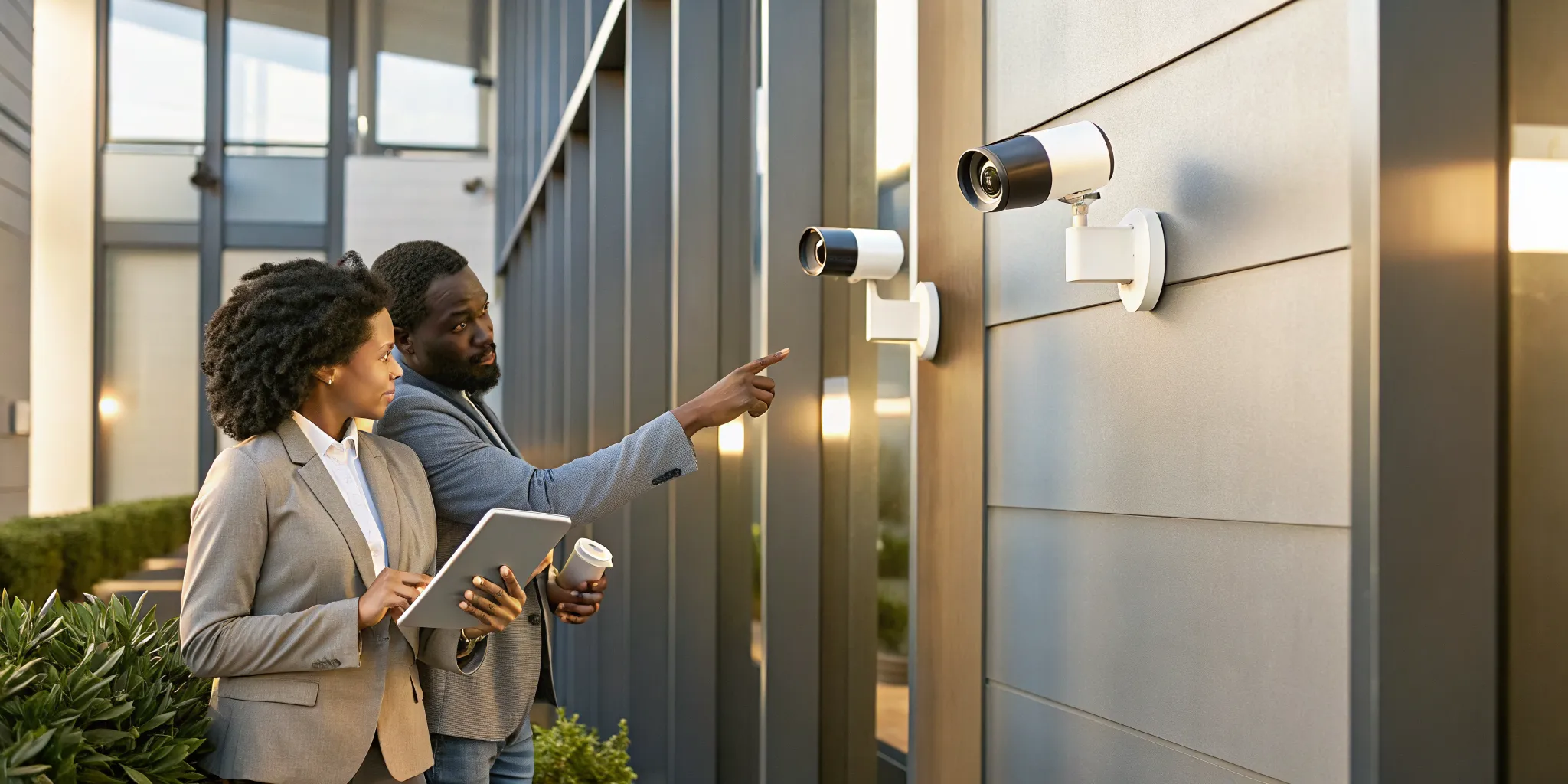
A well-designed security system is a business investment, but the full project cost can compete with other capital priorities. Commercial systems commonly range from about $1,000 to $10,000, depending on the facility, equipment, and level of integration. That is why financing can help Chicago-area businesses move forward with the protection their operations require instead of postponing upgrades.
Security system financing for businesses can spread the cost of a customized project across manageable payments. Helping fund design, equipment, and professional installation while preserving cash flow for daily operations and future growth.
This approach is widely used for equipment purchases: nearly 80% of U.S. firms that acquired equipment or software used some form of financing in 2021. According to the Equipment Leasing & Finance Association. For companies across Chicago and the Greater Midwest, the right arrangement starts with understanding what is being financed. How repayment works, and how the investment supports a complete protection strategy.
What Is Security System Financing for Businesses?
Security system financing for businesses lets a company install the protection it needs without paying the entire project cost upfront. Instead of postponing cameras, access control, alarms, structured wiring, or monitoring until a large capital budget is available, the business spreads payments over an agreed term. InVision Systems offers flexible financing through industry partnerships to help remove budget barriers while keeping the focus on a properly designed security program.
What can a financing plan cover?
A business financing plan can be structured around the complete project, not just a box of equipment. Depending on the proposal and approval terms, that may include system design, equipment, installation, configuration, and related project work. This matters because a dependable security system is a connected solution. Financing only the hardware while leaving installation or integration outside the plan can create unexpected expenses and delays.
Before comparing payment options, define the coverage, technology, and service requirements for the property. This guide to security system options can help your team organize those priorities before requesting a proposal.
How much does business security equipment cost?
Project costs vary with the facility, number of doors and cameras, coverage requirements, integration needs, and installation complexity. A standard system may average about $3,000, while published estimates commonly place system costs between $1,000 and $10,000. These figures are planning ranges, not a substitute for a site-specific design. A professional assessment is the best way to distinguish essential coverage from useful upgrades and to account for ongoing monitoring in the operating budget.
Why businesses use financing
Financing changes the accounting conversation from one large capital expenditure to more predictable operating payments. That can preserve cash for payroll, inventory, expansion, or other priorities while the business moves forward with enterprise-grade protection. It is also a mainstream equipment acquisition method, not an unusual workaround. The Equipment Leasing & Finance Association reports that 79.3% of firms acquiring equipment or software used at least one financing method in 2021. And it valued the U.S. equipment finance industry at $1.16 trillion that year.
For a business evaluating an upgrade, the key question is not simply whether financing is available. It is whether the proposed system addresses the property’s risks, fits the operating budget, and supports the organization’s longer-term security plan.
Equipment Leasing vs. Financing: Which Option Is Right for Your Business?
When you compare security system financing for businesses, start with the outcome you need from the investment and how you want the costs handled. Leasing and traditional financing can both make a professionally designed system more attainable, but they create different responsibilities at the end of the agreement.
| Consideration | Equipment leasing | Traditional financing |
|---|---|---|
| Payment structure | Predictable monthly payments spread the equipment cost across the agreement. | Monthly payments repay the financed project while helping preserve cash for other business priorities. |
| Maintenance | Maintenance may be included in the leasing arrangement, depending on the agreement. | Maintenance and service responsibilities should be confirmed separately in the proposal and service plan. |
| End of agreement | The equipment is returned at the end of the lease, subject to the agreement terms. | The business owns the equipment after the financing obligation is satisfied. |
| Repayment timeline | Term length varies by lease structure and provider. | Some commercial security financing plans offer repayment terms of up to 60 months. |
| Upfront cost | Monthly payments can reduce the need for a large initial equipment purchase. | Some plans offer $0 down payment options, subject to approval and agreement terms. |
| Approval timing | Approval timing depends on the leasing provider and application. | Some commercial financing programs advertise credit approval in under an hour. |
When leasing may be the better fit
Leasing can suit a business that values predictable monthly expenses, wants maintenance included, or expects to refresh equipment as technology changes. Returning the equipment at the end may also be preferable when long-term ownership is not a priority. Review renewal, replacement, buyout, and return conditions carefully before signing.
When financing may be the better fit
Traditional financing is often the stronger choice when ownership matters or when the system will remain useful for many years. It can also support a broader project rather than a standalone device purchase. Virtual guarding may be eligible for financing as a system upgrade, using existing cameras and added speaker systems for remote intervention. That makes it worth evaluating alongside alarms, cameras, and access control when planning a phased improvement.
The right structure depends on your facility, coverage priorities, cash-flow goals, and service expectations. For help with commercial security provider selection, ask for a project-based comparison that separates equipment, installation, monitoring, maintenance, ownership, and financing terms.
The Tax Advantages of Financing Business Security Equipment
Financing can create a second financial advantage beyond spreading project costs over manageable payments: it may help your business use available tax deductions sooner. Under IRS Section 179, a business may be able to deduct the full purchase price of qualifying security equipment in the year it is placed in service. Rather than depreciating that cost over several years. The deduction can make it easier to justify a needed upgrade while preserving cash for other operating priorities.
Which security equipment may qualify?
Qualifying equipment can include security camera systems, access control systems, alarm systems, and integrated security platforms. These systems support practical business needs, including monitoring facilities, managing entry, and responding to alarms. If your project combines several technologies, ask how the complete equipment package and installation plan should be documented for tax purposes.
For example. A business that places a $25,000 surveillance and access control system in service may be able to deduct the full $25,000 from taxable income in that tax year under Section 179. This is an illustrative example, not a guaranteed tax result. Eligibility, deduction limits, business-use requirements, and filing rules can vary. So have your CPA or tax adviser confirm how Section 179 applies to your company before making a decision.
Why year-end planning matters
Timing is important. If your business needs an upgrade before the end of its tax year. Start planning early enough to select the right equipment, complete installation, and place the system in service within the applicable period. Your security provider can help define the project scope, including design, equipment, and installation, while your tax professional confirms the tax treatment.
That makes business security equipment more than a line item. When paired with a suitable financing plan, a security investment can support stronger protection. Reduce the pressure of a large upfront payment, and potentially provide a valuable tax benefit. Coordinate the financing timeline with both your installer and tax adviser so the business receives accurate guidance before year-end.
How to Qualify for Security System Financing
Qualifying for security system financing for businesses is easier when you prepare a clear project plan before contacting a provider. Use these steps to connect the investment to operational needs, cash flow, and long-term protection.
- Assess your business needs and budget. Identify the risks, locations, and assets the system must address. List the equipment and services you may need, such as cameras, access control, alarms, monitoring, or installation. Set a practical monthly budget, while leaving room for ongoing service costs and future expansion.
- Review your credit profile. Check your business and personal credit information for errors, and gather basic financial records before applying. Providers may be able to return a decision quickly. One commercial financing option advertises credit approval in under an hour for qualified businesses, but approval timing and terms vary by provider and applicant.
- Choose leasing or financing based on ownership needs. Decide whether your priority is owning the equipment, preserving cash, or keeping upgrade flexibility. Ask how each option treats equipment ownership, maintenance, upgrades, taxes, and end-of-term obligations. The right choice should fit both your operating model and the useful life of the system.
- Build the internal business case and submit the application. Explain how the project supports risk reduction, continuity, and accountability. The CISA business case framework recommends a structured benefit-cost analysis for security decisions. Submit the requested business details, financial information, project scope, and vendor proposal. Many offers advertise $0 down, while some plans provide terms up to 60 months. Confirm the actual terms in writing.
- Get approved and schedule installation. Review the total repayment amount, fees, service terms, and responsibilities before accepting. Once the agreement is finalized, coordinate the installation timeline, site access, equipment delivery, and staff requirements with your security provider. If your existing cameras can support remote monitoring, ask whether cost-effective security upgrades could be included in the project.
Additional Financing Options for Your Security System
Traditional equipment financing is not the only way to make a professional security upgrade manageable. Depending on your project scope, provider, and approval terms, alternative arrangements can reduce or eliminate a large upfront payment while keeping protection aligned with your operating budget.
Monthly monitoring payment plans
Monitoring is an ongoing operating expense, so it should be included in the financial plan from the beginning. Business security monitoring commonly ranges from $40 to $120 per month, depending on the services and coverage involved. Monitoring costs can sometimes be bundled into a broader monthly arrangement, making it easier to forecast the total cost of ownership instead of treating monitoring as an unexpected add-on.
Virtual guarding as a high-ROI upgrade
Virtual guarding can be a cost-effective way to increase the value of an existing camera system. InVision Systems can use existing cameras, add speaker systems for remote voice intervention, and support monitoring designed to identify people and respond to activity. Because the upgrade may use infrastructure already in place, it can provide a practical path to stronger oversight without replacing every component at once. Virtual guarding may also be eligible for financing as part of a larger system upgrade. Learn more about InVision Systems services.
Technology refresh programs
A technology refresh program bundles planned upgrades into scheduled payments. Instead of waiting until cameras, access control hardware, or supporting infrastructure fail, a business can phase improvements into a predictable budget. Ask whether the arrangement includes installation, configuration, maintenance, and future upgrades. Those details determine whether the monthly payment reflects a complete refresh or equipment only.
Promotional $0-down offers
Some providers advertise promotional structures such as $0 down or deferred payments. These offers can reduce the initial cash requirement, but review the full agreement before accepting one. Confirm the promotional period, interest rate, payment start date, contract length, equipment ownership, and any fees. A $0-down offer is useful only when the long-term cost and service obligations fit your business.
Whether you choose monthly payments, a targeted virtual guarding upgrade, or a phased refresh, compare the complete project cost and the protection delivered. The right structure should preserve cash flow while moving your business toward a more capable, professionally designed system.
Why Chicago Businesses Choose InVision Systems for Security Financing
For Chicago-area businesses, financing should support a security strategy, not simply spread out a purchase. InVision Systems helps organizations plan and implement professional protection while managing cash flow. Founded in 2002, the company brings an owner-led approach to project design, so each recommendation is shaped around the facility, operating environment, and business priorities.
That matters when a business needs more than an off-the-shelf kit. InVision provides proactive, customized solutions for industrial, commercial, and residential clients across Chicago, Southeast Wisconsin, and Northwest Indiana. A financed project can be structured around the complete scope, including system design, equipment, installation, and the support required to keep the investment useful over time. Explore the full range of security solutions to see how the pieces can work together.
Financing can fund a stronger security plan
The purpose of security system financing for businesses is to make enterprise-grade protection attainable when a large upfront payment would otherwise delay the project. That may mean coordinating video surveillance, access control, intrusion detection, structured wiring, and remote oversight as one integrated plan instead of adding disconnected equipment in stages.
Virtual Guarding is another reason Chicago businesses evaluate InVision for a financed upgrade. The service can use existing cameras, add speaker systems for remote human intervention, and support AI-assisted human detection. This approach can create a high-ROI layer of active response without requiring a business to replace every camera or rely solely on onsite personnel. When appropriate, it can be included in a broader financing plan.
InVision’s 95%+ client retention rate reflects a long-term service relationship rather than a one-time installation. The company is licensed as Alarm Agency Lic #127.001456, and its team can help match project scope, financing considerations, and operational goals. Get a free quote for a customized recommendation for your Chicago-area facility.
Frequently Asked Questions
Are there financing options for small businesses?
Yes. Small businesses can compare equipment financing, leasing, secured loans, and payment plans through providers or financial institutions. Start by defining the protection your facility needs, then compare the total project cost, interest, fees, ownership terms, and ongoing service obligations.
How does leasing work for a business security system?
A lease spreads equipment payments over an agreed term, which can help preserve working capital. Depending on the agreement, maintenance, upgrades, or end-of-term purchase options may be included. Confirm who owns the equipment, what happens at renewal, and whether installation and monitoring are separate charges.
What repayment terms are available?
Terms vary by provider, project size, credit profile, and equipment type. Some commercial security plans offer repayment periods of up to 60 months, according to Guardian Alarm’s commercial financing information. A longer term may reduce the monthly payment, but compare the total amount repaid before choosing.
Can a business finance a security system with no money down?
Some commercial financing programs advertise $0 down options, but approval and final terms depend on the agreement and the business’s financial qualifications. Ask whether zero down applies to design, equipment, installation, and setup, or only to selected equipment. Also confirm when monitoring payments begin.
How quickly can financing be approved?
Some providers advertise credit approval in under an hour, as reported by Guardian Alarm. Actual timing depends on the application, requested amount, documentation, and lender review. Have business and ownership information ready, and avoid selecting a system before confirming the approved budget and terms.
Ready to Discuss Your Security System Financing Options?
A clear financing conversation can help you match your security goals with a practical project plan. Schedule a free consultation to discuss your options and determine the next step for your business. Call 773-733-0970 to talk with the InVision Systems team.
\n