
Comparing the Best Alarm Systems for Business
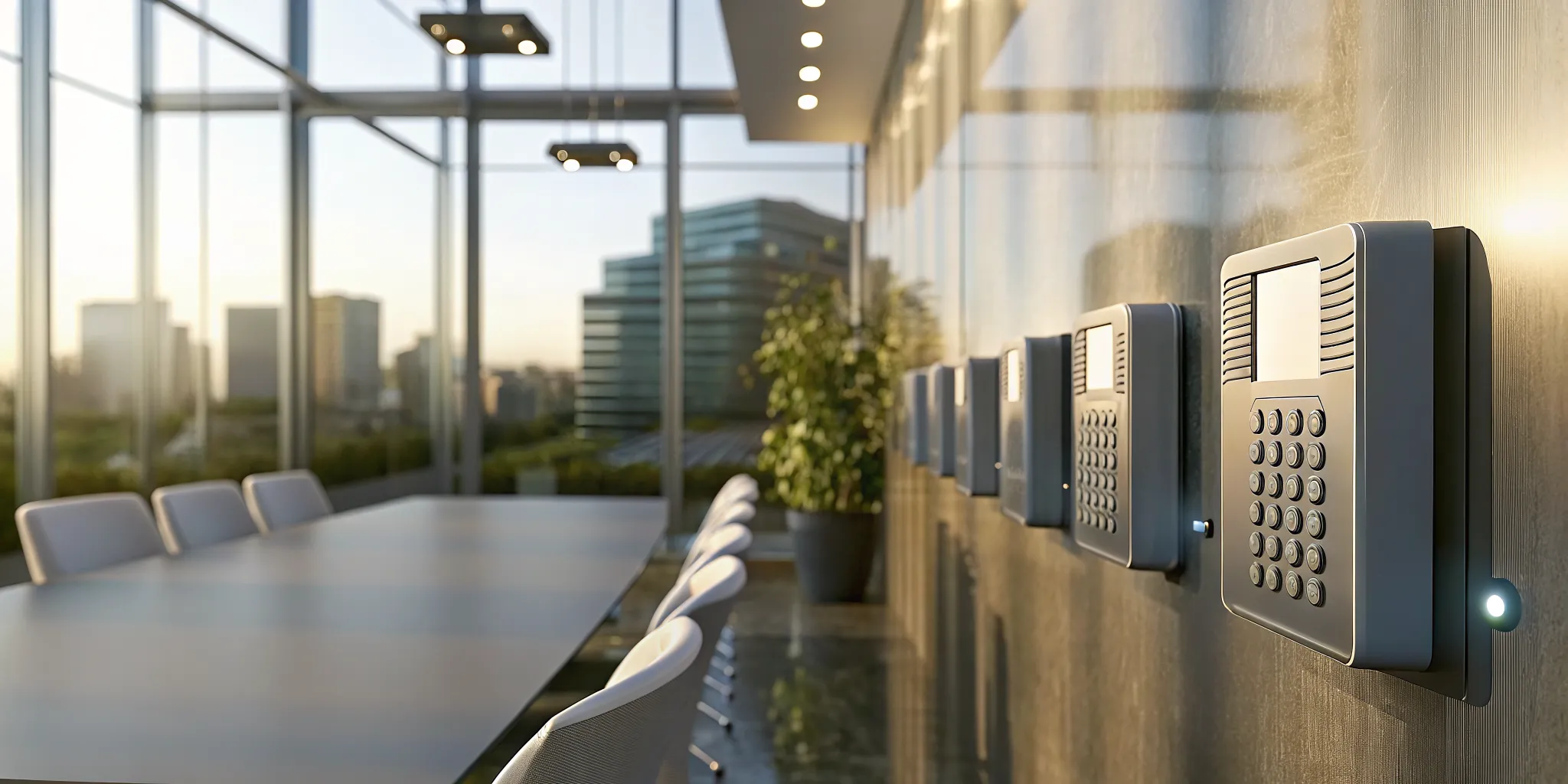
Your business isn’t a generic, one-size-fits-all operation, so why would your security system be? The needs of a retail storefront with high foot traffic are completely different from those of a large industrial warehouse with valuable equipment. A generic alarm system might cover the basics, but it will leave critical vulnerabilities exposed. The best alarm system for business owners is one that is custom-designed for their specific layout, industry, and daily operations. In this guide, we’ll explore how to assess your unique security challenges and match them with the right technology, whether that’s advanced access control, virtual guarding, or integrated video surveillance.
Key Takeaways
- Focus on Core Security Features: A truly effective system goes beyond a simple alarm. Prioritize essentials like 24/7 professional monitoring, high-definition video surveillance for clear evidence, and remote mobile access for control from anywhere.
- Match the System to Your Business: Security isn’t one-size-fits-all. Your choice should be guided by your industry’s specific risks, your property’s layout, and your budget, which will help you decide between professional installation and a DIY approach.
- Plan Your Budget for Long-Term Value: Look beyond the initial price tag by factoring in monthly monitoring fees and potential savings. You can make a quality system more affordable by bundling services, asking about insurance discounts, and exploring financing options.
What Should You Look for in a Business Alarm System?
Choosing the right alarm system for your business can feel like a huge task, but it boils down to a few key features. You’re not just buying equipment; you’re investing in peace of mind and the protection of your livelihood. A great system should be reliable, easy to use, and capable of growing with your company. Think about your specific needs, from the size of your property to the nature of your operations. Do you need to monitor a large warehouse or a small retail shop? Answering these questions will help you identify the essential components for a security setup that truly works for you. Let’s walk through the must-have features to look for.
Find a System with 24/7 Professional Monitoring
An alarm that rings into an empty building doesn’t do much good. That’s why 24/7 professional monitoring is essential. This service connects your alarm system to a dedicated monitoring center where trained professionals are ready to respond to any alert, day or night. If a sensor is triggered, they will verify the emergency and dispatch the police, fire department, or other first responders immediately. This provides a crucial layer of protection that a self-monitored system can’t match. For added security, consider pairing this with virtual guarding, which offers live video surveillance to stop threats in their tracks.
Insist on High-Definition Video Surveillance
Grainy, unidentifiable footage is a thing of the past. Today, high-definition security cameras are a fundamental part of any effective business alarm system. Clear video is critical for identifying intruders, capturing evidence for investigations, and monitoring daily operations. Your system should include a mix of essential sensors, such as door and window contacts and motion detectors. Depending on your business, you might also need specialized equipment like glass-break detectors or panic buttons. The goal is to create a comprehensive network that leaves no blind spots and provides crystal-clear visuals when you need them most.
Get Remote Access and Mobile Control
As a business owner, you can’t be on-site all the time. Modern security systems offer remote access, allowing you to manage your system from anywhere using a smartphone, tablet, or computer. This feature lets you arm or disarm the alarm, view live camera feeds, and receive instant alerts about any unusual activity. Whether you’re traveling for work or just at home for the evening, mobile control gives you the power to stay connected to your business. This is often managed through secure cloud services that keep your data safe and accessible.
Ensure Seamless System Integration
Your security components shouldn’t work in isolation. The best business alarm systems integrate multiple functions into one cohesive unit. For example, your burglar alarm should work hand-in-hand with your video surveillance and access control systems. When an unauthorized entry is detected, the system can automatically lock doors, trigger cameras to record the event, and send an alert to the monitoring center. This creates a smarter, more responsive security environment. Combining intrusion detection with fire alarms and access control provides a complete solution that protects your business from a wide range of threats.
Plan for Growth with a Scalable System
Your business isn’t static, and your security system shouldn’t be either. Choose a system that is scalable, meaning it can easily expand as your company grows. Whether you’re moving to a larger facility, opening new locations, or simply need to add more cameras, a scalable system can adapt to your changing needs without requiring a complete overhaul. This forward-thinking approach ensures your initial investment continues to provide value for years to come. A professional installation for your commercial security system is often the best choice for ensuring it can handle future growth.
A Look at the Top Business Alarm Systems
Choosing the right alarm system means finding a provider that matches your business’s specific needs, budget, and operational style. Some companies offer flexible, do-it-yourself kits, while others provide comprehensive, professionally installed systems with all the bells and whistles. Let’s walk through a few of the top contenders to see how they stack up and help you find the perfect fit for protecting your property.
InVision Systems: Customized Security for the Midwest
InVision Systems is a standout choice for businesses in the Midwest because we don’t believe in one-size-fits-all security. We specialize in creating fully customized security solutions designed around your unique operational needs and property layout. Whether you run an industrial warehouse, a commercial office, or a retail storefront, our approach is to design and install a system that addresses your specific vulnerabilities. This means you get the right combination of burglar alarms, access control, and surveillance cameras working together to provide effective, reliable protection without paying for features you don’t need.
ADT: An Industry Leader in Professional Installation
ADT is one of the most recognized names in security, known for its reliable professional monitoring and robust system offerings. Their solutions are a strong fit for larger businesses or those that require high-end features like 24/7 continuous video recording. According to security experts, ADT’s commitment to customer protection is backed by a $500 theft protection guarantee, offering an extra layer of confidence. If you’re looking for a long-standing industry leader to handle every aspect of your security, from installation to monitoring, ADT is a major player to consider.
Vivint: Smart Technology with AI-Powered Features
If you want to integrate advanced technology into your security, Vivint is an excellent option. Vivint is known for its smart systems that include AI-powered features, making it a great choice for businesses that can benefit from intelligent automation. Their professional “white-glove” installation ensures that everything is set up correctly, which is especially helpful for retail stores or restaurants looking to use smart features to streamline operations. These advanced capabilities can help you do more than just monitor for threats; they can help you manage your business more efficiently.
SimpliSafe: Flexible DIY Solutions for Small Businesses
For small businesses or startups looking for a straightforward and budget-friendly option, SimpliSafe is a popular choice. Their main appeal is flexibility and ease of use, with systems designed for a simple DIY setup. This approach allows you to get effective security in place quickly and without the cost of professional installation. With accessible professional monitoring plans, SimpliSafe provides a solid, no-fuss security solution for business owners who want reliable protection without a complex or expensive system.
How Much Should You Budget for a Business Alarm System?
Figuring out a budget for your business alarm system can feel like a moving target, but it helps to break it down into a few key areas. The total cost depends on the size of your business, the complexity of the system, and the level of monitoring you choose. A small retail shop will have different needs than a large industrial warehouse, so your budget should reflect your specific requirements. Let’s walk through the main costs so you can plan effectively and find a solution that protects your investment without breaking the bank.
Compare Equipment and Installation Costs
Your initial investment will cover the hardware and professional installation. For a small business, you can generally expect to budget between $500 and $2,000 for equipment. This typically includes basics like door and window sensors, motion detectors, and a central control panel. For mid-sized businesses, the equipment costs can range from $2,000 to $10,000, while large or enterprise-level facilities might see costs starting at $10,000 and up. These larger systems often include more advanced security cameras and integrated access control. Remember, these are just ballpark figures; a custom-designed system will be priced according to your property’s unique layout and security goals.
What to Expect from Monthly Monitoring Plans
After the initial setup, you’ll have a recurring monthly fee for professional monitoring. This is a non-negotiable for most businesses, as it ensures someone is always ready to respond to an alarm. Monthly monitoring plans typically run from $30 to $80 for smaller businesses, while larger operations with more complex needs might pay between $80 and $250 or more. This fee covers the 24/7 surveillance of your system by a professional team that can dispatch emergency services when a threat is detected. Some providers also offer advanced services like virtual guarding, which can provide an even higher level of real-time protection for your property.
Uncover Hidden Costs and Long-Term Value
When you’re budgeting, it’s smart to think beyond the initial price tag. Consider the long-term value. A quality alarm system is an investment that can prevent a devastating loss. Spending a few thousand dollars on a system could easily stop a theft that would have cost you tens of thousands in inventory and damages. Plus, many insurance companies offer significant discounts to businesses with professionally monitored burglar alarms, which helps offset the cost over time. Be sure to ask about potential fees for maintenance, equipment upgrades, or service calls so you have a complete picture of the total cost of ownership.
Which Installation Method Is Right for Your Business?
Once you’ve narrowed down your options, the next big question is: who will install the system? This decision often comes down to a trade-off between cost, complexity, and convenience. Choosing between professional installation and a do-it-yourself (DIY) approach depends on your business’s specific needs, your comfort level with technology, and the scale of your security setup. For many, the right answer lies somewhere in the middle.
It’s easy to get overwhelmed by the choices, but thinking through your priorities will make the path clear. Are you looking for a hands-off, expertly managed system, or are you willing to trade some of your time to save on upfront costs? Do you have a large, complex industrial site with multiple entry points, or a small, straightforward retail space? The physical layout of your property plays a huge role. A sprawling warehouse will have very different installation needs than a single-room office.
Another key factor is your team’s technical expertise. If you have an IT department or are personally tech-savvy, a DIY system might seem manageable. But if the thought of configuring sensors and cameras makes you break out in a cold sweat, professional help is likely the better route. Finally, consider the long-term management. A professionally installed system often comes with ongoing support and maintenance, which can be invaluable. Let’s walk through the pros and cons of each method to help you find the perfect fit for protecting your property.
Professional Installation: Pros and Cons
Opting for professional installation means letting experts handle the entire setup from start to finish. This is the recommended path for most businesses, especially those with larger or more complex facilities. A professional technician ensures every camera, sensor, and control panel is placed correctly to eliminate blind spots and maximize effectiveness. This approach saves you valuable time and gives you peace of mind knowing your system is configured correctly. While the upfront cost is higher and some providers require a long-term contract, the investment in expert security camera installation pays off in reliability and performance.
DIY Systems: Weighing Cost Savings Against Complexity
DIY alarm systems are a great option for small businesses with straightforward layouts, like a single office or a small retail shop. The main draw is the lower initial cost and the flexibility to set up the system on your own schedule. If you’re comfortable with technology, you can get a basic system up and running fairly quickly. However, the responsibility for setup and troubleshooting falls entirely on you. An incorrect installation can create security gaps, leaving your business vulnerable. While some brands are known for user-friendly setups, be honest about your technical skills before choosing this route.
Find a Hybrid Approach for Your Business Size
You don’t always have to choose one extreme or the other. A hybrid approach can offer the best of both worlds. For many mid-size and larger businesses, the ideal solution is an integrated system that combines professionally installed burglar alarms with other security features like access control. This allows you to rely on expert installation for the core components while potentially adding smaller, peripheral devices yourself later on. This strategy helps you balance professional-grade security with your budget, ensuring you get a customized system that grows with your business.
How Do the Top Providers Compare?
Choosing a security provider is a big decision, and the right partner for one business might not be the best fit for another. When you look at the top names in the industry, you’ll notice they each have different strengths. Some prioritize budget-friendly DIY options, while others focus on high-tech automation or white-glove installation. Understanding these differences in cost, contract flexibility, and features will help you pinpoint the exact type of security system your business needs to stay protected.
Compare Reliability and Cost
Your budget is a major factor, but it’s important to weigh it against the system’s reliability. ADT is known for its dependable, professional monitoring and offers features like 24/7 continuous video recording, making it a solid choice for larger businesses that need comprehensive coverage. On the other end of the spectrum, SimpliSafe offers a flexible, budget-friendly system that’s great for small businesses, with easy setup and affordable monitoring plans. Vivint lands somewhere in the middle, offering high-tech security with AI-powered cameras, which is ideal for retail or restaurant owners who want smart, automated features. At InVision, we focus on creating a custom solution that fits your specific budget, and we even offer financing options to make it work.
Understand Contract Requirements and Flexibility
The last thing you want is to be locked into a long-term contract that no longer serves your business. Flexibility is key. Providers like ADT and Vivint typically require professional installation and a multi-year contract, which can be a significant commitment. In contrast, SimpliSafe is built on a no-contract model, giving you the freedom to adjust your service as needed. When you work with a local provider, you often get more personalized terms. We design our security services to grow with your business, ensuring the agreement we make on day one still makes sense for you years down the road.
Balance Advanced Features with Ease of Use
Modern security systems come with an impressive list of features, from smart locks and video analytics to AI-powered cameras. Vivint, for example, has cameras that can identify people and packages, while SimpliSafe offers an “Intruder Intervention” feature that allows live agents to speak directly to intruders. While these tools are powerful, the best system is one your team can use easily and consistently. It’s about finding the right balance. Features like virtual guarding can add a proactive layer of security without creating complexity for your staff, giving you advanced protection that works for you, not against you.
How Can You Save Money on Your Business Security System?
Look for Promotions and Financing Options
Investing in a robust security system doesn’t have to break the bank. Many security providers offer special promotions or flexible payment plans to make their systems more accessible. Before you commit, always ask about current deals for new customers, which can significantly lower your initial setup costs. Some companies also provide financing options that allow you to spread the cost of equipment and installation over time. This approach lets you get the comprehensive protection your business needs now without a huge upfront expense. Taking a few minutes to explore these possibilities can lead to substantial savings, making top-tier security a manageable investment.
Ask About Insurance Discounts and Tax Benefits
Your security system can actually start paying for itself in other ways. Many insurance companies offer reduced premiums for businesses with professionally monitored security systems. Why? Because features like burglar alarms and video surveillance lower the risk of theft and vandalism, which means fewer claims for them to pay. It’s a win-win. Give your insurance agent a call to see what kind of discounts you qualify for. Additionally, security system expenses are often considered a cost of doing business, which could make them tax-deductible. It’s always a good idea to check with your accountant to understand the specific tax benefits available to you.
Bundle Services for Better Value
If your business needs more than just a basic alarm, bundling services is one of the smartest ways to save. Instead of sourcing video surveillance, access control, and alarm monitoring from different companies, find a provider that offers them all in an integrated package. You’ll almost always get a better price than you would by paying for each service individually. This also simplifies everything from installation to billing and support, since you only have one point of contact. A comprehensive provider can build a custom commercial security solution that bundles exactly what you need, ensuring you aren’t paying for features you won’t use while getting the best possible value.
How to Choose a System for Your Industry
A security system isn’t a one-size-fits-all solution. The needs of a bustling retail store are completely different from those of a sprawling industrial warehouse or a quiet office park. The right alarm system for your business depends entirely on your industry, your property’s layout, and your specific vulnerabilities. Understanding these unique challenges is the first step toward building a security plan that truly protects your assets, employees, and customers. By tailoring your approach, you can invest in technology that addresses your most pressing concerns without paying for features you don’t need.
Security Needs for Retail and Office Spaces
For retail stores and offices, the focus is often on preventing theft and managing access. Retail shops benefit from high-definition security cameras at entrances, exits, and cash registers, paired with a reliable alarm system to deter break-ins. Offices, on the other hand, need strong access control to manage who comes and goes, especially after hours. Features like smart locks, door sensors, and intrusion detection are key. Even with security guards on-site, a comprehensive system is essential for capturing incidents and providing clear evidence. According to a recent review, the best office security systems combine professional monitoring with user-friendly controls to create a secure environment.
How to Protect Industrial and Warehouse Sites
Industrial and warehouse facilities present a different set of security challenges. These large sites require robust perimeter protection to secure valuable inventory and equipment. Instead of just focusing on doorways, you need to think about loading docks, fences, and vast open areas. The most effective industrial security plans often include long-range motion detectors, durable outdoor cameras, and environmental sensors to guard against theft and damage. Specialized solutions like loading dock sensors can also monitor critical access points and prevent unauthorized entry, giving you complete oversight of your property and keeping your operations running smoothly.
Address the Challenges of Multiple Locations
Managing security for a business with multiple locations can feel overwhelming, but the right system brings everything together. The key is finding a solution that offers centralized control. Look for platforms that provide a single dashboard where you can view live video feeds, manage access permissions, and respond to alerts from all your sites. This integrated approach is crucial for maintaining consistent security standards everywhere. For larger enterprises, it’s important to work with a provider that can design a custom, scalable system tailored to your organization’s specific needs, ensuring your security can grow with your business.
Related Articles
Frequently Asked Questions
If I have a limited budget, what’s the one feature I absolutely shouldn’t skip? Hands down, you should prioritize 24/7 professional monitoring. An alarm that just makes noise is a deterrent, but it doesn’t guarantee a response. Having a dedicated team ready to verify an alert and contact emergency services is the most critical part of any effective security system. It’s the difference between simply recording a break-in and actively stopping it.
Can’t I just install some cameras and monitor them from my phone? While self-monitoring from your phone is a great feature for checking in, it shouldn’t be your only line of defense. You can’t watch your business around the clock, and you might miss a critical alert if you’re busy, asleep, or in an area with poor service. Professional monitoring ensures there is always someone watching over your property, ready to respond instantly to any threat.
How do I decide between a DIY system and professional installation? The decision really comes down to your property’s complexity and your own comfort with technology. A DIY system can work for a very small, straightforward space like a single office. However, for most businesses, professional installation is the better choice. Experts know how to place sensors and cameras to avoid blind spots and ensure every component works together perfectly, giving you reliable protection from day one.
My business has multiple locations. Is it possible to manage security for all of them easily? Absolutely. The key is to choose a system designed for centralized management. Modern security platforms allow you to view camera feeds, manage employee access, and receive alerts from all your properties through a single app or dashboard. This makes it much simpler to maintain consistent security standards across every location without having to be everywhere at once.
What’s the difference between a custom system and the pre-packaged ones I see online? Pre-packaged kits give you a set number of sensors and cameras that may or may not fit your property’s unique layout, often leaving you with security gaps or unnecessary equipment. A custom system is designed specifically for your business. A professional assesses your vulnerabilities, from your loading dock to your server room, and builds a solution with the exact components you need for complete and effective protection.