
The Ultimate Warehouse Security Camera System Guide
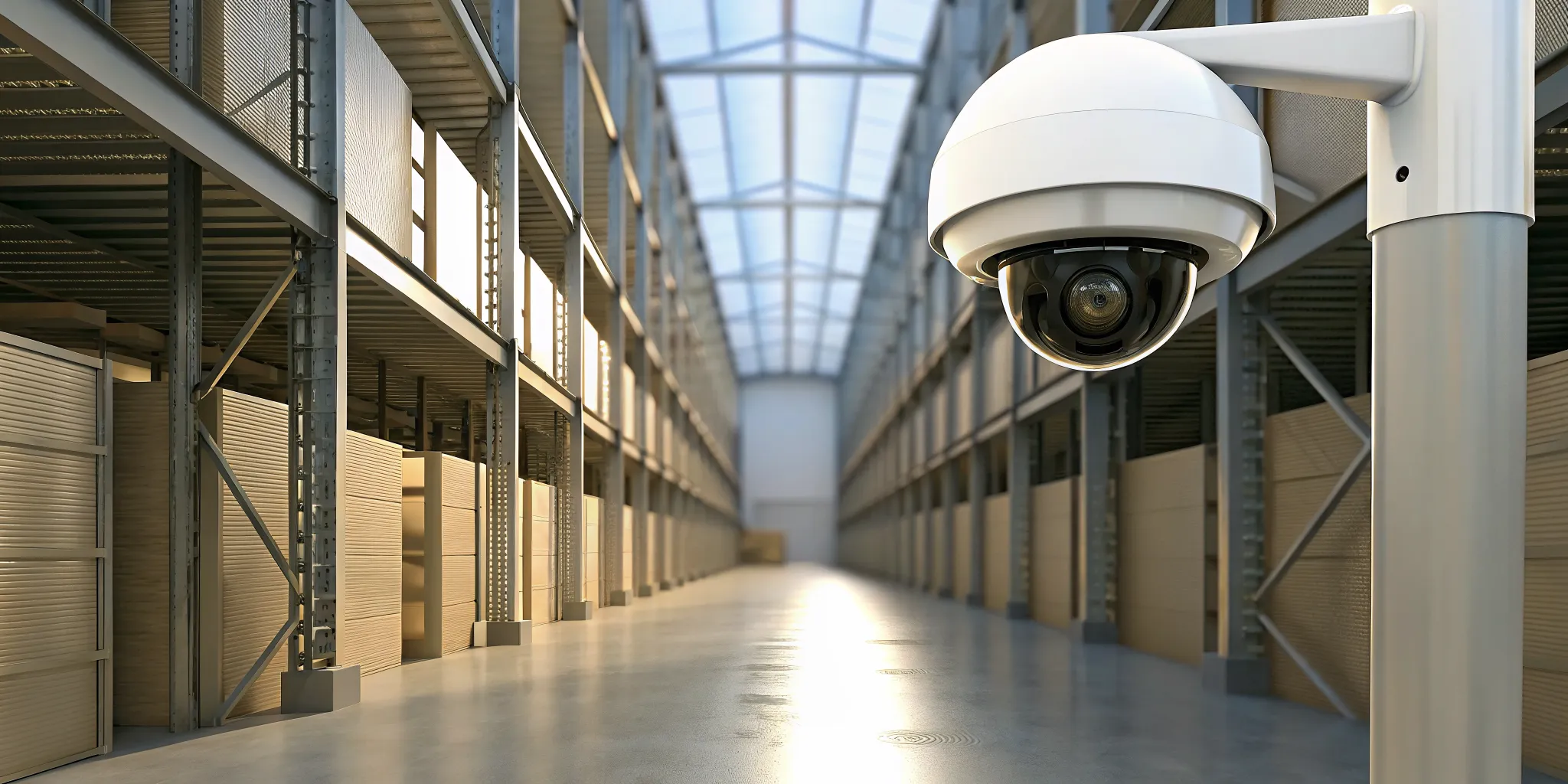
Security used to be about reacting to problems after they happened. You’d review footage to figure out what went wrong. Today, technology allows for a much more proactive approach. A smart warehouse security camera system can help you stop incidents before they escalate. With features like AI-powered motion detection, smart alerts, and virtual guarding, your system can actively monitor your property and notify you of unusual activity in real-time. This turns your security from a passive recorder into an active guardian. This guide will explain how to leverage these modern tools to build a system that doesn’t just document events but actively works to prevent them.
Key Takeaways
- Plan your coverage strategically: A successful security system requires a smart plan. Identify your high-risk areas first, then use a combination of camera types like bullet, dome, and PTZ to ensure complete coverage of critical zones such as loading docks, inventory aisles, and entry points.
- Choose features for actionable insights: Select features that give you usable information, not just footage. High-resolution video, clear night vision, and remote access are essential for monitoring, while AI-powered alerts turn your cameras into a proactive tool that notifies you of real threats immediately.
- Partner with professionals for a reliable and compliant system: For a complex space like a warehouse, professional installation is key to eliminating blind spots and integrating your system correctly. An expert can also guide you on legal compliance, helping you respect employee privacy, establish a proper footage retention policy, and use required signage to protect your business.
What is a Warehouse Security Camera System?
A warehouse security camera system is much more than a few cameras mounted on a wall. It’s a complete network of devices working together to protect your property, inventory, and people. Think of it as a custom-built surveillance solution designed specifically for the unique challenges of a large, complex space with high-value assets and constant activity. These systems provide constant monitoring over critical areas, from loading docks and inventory aisles to parking lots and entry points, giving you eyes everywhere you need them.
The goal is to give you a clear, comprehensive view of your entire facility, deter potential threats, and create a secure environment for your operations. A well-designed system doesn’t just record events after they happen; it acts as a proactive tool that helps you manage risk, improve employee accountability, and maintain operational efficiency. By integrating high-quality security cameras with recorders, software, and other security tools, you create a powerful defense against theft, vandalism, and liability claims. It’s an investment in peace of mind, ensuring that you have a reliable record of events and the ability to respond quickly to any issues that arise.
Key Components and How They Work
A warehouse security system is built from several essential parts that function as a single unit. At its core, you have the cameras themselves, which should offer at least 2K or 4K resolution to capture crisp details across wide spaces. These are often connected using Power-over-Ethernet (PoE) cables, which supply both power and data through a single line for a stable and streamlined setup. The footage is sent to a video recorder (NVR or DVR) for storage and managed through specialized software on your monitors. This software allows you to view live feeds, review recordings, and manage system settings. For even stronger security, the camera system can integrate with other tools like access control to ensure only authorized personnel enter sensitive areas.
How a Security System Protects Your Assets
A security system does more than just capture footage; it actively protects your business. The simple presence of visible cameras is a powerful deterrent, discouraging many potential criminals before they even act. For those who aren’t deterred, the system provides continuous monitoring of your most vulnerable areas, giving you a real-time view of what’s happening on your property. Beyond preventing external threats, a camera system improves internal accountability and enhances employee safety. It helps you verify that safety protocols are being followed and provides clear evidence if an incident occurs. Modern systems also offer advanced features like AI-powered analytics and virtual guarding, which can automatically detect unusual activity and alert you to potential issues, turning your security system from a passive recorder into an active guardian.
Must-Have Features for Warehouse Security Cameras
Choosing the right security cameras for your warehouse isn’t just about picking a brand. It’s about selecting the features that will actually keep your property, inventory, and people safe. The right combination of capabilities turns your camera system from a passive recorder into an active security tool. Let’s walk through the essential features you should look for to build a system that works for you.
Capture Every Detail with High-Resolution Video
When you need to review footage, clarity is everything. A blurry, pixelated image won’t help you identify a person’s face or read a license plate number. That’s why high-resolution video is non-negotiable. Look for cameras that offer at least 1080p HD, or even 4K, for crystal-clear images. This level of detail ensures that if an incident occurs, you’ll have usable evidence. Smooth video playback is just as important, as it prevents choppy footage that can miss crucial moments. Investing in high-quality security cameras means you capture the details that matter most.
See Clearly After Dark with Night Vision
Your warehouse doesn’t stop being a target when the sun goes down. Effective night vision is essential for 24/7 protection. Most modern cameras use infrared (IR) technology to capture black-and-white video in complete darkness. Some advanced models even offer color night vision, which can provide even more detail, like the color of a vehicle or a person’s clothing. Given that many warehouses have minimal lighting after hours, a powerful night vision capability ensures your commercial security is never compromised, day or night. You get a clear view of your property around the clock.
Get Instant Updates with Motion Detection and Smart Alerts
Instead of manually scrubbing through hours of footage to find an event, let your cameras do the work for you. Motion detection technology triggers recording only when movement is sensed, saving storage space and making it easier to find important clips. When paired with smart alerts, this feature becomes a proactive security measure. You can receive instant notifications on your phone or computer the moment motion is detected in a restricted area. This allows you to respond immediately, whether it’s checking a live feed or dispatching security. It’s a core component of an effective virtual guarding strategy.
Monitor From Anywhere with Remote Access
As a business owner or manager, you can’t be on-site 24/7. Remote access gives you the freedom to monitor your warehouse from anywhere with an internet connection. Using a smartphone, tablet, or computer, you can view live video feeds, review recorded footage, and manage your system settings. This feature provides incredible peace of mind, allowing you to check in on operations during the day or verify that the property is secure after hours. With modern cloud services, you can securely access your system without needing complex hardware on-site, making it both convenient and reliable.
Leverage AI Analytics and Ensure Durability
Modern security cameras are smarter than ever. Many now include AI-powered video analytics that can differentiate between people, vehicles, and other moving objects like animals. This intelligence drastically reduces false alarms, so you’re only alerted to genuine threats. AI can also perform advanced functions like loitering detection or identifying when a package is left behind. For cameras installed outdoors or in demanding environments, durability is key. Look for models with high IP ratings for weather resistance and vandal-proof casings to protect your investment. These advanced features are especially critical for robust industrial services and security.
What Are the Best Camera Types for a Warehouse?
Choosing the right security cameras for your warehouse isn’t a one-size-fits-all decision. The best security plan often involves a mix of different camera types, each strategically placed to do a specific job. The camera that’s perfect for monitoring your parking lot won’t be the best fit for watching over your inventory aisles. Understanding the strengths of each type will help you build a comprehensive system that leaves no blind spots. Let’s look at the most effective options for warehouse security.
Bullet Cameras for Securing Your Perimeter
When you need to monitor long distances like loading docks, parking lots, and the perimeter of your building, bullet cameras are an excellent choice. Their distinct, elongated shape makes them highly visible, which acts as a powerful deterrent to potential intruders. Just seeing them can make a criminal think twice. These cameras are designed for outdoor use, built to withstand the elements while providing clear footage of your property’s exterior. Their fixed-angle view is perfect for keeping a steady eye on critical entry and exit points, ensuring you always know who is coming and going.
Dome Cameras for Discreet Indoor Surveillance
For monitoring wide indoor areas like storage rooms and employee workspaces, dome cameras are ideal. Their compact, dome-shaped casing is discreet and blends into the surroundings, making them less obtrusive than bullet cameras. A key advantage is that it’s difficult for people to tell which direction the lens is pointing, which discourages tampering. This design also makes them more resistant to being knocked or damaged. Dome cameras provide a wide field of view, allowing you to cover a large indoor space with a single device, making them a smart choice for general commercial security.
PTZ Cameras for Covering Large, Open Areas
In busy, dynamic environments, a Pan-Tilt-Zoom (PTZ) camera gives you the flexibility to actively monitor the situation. These cameras can be controlled remotely, allowing your security team to pan across a wide area, tilt up and down, and zoom in to get a closer look at specific activities or individuals. This makes them perfect for high-traffic zones like shipping and receiving areas where you need to follow movement. A single PTZ camera can often cover an area that might otherwise require several fixed cameras, pairing perfectly with a virtual guarding service for real-time response.
Fisheye Cameras for a Complete 360-Degree View
If you need total situational awareness over a large, open space, a fisheye camera is the way to go. Also known as 360° cameras, these devices use a single ultra-wide-angle lens to capture a complete panoramic view. This is incredibly useful for monitoring an entire warehouse floor, a large storage room, or an open parking area without any blind spots. By providing a full overview, fisheye cameras can reduce the total number of security cameras you need, simplifying your system while ensuring you don’t miss a thing.
Where Should You Place Cameras in Your Warehouse?
Deciding where to place your security cameras is just as important as choosing the right equipment. A well-planned camera layout creates a web of coverage that leaves no critical area unmonitored. The goal is to get a clear, unobstructed view of the most important and vulnerable spots in and around your facility. Think about the daily flow of your operations: where do people and products move most often? Where are your most valuable assets stored? Answering these questions will help you create a strategic map for camera placement.
A thoughtful layout helps you do more than just record events. It allows you to actively monitor operations, deter potential theft, and ensure employee safety. By covering key zones from multiple angles, you can piece together a complete picture of any incident, from a simple workplace accident to a coordinated break-in. Each camera’s location should serve a specific purpose, whether it’s watching over a loading bay, keeping an eye on high-value inventory, or securing the perimeter. This targeted approach ensures your commercial security system works efficiently, giving you the best possible return on your investment and, more importantly, peace of mind.
For Loading Docks and Entry Points
Loading docks, entrances, and exits are the busiest parts of any warehouse. They are also the most vulnerable points for theft and unauthorized entry. Placing cameras here is non-negotiable. You’ll want to position them to get a clear view of every person and vehicle coming and going. Install cameras that can capture faces and license plates with clarity. It’s also a good idea to have a camera with a wide-angle view covering the entire bay door, as well as another focused on the area where goods are staged for shipping or receiving. This helps you track inventory movement and provides a clear record of every shipment.
For Storage Aisles and Inventory Areas
Your inventory is your biggest asset, so protecting it is a top priority. Long aisles can create blind spots, making them prime locations for theft or accidents. Place cameras at the end of each aisle to get an unobstructed view from one end to the other. For warehouses with high shelving, you may need to mount cameras higher up and angle them down. This is where high-resolution security cameras are essential. With 2K or 4K resolution, you can zoom in on details like product labels or box numbers, which is incredibly helpful for inventory checks and investigating discrepancies.
For Office Spaces and Break Rooms
While monitoring employee-focused areas requires a bit more sensitivity, it’s still an important part of a complete security plan. Cameras in office spaces or break rooms are not about micromanaging but about ensuring everyone’s safety and protecting company property. These cameras can help clarify events in case of a workplace dispute, accident, or internal theft. It’s crucial to be transparent with your team about where cameras are placed and why they are there. This fosters trust and ensures you are respecting employee privacy while maintaining a secure environment for everyone.
For Outdoor Perimeters and Parking Lots
Your security efforts should start before someone even steps foot on your property. Outdoor cameras are your first line of defense. Position them to cover all sides of the building, paying special attention to gates, fences, and parking lots. You need durable, weather-resistant cameras (look for an IP65 rating or higher) that can withstand rain, snow, and extreme temperatures. This exterior coverage deters vandalism and break-ins. For even stronger protection, you can pair these cameras with a virtual guarding service that actively monitors your property after hours.
How to Install and Position Your Warehouse Cameras
Find the Best Camera Placements for Maximum Coverage
Getting the right camera is only half the battle; where you put it makes all the difference. For maximum coverage, think about the most critical areas of your warehouse. Start with all entrances and exits, including loading docks, to capture everyone coming and going. Place cameras high up in the corners of large open spaces and along main aisles to monitor the flow of people and inventory. Don’t forget employee areas like break rooms or near important machinery. One pro tip: avoid pointing cameras directly at bright lights or windows, as the glare can wash out the image. Strategic placement ensures your security cameras catch what matters without creating blind spots or unusable footage.
Simplify Your Setup with Smart Cable Management
A tangled mess of wires isn’t just an eyesore; it’s a security risk. Smart cable management is key to a reliable system, especially in a busy warehouse. For wired systems, you’ll need to run Ethernet cables from each camera back to the Network Video Recorder (NVR). Make sure these cables are properly protected in conduit or run along beams where they won’t be accidentally damaged by forklifts or other equipment. A clean, organized installation not only looks professional but also makes future maintenance and troubleshooting much easier. Planning your cable routes ahead of time will save you major headaches down the road and keep your system running smoothly.
Integrate Cameras with Alarms and Access Control
Your security cameras are powerful, but they’re even better when they work as part of a team. Integrating your cameras with other security tools creates a comprehensive system that leaves little to chance. For example, you can connect your cameras to your burglar alarms so that when an alarm is triggered, you immediately get video footage of the event. You can also pair them with an access control system. This allows you to use key cards or biometrics to restrict entry to sensitive areas and have a video record of every person who enters. This layered approach ensures you have full control and visibility over your entire facility.
Should You DIY or Hire a Professional?
Deciding between a DIY installation and hiring a professional often comes down to complexity and resources. If you have a small space and a simple setup, a DIY approach might seem tempting. However, warehouses present unique challenges like high ceilings, complex wiring needs, and large coverage areas. A professional installer understands how to map out camera placements to eliminate blind spots and can handle the complexities of a wired system. They also ensure everything is integrated correctly and can provide ongoing support. For a robust, reliable system that protects your assets, working with an expert on your commercial security is almost always the best investment.
Plan for These Common Warehouse Security Challenges
Setting up a warehouse security system involves more than just picking out cameras. To get the most out of your investment, you need to plan for potential hurdles in installation, budgeting, data storage, and upkeep. Thinking through these common challenges ahead of time will help you build a reliable system that protects your facility for years to come. A little foresight goes a long way in preventing costly mistakes and ensuring your security coverage is truly effective when you need it most.
Avoid Common Installation Mistakes
A great security system can be undermined by a poor installation. To avoid common slip-ups, start by choosing the right equipment, like Power over Ethernet (PoE) cameras and a central Network Video Recorder (NVR) for 24/7 recording. Plan your wiring routes carefully, ensuring Ethernet cables are protected from damage. When mounting cameras, place them high enough to prevent tampering but low enough to capture clear facial details. Finally, test every camera’s view to confirm you have full coverage and no glaring blind spots. Getting the security camera installation right from the start is the key to a system you can count on.
How to Plan Your Budget and Manage Costs
Your security budget should account for both upfront costs and long-term value. While cloud storage is an option, choosing a system that saves video locally to an NVR can eliminate monthly subscription fees and keep your footage accessible even if the internet goes down. Don’t cut corners on camera quality; investing in at least 2K or 4K resolution is essential for identifying important details like faces or license plates in a large warehouse. A higher initial investment in the right equipment often leads to lower operating costs and a more effective system over time. If you need help managing the initial expense, explore available financing options to make it more manageable.
Find the Right Data Storage and Retention Solution
Deciding how long to keep your security footage is a critical step. Most warehouses retain footage for 7 to 30 days, though some may need to hold it for up to 90 days for compliance or insurance purposes. Modern NVRs and cloud services make this easy by automatically overwriting the oldest footage once storage is full, saving you from manual deletions. It’s important to remember that any footage showing identifiable people is considered personal data and may be subject to privacy regulations. Establishing a clear retention policy helps you stay compliant, manage your storage space efficiently, and reduce potential legal risks.
Understand Ongoing Maintenance Needs
Your security system needs regular care to perform at its best. Simple, consistent maintenance ensures your cameras are always ready to capture clear, usable footage. This includes periodically cleaning lenses, checking cable connections, and keeping the system’s software updated. Cameras with moving parts, like PTZ models, may require a bit more attention to keep them functioning smoothly. If you don’t have the internal resources to manage these tasks, partnering with a professional for ongoing support and maintenance services can ensure your system remains in top working order without adding to your team’s workload.
Stay Compliant: Legal Rules for Security Footage
Setting up a warehouse security system involves more than just mounting cameras. You also need to be aware of the legal rules surrounding surveillance. Getting this right protects your business from potential lawsuits and ensures you’re using your system responsibly. While laws can vary by state, a few key principles apply almost everywhere. Focusing on privacy, creating clear policies, and being transparent with signage will keep you on the right side of the law and build trust with your employees. Think of it as another layer of security, one that protects your business’s reputation and integrity.
Respecting Employee Privacy and Rights
Your team is your greatest asset, and respecting their privacy is essential. While you have a right to monitor your property, your employees have a reasonable expectation of privacy in certain areas. As a rule, you should never place cameras in restrooms, locker rooms, or employee break rooms. The goal is to secure your inventory and operational areas, not to monitor your staff’s personal time.
It’s helpful to remember that any footage that can identify a person is often considered personal data. This means it’s subject to workplace privacy laws that govern how you can collect, use, and store it. A well-designed commercial security system focuses on protecting assets in a way that respects your team and keeps your operations compliant.
Creating a Footage Retention Policy
You can’t keep security footage forever. Most regulations follow a “storage limitation principle,” which means you should only hold onto footage for as long as it’s necessary for the purpose you collected it. For most warehouses, a retention period of 30 to 90 days is standard, giving you enough time to review footage after an incident without hoarding data indefinitely.
The best way to handle this is by creating a formal, written footage retention policy. This document should clearly state why you use cameras, how long you store the recordings, and who has permission to view them. Having a clear policy ensures consistency and provides a solid answer if your practices are ever questioned. Our cloud storage solutions can help you manage your data securely and automate deletion according to your policy.
Why Clear Signage is Required
Transparency is key when it comes to surveillance. You must let people know they are being recorded before they enter a monitored area. The most effective way to do this is by posting clear and visible signs at all entrances, exits, and throughout the warehouse. This simple step is often a legal requirement and removes any ambiguity about your security measures.
Your signs should be easy to read and state that security cameras are in use. It’s also a good practice to include the purpose of the surveillance (e.g., “For Safety and Security”) and who to contact with any questions. Proper signage not only fulfills a legal duty but also acts as a powerful deterrent. When potential intruders see that you have a professional security camera system, they’re more likely to think twice.
How to Choose the Right Security System for Your Warehouse
Selecting the right security system for your warehouse goes beyond just picking out cameras. It’s about building a comprehensive security strategy that fits your specific operational needs and protects your most valuable assets. A thoughtful approach ensures you invest in a solution that not only works today but can also adapt as your business grows. By focusing on your unique requirements, planning for the future, and leaning on professional expertise, you can create a system that provides true peace of mind and a solid return on your investment.
Assess Your Warehouse’s Unique Security Needs
Every warehouse has its own layout, workflow, and vulnerabilities. Before you can choose the right equipment, you need a clear picture of what you’re trying to protect. Start by walking through your facility and identifying high-risk areas. Where have you had security issues in the past? Key spots usually include loading docks, entry and exit points, inventory storage, and employee common areas. Think about your primary goals. Are you trying to prevent theft, monitor employee safety, or track shipments? Answering these questions will help you build a list of priorities and determine the kind of commercial security features you need most.
Plan for Future Growth and Scalability
Your business isn’t static, and your security system shouldn’t be either. The system you install today should be able to grow with you. As you consider your options, look for solutions that are scalable. Can you easily add more cameras if you expand your facility? Can the system be updated with new software or features as technology advances? Choosing a flexible, modular system prevents you from having to start from scratch in a few years. This forward-thinking approach ensures your initial investment continues to pay off, providing reliable protection as your operational needs change over time.
Why You Should Work with a Security Professional
While it might be tempting to handle security yourself, the complexities of a warehouse environment often require an expert touch. A professional installer does more than just mount cameras; they design a system tailored to your facility’s specific layout and security goals. They know how to achieve maximum coverage without blind spots and can integrate your security cameras with other systems like access control and alarms. Careful planning and proper installation are essential for a system to work effectively. A professional ensures your system not only records events but also actively deters crime, improves safety, and gives you a reliable tool for managing your operations.
Related Articles
- Extreme Weather & Your Security Cameras Invision Systems
- Security Camera Installation Chicago IL | Invision Systems
- Commercial and Business Security System Chicago IL | Invision Systems
- Security Cameras Installed in Chicago IL | InVision Systems
- Security Cameras in Chicago, IL | InVision Systems
Frequently Asked Questions
How many cameras does my warehouse actually need? There isn’t a magic number, as the right amount depends entirely on your facility’s layout and specific needs. Instead of focusing on a quantity, think about coverage. Your goal is to create a complete view of all critical areas without any blind spots. This means placing cameras at all entry and exit points, loading docks, the ends of inventory aisles, and along your outdoor perimeter. A professional can help you map out the most strategic placements to ensure you get maximum visibility with the most efficient number of cameras.
Is it better to invest in higher-quality 4K cameras or just get more lower-resolution ones? Quality almost always wins over quantity here. A single, high-resolution camera that can clearly capture a face or a license plate from a distance is far more valuable than two blurry cameras that can’t. When an incident occurs, having clear, usable evidence is what matters most. Investing in cameras with at least 2K or 4K resolution ensures that the footage you capture is sharp enough to be useful for investigations or insurance claims, making it a much smarter long-term investment.
Will my security system still work if the power or internet goes out? A professionally installed system is designed for reliability, even when things go wrong. Many systems record footage locally to a Network Video Recorder (NVR), so they continue to capture video even if your internet connection drops. For power outages, these systems can be connected to an uninterruptible power supply (UPS), which is essentially a battery backup that keeps your cameras and recorder running for a period of time. This ensures you maintain security coverage during unexpected disruptions.
What’s the difference between just recording footage and using a service like virtual guarding? Standard security cameras are passive; they record events so you can review them after something has already happened. Virtual guarding turns your system into an active, real-time security tool. With this service, trained professionals monitor your camera feeds and can intervene the moment they spot suspicious activity. They can use two-way audio to warn off intruders or contact law enforcement immediately. It’s the difference between having a record of a break-in and stopping one before it happens.
How do I monitor my property without making my employees feel like they’re being spied on? The key is transparency and focusing on security, not micromanagement. Be open with your team about where cameras are located and explain that their purpose is to protect company assets and ensure everyone’s safety. Never place cameras in private areas like restrooms or break rooms. By using clear signage and having a formal policy, you build trust and show that the system is there to protect the entire operation, including your staff.