
Warehouse Security Monitoring for After-Hours Safety
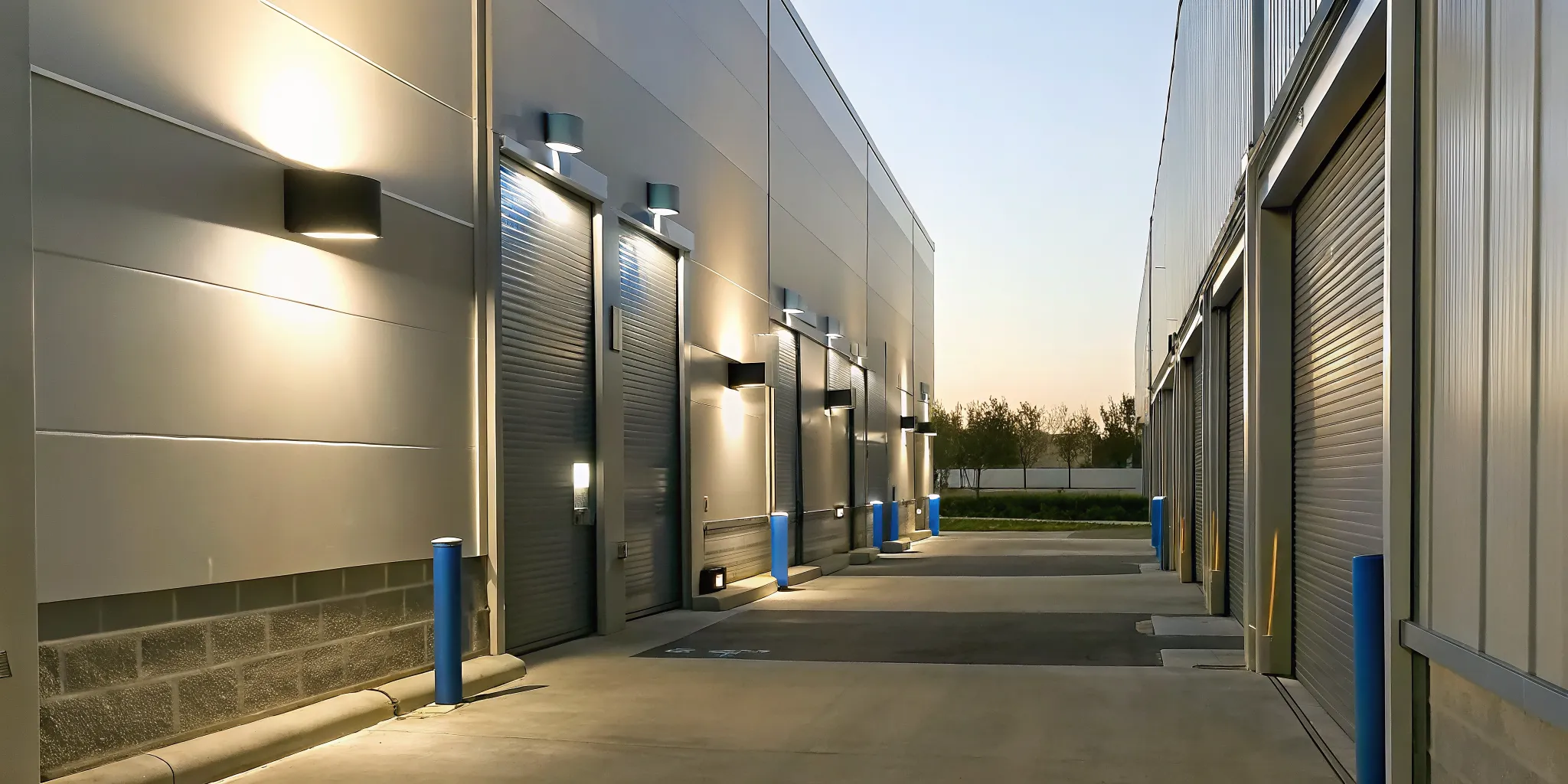
Unsecured loading docks and dark warehouse aisles invite expensive inventory losses every night. Traditional alarms often fail to stop intruders before they access high-value stock. Effective warehouse security monitoring watches the perimeter and high-risk areas when no one else is on site.
Schedule a warehouse security consultation with InVision Systems.
Warehouse security monitoring combines cameras, access control, smart sensors, and live remote response to protect inventory after hours. It helps teams spot activity at loading docks, perimeter gates, and interior storage zones, verify threats, and respond before an incident becomes a major loss.
Rather than relying on simple alarms that sound after a thief enters, professional monitoring lets security teams act fast when a threat is found. These systems are vital because common warehouse security risks include inventory shrinkage and both internal and external theft. Good monitoring also tracks hazards like fire or leaks that could destroy stock while the building is empty. Smart sensors and video checks help managers lower the risk of cargo theft. These tools keep the facility safe when the team is not on site.
Keeping a large facility safe requires more than just locking the doors at night. You must know “What should warehouse security monitoring cover after hours?” to close every gap in your defense. This guide shows you how to build a strong plan. The path begins with the areas that create the greatest after-hours risk.
What should warehouse security monitoring cover after hours?
After-hours warehouse security monitoring must go beyond simple alarm systems. An active plan helps protect assets when no one is on-site. It combines smart tools with a live watch to stop threats before they cause loss. Most site managers in the Chicago area now look for ways to reduce risk through better coverage. This ensures your site stays safe during the long nights of a Midwest winter.
Perimeter and access point control
The first line of defense is the property edge. Good warehouse security monitoring must track every door, gate, and fence line. High-definition business security systems with cameras can watch these spots in real time. This helps find people trying to enter without the right to be there during the night. You should choose cameras that work well in low light to get clear views of prowlers.
Access control is also vital for sites with many shifts. You should use building access control systems to log who enters and when. This data helps find internal theft and shrinkage. It also keeps out anyone who does not belong on the site. Cutting entry to a few points makes it easier to track flow. Using a mix of IP and HD-TVI cameras can help cover both new and old parts of your site.
Blind spots and internal stock areas
Large warehouses often have long aisles and high shelves that create blind spots. These dark corners are where theft or fire may start. Good monitoring uses sensors that cover wide areas. Some audio sensors can monitor up to 5,000 square feet of open space to detect sounds of break-ins. This tech gives you full floor-to-ceiling coverage in big rooms. It works best when you set up tools based on the height of your ceilings.
Cargo theft is a big problem for the supply chain. Since it is not always tracked as a specific crime, data can be hard to find. However, the Federal Maritime Commission notes that cargo theft delays often stem from unsafe yards and docks. Monitoring these zones is key to keeping stock safe. You need to watch every lane where trucks move or park to stop theft before it leaves the yard.
Loading docks and logistics safety
Loading docks are high-risk zones for both crime and safety. These areas often have limited light at night, which helps thieves hide. They are also places where accidents can happen if gear is left out. The Occupational Safety and Health Administration (OSHA) reports that the fatal injury rate in the warehousing industry is higher than the national average. Watching these spots helps you find safety risks before they hurt your team.
Using virtual guarding and remote monitoring adds a layer of safety. Live guards can spot unsafe acts or fires through the camera feed. They can also use voice tools to warn thieves to leave. This proactive move is better than just looking at video after a crime has happened. It turns your cameras into active tools that can stop a loss before it starts. This approach helps reduce shrinkage and keeps your stock secure 24/7.
A full plan should also cover these spots:
- Dark corners behind pallets or equipment.
- Roof access points and skylights.
- Off-site storage yards and parking lots.
- Internal server rooms and office spaces.
- Fuel tanks and high-value tool rooms.
Start at the perimeter and loading docks
Good warehouse security monitoring starts long before anyone reaches your door. The edge of your lot is your first line of defense. A strong outer ring keeps threats out. It also gives your team more time to act when something goes wrong.
Fixing the lot edge
A good fence is just the start. You must pair gates with bright lights and sharp views. Most thefts happen when it is dark and quiet. If a lot has blind spots, thieves will find them. To fix this, use lights that turn on when they sense motion. This makes it hard for people to hide near your fence line.
Camera placement is key to lot safety. Use sharp tools that can see in low light. Our team picks parts based on your site’s light and ceiling height to avoid blind spots. This makes sure your monitoring covers every inch of the yard.
You should also use virtual guarding and remote monitoring to watch your lot in real time. These tools let guards see a threat the moment it enters your gate. Instead of just taping a crime, you can stop it before it starts.
Managing dock access points
Docks are some of the most busy parts of any site. They are also high-risk spots for both theft and wrecks. Goods theft is a big problem that can hurt your work flow. Since theft data is often not clear, it is hard to track the true cost. Still, we know that docks are a main way in for thieves.
Watching your docks after hours is key. Use motion sensors that alert a live guard when a door opens. This active way of working is better than just a loud alarm. It allows for real-time proof and a faster act from local police.
Safety is also a big worry at the dock. Forklift wrecks and falls can cause deep harm to your staff. Fact: about 100 workers die each year in forklift wrecks across all firms. To stay safe, you must follow OSHA warehouse safety rules like checking dock plates and driving slow. Pair these rules with building access control systems to make sure only the right people are on the dock floor.
Watching the roof and windows
Thieves do not always use the front door. They often look for weak spots like roof vents or side windows. Roof access is a big risk if you have tall gear or ladders nearby. Make sure your cameras cover these high spots. Use sensors that trip an alarm if a window or hatch opens after hours.
To keep your site safe, check these areas once a week:
- Test all gate locks and fence wire.
- Clean camera lenses and check for clear views.
- Fix any lights that are dim or broken.
- Make sure all roof hatches are locked tight.
- Check dock doors for gaps or cracks.
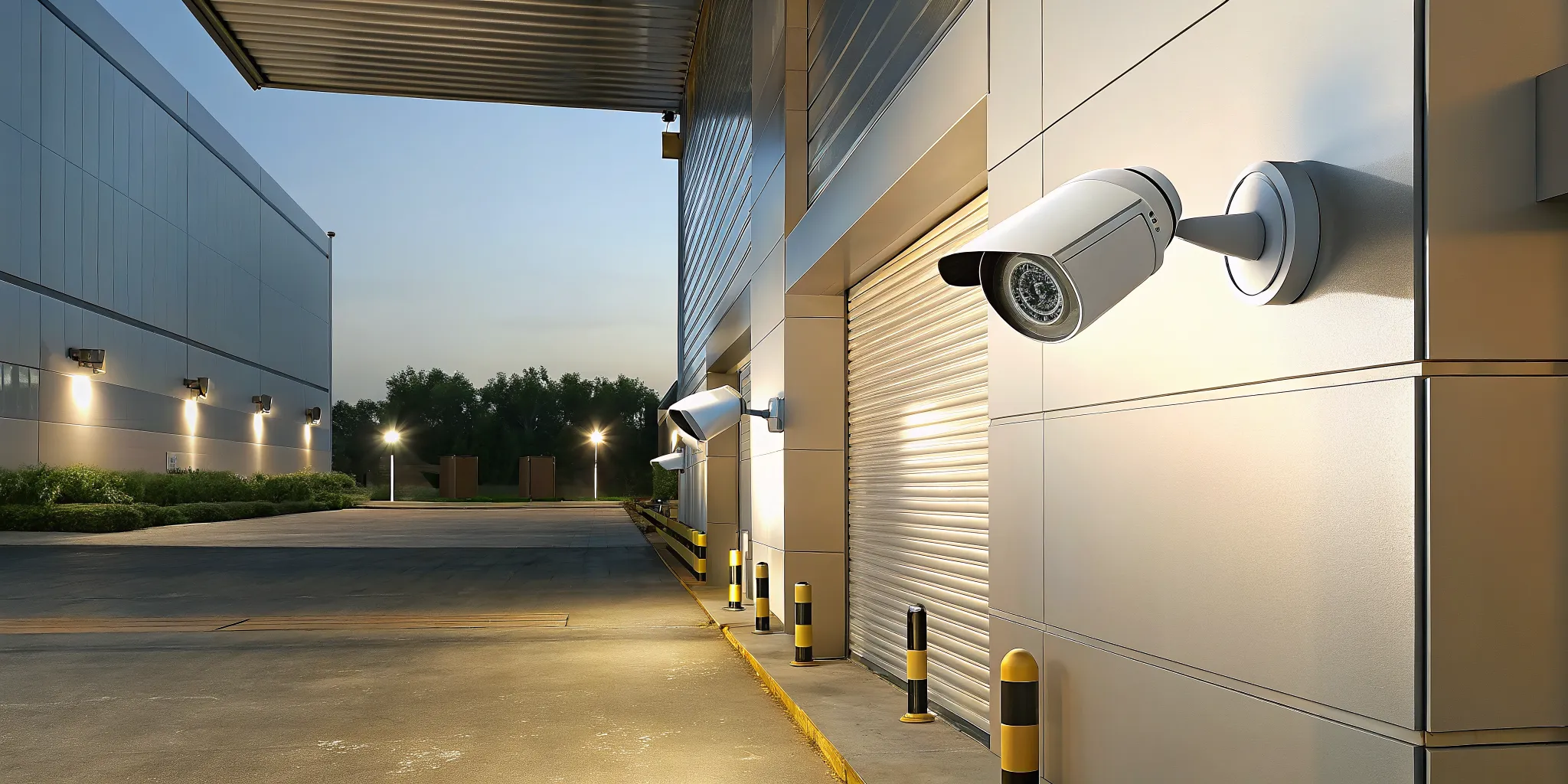
Protect interior inventory and high-risk zones
A large warehouse has many moving parts. Securing the fence is just the start. Real safety comes from a deep look at what happens inside your walls. Strong warehouse security monitoring helps you keep track of goods and people in every spot. From the busy shipping floor to quiet storage cages, each zone needs an exact plan to stay safe.
Monitor loading docks and shipping areas
Loading docks are the most busy parts of any site. They are also where most risks occur. You must watch these zones to prevent theft and keep workers safe. Based on data from the Occupational Safety and Health Administration, loading docks are major sites for slips and crashes. Proper camera placement here shows you if a dock plate is secure or if a forklift is too close to the edge.
Shipping and taking in zones also face a high risk of cargo theft. It is hard to track these crimes because they are often logged as plain theft. Using live security camera monitoring services helps you spot trouble as it happens. You can see if an unknown person enters a truck or if a driver takes a wrong turn during a drop-off. Real-time alerts can warn you of these moves before the goods leave the site.
Protect high-value cages and storage zones
Some items in your warehouse cost much more than others. High-value inventory often sits in fenced cages or locked rooms. These zones need extra eyes to stop loss. Placing cameras with sharp lenses here ensures you can see fine details. This helps you name people and check that they have the right files for the job. Sharp video can even catch small labels or serial numbers on high-end parts.
Many warehouses also use building access control systems to limit who can enter these cages. When you pair entry logs with video, you get a full view of your site. You can check who opened a door and see what they did while they were inside. This mix of tools is the best way to reduce inventory loss and internal theft. It creates a trail of proof that keeps everyone on the team honest.
Cover blind spots in offices and utility rooms
Blind spots are a big danger in warehouse security. Often, work rooms and small offices get missed. Thieves know where your cameras do not reach. They may use these hidden spots to hide stolen goods or plan a break-in. We pick cameras based on your exact lighting and ceiling height to make sure no corner stays dark. This choice of gear ensures that your view remains clear even in tight spots.
- Use wide-angle lenses for large open floors.
- Install low-light sensors in work rooms that stay dark.
- Place dome cameras in offices to get a full view of the room.
- Adjust camera angles to avoid glare from high windows.
Good lighting is just as vital as the cameras. When lights are dim, even the best lenses struggle to see. We help you find the best spots for lights so your warehouse security monitoring system stays clear at night. This early plan helps you find risks before they become costly losses for your firm. By covering every zone, you create a shield that protects your assets around the clock.
How do layered warehouse security systems work together?
Layered warehouse security connects access control, sensors, alarms, cameras, and live remote monitoring so each tool supports the others. A door event or sensor alert can direct attention to the right camera, help a monitoring team verify the threat, and trigger the appropriate response.
Layered security is not just about having more gear. It is about making different tools talk to each other. For a warehouse, this means linking gates, alarms, and cameras into one coordinated system. This system helps you find risks before they turn into losses. Good warehouse security monitoring uses these layers to keep your staff and stock safe at all times. A single lock or one camera is not enough to stop a determined intruder.
An active plan uses many parts to build a wall of safety. Each layer has a job. When they work as a team, they fill the gaps that a lone system might miss. This method is the best way to handle the complex needs of a large storage site. It moves your site from just sounding an alarm to stopping a crime before it starts. This shift is vital for protecting high-value goods and keeping your work moving.
Smart sensors and access control
First, you must know who enters your site. Tools like building access control systems track every door and gate. They keep out people who do not belong there. These systems log every entry and exit. This data is helpful if you need to check who was in the building during a theft. But gates are just the first step. You also need sensors that can sense trouble when no one is watching.
Smart sensors add a new layer of safety. Audio sensors can cover up to 5,000 square feet of open space. They “hear” sounds like glass breaking or tools cutting through a roof. When these tools work with your gates, you get a full picture of site activity. They can trigger cameras to zoom in on a specific spot. This helps you catch a break-in as it happens. It also reduces false alarms from wind or small animals.
Active response with virtual guarding
Layers also help when your site is closed for the night. Old alarms only ring after someone is already inside. Active systems use virtual guarding and remote monitoring to stop crime in real time. Live guards can see your camera feeds from a remote hub. They use high-definition cameras to watch your blind spots and loading docks. This setup acts as a force multiplier for your local security team.
When a guard sees an intruder, they can take action right away. They can talk through loud speakers to tell the person to leave. Most thieves will run when they know they are being watched. If they do not leave, the guard can call the police. This fast response can stop theft and save your property from damage. It is a smart way to get 24/7 watching without the high cost of on-site guards at every door.
| Component. | Detection. | Best use. |
|---|---|---|
| Access control. | Keycard use. | Staff tracking. |
| Intrusion alarms. | Forced entry. | Perimeter safety. |
| Video cameras. | Visual activity. | Inventory monitoring. |
| Virtual guarding. | Live threats. | Real-time intervention. |
Safety and risk reduction
Warehouses are busy places with many risks. Forklifts and heavy goods can cause serious harm. The fatal injury rate for this industry is higher than the national average for all others. Many of these deaths come from dock accidents. Good layers help watch these danger zones. Cameras can alert managers if a forklift is too close to a dock edge. This helps you keep your workers safe and follow safety rules.
In the Chicago area, we design systems that handle local needs and big sites. We look at your ceiling height and lighting to pick the right parts for your plan. Our team serves clients in Northwest Indiana and Southeast Wisconsin with custom designs. We do not just put up cameras. We build full plans that help you reduce shrinkage and keep your goods moving. A layered system is the best way to get long-term peace of mind for your business.
Build an after-hours incident response plan
A good security system is only half of the work. You also need a clear plan for when things go wrong late at night. Without a plan, your team may panic or make mistakes. A strong plan helps your staff act fast and stay safe. It keeps your stock safe and helps the police catch thieves. Using warehouse security monitoring is the first step. But you also need the right business security systems with cameras to capture each detail.
The need for a clear process
When an alarm goes off at 3 A.M., you need a set of rules to follow. If you do not have a plan, you might miss a real threat or waste time on a false alert. Thieves know when sites are quiet. They look for gaps in your response. Cargo theft is a major risk for supply chains. Data on these crimes is hard to track because they are often logged as other thefts. This is noted in a report by the Federal Maritime Commission.
Your plan should cover each step from the first alert to the final report. This includes using virtual guarding and remote monitoring to see what is going on in real time. Seeing the site live helps you know if a person is there or if a cat tripped a sensor. This saves time and keeps your team from going into an unsafe spot for no reason.
Involving the right people
You must decide who gets the call when an alarm trips. This person needs to be ready to act at any hour. They should also have the power to call the police or open the site if needed. Having a clear chain of command stops mix-ups during a crisis. It makes sure that each one knows who is in charge of the next move.
How to set up your response steps
Create a short list of steps and keep it where all leaders can find it. You can print it out or keep it on a shared drive. The goal is to make sure all people know their role. If one person is out, the next person on the list should know what to do. This keeps the response moving without any delay.
- Check the alert. Use your video feed to see if the threat is real. Live video helps you spot a break-in before you call for help.
- Follow the call list. Have a list of key holders and bosses to call in a set order. Start with the person closest to the site.
- Contact the police. If you see a crime, call 911 right away. Tell them you have a live feed of the scene to help them get there fast.
- Stay clear of the site. Do not go to the site alone or go inside if you think a thief is still there. Wait for the police to say it is safe.
- Write down what happened. Log the time of the alert and what you saw. Take screen grabs of the video to give to the police and your insurance agent.
- Review the event. Meet with your team after the event to see what went well. Use this time to fix any gaps in your warehouse security monitoring plan.
By doing these steps, you build a safer work space. You also make it harder for thieves to get away with your goods. A well-run plan shows that you take security to heart. It also helps lower your risks and can even help with insurance costs over time. Set your plan now so you are ready for each after-hours event.
Ask InVision Systems to review your warehouse’s after-hours security gaps.
Keep monitoring effective with regular reviews
Good warehouse security monitoring needs more than a one-time setup. A site changes over time as stock moves and staff roles shift. Regular reviews help find new gaps before they lead to loss. At InVision Systems, we focus on ongoing help to keep your site safe. Our team builds active plans that adapt to your daily needs. We look at past events to see where you might need more eyes. This data helps us change your plan to fix weak spots.
Test your hardware and alarms
You should check your alarms and sensors on a set path. Dust or shifted boxes can block a motion sensor or a lens. Testing ensures each tool works when you need it most. This is vital because the rate of hurt in this field is high (see OSHA warehouse safety data). Proper care helps lower these risks by keeping safety tools active. Yearly changes also affect your gear. Cold weather or heavy rain can damage outdoor wires. A quick check of your power sources and backups keeps the system live. We use parts tested for tough sites to help your system last. Check these items on your next site walk:
- Test door and window sensors for a fast signal.
- Clean camera lenses to clear up the image.
- Check floodlights to see if they turn on at night.
- Check the battery life of all wireless tools.
Update lists and access rights
Review who can enter your site every few months. Staff changes mean old keys or codes might still be active. Using building access control systems lets you manage these rights with ease. It allows you to lock or unlock doors for new or old staff in real time. This keeps your site closed to those who no longer work there. You also need to check your urgent contact list. If an alarm goes off at night, the monitoring team must call the right person. An old list can cause long delays in response. Make sure your team knows the rules for after-hours events. Clear steps help guards act fast when they see a break-in or fire.
Review camera views and site lighting
Warehouse layouts change often. New racks or tall pallets can create blind spots for your cameras. Look at your live feeds to see if you still have full coverage of loading docks. High-detail systems work best when they have a clear line of sight. If you add a new wall, you might need to move a camera to see the other side. Lighting is a key part of your plan. Bulbs burn out or dim over time. Poor light makes it hard for a remote guard to see a threat. Good lighting and clear views are vital for live security camera monitoring services. Fix any dark spots to keep your warehouse secure at all hours. Our team can help you find where more light will help your cameras see better.
Frequently Asked Questions
Why is 24/7 security monitoring important for distribution centers?
Constant security monitoring is important because it protects goods when staff is not on site. Warehouses often face high risks of theft and break-ins during night hours. Professional monitoring helps find and stop threats before they cause loss. According to InVision Systems, proactive after-hours monitoring including virtual guarding and motion alerts is key to a secure site. This move from reactive alarms to real-time action helps reduce shrinkage and keeps your inventory safe.
How does video verification help with police response times?
Video verification allows security teams to see live footage when an alarm triggers. This helps them tell the difference between a real threat and a false alarm. It ensures police arrive fast when needed because the threat is confirmed by sight. InVision Systems uses live remote monitoring to provide real-time crime prevention. This proactive approach acts as a force multiplier for your security team, allowing them to stop incidents as they happen rather than just recording them.
Why is cargo theft difficult to track for warehouse owners?
Cargo theft is hard to track because it is not listed as a specific crime in national reports. Instead, it is grouped with other crimes like burglary or robbery. This makes it tough to find exact data for specific areas. According to the Federal Maritime Commission, uneven tracking makes it harder to fight criminals who use online markets to sell stolen goods. Using high-definition cameras helps owners document theft and better protect their logistics chain.
What specific blind spots should warehouse monitoring cover?
Warehouse security should focus on weak points like loading docks, side doors, and areas with low light. Blind spots often occur where large racks block camera views or in corners of the yard. Planning for these gaps is vital to stop intruders from hiding during a break-in. According to InVision Systems, using site-specific designs that account for ceiling height and lighting helps eliminate these risks. Professional installation ensures that every entry point and high-value zone remains under constant watch.
Ready to protect your warehouse after hours?
Security gaps in your warehouse can cause big losses that are hard to fix. If you do not have the right tools, you might not see a crime until it is too late. Waiting to update your plan only gives thieves more time to find your weak spots. You can stop these risks by taking a fast look at your site today. Setting up your system now ensures your stock stays safe night after night. It also gives you peace of mind so you do not have to worry when you go home. Acting soon helps you avoid the high price of a security breach and keeps your business on track. You will get a clear view of your site and stop threats with live security camera monitoring services.
Ready to schedule? Contact InVision Systems to schedule a warehouse security consultation.