
How to Choose the Best Security Systems for You
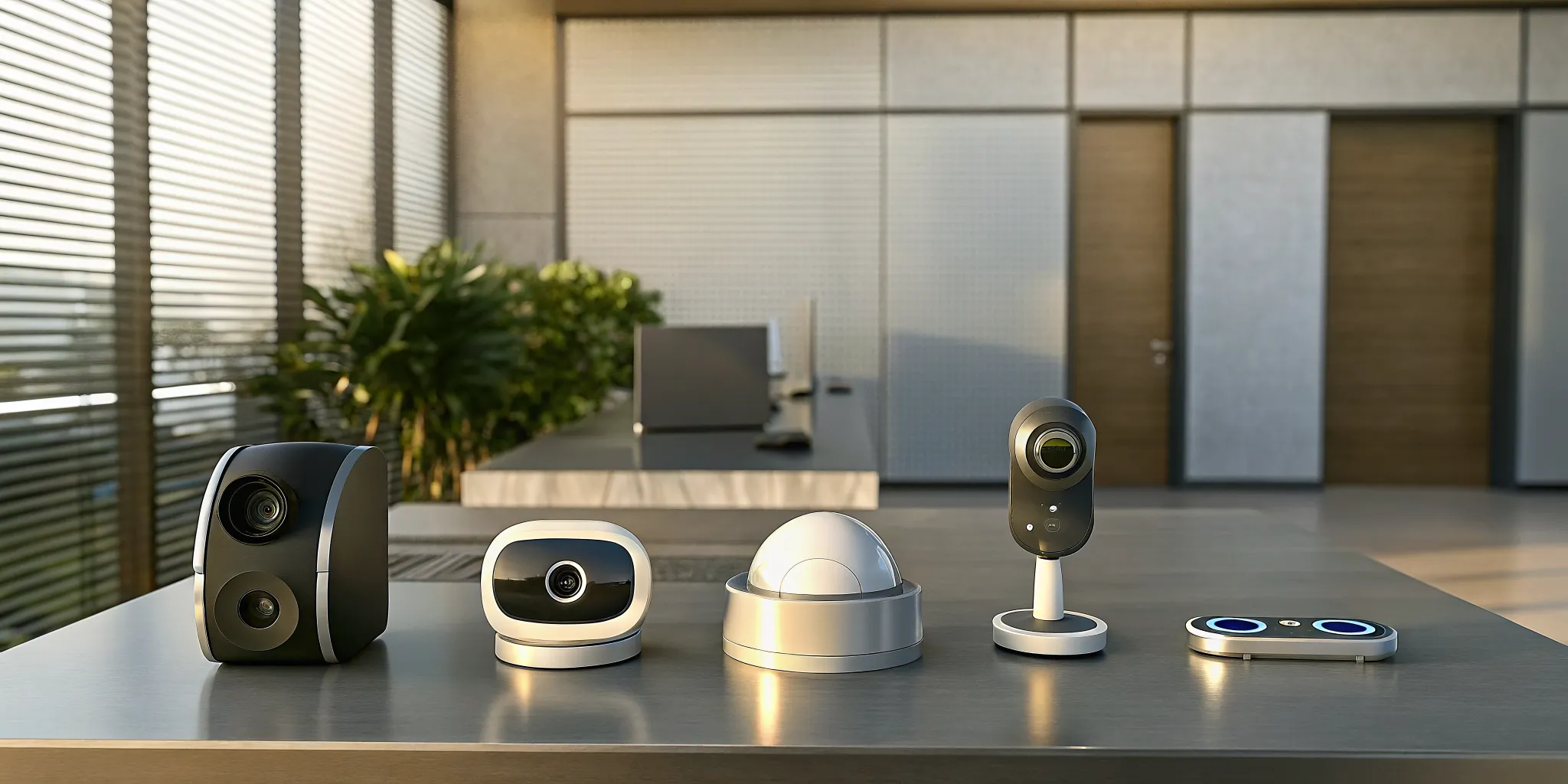
When most people think about security systems, they picture a burglar alarm going off in the middle of the night. While that’s certainly a key function, a modern system does so much more. For a business, it can provide operational insights, improve employee safety, and reduce liability from false claims. For a homeowner, it can mean checking on your kids after school or getting an alert when a package arrives. Thinking of a security system as just a defense against break-ins is a limited view. It’s a powerful tool that can streamline operations and provide daily peace of mind.
Key Takeaways
- Choose a Custom Solution: Your property has unique needs that a generic, one-size-fits-all kit can’t address. A tailored system designed by an expert provides comprehensive protection by focusing on your specific layout, risks, and daily operations.
- Look for Key Modern Features: The most effective systems combine professional 24/7 monitoring for a guaranteed response with the convenience of mobile app control. For businesses, features like integrated access control and smart camera analytics are essential for managing access and reducing false alarms.
- Think Beyond the Upfront Cost: A professional security system is an investment that pays for itself over time. Consider the long-term value, including potential insurance discounts, prevention of costly losses, and improved operational efficiency, and explore financing options to make it affordable now.
How to Choose the Best Security System for You
Choosing a security system can feel like a huge decision, and honestly, it is. With so many options out there, from DIY kits you can grab at a big-box store to highly sophisticated professional setups, it’s easy to feel overwhelmed. The most important thing to remember is that the goal isn’t just to buy a camera or an alarm; it’s to find a solution that fits your specific property and your life, not the other way around. It’s not about getting the most gadgets, but about getting the right ones that work together seamlessly to protect what you value most. A system designed for a suburban home will look very different from one built for a sprawling industrial warehouse, and that’s exactly how it should be. Thinking through your unique needs, from the layout of your building to your daily routines, is the first step toward genuine peace of mind. To help you make a confident choice, we’ll walk through the most important factors to consider, from the type of provider you choose to why a custom-fit plan is always the best investment in your safety.
Local Experts vs. National Chains
When you start shopping, you’ll see ads for big national chains everywhere. They offer standardized packages that seem convenient, but they often miss the mark. A local security expert, on the other hand, provides a more personal touch. We understand the specific security challenges in our communities, from Chicago to Southeast Wisconsin. More importantly, a local partner can design a system with advanced commercial security features like access control and detailed surveillance that national brands might not offer in a standard package. They can identify needs you may not have even considered, creating a truly effective security plan.
Custom-Built Systems vs. DIY Kits
DIY security kits from a hardware store are tempting, but they often create a false sense of security. These systems typically rely on basic motion sensors, which are a far cry from the 24-hour professional security cameras a business or high-value residence needs. For a commercial or industrial site, a pre-packaged kit is rarely enough. The complexity of modern security systems, with integrated analytics and monitoring, requires expert design and installation to function correctly. A custom-built system ensures every component works together seamlessly to protect what matters most, without the gaps and vulnerabilities common in DIY setups.
Why a Tailored Solution Offers the Best Protection
Ultimately, security is one area where you don’t want to take shortcuts. A one-size-fits-all approach simply can’t account for the unique layout of your property, your daily operations, or your specific risks. A tailored solution is designed around you. Whether you need to protect sensitive inventory at an industrial site or ensure your family is safe at home, a custom system addresses your exact challenges. By working with a provider who offers a wide range of security services, you get a plan that is both comprehensive and efficient. This gives you the best possible protection without paying for features you don’t need.
What Key Features Actually Matter?
When you start looking at security systems, the sheer number of features can feel overwhelming. From AI analytics to different monitoring options, it’s easy to get lost in the technical details. The key is to focus on the features that will actually provide the security and convenience you need for your home or business. Let’s cut through the noise and look at what truly makes a difference in a modern security system.
Professional vs. Self-Monitoring: Which Is Right for You?
One of the first decisions you’ll face is how your system is monitored. With self-monitoring, you are responsible for watching for alerts and contacting the authorities. Professional monitoring connects your system to a 24/7 command center where trained agents respond to alarms, verify threats, and dispatch emergency services. While self-monitoring might seem like a way to save money, it leaves a major security gap. What if you miss an alert because you’re in a meeting, on a plane, or asleep? For true peace of mind, especially for a business, professional monitoring services are the clear winner. Services like virtual guarding take this a step further, using live agents to watch over your property in real time.
The Importance of Smart Home and Mobile App Control
Your security system shouldn’t feel like a separate, clunky piece of hardware. Modern systems are designed to integrate smoothly into your daily life and business operations. The ability to control your system from your phone is no longer a luxury; it’s a standard feature you should expect. This allows you to arm or disarm your system, view live camera feeds, and receive alerts from anywhere. Many systems can also connect with other smart devices, like lights and thermostats, to create automated routines. For example, you can have your lights turn on automatically when motion is detected after hours, creating an effective deterrent while also improving safety for your team.
Advanced Features: Camera Analytics and Access Control
For commercial and industrial sites, basic motion detection isn’t enough. Advanced features are what separate a standard alarm from a comprehensive security solution. AI-powered camera analytics can intelligently distinguish between a person, a vehicle, and a stray animal, dramatically reducing false alarms. Some systems even offer facial recognition. Another critical feature for businesses is access control, which lets you manage who can enter specific areas and when. Instead of handing out keys, you can issue key cards or fobs and easily revoke access for former employees, creating a more secure and manageable environment for your entire property.
Find a System That Can Grow With Your Business
Your security needs today might not be the same a year from now. Whether you’re a homeowner who might want to add more cameras later or a business planning an expansion, you need a system that can adapt. Avoid off-the-shelf kits that lock you into a fixed number of components. A truly effective commercial security system is modular and scalable. You should be able to start with a foundational setup of cameras and sensors and easily add more devices, integrate access control, or expand your surveillance to cover a new wing or a second location. A custom-built solution ensures your security can grow right alongside your business.
What Should You Expect to Pay for Security?
Talking about money can be tricky, but let’s be honest: budget is a huge part of any decision. When it comes to security, the price can vary widely, and it’s helpful to know what you’re actually paying for. The total cost of a security system is typically broken down into three main parts: the initial equipment, the ongoing monitoring service, and the installation. What you’ll pay depends entirely on your needs, whether you’re securing your family home, a retail store, or a large industrial facility.
Think of it less as a cost and more as an investment in safety and peace of mind. While off-the-shelf kits have a set price, a custom solution is tailored to your property and budget. This means you only pay for the features you truly need. Many professional security partners also offer flexible financing options to make this essential investment more manageable, so you don’t have to compromise on safety. The goal is to find a solution that gives you robust protection without breaking the bank.
Breaking Down Equipment Costs
The equipment cost is the upfront price for all the physical hardware in your system. This includes things like security cameras, door and window sensors, motion detectors, and the main control panel. For a general idea, DIY kits can range from a couple hundred to over a thousand dollars, while basic packages from national brands often start around $250 to $600. With a custom-built system, this cost is directly tied to your property’s specific layout and security goals. You might need a few discreet cameras for a small office or a complex network of advanced cameras and sensors for a warehouse. The key benefit is that you’re not paying for a one-size-fits-all box of gear; you’re investing in a handpicked set of tools designed just for you.
Understanding Monthly Monitoring Fees
A monthly monitoring fee is what turns your security equipment from a passive observer into an active guardian. This recurring fee pays for a team of professionals to monitor your system 24/7. If a sensor is tripped or an alarm goes off, they are the ones who verify the threat and dispatch emergency services. Basic monitoring plans from DIY companies can start as low as $20 to $30 per month, while more comprehensive services from national providers often fall in the $25 to $50 range. For businesses, more advanced services like virtual guarding offer proactive surveillance, where professionals can watch live video feeds and intervene in real-time, providing a much higher level of protection.
Factoring in Installation and Long-Term Value
While you can install some basic systems yourself, professional installation is a crucial part of a reliable security strategy. An expert ensures that every camera has the optimal viewing angle, every sensor is placed in the most effective spot, and the entire system works together seamlessly. While professional installation has a cost, often starting around $100 for basic setups, it prevents the hidden costs of a poorly configured system. A camera pointing at the wrong area or a sensor that’s easily bypassed won’t do you any good during a real emergency. Investing in professional installation from a company that provides a full range of security services ensures your system delivers true long-term value and performs exactly as it should when you need it most.
Don’t Forget: Potential ROI and Insurance Discounts
A security system does more than just prevent break-ins; it’s a smart financial move. The cost of theft, vandalism, or data breaches can be devastating for a business, and a robust security system is your best defense. The return on investment isn’t just about preventing loss; it’s also about creating a safer environment for employees and customers. Furthermore, many insurance companies recognize the value of professional security. They often provide significant discounts on business and homeowner’s insurance premiums for properties with monitored alarm systems. These savings can help offset the monthly monitoring cost, making your commercial security an even more sound investment.
DIY vs. Professional Installation: Which Should You Choose?
Deciding between a do-it-yourself security kit and a professionally installed system is one of the first major choices you’ll make. While the idea of a simple, out-of-the-box solution can be tempting, it’s important to weigh the convenience against the effectiveness. Your security system is only as good as its installation, and a flawed setup can leave you with critical vulnerabilities. Let’s look at what separates a DIY approach from a professional one.
The Peace of Mind of Professional Installation
When you work with a professional, you’re not just paying for someone to mount cameras; you’re investing in expertise. A trained technician understands the nuances of security, from the optimal placement of sensors to the way different components should interact. This expert setup ensures your equipment is positioned for maximum effectiveness, covering blind spots you might not have noticed. As security experts note, professionally-installed systems are often far more secure than DIY solutions. This is because professionals handle the entire process, from design to testing, giving you confidence that your system is working correctly from day one. It removes the guesswork and the worry, leaving you with true peace of mind.
Why Businesses Almost Always Go Pro
For a business, the stakes are much higher. You’re not just protecting a property; you’re securing assets, data, and the safety of your employees. Commercial security often requires complex, layered solutions that go far beyond what a DIY kit can offer. Features like integrated access control, video analytics, and multi-site management demand a level of technical skill that only a professional can provide. As Mammoth Security points out, commercial systems are built to handle more complex challenges, from internal threats to external breaches. A professional installation ensures all these sophisticated parts work together as a single, cohesive system, giving your business the robust protection it needs to operate safely.
The Hidden Costs and Limits of DIY Security
The initial low price of a DIY kit can be misleading. The “hidden costs” often show up in the form of your own time spent on a frustrating installation, the need to buy extra tools, or the discovery that your system has coverage gaps. A poorly placed camera or sensor can create a false sense of security, leaving you just as vulnerable as you were before. Many people believe a professional system is a luxury, but this can lead to underestimating the value of proper security. Thinking you don’t have anything worth protecting is a common mistake that leaves your business vulnerable to threats. A DIY system might not provide the comprehensive protection you truly need, and without professional support, you’re on your own if something goes wrong.
Matching the Right System to Your Property
The best security system is one that feels like it was designed just for you, because it was. A sprawling industrial complex has fundamentally different vulnerabilities than a suburban family home or a high-traffic medical clinic. A one-size-fits-all security kit from a big box store simply can’t account for these unique layouts, assets, and risks. That’s why the first step in choosing a system is to take a hard look at your specific property and what you need to protect. This isn’t about buying a product; it’s about developing a strategy.
Thinking through your daily operations, entry points, and most valuable assets will help you identify your priorities. Do you need to monitor a large parking lot after hours, restrict access to sensitive files, or simply get an alert when a package is delivered? Answering these questions helps you move beyond a generic solution and toward a custom-built system that provides effective, reliable protection. A professional assessment can reveal blind spots you might not have considered, like an unlit side entrance or a ground-floor window hidden by landscaping. Whether you’re securing your home, your business, or a specialized facility, the right solution starts with a deep understanding of your unique environment.
Securing Your Home
Many people think a home security system is a luxury, but it’s one of the most practical investments you can make in your family’s safety. In fact, studies show that homes with visible security systems are significantly less likely to be targeted by burglars. A good residential security plan focuses on creating layers of protection, starting with the most common points of entry.
This typically includes door and window sensors, motion detectors in key areas, and security cameras covering your driveway, front porch, and backyard. The goal isn’t just to react to a break-in but to deter potential intruders from even trying. With smart home integration, you can also check on your home from anywhere, giving you constant peace of mind.
Protecting Your Commercial or Industrial Site
Securing a business goes beyond preventing theft. A commercial security system is designed to protect your employees, sensitive data, and valuable equipment. Unlike a residential setup, a commercial solution often requires more complex features like integrated access control to manage who goes where and when. It also involves creating layers of security to safeguard different zones within your facility, from the front office to the warehouse.
Even small businesses can benefit from professional-grade security. While it’s tempting to think a simple DIY kit is enough, there are customizable and scalable systems designed to address the unique risks businesses face. These systems protect your inventory and assets while also helping to reduce liability and create a safer environment for your team.
Meeting Specialized Needs for Healthcare and Finance
Certain industries don’t just need security; they need security that meets strict compliance and regulatory standards. Sectors like healthcare and finance are prime targets for sophisticated threats, so their security strategies must be exceptionally robust to protect sensitive patient or client data. For these organizations, security is a critical part of operations, not just an add-on.
This often involves advanced access control systems that use multi-factor authentication, detailed audit trails to track movement, and video analytics to flag unusual behavior in real time. For industries where a breach could have devastating consequences, a tailored, high-compliance security solution is non-negotiable. It ensures you’re not only protected from threats but also aligned with industry requirements like HIPAA.
Wired vs. Wireless: What’s the Difference?
One of the biggest decisions you’ll make is whether to go with a wired or wireless security system. Each has its place, and the right choice depends entirely on your property and your security goals. A wired system physically connects cameras and sensors to a central hub with cables, while a wireless system uses Wi-Fi or other radio frequencies to communicate. Let’s break down what that means for you.
The Flexibility of Wireless and Cloud-Based Systems
Wireless systems are known for their easy installation and flexibility. Because there are no cables to run through walls, they can be placed almost anywhere, making them a great option for renters or for adding coverage to existing properties without major construction. Modern wireless cameras offer crisp HD video, motion alerts sent straight to your phone, and two-way talk features. Many systems also connect to cloud services, allowing you to store and review footage from anywhere. Plus, today’s smart motion detectors are often pet-friendly, so your furry friends won’t trigger a false alarm every time they walk by.
The Unmatched Reliability of Wired Systems
When reliability is your top priority, nothing beats a hardwired connection. Wired systems aren’t vulnerable to Wi-Fi interference or signal drops, ensuring a constant, stable connection for recording and monitoring. This is why they are the standard for most commercial security applications. A professional installation ensures that cables are protected and the system is secure from tampering. For businesses, wired systems can also support more advanced features, like multi-camera surveillance networks and integrated access control, providing a robust solution that protects people, property, and assets around the clock.
Get the Best of Both Worlds With a Hybrid Solution
You don’t always have to choose between wired and wireless. A hybrid approach lets you create a truly customized security solution that leverages the strengths of both. You can use reliable, hardwired security cameras to cover critical entry points, cash registers, or sensitive areas while using flexible wireless cameras to monitor remote corners of a parking lot or temporary job sites. This tailored strategy ensures you have uncompromising reliability where it matters most and cost-effective flexibility everywhere else. Working with a security expert allows you to design a system that perfectly matches your property’s unique layout and security needs.
What Security Components Do You Actually Need?
Building an effective security system is a bit like putting together a puzzle. You need the right pieces, and they all have to fit together perfectly to create a complete picture of safety. While every property is unique, most powerful security solutions are built from three core components: cameras, sensors, and a control panel. Understanding what each part does will help you see why a custom-fit system is so much more effective than a one-size-fits-all box. Let’s look at what these key pieces are and what they do for you.
Cameras: It’s About More Than Just Placement
When you think “security,” cameras are probably the first thing that comes to mind. While placing them in the right spots is crucial, choosing the right type of camera is just as important. For a home, a visible camera can be a powerful deterrent. For a business, however, you’ll likely need more advanced features. Commercial systems often require 24-hour video surveillance to keep a constant eye on operations, inventory, and entry points.
The right security cameras for your property might include features like facial recognition, high-definition recording, or thermal imaging. A professional assessment can help you decide between different models and ensure you get the coverage you need without any blind spots, giving you a clear view of what’s happening, day or night.
Sensors: Your First Line of Defense
If cameras are your eyes, sensors are your system’s nerve endings. They are your first line of defense, detecting potential trouble before it’s even in view. These discreet devices can be placed on doors and windows to alert you if they’re opened, or they can detect the sound of breaking glass. Motion detectors are another key part of this network, creating an invisible barrier around your property.
And don’t worry about your pets setting them off. Many modern burglar alarms use pet-friendly motion detectors that can tell the difference between your golden retriever and an actual intruder. By making your property a less attractive target, this network of sensors provides a fundamental layer of protection and peace of mind.
The Control Panel: Your System’s Brain
The control panel is the central hub that connects everything. It’s the brain of your security system, communicating with every camera and sensor you have installed. This is where you’ll arm and disarm your system, and it’s what sends a signal to your monitoring center if a threat is detected. While both residential and commercial systems have a control panel, their complexity can vary quite a bit.
A small home might have a simple, user-friendly keypad, while a large industrial facility will need a more robust panel to manage dozens of zones and integrate other features. This hub is also where you can manage access control, giving you the power to decide who can enter your property and when.
Let’s Bust Some Common Security Myths
When it comes to security, a few persistent myths can hold people back from protecting their property. I’ve heard them all, and they often stop homeowners and business owners from taking that crucial first step. Let’s clear the air and look at what’s really true about modern security systems, so you can make a decision based on facts, not fiction.
Myth: “Security systems are too expensive for my small business.”
This is probably the number one concern I hear, especially from small business owners. The idea of a high-tech security system often brings to mind a massive, budget-breaking expense. The reality is that technology has made professional security more accessible than ever. You don’t have to choose between protecting your business and staying profitable. There are scalable solutions that fit a wide range of budgets, and flexible financing options can make the investment even more manageable. A well-designed system is an asset that protects you from far more expensive losses down the road.
Myth: “Modern systems are too complicated to use.”
Another common worry is that you’ll be stuck with a system that’s too confusing to operate. It’s easy to picture a wall of monitors and a complex control panel, but today’s systems are built with you, the user, in mind. Most are managed through intuitive smartphone apps and simple interfaces that feel as natural as the other apps you use every day. You can check cameras, manage employee access, and arm or disarm your system with just a few taps. Our goal is to provide commercial security that simplifies your life, not complicates it, giving you full control without the headache.
Myth: “I don’t need a security system because I live in a safe area.”
It’s wonderful to feel safe in your neighborhood, but unfortunately, a low crime rate doesn’t mean zero crime. Many break-ins are crimes of opportunity. A potential thief is looking for the easiest target, and a home or business without any visible security is often the path of least resistance. A security system acts as a powerful deterrent. The presence of cameras or an alarm company’s sign can be enough to make someone think twice and move on. It’s less about where you live and more about making your property a less attractive target. This proactive approach is a core part of our residential security philosophy.
More Than Just Security: Unexpected Business Perks
Thinking about a security system as just a defense against break-ins is like thinking of a smartphone as only a device for making calls. You’re missing out on some of the best features. A modern, well-designed security system is a powerful business tool that can streamline operations, protect your team, and safeguard your bottom line in ways you might not expect. It’s an active investment in your company’s health and efficiency, not just a passive shield. From improving your team’s performance to giving you a bird’s-eye view of your daily operations, the right system delivers value far beyond a simple alarm.
Improve Employee Safety and Accountability
Your team is your most valuable asset, and creating a safe work environment is a top priority. Visible security cameras and controlled access points do more than deter external threats; they give your employees peace of mind. When your team feels protected, morale and productivity naturally follow. This sense of security also fosters a culture of accountability. It helps ensure that safety protocols are being followed and can discreetly discourage internal theft or misconduct. A comprehensive commercial security plan shows your employees that you are invested in their well-being and in maintaining a professional, secure workplace for everyone.
Gain Operational Insights from Anywhere
Ever wish you could be in two places at once? A modern security system gets you pretty close. With features like remote viewing and cloud services, you can check in on your business from anywhere with an internet connection. This isn’t about micromanaging; it’s about having a clear view of your operations. You can monitor customer traffic patterns, confirm that opening and closing procedures are handled correctly, and ensure your team is operating efficiently. These insights allow you to make smarter, data-driven decisions to improve workflow and customer service, all without having to be physically on-site 24/7.
Stay Compliant and Reduce Liability
The cost of a security incident often goes far beyond the value of what was stolen. A single event, like vandalism or a fraudulent slip-and-fall claim, can lead to significant financial and legal trouble. Investing in a professional security camera system is one of the smartest moves you can make to reduce liability. High-quality video footage provides indisputable evidence to resolve disputes, protect you from false claims, and assist law enforcement. For many industries, a robust security system is also a key part of meeting regulatory compliance standards, helping you avoid hefty fines while protecting your business from a wide range of risks.
How to Make Your Ideal Security System Affordable
Thinking about the cost of a professional security system can feel a bit overwhelming, I get it. But securing your home or business is one of the most important investments you can make, and it’s more attainable than you might think. The key is to look beyond the initial price tag and explore the different ways you can make a high-quality system work for your budget. Instead of settling for a less effective, off-the-shelf solution, let’s talk about a few practical strategies for affording the protection you truly need.
Explore Financing Options and Payment Plans
A major barrier for many people is the upfront equipment and installation cost. The good news is you often don’t have to pay for it all at once. Many professional security providers offer financing options that spread the cost over time into manageable monthly payments. This approach makes even the most advanced, custom-built systems accessible right away. Think of it like financing a car or a home renovation; you get the immediate benefit and security while paying for it in a way that fits your budget. Don’t be afraid to ask about payment plans. A good partner will work with you to find a solution that makes financial sense without compromising on your safety.
Ask About Business-Specific Incentives
If you’re a business owner, you might have access to financial perks you don’t even know about. As one industry expert notes, an often overlooked aspect of business is the potential for incentives that can help offset security costs. These can include tax deductions for security equipment, which your accountant can provide more details on. Furthermore, your insurance provider will likely be happy to hear you’re installing a professional commercial security system. Many insurance companies offer significant discounts on premiums for properties with professionally installed and monitored alarms, which can help the system pay for itself over time. Always ask your security consultant what incentives or programs they are aware of.
Focus on Long-Term Value, Not Just Upfront Cost
It’s easy to get sticker shock, but it’s crucial to reframe the cost as a long-term investment. The truth is, the cost of not having adequate security is often much higher than the initial investment. A single incident of theft, vandalism, or data breach can result in financial losses that far exceed the price of a system. A well-designed security solution does more than just deter crime; it protects your assets, ensures employee safety, and reduces your liability. When you consider the peace of mind and the potential losses you’re preventing for years to come, the upfront cost becomes a smart, calculated investment in your future.
Related Articles
Frequently Asked Questions
What’s the very first step I should take when choosing a security system? Before you even look at a single camera or sensor, take a walk around your property. Think about your daily routines, your biggest security concerns, and what you value most. Are you worried about package theft, after-hours entry, or protecting sensitive equipment? Making a simple list of your priorities will help you have a much more productive conversation with a security professional and ensure the solution you choose is actually solving your specific problems.
Is a wireless system secure enough, or is wired always better? This is a great question, and the answer is: it depends on your needs. Wireless systems offer incredible flexibility and are perfect for homes or areas where running cables is difficult. For a business that needs unwavering reliability, a hardwired system is often the gold standard because it isn’t affected by Wi-Fi issues. Many of the best solutions are actually hybrid systems, using wired components for critical areas and wireless ones for others to give you the best of both worlds.
How can I be sure I’m not paying for features I don’t actually need? This is a common worry, and it’s the main reason a custom-built system is so valuable. Working with a professional starts with a conversation about your property and your budget, not with a pre-made package. A thorough assessment will identify your specific risks, and a good provider will design a plan with only the components that address those risks. This tailored approach is the best way to ensure every part of your system serves a purpose and you get the most value for your investment.
Can I start with a smaller system and add more cameras or sensors later on? Absolutely. A professionally designed security system should be able to grow with you. You can start with a foundational setup that covers your most critical areas and then easily add more components as your needs change or your business expands. This scalability is a major advantage over many off-the-shelf kits, which can be difficult or impossible to expand. Your security should be a long-term solution, not a temporary fix.
What’s the real difference between professional monitoring and virtual guarding? Think of it as reactive versus proactive protection. With traditional professional monitoring, trained agents react when an alarm is triggered, verifying the threat and contacting authorities. Virtual guarding takes it a step further. Live agents can proactively watch your camera feeds in real time, identify suspicious activity before an incident occurs, and even use two-way audio to deter a potential intruder. It’s a much more hands-on level of security, ideal for commercial and industrial sites.