
What to Look For in an Outdoor Security Surveillance Camera
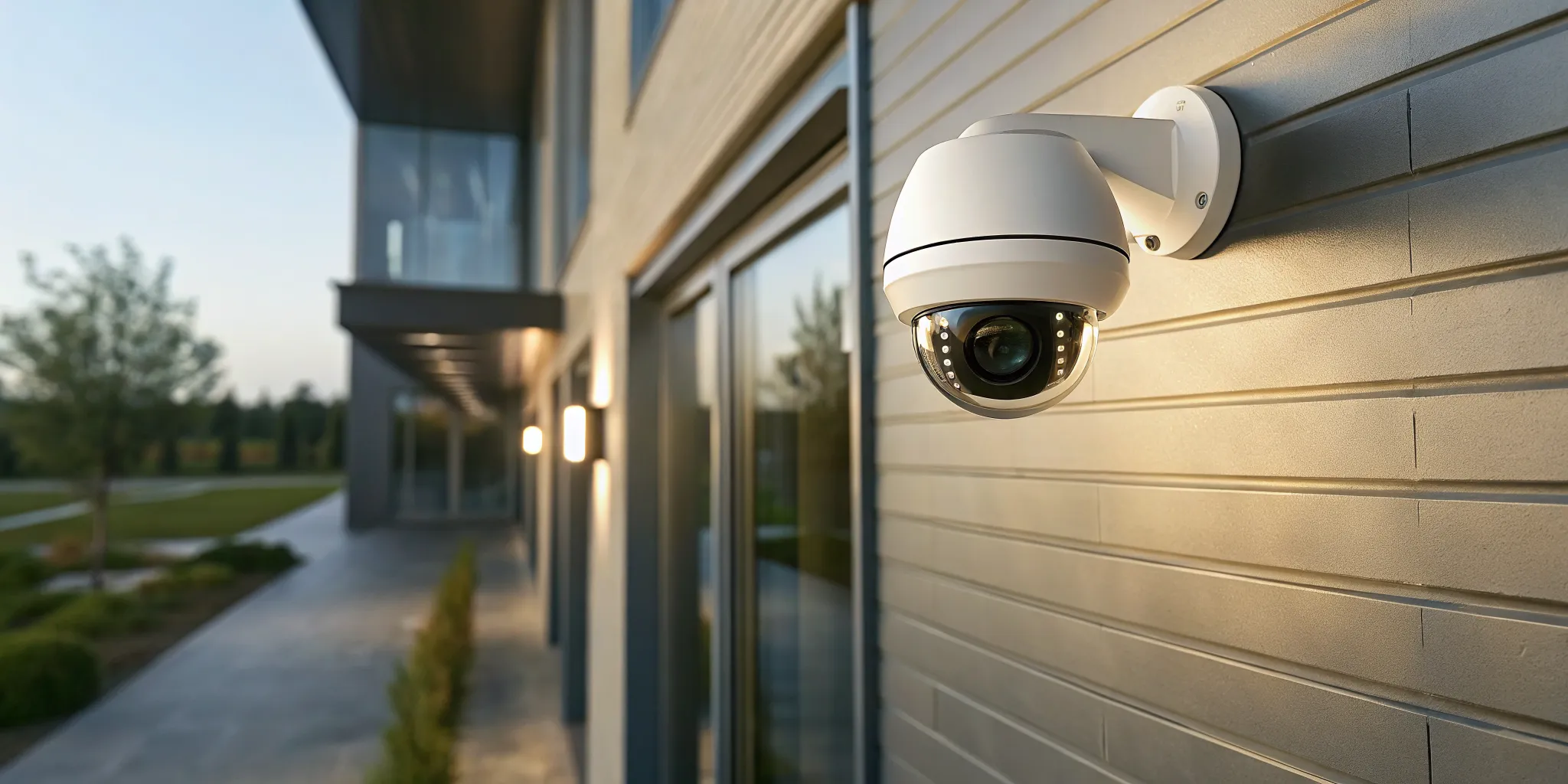
A security camera on your property sends a clear message, but what that message is depends entirely on the camera you choose. The goal isn’t just to have a recording of an incident after it happens; it’s to prevent it from occurring in the first place. A strategically placed, high-quality outdoor security surveillance camera acts as a powerful deterrent, convincing potential intruders to move on to an easier target. This guide will walk you through the features that make a camera a proactive security tool, not just a passive recording device. We’ll cover everything from smart motion detection to active deterrents like sirens and two-way audio.
Key Takeaways
- Prioritize features that deliver clear, actionable footage: A camera is only useful if you can see what’s happening. Look for at least 1080p resolution for clarity, effective night vision for after-dark security, and a high IP rating (like IP66) to ensure your camera withstands the weather.
- Choose a system based on your property and total budget: The best camera for a small home isn’t right for a large industrial site. Consider the reliability of wired versus the flexibility of wireless systems, and always account for ongoing costs like cloud storage subscriptions to avoid surprise fees.
- Understand that placement is as important as the camera itself: A high-end camera in the wrong spot is ineffective. Strategic placement covers vulnerable areas, eliminates blind spots, and uses visibility as a powerful crime deterrent, which is why professional installation often provides the best results.
What to Look for in an Outdoor Security Camera
Choosing the right outdoor security camera can feel overwhelming with all the options available. But when you focus on a few key features, you can find a system that truly protects your property. A great outdoor camera does more than just record; it gives you clear, actionable information when you need it most. From image quality to weather resistance, these are the essential features to consider for your home or business. A well-chosen camera acts as your eyes on the ground, offering peace of mind whether you’re at home, at work, or away. It’s not just about catching a potential intruder, but also about monitoring deliveries, checking on your property, and having a reliable record of events. The goal is to build a security solution that is both proactive and reliable, giving you confidence that your home, business, or industrial site is protected. By understanding what makes a camera effective, you can make an informed decision that fits your specific security needs, ensuring your investment works hard to keep your property safe around the clock.
Why Crystal-Clear Resolution Matters
The main purpose of a security camera is to see what’s happening, so resolution is a critical feature. A blurry, pixelated image won’t help you identify a person’s face or read a license plate. For clear and useful footage, look for a camera with at least 1080p HD resolution. For larger areas or situations where you need to zoom in on details, higher resolutions like 2K or 4K are even better. Keep in mind that higher-resolution video uses more internet bandwidth and storage space. A professional can help you find the right balance, ensuring your security cameras provide the clarity you need without overloading your network.
Seeing in the Dark: Color vs. Standard Night Vision
Most incidents you’d want to capture on camera happen at night, making night vision a non-negotiable feature. Standard infrared (IR) night vision records in black and white, which is effective for detecting motion and general shapes. However, many modern cameras now offer color night vision. This technology uses ambient light from streetlights or porch lights to produce a full-color image, even in low-light conditions. The advantage is significant: color footage makes it much easier to identify details like the color of a person’s clothing or a vehicle. This extra information can be invaluable if you ever need to share footage with law enforcement.
Will It Survive the Elements? A Guide to IP Ratings
An outdoor camera needs to withstand whatever the weather throws at it, especially here in the Midwest. To understand a camera’s durability, look for its IP (Ingress Protection) rating. This two-digit number tells you how well the device is protected against solids (like dust) and liquids (like rain). The first digit rates dust protection, while the second rates water protection. A camera with an IP66 rating, for example, is fully dust-tight and can handle powerful jets of water. This makes it a reliable choice for enduring heavy rain, snow, and wind. Choosing a camera with the right IP rating ensures your security investment will last for years.
Smarter Alerts with AI-Powered Motion Detection
Nothing is more annoying than getting a security alert on your phone every time a car drives by or a tree branch sways in the wind. This is a common problem with basic motion detection. That’s why AI-powered detection is such a game-changer. Cameras with this feature can intelligently distinguish between people, animals, and vehicles. This means you only get notified about the events that actually matter. For businesses and industrial sites, this technology is the foundation for advanced solutions like virtual guarding, where smart alerts can trigger a live professional to intervene in real time, stopping intruders before they can cause damage.
More Than Just Watching: Audio, Sirens, and Field of View
Modern security cameras offer more than just passive recording; they provide tools for active deterrence. Features like two-way audio allow you to hear what’s happening and speak through the camera’s speaker. You can greet a visitor, instruct a delivery driver, or warn an unwanted person that they are being recorded. Many cameras also include a built-in, motion-activated siren that can scare off a potential intruder. Finally, pay attention to the camera’s field of view, which determines how wide of an area it can see. A wider field of view can help you cover more ground with fewer cameras, which is a key part of a well-designed security system.
Wired vs. Wireless: Which Is Right for You?
One of the first decisions you’ll face when choosing an outdoor camera is whether to go with a wired or wireless system. It’s a fundamental choice that shapes everything from installation to long-term reliability. The names are a bit of a giveaway: wired cameras use physical cables for power and an internet connection, while wireless cameras connect to your Wi-Fi network.
But it’s not quite that simple. The best option for you depends entirely on your property, your security goals, and how you feel about installation. Think of it as a trade-off between rock-solid reliability and ultimate flexibility. A sprawling industrial site has very different needs than a suburban home, and the right security camera system will reflect that. Let’s break down the specifics of each type so you can figure out which one fits your situation.
The Perks of a Wired System
A wired security camera is the professional standard for a reason: unmatched reliability. These cameras are physically connected to a power source and a recording device (like a DVR or NVR) with cables. This direct link means you get a consistent, stable video feed that isn’t affected by Wi-Fi dead zones or network congestion. You never have to worry about a weak signal causing your camera to drop its connection at a critical moment.
This makes wired systems the go-to choice for commercial properties and larger homes where comprehensive coverage is non-negotiable. The main consideration is installation, which is more involved. Running cables often requires drilling and routing wires through walls and ceilings, a job best left to professionals to ensure it’s done cleanly and correctly.
The Freedom of a Wireless System
Wireless cameras offer incredible flexibility, which is their main appeal. Installation is much simpler because you don’t have to run data cables back to a central recorder. However, it’s important to know the lingo. “Wireless” usually means the camera connects to the internet via Wi-Fi but still needs to be plugged into a power outlet. “Wire-free,” on the other hand, means the camera is completely untethered and runs on rechargeable batteries.
This wire-free freedom is perfect for residential security or for spots where running a power cord is impossible. You can mount one on a fence post, a detached garage, or a tree. The trade-off is maintenance. You’ll need to periodically take the camera down to recharge the battery, which can be a chore if it’s mounted in a hard-to-reach place.
Are Solar-Powered Cameras a Good Option?
Solar-powered cameras present a fantastic middle ground, combining the ease of a wire-free camera with a nearly constant power source. These cameras are equipped with a small solar panel that continuously tops off the internal battery. As long as the panel gets a few hours of direct sunlight each day, you get the benefits of a wire-free setup without the hassle of manual recharging.
This makes them a great, low-maintenance choice for sunny spots. The main thing to consider is placement. A camera under a dense tree canopy or on a north-facing wall in the Midwest might not get enough sun to stay charged, especially during overcast winter months. It’s a great example of how a truly effective security plan requires a customized approach for your specific property.
Busting Common Myths About Wired and Wireless Cameras
There’s a lot of conflicting information out there, so let’s clear up a few common myths. First, “wireless” does not always mean “wire-free.” As we covered, most wireless cameras still need a power cord. Second, wired cameras are not old technology. They remain the most dependable option for serious security and are the backbone of most professional security services.
Finally, many people worry that wireless cameras are easy to hack. While any device connected to the internet carries some risk, modern cameras use strong encryption. The most important factor in keeping your system secure is practicing good digital hygiene, like using a strong, unique password for your Wi-Fi network and camera accounts. A professional installer can help ensure your entire system is configured for maximum security from day one.
A Look at Popular Outdoor Camera Brands
When you start shopping for outdoor cameras, you’ll quickly notice a few big names popping up everywhere. Brands like Ring, Arlo, and Google Nest have become household names, and for good reason. They offer accessible, user-friendly products that have made home security feel more approachable than ever. Each brand brings something different to the table, whether it’s seamless smart home integration, innovative power solutions like solar, or advanced AI features that can tell the difference between a person and a passing car.
Understanding what these popular brands do well can help you clarify what you truly need in a security system. Are you looking for a simple, wire-free setup? Do you want a camera that works perfectly with your existing smart speakers? Or is crystal-clear 4K resolution your top priority? While these off-the-shelf options are great starting points, they often work best as standalone devices. For a truly comprehensive security plan, especially for a larger home, business, or industrial site, you’ll want a system where every component works together flawlessly. A professional can help you mix and match the best security cameras and integrate them into a cohesive, reliable network.
What to Know About Eufy
Eufy has made a name for itself with cameras that pack a lot of features without requiring a monthly subscription for basic functions. A standout model is the SoloCam S340, which is a great example of their focus on convenience and quality. It comes with built-in solar panels, so you rarely have to worry about recharging the battery. This camera also features dual lenses to provide both a wide-angle view and a zoomed-in perspective, all captured in sharp 3K resolution. If you’re looking for a set-it-and-forget-it camera with excellent video quality and no mandatory monthly fees, Eufy is a brand worth considering.
What to Know About Ring
If your home is already powered by Amazon Alexa, Ring is a natural fit. As an Amazon company, Ring’s devices are designed for seamless integration with the Alexa ecosystem. Their lineup is incredibly versatile, with options like the Stick Up Cam, Spotlight Cam, and Floodlight Cam, each tailored for different needs. Most models record in clear 1080p HD, and you have plenty of choices for power: battery, plug-in, hardwired, or even solar. Features like two-way talk and night vision are standard, making the Ring Outdoor Cam Plus a solid, flexible choice for homeowners who value convenience and smart home compatibility.
What to Know About Arlo
Arlo is a leader in the wireless camera space, known for its sleek designs and straightforward, user-friendly setup. Their cameras deliver high-definition video, with some models offering resolutions up to 4K. What sets Arlo apart is its use of AI for smarter detection and its impressive battery life. For properties without Wi-Fi, like a remote shed or a large industrial lot, the Arlo Go 2 is a game-changer because it runs on a cellular connection. They also offer the budget-friendly Arlo Essential series, which provides clear video and motion alerts without breaking the bank, making Arlo a flexible option for many different situations.
What to Know About Google Nest
For those who love smart technology, Google Nest cameras are a top contender. These cameras are packed with advanced AI features, including the ability to recognize familiar faces and let you create custom “Activity Zones” to reduce unwanted alerts. They don’t just watch; they listen, detecting specific sounds like glass breaking. The floodlight model is particularly impressive, offering bright lighting and color night vision for clear video even in the dark. As you’d expect, Nest cameras integrate perfectly with Google Assistant, but they also work with Alexa, making them a versatile and intelligent choice for any modern smart home.
Does Price Really Matter? Budget vs. Premium Cameras
When you start shopping for outdoor security cameras, the price range can be dizzying. You’ll find options from less than $50 to several hundred dollars per camera. It’s tempting to go for the cheapest model, but when it comes to security, price often directly reflects performance, reliability, and features. The key is to find the right balance for your specific needs and budget.
Think of it this way: a camera that fails to capture a clear image during a critical moment isn’t much of a security tool. On the other hand, you might not need a top-of-the-line 4K camera for a small residential backyard. Understanding what you get at each price point helps you make an informed decision, ensuring your investment truly protects your property. Let’s break down the main tiers to see where your needs fit.
What You Get for Under $100
Cameras in the sub-$100 range are your entry point into outdoor security. These budget-friendly options typically cover the essentials, offering clear 1080p video, basic motion alerts sent to your phone, and standard infrared night vision. They are a practical choice if you simply want to keep an eye on a porch or entryway and get a notification when someone approaches. However, this price point comes with trade-offs. Their build quality is often less durable, and they may not hold up as well in harsh weather. Advanced features like color night vision or AI-powered person detection are usually absent. While they can be a good starting point for basic residential security, they generally lack the robust capabilities required for most business applications.
The Sweet Spot: Mid-Range Cameras
For many homeowners and small businesses, the sweet spot for value and performance lies in the $100 to $250 range. In this tier, you get a significant upgrade in both features and build quality. Cameras here often include active deterrents like built-in sirens and spotlights, which can proactively scare off intruders. You’ll also find features like two-way audio, allowing you to speak to visitors (or trespassers) directly from your phone. These cameras tend to have better weather resistance and more reliable software. Many also offer smarter AI detection that can distinguish between people, animals, and vehicles, reducing false alarms. This price range provides a solid foundation for a dependable security camera system that offers more than just passive monitoring.
When to Invest in a Premium Camera
Premium cameras, which typically start around $250 and go up, are designed for situations where maximum clarity and coverage are non-negotiable. If you have a large property, a commercial lot, or an industrial facility, investing in a high-end camera is often a necessity. The standout feature in this category is ultra-high-definition 4K video, which captures incredibly sharp detail. This level of resolution can be crucial for identifying faces, license plates, or other small details from a distance. These models also boast superior optics, providing a very wide field of view to cover more ground with fewer cameras. For complex environments like industrial sites, the durability and advanced analytics of a premium camera system provide unmatched security and operational insight.
Beyond the Sticker Price: The Hidden Costs of Security Cameras
When you’re shopping for outdoor security cameras, it’s easy to focus on the price of the hardware itself. But the initial purchase is often just one piece of the puzzle. The true cost of a security system includes ongoing expenses that can add up over time. Before you commit, it’s smart to look at the whole picture, from data storage fees to potential maintenance, to make sure you’re choosing a solution that fits your budget for the long haul. A little planning now can save you from surprise bills later and ensure your property stays protected without breaking the bank.
Understanding Subscription Fees for Cloud Storage
Many popular DIY security cameras rely on the cloud to store video footage. This means that when your camera detects motion, it sends the recording to a remote server. The big advantage is that you can access your clips from anywhere using an app on your phone. The catch? This convenience almost always comes with a monthly subscription fee. While plans can start as low as a few dollars per month per camera, these costs multiply quickly if you have several cameras. Professional-grade cloud services often provide more robust features and storage, but it’s an ongoing cost you need to factor into your security budget from day one.
The Deal with Local Storage Options
If monthly fees aren’t for you, the alternative is local storage. This means your video footage is saved to a physical device on your property, like a microSD card inside the camera or a dedicated network video recorder (NVR) hard drive. The most obvious benefit is that you avoid subscription costs entirely. However, there are trade-offs to consider. If a burglar steals your camera or damages your recorder, your footage is gone with it. Local storage can also have capacity limits, meaning you might have to manage the data or risk having old footage overwritten. A well-designed system of security cameras can incorporate local storage effectively, but it requires careful planning to protect your recordings.
Factoring in Maintenance and Replacements
Finally, don’t forget about the cost of keeping your system running. If you opt for battery-powered wireless cameras, those batteries will need to be recharged or replaced every few months, which can become a hidden expense over time. You also have to consider the lifespan of the cameras themselves. Technology evolves, and a camera that seems cutting-edge today might feel outdated in five years. Exposure to harsh Midwest weather can also take a toll, potentially leading to earlier-than-expected replacements. Investing in a quality, professional installation from the start helps ensure your equipment is set up correctly to withstand the elements and minimize future maintenance headaches.
Do Outdoor Security Cameras Actually Deter Crime?
It’s one of the biggest questions people ask when considering a security system: will it actually stop a crime from happening? You want peace of mind, not just a way to watch a break-in after the fact. The good news is that outdoor cameras are more than just recording devices; they are a powerful, proactive tool in your security strategy. Let’s look at what the data says and how you can make your cameras as effective as possible.
What the Research Shows
It turns out, the simple presence of a security camera can make a real difference. Studies have consistently shown that visible surveillance systems are a significant deterrent to crime. When a potential burglar or vandal spots a camera, they know their actions are being recorded, which dramatically increases their risk of getting caught. This often convinces them to abandon their plans and move on to an easier, unmonitored target. Think of it as a clear, silent warning sign on your property. The goal of a great security camera system isn’t just to record a crime, but to prevent it from ever taking place.
Why Camera Placement and Visibility Are Key
Simply having a camera isn’t enough; where you put it matters just as much. For maximum deterrence, cameras should be visible. Placing them near entry points like front doors, back doors, and ground-floor windows sends an immediate message to anyone approaching your property. However, if you prefer a more discreet look, you can still get great results. Cameras can be cleverly hidden inside things like faux rocks or light fixtures. The key is strategic placement that covers vulnerable areas without being obvious. Whether you choose visible or hidden cameras, a professional can help you map out the perfect customized security plan to ensure every angle is covered and your property is protected.
Home vs. Business: Tailoring Your Security Needs
Choosing the right security camera isn’t a one-size-fits-all deal. The system that’s perfect for watching over your front porch is likely not the right fit for a sprawling warehouse or a busy retail store. Your security priorities change dramatically depending on the property you’re protecting, which means your camera system should, too. For homeowners, the focus is deeply personal: the safety of your family and the sanctity of your home. For a business owner, the stakes expand to include protecting assets, ensuring employee and customer safety, and reducing liability. At an industrial scale, security involves safeguarding high-value equipment across vast areas and maintaining operational safety.
The environment itself plays a huge role in what you’ll need. A quiet suburban street has different challenges than a bustling commercial strip with constant foot traffic or a remote industrial site exposed to harsh weather and potential intruders. This is why a customized approach is so important. Simply buying a camera off the shelf might leave you with critical blind spots or features you don’t need. A truly effective security camera system is designed around your specific risks and property layout. Understanding the distinct needs for residential, commercial, and industrial spaces is the first step toward building a solution that delivers real security and peace of mind.
Priorities for Protecting Your Home
When it comes to your home, peace of mind is the ultimate goal. You want a system that keeps you connected and aware, whether you’re at work or on vacation. Look for cameras with at least 1080p HD resolution so you can clearly see faces and license plates. Smart motion detection is another key feature; it can tell the difference between a person, a passing car, and a stray animal, which cuts down on unnecessary alerts. Good night vision is also non-negotiable for 24/7 protection. The best residential security setups are user-friendly and reliable, giving you an easy way to check in on your property and ensure your family is safe without adding complexity to your life.
Must-Haves for Your Business or Commercial Property
For a business, security cameras are a critical operational tool, not just a deterrent. Your priorities shift to protecting assets, monitoring daily activity, and reducing liability. You’ll need more robust, commercial-grade cameras that can withstand tampering and cover wider areas like parking lots, entrances, and sales floors. High-resolution video, such as 4K, is essential for capturing clear details that can be used as evidence if needed. Your commercial security system should also offer reliable recording, whether it’s continuous or motion-activated, and integrate seamlessly with other tools like alarms and access control. This creates a comprehensive solution that protects your investment and keeps your employees and customers safe.
Advanced Security for Industrial Sites
Industrial sites like warehouses, manufacturing plants, and construction zones present a unique set of security challenges. These locations are often large, remote, and filled with valuable equipment, making them prime targets. Standard cameras won’t cut it. You need rugged, weatherproof cameras with high IP ratings (like IP66 or higher) to withstand dust, water, and extreme temperatures. Features like long-range night vision, thermal imaging, and continuous recording are vital for monitoring vast perimeters and dark corners. An effective industrial security plan often integrates cameras with systems like virtual guarding and access control to actively prevent theft, monitor for safety compliance, and secure the entire property around the clock.
Common Mistakes to Avoid When Buying a Security Camera
Choosing a security camera can feel overwhelming, but a little bit of planning goes a long way. It’s easy to get drawn in by a sale or a flashy feature, only to end up with a system that doesn’t quite meet your needs. The good news is that you can avoid the most common pitfalls just by knowing what to look for. Thinking through your security goals before you buy will save you from headaches and buyer’s remorse down the road.
From picking a camera that can’t capture a clear image to getting hit with surprise subscription fees, we’ve seen it all. Let’s walk through the four biggest mistakes people make when buying security cameras and how you can sidestep them. This will help you invest in a system that provides genuine peace of mind, whether you’re protecting your home, your business, or a large industrial property.
Mistake #1: Choosing Price Over Performance
It’s tempting to grab the cheapest camera on the shelf, but when it comes to security, you often get what you pay for. The main purpose of a security camera is to clearly identify people, vehicles, and activity. If the footage is blurry or pixelated, the camera isn’t doing its job. For truly effective surveillance, you should look for at least 1080p HD video. For even more detail, higher resolutions like 2K or 4K are excellent, though they do require more storage and bandwidth. Investing in quality security cameras ensures you have usable evidence if an incident ever occurs.
Mistake #2: Overlooking Smart Home Integration
In a connected world, your security camera shouldn’t be a standalone gadget. Forgetting to check for smart home compatibility is a common oversight. The best systems integrate smoothly with platforms like Alexa, Google Home, or Apple HomeKit, allowing you to control your security with voice commands or link it to other smart devices. For a business, this might mean connecting your cameras to your access control system so you can see who is entering a building. This integration creates a more powerful and convenient security ecosystem, not just a collection of separate parts.
Mistake #3: Neglecting Camera Placement and Coverage
A top-of-the-line camera is useless if it’s pointed at the wrong spot. Before you even buy a camera, take a walk around your property and think like an intruder. Where are the most vulnerable points? It’s best to place cameras at key entry points like doors, driveways, and first-floor windows to get the most coverage. Also, consider practical details like power sources for wired cameras or Wi-Fi signal strength for wireless ones. A little bit of planning ensures you won’t have any frustrating blind spots in your commercial security setup.
Mistake #4: Ignoring the Total Cost
The sticker price of a security camera is rarely the final cost. Many people are surprised by the ongoing expenses required to keep their system running. Most cameras require a monthly subscription to unlock all their features, like smart alerts and video history. These cloud services can start at around $5 per month per camera and go up from there. When you’re budgeting, be sure to factor in these recurring fees, along with any potential costs for professional installation or future maintenance, to get a true picture of the total investment.
DIY vs. Professional Installation: Why It Matters
When you’re ready to add outdoor security cameras, one of the first questions you’ll face is whether to install them yourself or call in a professional. The appeal of a DIY project is understandable. Many wireless cameras are marketed as simple, plug-and-play solutions that you can set up in an afternoon. And for a small, straightforward space, that might be true. However, securing your property effectively is about more than just mounting a camera on a wall.
Choosing professional installation means you’re investing in a system that’s perfectly tailored to your property’s unique layout and security needs. A professional sees things the average person might miss, like the ideal camera angles to eliminate blind spots, the most secure way to run wiring, and how to integrate your cameras with other security features. They understand how to position cameras to avoid glare from the sun and ensure clear footage day and night. While a DIY setup can give you a basic view, a professionally installed system provides comprehensive coverage and peace of mind. It’s the difference between simply watching your property and actively securing it with a cohesive, reliable network of security services.
How to Avoid Common DIY Installation Pitfalls
If you decide to go the DIY route, careful planning is your best friend. Before you even buy a camera, walk around your property to map out key locations. You’ll want to cover all entry points, like doors, gates, and the driveway. Think about placement height, too. Installing a camera too low makes it easy to tamper with, while placing it too high can result in poor image quality. Remember that a visible camera can act as a powerful deterrent, so don’t feel like you need to hide them all.
Also, consider your power source. Many people are surprised to learn that “wireless” doesn’t always mean “wire-free.” Most wireless cameras still need to be plugged into a power outlet, which can limit where you place them. Truly wire-free cameras run on batteries, offering more flexibility but requiring you to recharge or replace them regularly. A professional installer can help you find the best solution for your commercial property, ensuring every corner is covered without compromise.
Ensuring Your System Works for the Long Haul
Getting your cameras up and running is only half the battle; you need them to perform reliably for years. The first step is choosing hardware built to withstand the elements. Look for cameras with strong weather-resistance ratings that can handle rain, snow, and extreme temperatures. Once installed, your system will need regular maintenance. You’ll have to keep lenses clean, clear away leaves or spiderwebs that might block the view, and ensure your software is up to date.
This is where a professional partner truly makes a difference. An expert not only installs durable, high-quality security cameras but also provides ongoing support to keep your system in top shape. Instead of troubleshooting connection issues or software glitches on your own, you have a dedicated team to call for help. A professional ensures your entire security ecosystem works together seamlessly, giving you a robust and dependable solution that you can count on day in and day out.
Related Articles
Frequently Asked Questions
What’s the single most important feature in an outdoor camera? It’s tough to pick just one, as the best systems work because several key features come together. If you have to start somewhere, though, focus on video quality. A camera with at least 1080p resolution is essential for capturing clear, useful footage that allows you to identify faces or license plates. After that, consider how well it sees at night and whether it has smart detection to avoid false alarms. A camera that gives you clear video of important events is the foundation of any good security plan.
Are wireless cameras a better choice than wired ones? It really depends on your priorities. Wireless cameras offer great flexibility and are easier to install in tricky spots, making them a popular choice for homes. The trade-off is that you’re dependent on your Wi-Fi signal’s strength and may have to manage batteries. Wired cameras, on the other hand, provide a much more stable and reliable connection, which is why they are the standard for most commercial and industrial properties. For ultimate reliability, a wired system is almost always the superior choice.
Do I have to pay a monthly fee for my security camera? Not always, but it’s a common part of many popular camera systems. These monthly fees typically cover cloud storage, which saves your video clips online so you can access them from anywhere. The alternative is a system with local storage, where footage is saved to a microSD card or a hard drive on your property. This avoids subscription costs, but you have to consider how to protect that physical storage from theft or damage.
Is a professional installation really necessary for a couple of cameras? While you can certainly install some cameras yourself, a professional brings a level of expertise that ensures your system is truly effective. An expert knows the best placement to eliminate blind spots, how to protect wiring from the elements, and how to configure your system for maximum security and reliability. It’s the difference between just having cameras and having a cohesive security solution that you can count on for years to come.
Will a visible camera actually prevent a break-in? Yes, research consistently shows that visible security cameras are a powerful crime deterrent. When a potential intruder sees a camera, they know the risk of being identified is much higher, and they will often choose to find an easier target. The key is strategic placement. Placing cameras near your main entry points sends a clear message that your property is monitored and protected.