
No Wi-Fi? Your Guide to Security Cameras Without WiFi
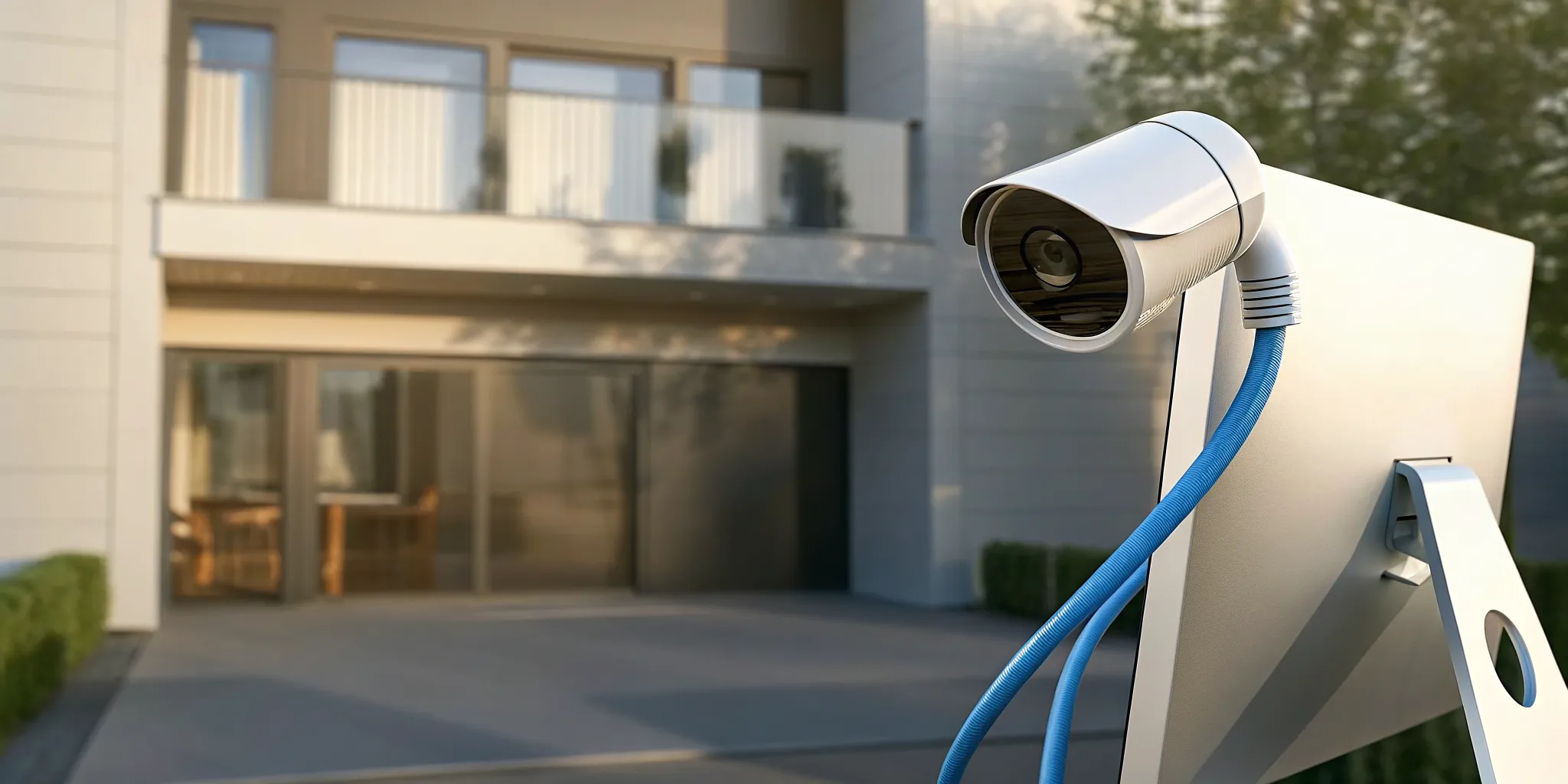
It’s a common belief that modern security cameras are useless without a Wi-Fi connection. This misconception often leaves people feeling vulnerable when they need to monitor a location off the grid. In reality, some of the most reliable and secure systems are designed to work entirely offline. These security cameras without wifi offer a robust alternative, providing uninterrupted recording that isn’t dependent on your internet service or vulnerable to network hacking. From traditional wired CCTV to modern cellular models, these cameras provide peace of mind in places Wi-Fi can’t reach. This article breaks down your options and shows you how to choose the right one.
Key Takeaways
- Solve for Location, Not Just Security: No-Wi-Fi cameras are the perfect solution for securing areas with unreliable or nonexistent internet, such as remote properties, construction sites, and large facilities. Your main options are wired systems for maximum reliability, cellular cameras for remote access, or local storage cameras for simple privacy.
- Prioritize Practical Features: Focus on the details that ensure your system works effectively. This includes choosing a camera with high-definition resolution for clear video, a durable weather-resistant rating (IP65 or higher) for outdoor use, and a power source (hardwired, battery, or solar) that suits the installation site.
- Decide on Remote Access vs. Local Storage: Your biggest decision is how you want to view footage. If you need to check in from your phone, a cellular camera with a data plan is necessary. If you prefer a system with no monthly fees and can review footage on-site, a wired DVR or local SD card system is your most cost-effective choice.
What Are Security Cameras Without Wi-Fi?
When you think of modern security, you probably picture cameras connected to your home or business Wi-Fi. But what happens when you need to monitor a location without a reliable internet connection? That’s where security cameras without Wi-Fi come in. These systems are designed to operate independently, making them a perfect solution for remote properties, construction sites, barns, or any area just outside your router’s reach. They provide peace of mind by ensuring your property is monitored, even when it’s off the grid.
Instead of relying on an internet connection to transmit footage, these security cameras use other methods to record and store video. The three main types are cellular cameras, which use a 4G or 5G network for remote viewing; cameras that record directly to a local SD card; and traditional wired systems that connect to a central recording device. Each option offers a different approach to offline security, allowing you to protect what matters most, regardless of internet availability. This flexibility means you don’t have to compromise on safety just because a location is remote or temporary.
How Do They Work?
It’s a common question: can a security camera really work without Wi-Fi? The answer is a definite yes. These cameras operate in one of two main ways: by using a cellular connection or by storing video footage locally. Think of a cellular camera as a smartphone for your security system. It has its own SIM card and uses a mobile data plan to send live video feeds and motion alerts directly to your phone or a monitoring center. This makes them ideal for virtual guarding in remote locations. The other type records footage continuously or when it detects motion, saving everything directly onto a microSD card or internal memory, no internet or data plan required.
How Do They Store Footage?
The way no-Wi-Fi cameras store footage is what makes them so reliable for offline use. Instead of sending data to the cloud, they save video files directly onto a physical storage device. The most common method is a small microSD card inserted into the camera itself. For more extensive coverage, many people use a wired system connected to a Digital Video Recorder (DVR) or a Network Video Recorder (NVR). These devices act as a central hub, collecting and storing footage from multiple cameras. To view the recordings, you typically need to remove the SD card or connect the DVR/NVR to a monitor, though some hybrid systems offer more flexible access.
Busting Common Myths
One of the biggest myths about offline cameras is that they are somehow less effective than their Wi-Fi counterparts. In reality, they offer a unique set of benefits. Because they store footage locally and don’t connect to the internet, they are completely private and can’t be hacked through the cloud. They are also incredibly simple to set up and have no ongoing data fees if you’re using a local storage model. The main trade-off is that basic models don’t allow for remote viewing. On the other hand, while Wi-Fi cameras offer live streaming and smart alerts, they depend entirely on your internet connection and can be vulnerable to network outages or cyber threats. We offer a full range of security services to find the perfect fit for your needs.
Your No-Wi-Fi Camera Options
If you’re looking for security without relying on a Wi-Fi connection, you have several strong options. Each type works a bit differently, offering unique benefits depending on your property and security goals. Whether you need a robust system for a large commercial facility or a simple camera for a remote cabin, there’s a solution that fits. Let’s walk through the most common types of no-Wi-Fi security cameras so you can find the right match for your needs.
Wired DVR/NVR Systems
Think of wired systems as the gold standard for reliability. These setups use physical cables to connect your cameras directly to a central recording unit, either a Digital Video Recorder (DVR) or a Network Video Recorder (NVR). Because they are hardwired, they are completely immune to Wi-Fi outages or jamming, providing uninterrupted, 24/7 recording. This makes them an excellent choice for businesses and homeowners who want a dependable, set-it-and-forget-it solution. While installation involves running cables, a professional setup ensures your security cameras are discreetly and securely placed for optimal coverage.
Cellular Security Cameras
Cellular security cameras operate much like your smartphone. They use a built-in SIM card to connect to a 4G or 5G mobile network, allowing you to stream live video and receive motion alerts on your phone from anywhere you have cell service. This makes them perfect for locations that lack Wi-Fi but have reliable cellular coverage, such as construction sites, vacation homes, or large rural properties. The main thing to keep in mind is that these cameras require a data plan from a cellular provider, which comes with a monthly fee.
Cameras with Local SD Card Storage
For a straightforward and private security solution, consider a camera that records directly to a local SD card. These cameras don’t need any internet connection to function; they simply save footage whenever they detect motion or during scheduled times. There are no monthly fees, and your recordings are kept completely private on the physical card. The trade-off is that you can’t view footage remotely. To see what the camera has recorded, you’ll need to remove the SD card and insert it into a computer or connect the camera to a monitor.
Battery-Powered Offline Cameras
If you need security in a spot with no Wi-Fi and no power outlets, a battery-powered offline camera is your answer. These versatile cameras often run on long-lasting rechargeable batteries and can sometimes be paired with a small solar panel for continuous power. Many models use a 4G LTE connection (just like cellular cameras) to send alerts and allow for remote viewing. This makes them an ideal solution for monitoring remote assets, temporary job sites, or any off-grid area where running cables is not an option. Their flexibility is a huge plus for industrial security applications.
Analog CCTV Cameras
Analog CCTV (Closed-Circuit Television) systems are a classic and proven security method. Similar to wired DVR systems, they use coaxial cables to send video from the cameras to a central recorder. They operate on a closed circuit, meaning they function entirely independent of the internet or local networks. This makes them incredibly secure and reliable, as they are not vulnerable to online hacking. While they don’t offer the high-tech features of some newer systems, they provide a solid, no-frills approach to video surveillance that many businesses and homeowners still trust for consistent monitoring.
What to Look For in a No-Wi-Fi Camera
Once you have an idea of the type of no-Wi-Fi system that fits your needs, it’s time to compare the specific features. Not all cameras are created equal, and the last thing you want is to invest in a system that doesn’t deliver when you need it most. Think of this as your checklist for finding a reliable camera that will protect your property, whether it’s a remote construction site, a sprawling industrial facility, or your family’s home.
The right features ensure your camera is more than just a passive observer; they turn it into an active security tool. From the clarity of the video to its ability to withstand a Chicago winter, every detail matters. We’ll walk through the most important features to consider, helping you understand what to prioritize. This will ensure you choose a system that provides clear evidence, sends timely alerts, and gives you genuine peace of mind. A well-chosen security camera system is a powerful asset, so let’s make sure you get the perfect one for the job.
Clear Video Resolution
When you need to review footage, clarity is everything. A blurry, pixelated image won’t help you identify a face, read a license plate, or see what’s happening in the distance. Look for cameras that offer high-definition (HD) video, with 1080p being the standard for good quality. For even greater detail, some models offer 2K or even 4K resolution. The higher the resolution, the more detail you can capture, which can be critical for identifying intruders or providing clear evidence to law enforcement. Think about your specific needs; a camera monitoring a small entryway may not need 4K, but one watching over a large parking lot certainly benefits from it.
Reliable Storage Options
Without Wi-Fi, your camera needs a different way to save its recordings. Most no-Wi-Fi cameras store footage locally on a physical device. The most common options are a microSD card inserted directly into the camera or a separate digital video recorder (DVR) or network video recorder (NVR). MicroSD cards are simple but have limited capacity, while DVR/NVR systems can store weeks or even months of footage from multiple cameras. For cellular models, you may also have the option to use cloud services, which securely stores your video online for easy remote access. Your choice will depend on how much footage you need to save and how you prefer to access it.
Smart Motion Detection and Alerts
Just because a camera isn’t on your Wi-Fi network doesn’t mean it can’t be smart. Many no-Wi-Fi cameras, especially cellular models, come equipped with intelligent motion detection. This feature allows the camera to distinguish between significant events, like a person or vehicle approaching, and minor ones, like leaves blowing in the wind. When a relevant event is detected, the system can instantly send an alert to your phone. This proactive approach means you’re notified of potential issues in real time, allowing you to respond immediately. It’s a key feature that pairs perfectly with professional services like virtual guarding for active, 24/7 monitoring.
Weather Resistance (IP Ratings)
If your camera is going outside, it needs to be tough enough to handle the elements, especially in the Midwest. Look for a camera’s Ingress Protection (IP) rating. This two-digit number tells you how well the device is protected against solids (like dust) and liquids (like rain and snow). The first digit rates solid protection (from 0-6), and the second rates liquid protection (from 0-8). For outdoor use in our region, you’ll want a camera with a rating of at least IP65, which ensures it’s dust-tight and can withstand jets of water. A higher rating, like IP67, means it can even be temporarily submerged, offering excellent protection against heavy downpours and melting snow.
Battery Life and Power Source
How will your camera get its power? This is a fundamental question, especially for remote locations. Some no-Wi-Fi cameras are hardwired into your property’s electrical system, providing a constant and reliable power source. Others are battery-powered, offering more placement flexibility but requiring periodic recharging or battery swaps. For a truly set-it-and-forget-it solution, look for cameras that are compatible with solar panels. A solar panel can keep the battery continuously charged, making it an ideal, low-maintenance option for areas without easy access to a power outlet. Consider the location and your tolerance for maintenance when choosing a power source.
Night Vision and Two-Way Audio
Security threats don’t stop when the sun goes down, so your camera shouldn’t either. Quality night vision is a must-have feature. Most cameras use infrared (IR) LEDs to capture clear black-and-white video in complete darkness. Some advanced models offer color night vision, using ambient light to produce full-color images. Another valuable feature is two-way audio. A built-in microphone and speaker let you hear what’s happening and speak through the camera from your phone. This is great for everything from instructing a delivery driver to actively warning off a potential trespasser. It’s a simple feature that adds a powerful layer of interactive security.
The Pros and Cons of Going Wi-Fi-Free
Deciding to use a security camera system that doesn’t rely on Wi-Fi comes with its own set of trade-offs. While these systems offer incredible flexibility for properties without a stable internet connection, it’s smart to weigh both the advantages and the potential downsides. Understanding these points will help you figure out if a Wi-Fi-free setup is the right move for your home, business, or industrial site. Let’s break down what you can expect.
The Benefits
The biggest advantage of Wi-Fi-free cameras is their reliability in places where internet is spotty or nonexistent. Since they don’t depend on your router, they keep recording even if your internet service goes down, which is perfect for remote properties or as a backup during an outage. Cellular models offer amazing placement flexibility, operating just like a smartphone by using a SIM card to connect to a mobile network. Many non-Wi-Fi security cameras also record directly to a local SD card, meaning your footage stays completely private and isn’t sent to the cloud. This makes them simple to operate and often very easy to install.
The Drawbacks
On the other hand, there are a few drawbacks to consider. Cellular cameras require a data plan, which adds a recurring monthly or yearly cost to your security budget. For systems that only use local storage like an SD card, you typically can’t check live footage remotely from your phone. To view recordings, you often need to physically retrieve the SD card. This also introduces a risk: if a burglar steals or damages the camera, your evidence is gone with it. The initial investment can also be higher, especially for professional-grade systems, though flexible financing options can help manage the upfront expense.
Finding the Right Fit for Your Property
Choosing the right security camera system feels a lot like finding the right tool for a job. You wouldn’t use a hammer to turn a screw, and you shouldn’t use a one-size-fits-all camera for a property with unique security needs. The best no-Wi-Fi camera for you depends entirely on your environment, what you need to protect, and how you plan to use the footage. A sprawling industrial complex has vastly different requirements than a quiet suburban home or a remote construction site.
Before you start comparing models, take a moment to think about your specific property. Are you dealing with a location that has no internet but has reliable power? Or is your site completely off-grid? Do you need to check in with a live feed from your phone, or is having a continuous, localized recording more important? Understanding these factors will help you narrow down your options and find a solution that provides genuine peace of mind. We’ll walk through some common scenarios to help you identify which type of security camera system makes the most sense for your space.
For Remote and Rural Areas
Securing a property that’s off the beaten path, like a farm, vacation cabin, or rural acreage, comes with its own set of challenges. When your wireless router’s range is a distant memory, you need a camera that operates independently. Cellular security cameras are an excellent choice here, as they use 4G or 5G networks to transmit data. This allows you to receive motion alerts and view live footage from anywhere, making them perfect for checking on a remote property. Alternatively, if you have power but no internet, a wired NVR system can provide 24/7 recording without needing a data plan, ensuring you capture everything that happens on your residential property.
For Construction Sites and Temporary Setups
Construction sites are prime targets for theft and vandalism, yet they often lack the permanent infrastructure for a traditional security system. This is where no-Wi-Fi cameras truly shine. Because these locations are temporary, you need a flexible and portable solution. Cellular cameras are ideal because they can be installed quickly and moved as the project progresses. They provide real-time oversight to protect valuable equipment and materials. For sites without a ready power source, battery or solar-powered models offer a completely self-sufficient security setup. Combining these cameras with virtual guarding services can create a powerful deterrent against after-hours incidents.
For Commercial and Industrial Facilities
When it comes to securing a commercial or industrial facility, reliability is non-negotiable. These environments demand a robust system that can’t be easily disrupted. Traditional wired CCTV systems, which connect cameras directly to a central DVR or NVR, are the industry standard for a reason. This hardwired connection is immune to Wi-Fi jamming and network outages, ensuring stable, continuous recording across multiple cameras. It’s the most dependable way to monitor large warehouses, manufacturing plants, and office buildings. A professionally designed industrial security system ensures every critical area is covered without fail, protecting your assets and personnel around the clock.
For Your Home
For many homeowners, the main goals are simplicity and privacy. If you want to keep an eye on your property without relying on the cloud or paying monthly fees, a camera with local SD card storage is a fantastic option. These devices record footage directly onto a memory card inside the camera, keeping your data completely private and off the internet. They are incredibly easy to set up and operate, making them perfect for monitoring a front door, backyard, or garage. As part of a complete home security solution, these cameras offer a straightforward and cost-effective way to add an extra layer of protection where you need it most.
Do No-Wi-Fi Cameras Still Need Power?
It’s a common question I hear from clients: if a security camera doesn’t use Wi-Fi, does it still need a power source? The short answer is yes. Every camera, regardless of how it connects, needs electricity to operate. Think about it, the camera’s sensor, processor, and storage all require power to capture and save video footage. Features like night vision and motion detection also draw on that power supply. The term “no-Wi-Fi” simply refers to how the camera transmits data, not how it gets its energy. Instead of sending video over a wireless internet network, it uses alternatives like cellular signals or direct physical cables.
This is actually great news because it gives you incredible flexibility. You aren’t tied to placing cameras only where you have both a strong Wi-Fi signal and a power outlet. You can secure remote corners of your property, monitor a construction site without established utilities, or keep an eye on a barn far from the main house. Fortunately, you have several reliable options for powering your system. From traditional hardwired setups that offer unmatched stability to modern battery and solar solutions that provide freedom of placement, you can find a power source that fits your property’s unique needs. This ensures your cameras are always running when you need them most, giving you consistent peace of mind.
Hardwired Options
Hardwired systems are the gold standard for reliability. Traditional closed-circuit television (CCTV) uses physical cables to connect cameras directly to a central recording device, like a DVR or NVR. This setup provides both power and a secure data connection through the same line, making it incredibly stable. Because it doesn’t rely on wireless signals, a hardwired system is immune to Wi-Fi jamming and network outages. This direct connection allows for 24/7 continuous recording across multiple security cameras, giving you an uninterrupted and comprehensive view of your property. It’s an ideal choice for commercial facilities and homes where consistent surveillance is a top priority.
Battery-Powered Options
For ultimate flexibility, battery-powered cameras are a fantastic solution. These cameras can be placed almost anywhere without worrying about running cables to a power outlet. They typically record footage based on motion detection directly to a MicroSD card or internal memory, which keeps your recordings private and secure. Since they don’t need a Wi-Fi connection or a cellular plan, they are simple to set up and have no ongoing data fees. The key is to consider battery life, as some models offer long-lasting batteries that can go months on a single charge. This makes them a great fit for residential security in areas where wiring isn’t practical.
Solar-Powered Options
Solar power offers a sustainable and self-sufficient way to run your security cameras, especially in remote or off-grid locations. These cameras are equipped with small solar panels that capture energy from the sun to continuously charge an internal battery. This means you can monitor large properties, construction sites, or rural areas without access to electricity. Many models are designed to be highly efficient, storing enough power to operate through cloudy days and at night. This eco-friendly option provides consistent power for your industrial security needs while eliminating the cost and hassle of running electrical lines to distant locations.
Can You View Footage Remotely Without Wi-Fi?
One of the biggest questions people have about no-Wi-Fi cameras is whether they can still check in on their property from their phone. The short answer is yes, it’s absolutely possible, but it depends entirely on the type of system you choose. While you won’t be using a traditional internet connection, certain cameras offer clever ways to keep you connected.
Your ability to view live or recorded video remotely comes down to one thing: how the camera transmits its data. Some systems are designed for on-site viewing only, while others use the same technology as your smartphone to send footage anywhere you have a signal. Let’s break down how each method works and what to expect.
Using a Cellular Connection
Think of a cellular security camera as a smartphone for your property. These cameras are equipped with a SIM card and use a 4G or 5G mobile data plan to operate. This connection allows them to send live video feeds and motion-activated alerts directly to an app on your phone, no matter where you are. It’s an ideal solution for monitoring remote locations like construction sites, vacant lots, or rural properties where installing a traditional internet line isn’t practical. With a cellular camera, you get the peace of mind of real-time monitoring without being tied to a Wi-Fi network.
Accessing on a Local Network
If you opt for a system that records to a local device, like a Digital Video Recorder (DVR) or Network Video Recorder (NVR), remote viewing works a bit differently. These systems are self-contained. The cameras are physically wired to the recorder, which stores all the footage on an internal hard drive. Without an internet connection, you can’t check in from your phone when you’re away from the property. To review footage, you need to be on-site, where you can connect a monitor directly to the recorder. This setup is highly reliable and secure, making it a popular choice for commercial security where constant, on-premise recording is the top priority.
What Are the Limitations?
Each approach has its own set of trade-offs. With a local NVR or DVR system, the main limitation is the lack of remote access. You won’t get instant alerts on your phone if motion is detected, and you can’t pull up a live feed while you’re on vacation. For cellular cameras, the primary consideration is data usage. Streaming live HD video can consume a significant amount of data; for instance, just two hours of streaming can use about 1GB. To manage this, you can adjust the camera’s motion detection sensitivity and schedule recording times to avoid racking up high data costs from your cellular provider. Working with a professional can help you find the right balance for your security camera needs.
Breaking Down the Costs of a No-Wi-Fi System
When you think about a security system that doesn’t use Wi-Fi, you might assume you’re saving money by not needing an internet plan. While that can be true, it’s important to look at the full picture. The costs for these systems are different, not necessarily lower. They typically break down into two main categories: the initial investment in hardware and installation, and any ongoing fees for data or storage.
Understanding these costs ahead of time helps you create a realistic budget and choose a system that provides the security you need without any financial surprises. Whether you’re securing a remote construction site, a rural home, or a large industrial facility, knowing where your money is going is the first step toward a smart investment. Let’s walk through what you can expect to pay for, both upfront and over time.
Upfront Equipment and Installation
Your biggest initial cost will be the hardware itself. For a wired system, this includes the cameras and a central recording device, like a Digital Video Recorder (DVR) or Network Video Recorder (NVR). These traditional closed-circuit television (CCTV) systems are incredibly reliable because they use physical cables to connect everything, making them immune to Wi-Fi jammers. The price of the equipment will vary based on the number of cameras, video quality, and storage capacity you need.
Because these systems require running cables through walls and connecting them to a central hub, professional installation is often necessary. While this adds to the upfront cost, it ensures your security cameras are positioned correctly and everything is working perfectly from day one, giving you a truly dependable setup.
Ongoing Data and Storage Fees
Ongoing costs for a no-Wi-Fi system depend entirely on how you want to access your footage. If you choose a system that records locally to a microSD card or a DVR, you generally won’t have any monthly fees. All your video is stored on-site, and you can review it by accessing the device directly. This is a great “set it and forget it” option for many properties.
However, if you need to view live video or receive alerts on your phone while you’re away, you’ll likely need cellular cameras. These cameras use a SIM card and a data plan to transmit video, similar to your smartphone. These data plans can introduce a monthly fee, but they provide the flexibility of remote access, which is essential for services like virtual guarding.
Tips for Managing Your Budget
There are several ways to keep the costs of a no-Wi-Fi system in check. If you opt for cellular cameras, you can conserve data by adjusting the motion detection sensitivity and scheduling recording times. This ensures the camera only transmits data when it detects meaningful activity, rather than recording continuously.
If remote viewing isn’t a top priority, choosing a system that records to a local DVR or microSD card is the most effective way to eliminate monthly fees. You still get reliable, 24/7 recording without the recurring bill. For larger projects, it’s also worth exploring financing options, which can help you spread out the initial investment and get the professional-grade system you need without straining your budget.
7 Tips for Choosing the Perfect No-Wi-Fi Camera
Finding the right security camera can feel overwhelming, but it doesn’t have to be. When you know what to look for, you can confidently choose a system that fits your property and your budget. These seven tips will help you focus on what truly matters for effective, reliable security without an internet connection.
1. Match the Camera to Your Environment
The first step is to think about where the camera will live. A camera designed for a climate-controlled office won’t last long on an exposed construction site or a rural farm. These cameras are specifically built for places without internet, so consider your unique location. Is it a remote cabin, a sprawling industrial yard, or a new building project? The right camera for your commercial property will have different features than one for a quiet residential area. Matching the camera to its surroundings ensures it will perform reliably when you need it most.
2. Define Your Ideal Coverage Area
Next, decide exactly what you want to see. Do you need to monitor a single entryway or a wide parking lot? The camera’s field of view and resolution will determine your coverage. Some cameras offer a broad perspective, while others can zoom in on specific details. For maximum clarity, look for high-resolution options, which can provide video up to 4K. Capturing sharp, clear footage is essential for identifying faces or license plates. A well-placed, high-resolution security camera can often cover an area that might otherwise require multiple standard-definition cameras.
3. Evaluate Your Power Options
No Wi-Fi doesn’t mean no power. You’ll need to decide between a hardwired connection, batteries, or even solar power. Hardwired systems are very reliable but require professional installation. Battery-powered cameras offer more flexibility in placement but need periodic recharging or replacement. For a truly set-it-and-forget-it solution in a sunny location, some cameras can connect to solar panels. This keeps the batteries charged, saving you energy and the hassle of frequent maintenance. Thinking through your power source early on will prevent headaches down the road.
4. Calculate Your Storage Needs
Since your camera isn’t connected to the internet, all video footage needs to be saved locally. Your main options are a microSD card inside the camera or a separate Digital Video Recorder (DVR) or Network Video Recorder (NVR). MicroSD cards are an inexpensive and simple solution, but they hold less footage and could be stolen if a thief takes the camera. A DVR or NVR system provides much more storage and is kept in a secure, separate location. Consider whether you need 24/7 recording or just motion-activated clips to determine how much storage you’ll require.
5. Factor in Cellular Data Costs
If you choose a cellular security camera for remote viewing, remember to budget for a monthly data plan. Just like a cell phone, these cameras use a SIM card and a data plan to transmit footage. Depending on the carrier and how much data you use, this can add an extra $10 to $40 per month for each camera. Before you buy, check the cellular coverage maps for providers like AT&T or T-Mobile in your specific area to ensure you’ll have a strong, reliable signal. These ongoing costs are an important part of your total security investment.
6. Prioritize Durability for Outdoor Use
For any camera placed outside, durability is non-negotiable. Your outdoor cameras need to be tough enough to handle whatever the Midwest weather throws at them, from summer thunderstorms to winter blizzards. Look for cameras with a high Ingress Protection (IP) rating, like IP65 or higher. This number tells you how well the camera is protected against solids like dust and liquids like rain and snow. A weather-resistant camera is a must for reliable outdoor surveillance, ensuring your virtual guarding system never goes down due to bad weather.
7. Work with a Professional for the Best Results
While DIY projects can be satisfying, security system installation is best left to the pros. No-Wi-Fi systems, especially wired ones, can be tricky to set up correctly. A professional installer knows how to run cables discreetly, position cameras for maximum coverage, and ensure your entire system works together seamlessly. Working with an expert team removes the guesswork and guarantees your residential security is effective from day one. A professional can help you design a custom solution that perfectly fits your property’s unique needs.
Ready to Secure Your Property Without Wi-Fi?
If you’re looking to secure a property that’s off the grid or just has spotty internet, you’re in the right place. It’s a common challenge, especially for remote job sites, rural homes, or even the far corners of a large commercial property where the router signal can’t quite reach. The good news is, you have plenty of excellent options that don’t rely on a wireless connection at all. Choosing the right security camera system is about matching the technology to your unique environment.
Let’s look at the main types of offline security cameras. First, you have traditional wired systems, often called CCTV, which connect cameras directly to a central recording unit (a DVR or NVR). This setup is incredibly reliable, secure from Wi-Fi jammers, and perfect for 24/7 recording across multiple cameras. Another great choice is a 4G cellular camera. These operate on cellular networks, just like your phone, allowing you to get live feeds from anywhere. They’re ideal for locations without any internet infrastructure, though you’ll want to factor in monthly data costs.
Finally, there are cameras that record footage directly onto a local SD card. This is a straightforward solution for capturing motion-triggered events or continuous video without needing any external connection for storage. By understanding these different approaches, you can confidently pick a solution that keeps your property protected, no Wi-Fi required. Whether you need a robust wired system for your business or a flexible cellular camera for a temporary site, there’s a perfect fit for your security goals. InVision Systems offers a range of customized security solutions to meet these specific needs.
Related Articles
- 8 Best Home Camera Systems: Our Top Picks
- The 8 Best Outdoor Security Cameras Without Subscription
- How to Choose Business Security Systems with Cameras
Frequently Asked Questions
If a camera isn’t on Wi-Fi, can it still be hacked? This is a great question, and it gets to the heart of why many people choose these systems. A camera that is completely offline, like a wired system connected only to a local recorder, is not accessible from the internet and is therefore extremely secure from remote hacking. Cellular cameras use a mobile network, which is generally more secure than a typical home or business Wi-Fi network, making them a very safe option for remote viewing.
What’s the real difference between a cellular camera and one that just records to an SD card? The main difference comes down to remote access. A cellular camera uses a 4G or 5G network to let you view live video and receive alerts on your phone from anywhere, but it requires a data plan. A camera that only records to an SD card is a completely self-contained unit. It has no monthly fees and keeps your footage private, but you must physically retrieve the card to see what it has recorded.
What happens to my no-Wi-Fi camera system if the power goes out? Your camera’s power source determines how it handles an outage. Hardwired systems will stop recording unless they are connected to a backup power supply, such as an uninterruptible power supply (UPS). Battery-powered and solar-powered cameras, on the other hand, will continue to operate without interruption as long as their batteries have a charge. This makes them an excellent choice for ensuring continuous security.
How much video can these cameras actually store? Storage capacity varies quite a bit depending on the system you choose. A camera using a microSD card might hold anywhere from a few days to a week of motion-activated clips. For more extensive storage, a wired DVR or NVR system with a large internal hard drive is the best option. These can often store several weeks or even months of continuous, 24/7 footage from multiple cameras before the oldest video is overwritten.
Do I really need a professional to install a no-Wi-Fi system? For a simple, single-camera setup like a battery-powered model, you can often handle the installation yourself. However, for more complex systems, especially wired ones that involve running cables and connecting multiple cameras to a central recorder, working with a professional is highly recommended. An expert ensures your cameras are placed for optimal coverage and that the entire system is configured for maximum reliability and security.