
Security System Integrator Chicago: What to Look For
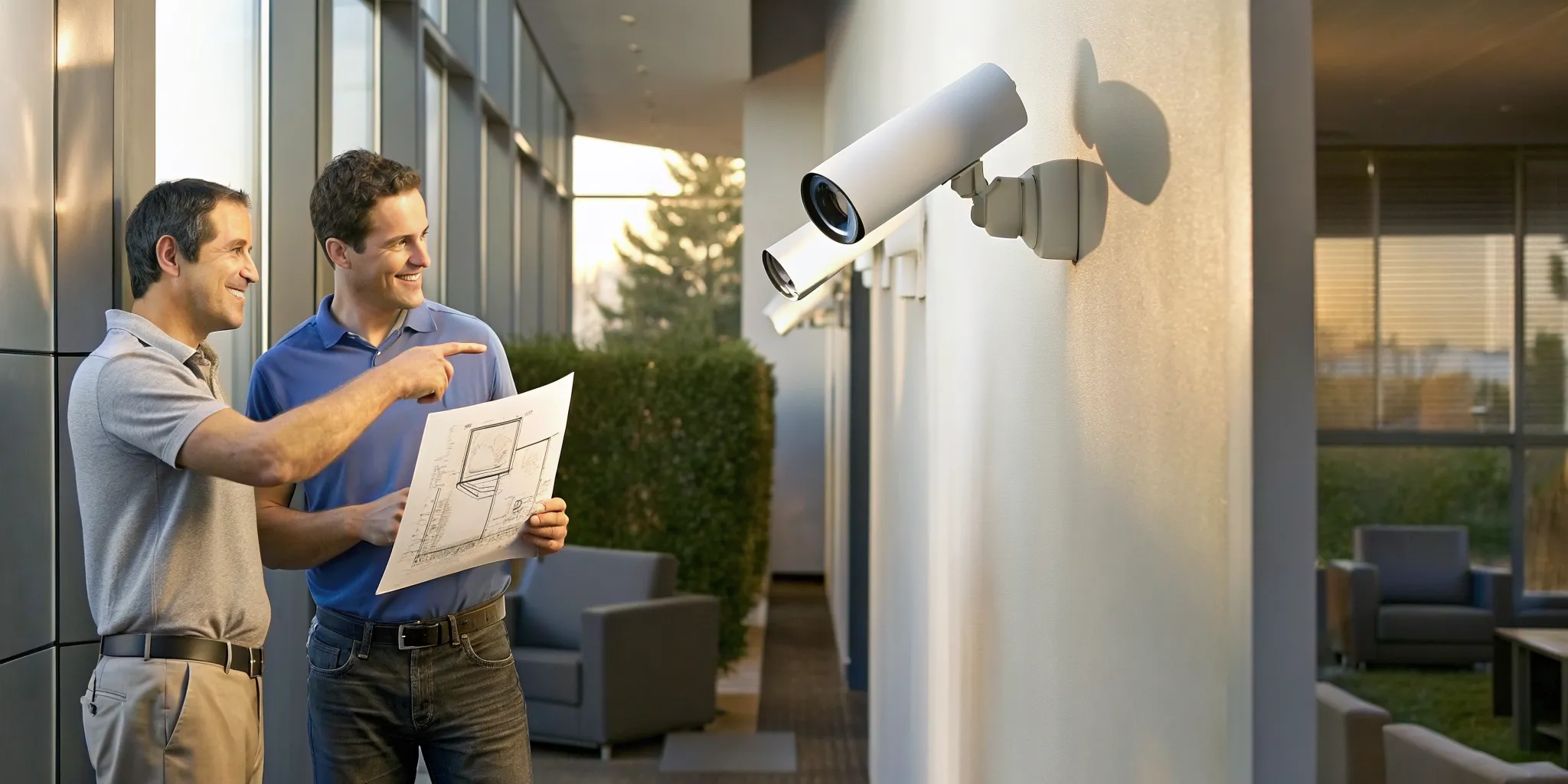
A single unwatched blind spot can risk an entire warehouse or business office in seconds. Standard security systems often fail because they lack a custom layout built for a building’s ceiling height and lighting.
A professional security system integrator Chicago businesses select serves as a trusted partner to design, install, and manage your business safety network. Rather than selling boxed alarm gear, a skilled integrator builds a custom plan made for your building’s exact layout and needs. A deep local check finds weak spots like poor lighting, low gates, and camera blind spots across your property. As noted by the National Center for Biotechnology Information, complex security systems must be custom designed to stop real threats. Choosing a good partner needs checking their license, local Chicago experience, past track record, and twenty-four hour support. This total care keeps your business safe.
Knowing how to handle this choice is key to protecting your local assets, and you must first understand their exact daily role. We will explore What Does a Security System Integrator Do? to show how they build your defenses. Your journey begins by choosing the right partner. Contact InVision Systems today for a free security assessment with a security system integrator.
Request your free security assessment now
What Does a Security System Integrator Do?
A security system integrator does more than sell alarms. This expert acts as a single-source partner to secure your property. They design, install, and manage your entire safety system as one connected network. This approach changes the old way of buying separate tools that do not talk to each other.
Custom security planning
An integrator starts by checking your site layout. Every system must be custom-designed for weak spots like lighting and ceiling height. For example, a camera placed in a dark corner or too high on a wall will not capture clear images. An expert plans for these issues before placing any gear.
Off-the-shelf packages from big-box stores often fail because they assume every building is the same. An expert integrator knows that a warehouse needs a unique layout than a retail store or a home. They walk your site to spot blind zones, poor lighting, and entry points. This careful design ensures that your cameras cover every angle without leaving weak spots.
Custom plans are vital for firms. Chicago firms need commercial security solutions that match their work. A retail store needs to prevent theft near doors and registers. An automotive lot or industrial site looks at outer fences and outdoor assets. Custom setups ensure total site integrity.
Integration of security technologies
A real integrator connects other safety tools. Modern sites need a single framework that links access control, alarms, and security camera systems. This system can also tie in virtual guarding to watch your property after hours. If a person tries to open a locked door, the system triggers a camera to record the event. It also sends a fast alert to your phone. These proactive steps are key to protecting high-value equipment in warehouses and offices.
In the past, you had to use other apps for your cameras, door locks, and alarms. An integrator combines these systems into one platform. This lets you view camera feeds, lock doors, and check alarm status from one screen. It makes your daily tasks simple and helps your team act fast during an alert.
Structured wiring and networks
A stable network is the backbone of any security setup. Integrators do not just install wireless tools that can lose a signal or drop feeds. They run structured wiring, like high-speed Ethernet cables, to link every device to a central hub. This wired network ensures your cameras and alarms stay online. It prevents data loss and lag.
This wiring is a key service for new commercial builds in the Chicago area. Running strong cables inside your walls before you finish a space saves time and money. It keeps your security data off public networks. This protects your firm from hacking. A secure, wired system is the safest way to guard your building and your private data.
What to Look For in a Security System Integrator in Chicago
Choosing the right partner to secure your building is a big decision. The right team does more than sell parts; they build a shield for your business. When you choose a security system integrator in Chicago, you must look for proven local skills. A local firm knows the layout, the climate, and the risks of the city.
Every commercial or industrial space has unique needs. A physical break or system failure can cause deep losses. So you must build a system that stops unwanted entry. The National Institutes of Health warns that security breaches can have serious or catastrophic results for site safety. To avoid these gaps, you must check your provider before you sign a contract.
Credentials and years of service
The first step is to check the legal status of the firm. Do not work with a team that lacks proper licenses. A valid provider must hold a state license, such as Alarm Agency Lic #127.001456, to work in Illinois. This proof shows they meet strict safety standards.
Years in business also matter. A team with decades of work shows they can handle new tech and stay reliable. Look for a firm with deep roots, like one founded in 2002 with over 23 years of local work. These teams know how to run lines, install gear, and keep systems online through cold winters.
You should also look for a wide reach. The best team serves a wide area, covering 35 cities across Illinois, Wisconsin, and Indiana within 50 miles of Chicago. This big footprint shows they have the staff to reach your site fast when you need help.
Custom designs and client care
Avoid big-box brands that sell standard packs. A great partner plans each layout for your specific space. They check each room to find weak spots, testing ceiling height and light levels. For example, integrating your business security system with smart cameras takes precise work to cover entry points.
Client loyalty is the best sign of quality. Look for a firm with a client retention rate of over 95%, which beats the industry average of about 88%. This high rate proves that clients stay because they get great care. When the company owner, like Raz Meliach, stays involved in daily work, you can trust that your safety comes first.
Here is a quick checklist of what to seek in your local partner:
- Proper State Licensing: The firm must show active credentials like Alarm Agency Lic #127.001456.
- Decades of Experience: Seek a provider with over 23 years of history, showing they can adapt to new tech.
- Custom Layouts: Do not accept basic packages; require a custom plan made for your ceiling height and light levels.
- High Client Retention: Choose a team with over 95% client retention, which beats the 88% industry average.
- Direct Owner Care: Ensure the leadership team stays involved in your project to keep standards high.
- Proactive Support: Choose a partner that offers ongoing help and system checks instead of just a one-time setup.
By checking these points, you can find a true partner. They will keep your site secure over the long term.
Why Local Expertise Matters for Chicago Security Integrators
A Chicago security team must know the area to protect it. Large national firms often use basic plans that do not fit your real needs. A local integrator designs systems based on the specific layout and history of the community.
Understanding neighborhood risk profiles
Local risk factors vary from block to block in a large city. A local team knows where crime trends are rising and how local history impacts security. For example, research shows that studying a history of local theft helps teams build a proper and fit security response.
This local focus helps a local partner set up commercial security solutions that keep assets safe. They spot weak spots like dark alleys or low ceiling heights that national firms miss.
Local expertise also means knowing which threats are active near Chicago suburbs. An integrator based in the city can assess weak spots with direct local knowledge. They do not rely on remote maps to plan your coverage. Instead, they visit your site to build a defense that fits your physical space. This process moves you toward residential security that protects your family from real, local risks.
Navigating local codes and compliance
Chicago has strict building codes and licensing laws for security systems. A local firm knows how to design and run structured wiring without delaying your project. They make sure every wire and sensor meets city rules. This knowledge prevents fines and ensures your system works when you need it most.
Integrators must follow specific rules across the Greater Midwest region. A local integrator serves about 35 cities across Illinois, Wisconsin, and Indiana, covering a 50-mile core radius around Chicago. This broad yet local reach means they know the distinct permit needs in each suburb. A national team will struggle to track these local rules, which can lead to compliance issues for your business.
Ensuring rapid on-site support
When a system needs service, time is critical. A local team can dispatch a technician to your site within hours rather than days. They offer proactive security support that national firms cannot match. Proactive support means fixing issues before they cause system downtime.
With a local partner, you also get ongoing system maintenance and quick upgrades. You can easily update camera angles, adjust sensors, or add new access points. This fast response keeps your facility secure and gives you peace of mind. Your security remains active and effective because your partner is just down the road.
Red Flags and Warning Signs to Avoid
When you search for a partner to secure your building, you must watch out for bad signs. Some firms focus only on sales and do not offer long-term help. Choosing the wrong dealer can leave your site open to threats.
Lack of licensing and transactional focus
A major red flag is when a dealer lacks a license. In Illinois, a trusted firm should show their license number, like Alarm Agency Lic #127.001456, to prove they are real. If a team is vague about their license, do not hire them. You should also avoid teams that only care about a quick sale. A sales-only group will sell you hardware but will not offer ongoing support.
Choosing a long-term partner is much better than buying a pre-made box of cameras. Your provider must help with integrating your business security system to keep it running well. A sales-only shop will often go away after they install the gear. This leaves you with no help if the system fails or if a camera stops working.
One-size-fits-all hardware packages
Some vendors try to sell standard packages that are not made for your layout. But every building has unique needs. A good security system integrator Chicago can find your weak spots and place cameras where they work best. They will look at ceiling height, entry points, and lighting before they start.
If a dealer does not visit your site before giving a quote, that is a warning sign. They cannot design a setup that protects you without seeing your space. If they avoid a site visit, they are likely trying to make a fast sale without doing the real work.
No clear plan for long-term support
A solid integrator will give you clear plans for system design and care. Vetting a security system integrator Chicago requires checking their long-term plans. You need to know who will service your cameras and who you can call when an alarm fails. If they are vague about who installs or services your system, you should look elsewhere.
Your security needs will change over time, and regular checks keep your systems strong. Security integrators who offer ongoing help with updates and care give much better value than hardware-only sellers. This ongoing care is vital because new guidelines and security standards are released every year to handle new threats. A true partner will keep your system safe and up to date for years to come.
Local Integrator vs. National Provider vs. DIY
Choosing how to protect your Chicago business or home is a major decision. Investing in security is not just about buying hardware. It is about building a system that keeps your assets and your team safe every single day. You can work with a local expert, sign a contract with a big national firm, or set up a retail kit yourself. Each path has distinct trade-offs in design, support, and long-term value.
Comparing the three security paths
To get the best protection, you must weigh how each option handles key factors. Big-box retail kits are cheap, but they lack expert setup. Large national brands offer brand-name gear, but they often lock you into rigid plans. By contrast, a local security system integrator in Chicago creates custom setups and deep local care.
| Service Factor | Local Integrator | National Provider | DIY Kit |
|---|---|---|---|
| Custom design | Full custom fit for every weak spot. | Fixed pre-set gear bundles. | Basic off-the-shelf parts. |
| Local support | Fast, on-site help from local techs. | Slow call-centers and long wait times. | No on-site help available. |
| Licensing | Fully licensed and locally compliant. | Licensed but remote staff. | No expert license or oversight. |
| System updates | Proactive care and regular tune-ups. | Rare, charge-by-visit service. | User must manage all updates. |
| Long-term value | High return with lasting, durable systems. | High monthly fees for years. | Low cost but short shelf-life. |
Why a customized partnership wins
A robust system must do more than sound an alarm after a break-in. For high-value sites, safety depends on checking local threat history and finding where valuable assets sit. This research is detailed in academic studies on site safety. A true local expert will custom-design your system based on specific physical weak spots. They check details like room lighting and ceiling height to place cameras in the best spots. A standard DIY kit or rigid national package does not account for these unique site traits. This neglect leaves blind spots that smart intruders can easily exploit.
This custom care is the heart of proactive security. National firms often sell reactive alarm-monitoring that only alerts you after a theft has begun. By contrast, a local integrator acts as a long-term partner who focuses on active prevention. When integrating your business security system, you want a partner committed to your growth rather than a quick, one-off sale. A strong partnership ensures your security evolves as your needs change over time. Ongoing support means your software, hardware, and networks stay up to date and fully secure.
Virtual Guarding: A Cost-Effective Modern Option
Many Chicago business owners face rising costs for on-site guards. On-site guards need high wages, but they cannot watch every part of your property at the same time. To solve this issue, a professional security system integrator in Chicago can help you move from old tactics to smart technology. This is where remote monitoring changes how we protect our sites.
Integration of existing hardware and intelligence
One of the best paths is Virtual Guarding. This service is a proactive, cost-effective option to live guards. Instead of paying for staff to stand at your gate, this system uses your existing security cameras. Local software adds AI to these cameras to find movement. If the system finds a person in a restricted area, it lets a remote operator know. This setup makes your safety plan both faster and more affordable.
Live voice intervention as a proactive shield
A good security integrator in Chicago should give you proactive tools rather than simple alarms. A reactive system only rings after a crime has happened. In contrast, virtual setups use speaker systems for remote human voice intervention. When the AI finds a threat, a real guard talks through the speaker. They warn the intruder that police are on the way. This quick voice can stop a break-in before any damage is done.
Proactive security measures are crucial to stop unauthorized entry and protect high-value assets. According to guidelines from the National Institutes of Health, physical security designs must adapt to new risks to keep facilities safe. By adding speaker tools to your cameras, you build a strong barrier. An integrator can tailor these tools to your exact yard or building. This custom care makes remote guarding a high-impact upgrade for local firms.
Evaluations for modern operational needs
A professional security integrator can help you see if your current setup meets your needs. They will check your building for blind spots and old hardware. If your business needs a boost, they can show you if virtual guards are right for you. They can also offer ongoing maintenance to keep your system running well. With the right team, you can build a safe environment that protects your staff and your bottom line.
Schedule your free security assessment today
Frequently Asked Questions
Do security system integrators in Chicago need a state license?
Yes, professional security firms in Illinois must hold a state license to do work legally. In Chicago, a trusted integrator should show an active license such as Alarm Agency Lic #127.001456. This license proves the team meets state laws for safety and background checks. Working with an unlicensed company can put your business at risk.
How does an integrated security system improve business operations?
A unified system links cameras, alarms, and access control on one network. This reduces risk and simplifies daily management. By using expert system integration services, your team can monitor multiple sites from a single dashboard. This clean setup saves time, cuts errors, and helps your business run smoothly.
What is a cost-effective alternative to physical security guards?
For many firms, physical guards are too costly. A great alternative is Virtual Guarding, which uses your existing cameras and smart AI. This system can find threats and let remote agents speak to intruders in real time. It offers strong, proactive security for a fraction of the price of on-site guards.
How do integrators design security for sensitive facilities?
To secure sensitive sites, an integrator must study local threat history and find key weak points. According to research published by the National Institutes of Health, systems in high-value places must protect against theft, vandalism, and safety breaches. This requires custom designs that fit the unique layout and threat level of the property.
Why is structured wiring important for business security systems?
Structured wiring means running clean Ethernet and internet lines through a new or existing facility. This physical framework ensures your cameras, access points, and alarms stay on a fast, secure network. Using professional business security systems wiring avoids signal loss, prevents downtime, and supports future technology upgrades.
Ready to Secure Your Chicago Business or Home?
Leaving your Chicago business or home open to risks can lead to costly theft, severe property damage, and lost peace of mind. Starting your custom design today ensures complete coverage for your assets and gets your protection in place before any issues arise. Do not wait for a critical break-in to show you exactly where your current security cameras or building alarms fall short.
Ready to secure your property? Our local team has designed and installed custom systems for twenty-three years with a ninety-five percent client retention rate. We will help you identify key vulnerabilities and build a system that fits your needs. Contact InVision Systems today to schedule a free security assessment for your Chicago business or home.